



Goku Family Chart Easy Overview
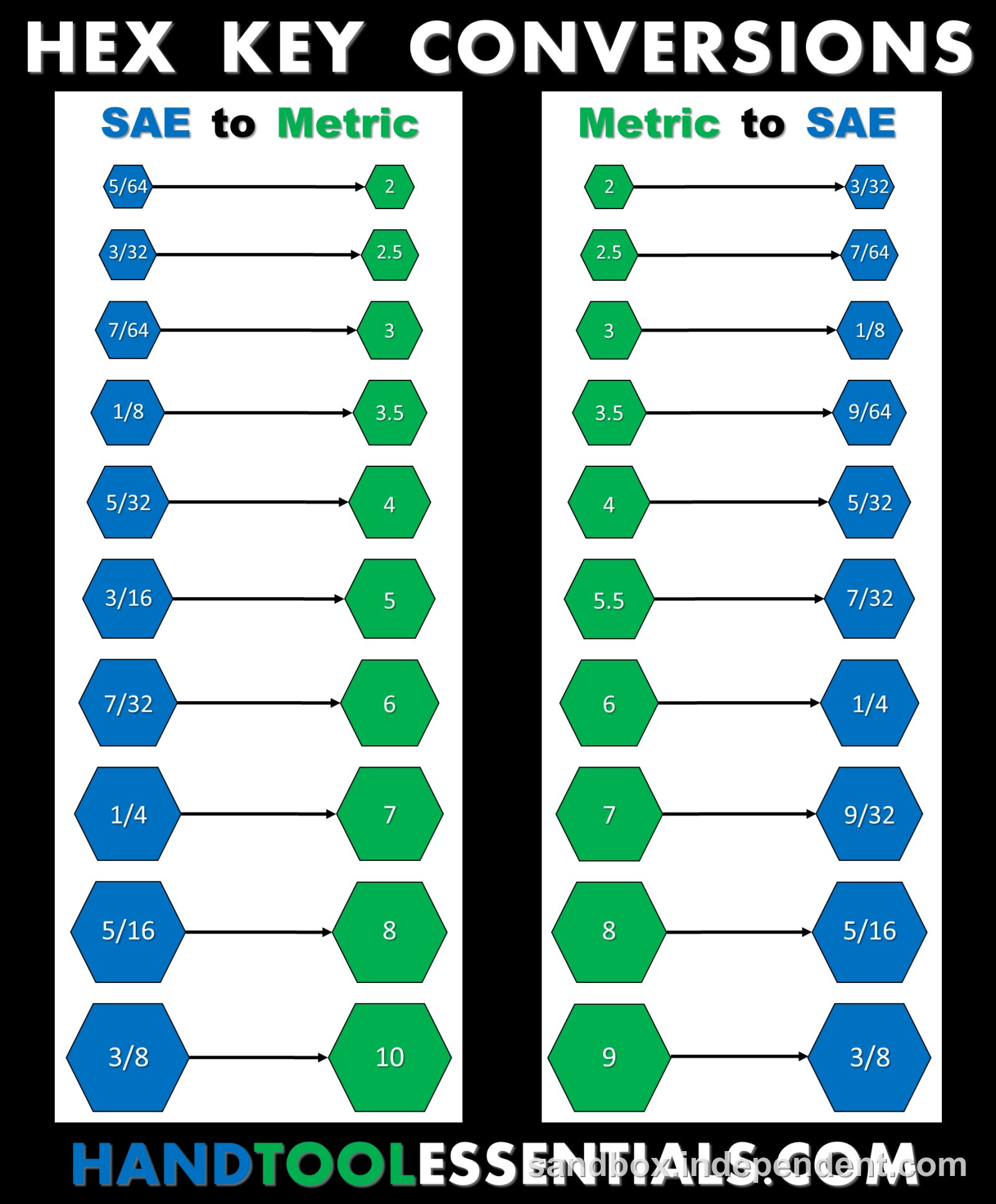
A common mistake when dealing with socket size charts is assuming they are universal. While these charts are incredibly useful, it's important to understand that they can vary depending on your location and the specific standards you're working with.
So, when you're tackling a project, whether it's a simple home repair or a more complex task, referring to the right socket size chart is key. These charts provide a quick and accurate way to identify the right tool for the job, ensuring you don't end up with a metric socket when you need an imperial one!
Understanding Socket Size Charts
Socket size charts are your practical guides to choosing the right socket for the job. They provide a clear, visual reference for different socket sizes, helping you select the correct tool for your needs.
Key Details and Units
These charts typically display socket sizes in either metric or imperial measurements, depending on the standard being used. The metric system is widely adopted internationally, while the imperial system is more common in certain regions like the United States. The chart will list socket sizes in these units, often in millimeters (mm) or inches (in).
Reading the Chart: A Step-by-Step Guide
- Identify the measurement system: Determine whether your chart uses metric or imperial measurements. This is crucial as it affects the size categories and conversions.
- Locate the size category: Look for the specific size you need. Socket size charts often list sizes in ascending or descending order, making it easy to find the right one.
- Note the dimensions: The chart will provide the inner and outer dimensions of the socket. These are critical for ensuring a proper fit with your fastener or tool.
- Consider the drive size: Socket size charts may also include information about the drive size, which is the size of the square hole in the socket that fits onto a ratchet or breaker bar. Ensure this matches your tool.
Variations and Differences
Socket size charts can vary depending on several factors:
- Measurement System: As mentioned, the metric and imperial systems have different units and size categories.
- Standard Organizations: Different organizations or regions may have their own standards and specifications, leading to variations in socket sizes.
- Manufacturer Preferences: Some manufacturers may use slightly different sizes or designs, especially for specialty sockets.
- Tool Type: Sockets designed for specific tools, like impact wrenches, may have unique dimensions.
Common Mistakes and How to Avoid Them
- Mixing Measurement Systems: Always ensure you're using the correct system (metric or imperial) to avoid mismatched sizes.
- Assuming Standard Sizes: Don't assume all sockets follow the same standard. Double-check the exact specifications, especially for specialty sockets or tools.
- Neglecting Drive Size: The drive size is crucial for a proper fit with your ratchet or bar. Always check this specification.
- Forgetting Tolerances: Sockets have tolerance ranges. Ensure your fastener falls within the socket's tolerance range for a secure fit.
Remember, while socket size charts are invaluable tools, they are just guides. Always refer to the specific tool's or manufacturer's instructions for exact specifications.
Hey there, I hope this socket size chart has been a handy reference for you! Remember, while these charts provide a solid framework, the exact details can vary slightly depending on the specific context or standard you're working with. It's always a good idea to double-check the relevant specs for your project.
Feel free to explore our other guides on similar topics. We've got a whole collection of practical resources to help you tackle various DIY and technical challenges. Happy learning and keep those tools organized!
Related: Pistons Depth Chart: A Simple Reference Guide
A pistons depth chart is a valuable tool for anyone seeking a quick reference guide to understand engine specifications. This straightforward visual aid offers a clear overview of piston measurements and their placement within an engine's cylinder.
The chart provides a simple yet effective way to compare and contrast piston sizes, bore and stroke dimensions, and even engine displacement. It's a handy resource, especially when considering the variety of standards and units used in automotive engineering, from metric to imperial.
Understanding the Pistons Depth Chart
The pistons depth chart is a valuable tool for automotive enthusiasts and professionals alike, offering a concise overview of piston sizes and their corresponding specifications. This chart serves as a quick reference guide, aiding in the identification and selection of the right piston for various engine configurations.
Key Details and Categories
When examining a pistons depth chart, you'll encounter a range of critical information. The chart typically displays piston sizes, often referred to as bore and stroke dimensions, which define the piston's diameter and the distance it travels within the cylinder. These values are usually provided in both metric and imperial units, catering to diverse regional standards. Additionally, the chart may include engine displacement, a crucial parameter indicating the engine's capacity, often measured in cubic centimeters (cc) or liters (L).
Reading and Applying the Chart
To utilize the pistons depth chart effectively, follow these steps:
Identify the Piston Size: Start by determining the piston size you need. This is typically specified by the engine manufacturer or can be measured directly from the engine.
Locate on the Chart: Refer to the chart and locate the piston size you require. The chart will provide a clear layout, often organized by piston diameter and stroke length.
Check Specifications: Once you've found the relevant piston size, review the accompanying specifications. These may include the piston's material, compression ratio, and any specific features or design considerations.
Compare and Select: Compare the chart's specifications with your engine's requirements. Ensure the piston's dimensions and characteristics align with your engine's needs.
Verify with Manufacturer: While the pistons depth chart offers a comprehensive overview, it's essential to double-check with the manufacturer or refer to the engine's manual for precise specifications and tolerances.
Variations and Differences
Pistons depth charts can vary depending on several factors. Here are some key considerations:
Regional Standards: Different regions may use distinct measurement systems, such as the metric system (common in many countries) or the imperial system (predominant in the United States). These variations can impact the units and values presented on the chart.
Manufacturer Preferences: Each engine manufacturer may have its own preferred piston sizes and specifications. This can lead to slight variations in piston dimensions and design features.
Engine Type and Application: The intended use of the engine, whether for a car, motorcycle, or marine application, can influence the piston's design and size. Different applications may require specific piston characteristics.
Common Mistakes and How to Avoid Them
To ensure accurate selection and avoid common pitfalls, consider the following:
Misinterpreting Units: Be mindful of the units used on the chart. If you're accustomed to a particular system, ensure you understand the conversions between metric and imperial units.
Overlooking Manufacturer Specifications: While the pistons depth chart provides a general guide, it's crucial to refer to the manufacturer's specifications for precise details. This ensures compatibility and optimal performance.
Ignoring Engine Type: Different engine types, such as four-cylinder, six-cylinder, or V-type engines, may have unique piston requirements. Ensure you select the appropriate piston size for your specific engine configuration.
Practical Tips for Accurate Results
For the best results when working with a pistons depth chart, keep these tips in mind:
Measure Twice: When determining the piston size you need, take accurate measurements. Double-check your readings to ensure precision.
Consult Experts: If you're unsure about the piston selection or have specific engine modifications, seek advice from automotive engineers or experienced mechanics. Their expertise can guide you toward the best choice.
Stay Updated: Pistons and engine technology evolve. Stay informed about the latest advancements and updates to ensure you're working with the most current information and specifications.
So, with your new understanding of the pistons depth chart and its practical applications, you're now equipped to navigate this aspect of your project with ease. Remember, the key is to refer to the appropriate standards and guidelines for your specific context, as exact values can vary.
Take a moment to ensure you have all the necessary information and resources at hand. Then, feel free to explore our other guides and resources, where you'll find a wealth of information to support your work and keep your projects running smoothly.
Related: Understand the Hair Shade Chart: A Simple Guide
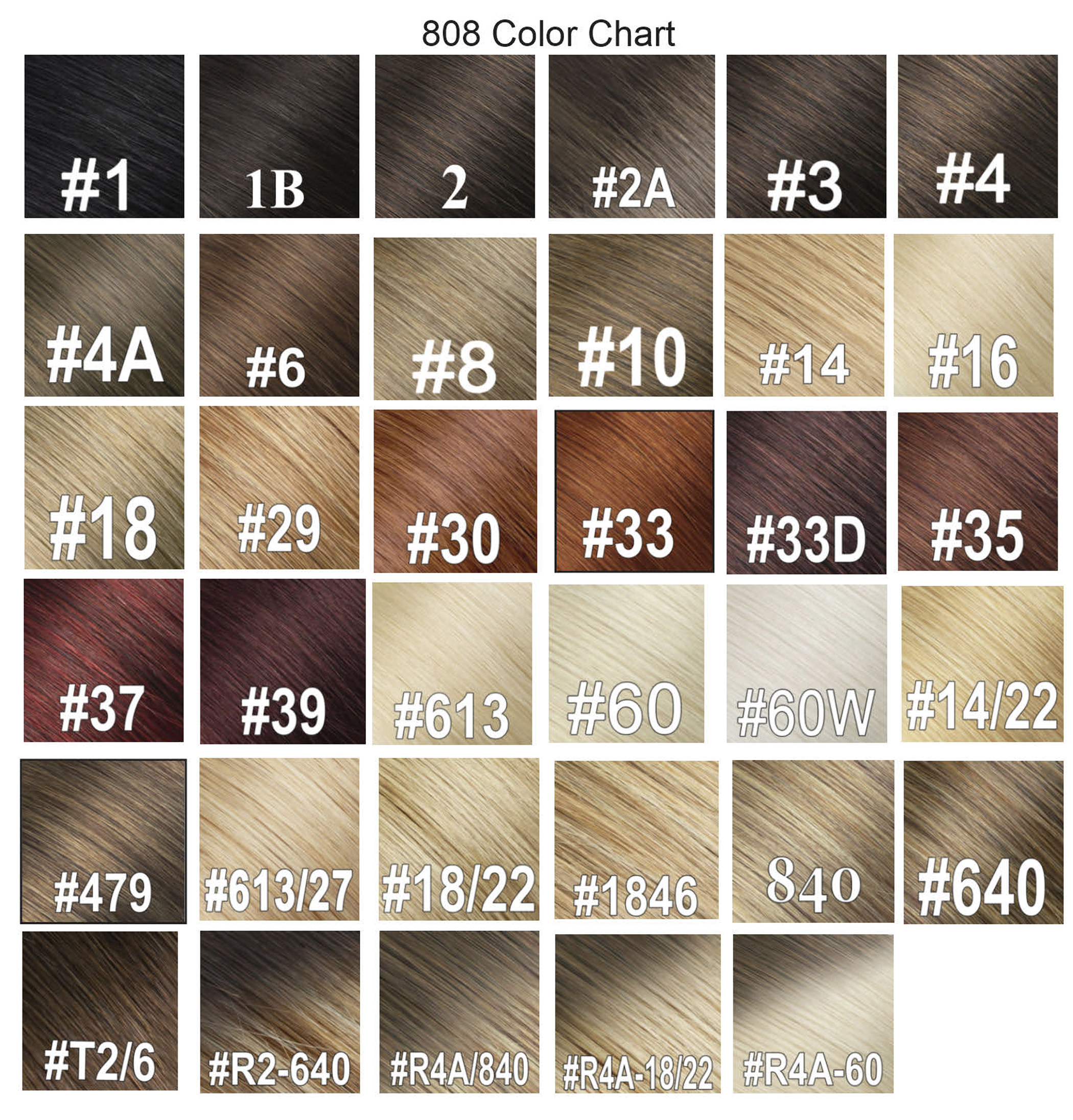
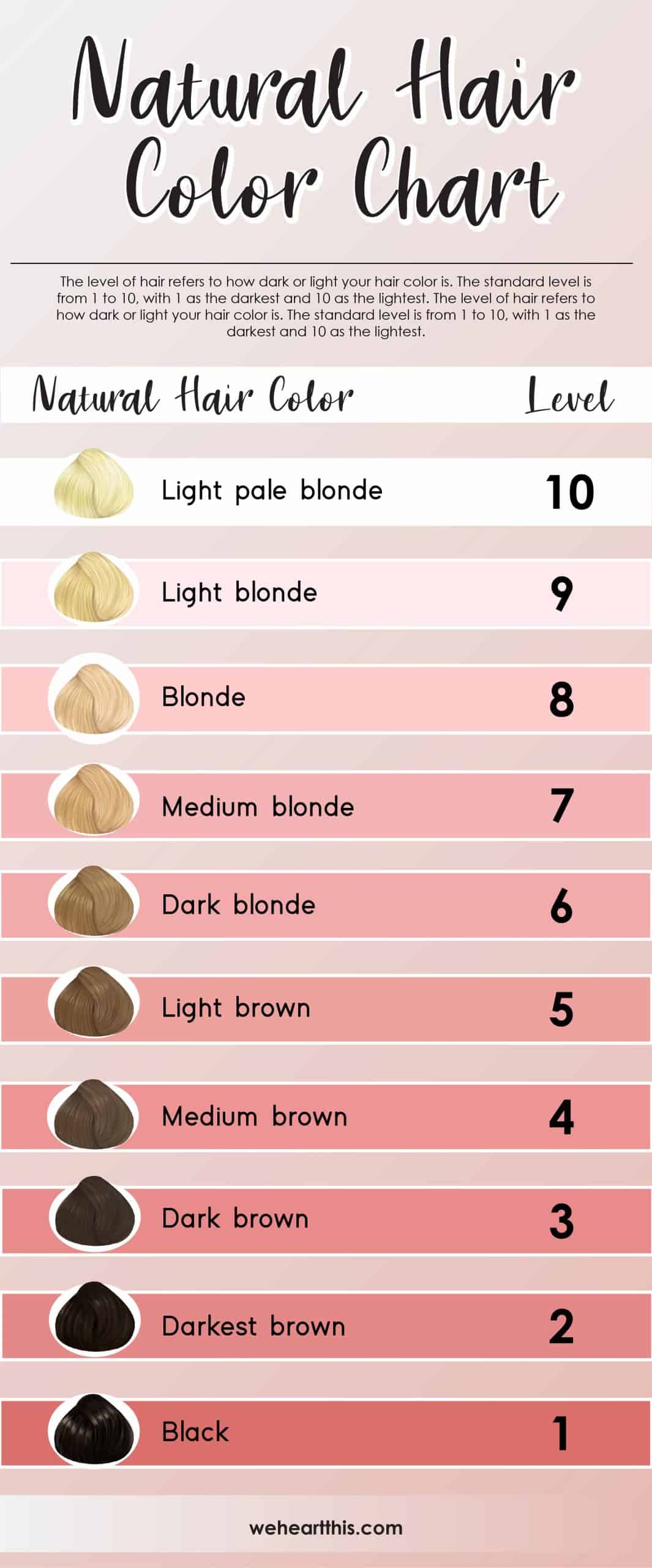
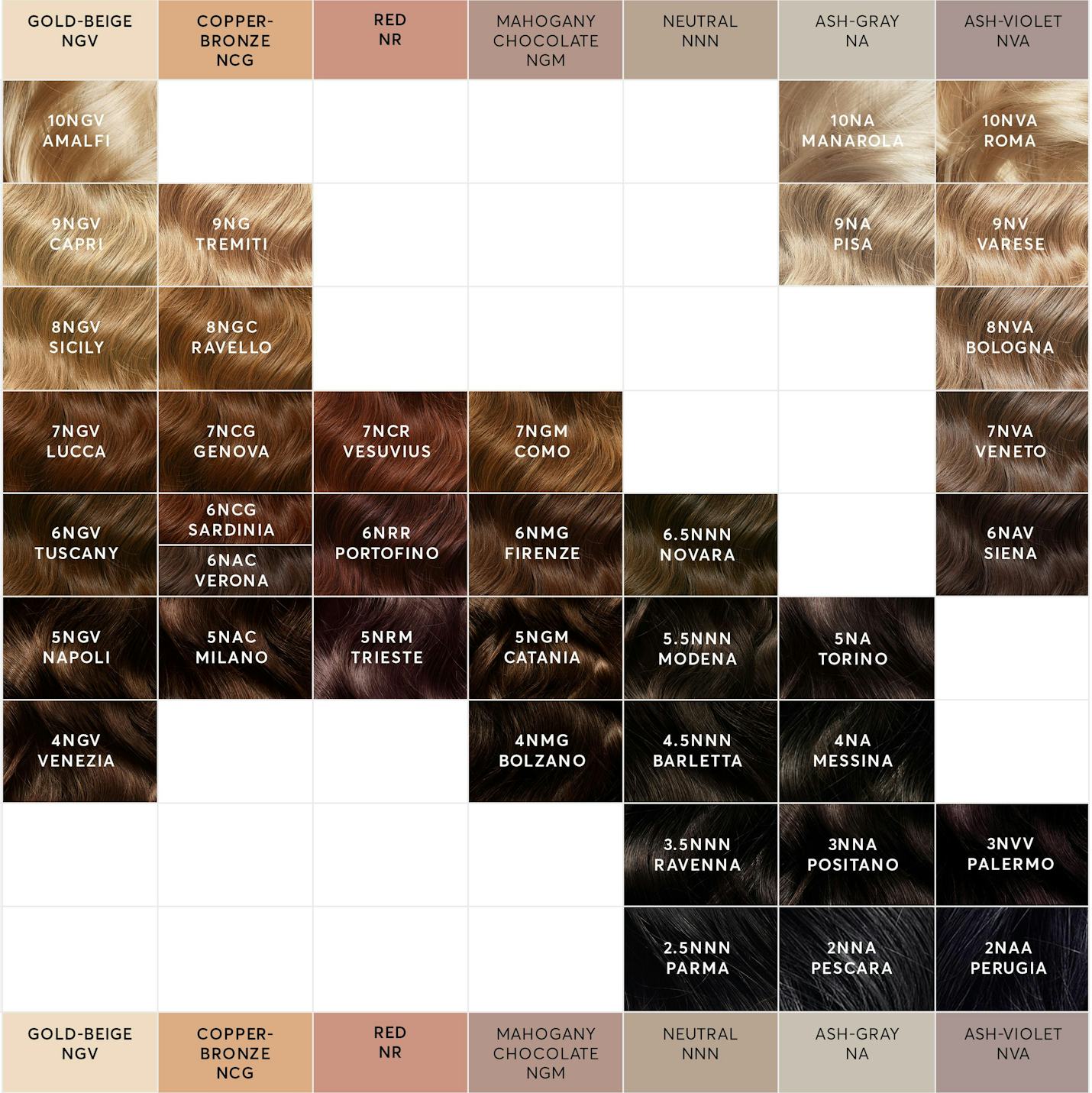
You're here because you need a quick fix, right? A simple, reliable reference for your hair color adventure. Well, the hair shade chart is your trusty guide, a visual map to navigate the world of hair colors. It's a handy tool, a quick-glance reference, offering a range of shades and tones to explore. From natural hues to bold, vibrant choices, the chart lays it all out. You'll find tone levels, hair dye shades, and even a color wheel to help you match and create your desired look.
Understanding the Hair Shade Chart: Your Guide to Hair Color
The hair shade chart is a handy tool that helps you navigate the world of hair color. It's a visual reference, often in the form of a color wheel or a detailed table, that displays a range of hair colors and their corresponding shades. This chart is your friend when you want to achieve a specific hair color or match a particular shade.
Comparing Hair Color Standards and Formats
There are different standards and formats for hair color charts, which can vary based on the region and the manufacturer. The most common ones are the hair dye shades charts, which use a numerical system to represent different tones. These charts often have a range of numbers, like 1 to 10 or 1 to 12, with each number representing a distinct shade. For instance, a level 1 might be the darkest black, while a level 10 could be a light blonde.
Using the Hair Shade Chart: A Step-by-Step Guide
Using the hair shade chart is simple once you know how. First, identify the standard or brand you're working with. This ensures you're using the right chart for your hair color products. Next, locate your current hair color on the chart. This gives you a starting point. Then, decide on your desired hair color. The chart will help you visualize the difference and choose the right shade.
For example, if you have dark brown hair (let's say a level 4) and want to go lighter, you might aim for a level 6 or 7, which could be a beautiful, warm medium brown. Always remember to consider your natural hair color and its condition. If your hair is very dark, achieving a light blonde might require multiple sessions and a professional's expertise.
Avoiding Missteps: Common Pitfalls and How to Avoid Them
One common mistake is not considering your natural hair color's base. The hair shade chart often shows the results on pre-lightened hair, so if your hair is darker, the result might be different. Always check the chart's instructions or consult a professional for guidance.
Another pitfall is not accounting for tone. The chart might show a single number for a shade, but in reality, there are often variations within that shade, like ash, golden, or warm tones. These subtle differences can make a big impact on the final result, so choose wisely!
Factors Affecting Accuracy: Key Considerations
- Hair tint: Your natural hair color and its condition play a significant role. Pre-lightened or bleached hair will react differently to dye compared to virgin hair.
- Tone levels: The tone of your desired shade matters. A warm tone, for instance, will look different on someone with cool undertones.
- Shade guide: Always refer to the specific shade guide provided by the dye manufacturer. These guides often offer more detailed information about the results on different hair types and tones.
Choosing the Right Chart: Adapting to Your Needs
There are various charts available, each with its own system and range. Some charts might use letters or even a combination of numbers and letters. It's essential to choose the right chart for your needs. If you're using a specific brand of hair dye, they often provide their own shade chart. Alternatively, you can find generic charts that offer a broader range of shades.
Keeping Your Reference Reliable for Future Use
To ensure you can rely on your hair shade chart in the future, it's important to keep it in a safe place. Consider making a digital copy or taking a photo of the chart for easy reference. This way, you can quickly access it whenever you need to choose or match a hair color. Additionally, stay updated with the latest charts and standards. Hair color trends and technologies evolve, so having the most current reference ensures accurate results.
Hey there! I hope this guide has been helpful in navigating the world of hair shade charts. Remember, these charts are a great tool, but the specifics can vary, so always double-check the source and standard you're using.
Feel free to explore other guides on our site to learn more about related topics and discover practical tips for your hair journey. We've got you covered with simple, straightforward advice!