





Goku Family Chart Template Overview
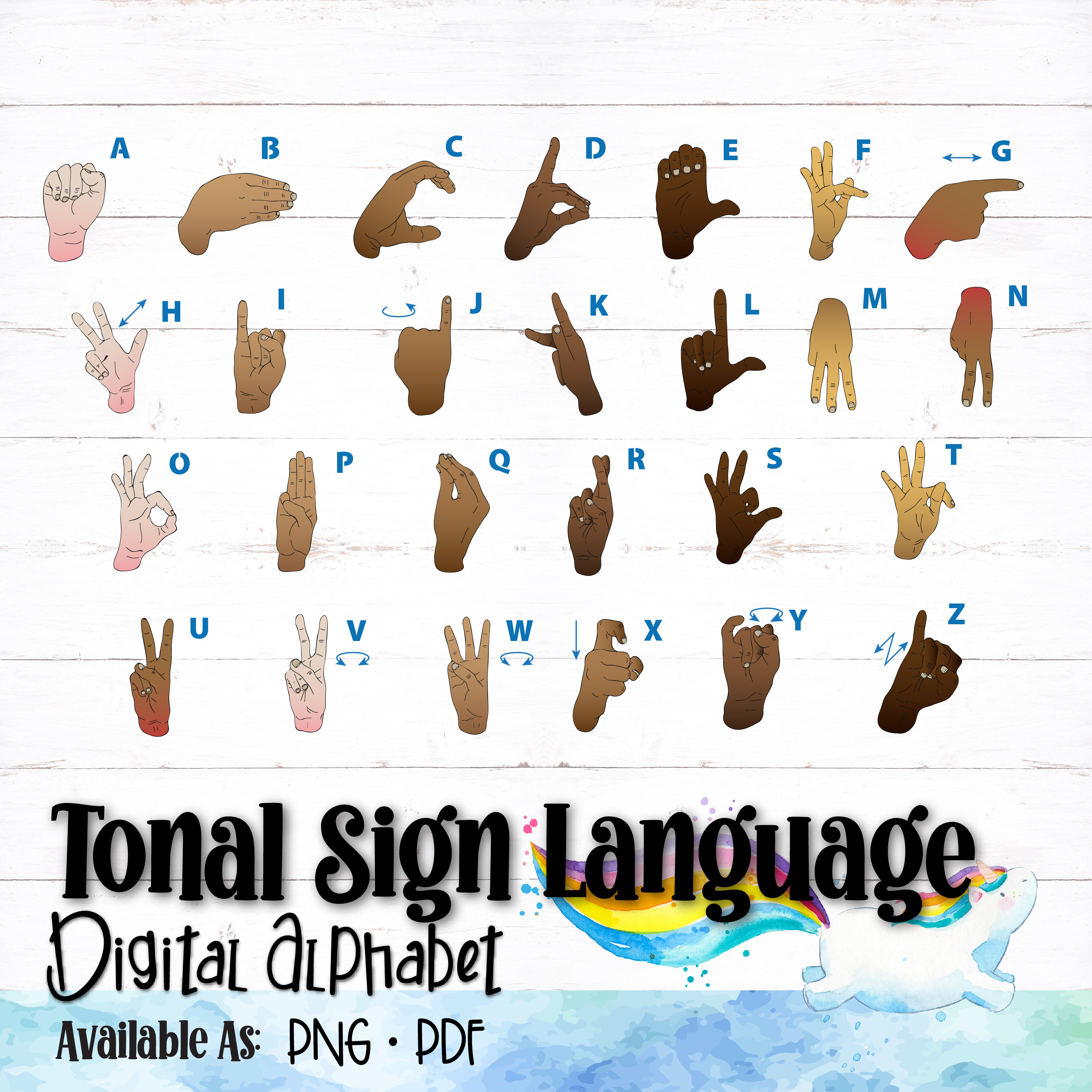
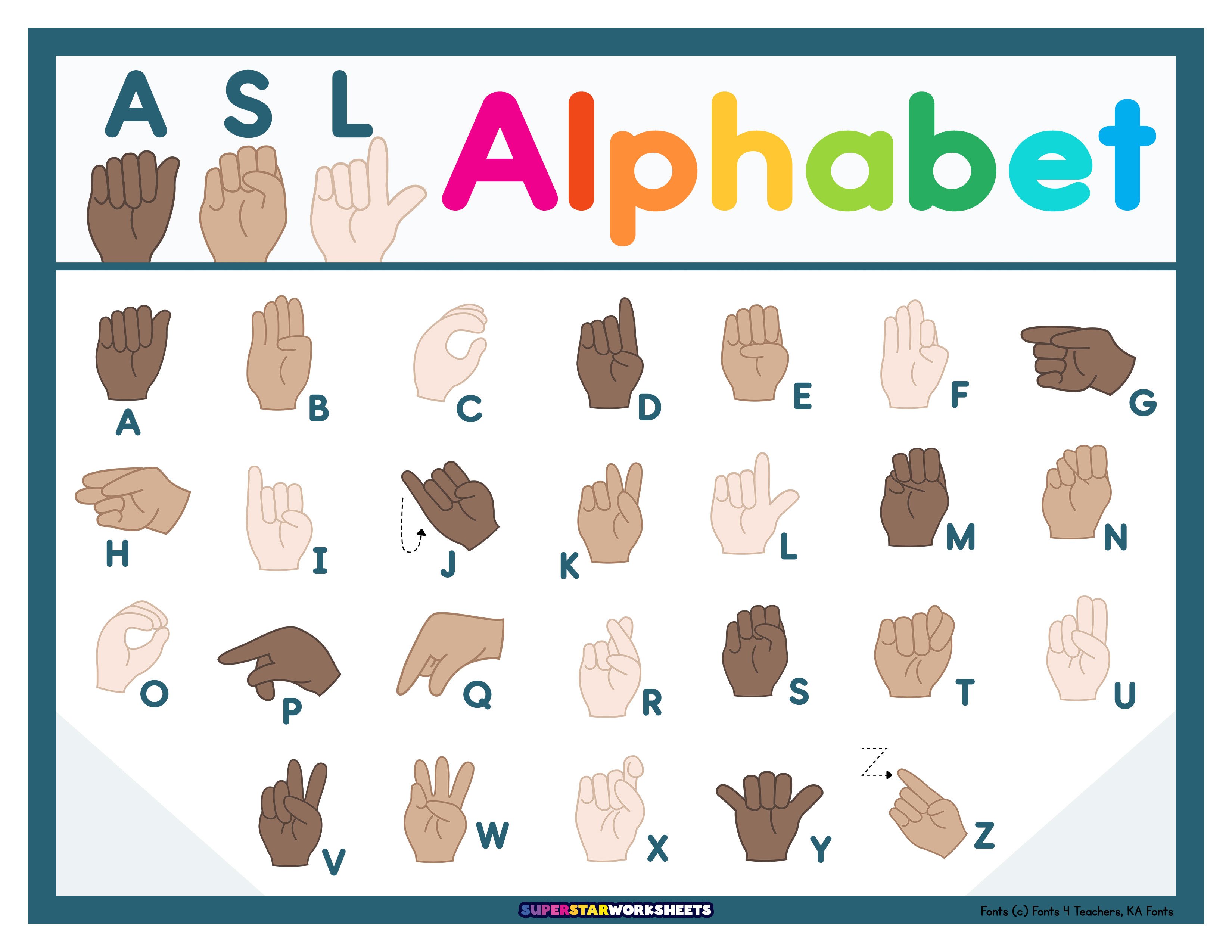
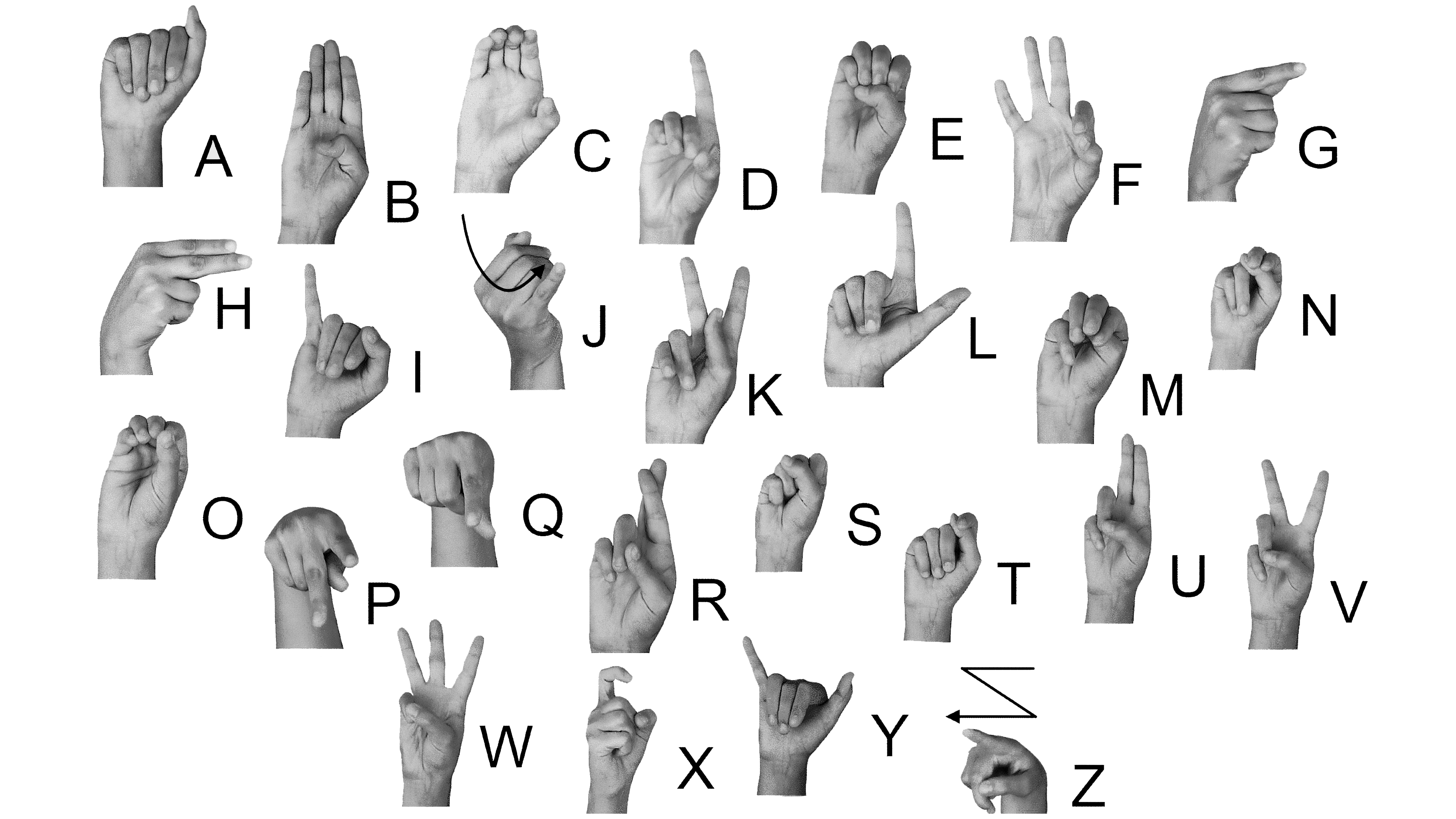
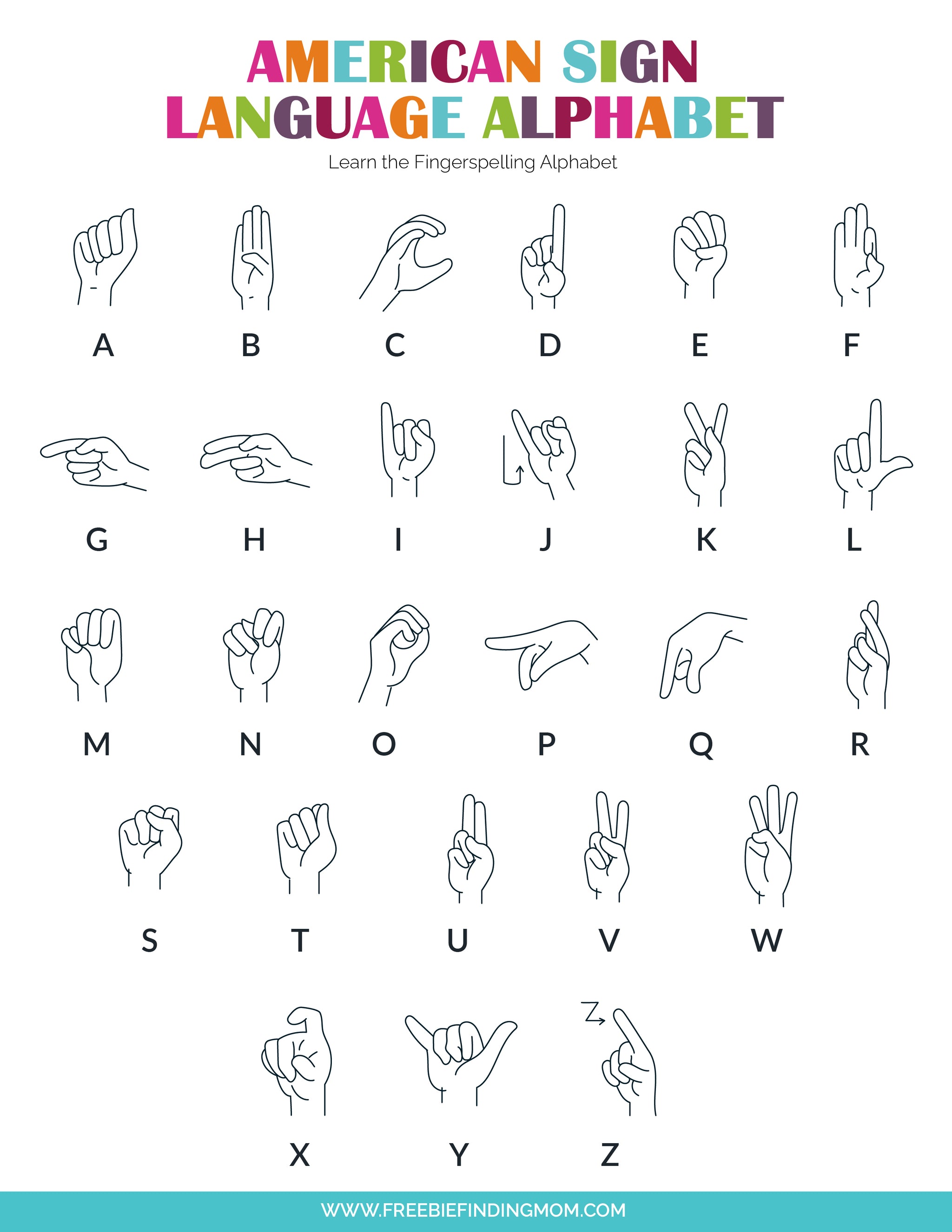
You're here, searching for that handy ASL alphabet chart, probably needing a quick refresh or a reliable reference. It's a simple yet powerful tool, this chart, a visual guide to the American Sign Language alphabet, offering a clear way to learn and use fingerspelling. Whether you're a beginner or just need a quick reminder, these charts are a handy resource, and they can vary slightly depending on where you find them.
The ASL Alphabet Chart: A Visual Guide
The ASL alphabet chart is a handy tool for anyone learning American Sign Language or wanting to communicate with the deaf community. It's a simple yet powerful reference, showing you the manual alphabet—the foundation of ASL fingerspelling.
Key Details: Understanding the Chart
The ASL alphabet chart displays the 26 letters of the English alphabet, each represented by a unique handshape and movement. These handshapes, or hand signs, are the building blocks of ASL fingerspelling. The chart usually includes clear images or illustrations of each letter, making it easy to visualize and remember.
Reading and Using the Chart: Step-by-Step
Here's how to make the most of your ASL alphabet chart:
- Start with the basics: Begin by familiarizing yourself with the handshapes for each letter. Practice forming these shapes with your dominant hand.
- Pay attention to movement: In ASL fingerspelling, letters are not only about the handshape but also the movement. Some letters involve a quick flick or twist, so observe the direction and speed indicated on the chart.
- Practice regularly: Repetition is key. Use the chart to guide your practice, spelling out words and names. Over time, the movements will become more natural.
- Learn common variations: While the ASL alphabet chart provides a standard, there are some common variations. For example, the letter "S" is often signed with a slight twist, and the letter "Z" may have a more exaggerated movement.
- Apply in context: The chart is a great starting point, but ASL fingerspelling is best learned in real-life conversations. Practice with a friend or join a sign language class to improve your skills.
Common Variations and Why They Happen
While the ASL alphabet chart offers a standard, variations can occur due to regional differences and individual styles. Here are some factors that may cause variations:
- Regional dialects: Just like spoken languages, ASL can have regional variations. Different areas may have slightly different handshapes or movements for certain letters.
- Individual expression: ASL is a visual language, and like any language, personal style can influence how signs are formed. Some signers may add a unique twist to certain letters.
- Context and fluency: As you become more fluent in ASL, you'll notice that fingerspelling often becomes more efficient and natural. This may lead to slight variations in speed or movement.
Avoiding Common Mistakes
To ensure accurate communication, here are some tips to avoid common mistakes when using the ASL alphabet chart:
- Don't rush: Take your time when learning and practicing. ASL fingerspelling is about clarity, so ensure your movements are precise and distinct.
- Practice consistency: Consistency is key. Try to maintain the same handshape and movement for each letter, even if you see variations in other signers.
- Seek feedback: If possible, practice with a fluent ASL user or a teacher. They can provide valuable feedback on your technique and help you refine your skills.
- Stay updated: ASL is an evolving language, so stay informed about any updates or changes to the manual alphabet. Regularly review your ASL alphabet chart to ensure you're using the most current version.
Hey there, I hope this guide has been a helpful reference for you! Remember, the ASL alphabet chart is a handy tool, and while the basics are the same, you might find slight variations in different contexts.
Don't stress over the small differences; just focus on the overall signs and their meanings. If you need a quick refresh on any language-related topics, feel free to explore our other guides too!
Related: How to Read the Newport Tide Chart?
You've landed here because you need a reliable, quick reference for your Newport tide chart. This essential tool, whether a chart, table, or diagram, provides crucial information for your planning and activities. It's a simple yet powerful resource, offering a snapshot of tidal movements and water levels for Newport and its surrounding areas.
The beauty of the Newport tide chart is its precision and ease of use. While the specific values and formats may vary depending on your region and the source of the data, the core purpose remains the same: to provide an accurate and accessible guide to Newport's tidal rhythms. Whether you're a sailor, fisherman, or just a curious beachgoer, this chart is your key to understanding and navigating the ebb and flow of Newport's waters.
Understanding Newport Tide Charts
Newport tide charts are an essential tool for anyone planning coastal activities, offering a glimpse into the ebb and flow of tide heights and water levels in the region. These charts provide a visual representation of the tidal patterns, helping users navigate the waters safely and efficiently.
Key Details and Categories
The newport tide chart typically displays two main categories: tide times and tide heights. Tide times indicate the specific moments when the tide will be at its highest or lowest points, often referred to as high tide and low tide. These times are crucial for planning activities such as boating, fishing, or beachcombing. Tide heights, on the other hand, represent the vertical difference between high and low tide, providing an understanding of the water's depth and movement.
Reading and Applying the Chart: A Step-by-Step Guide
- Begin by identifying the date and time for which you need the tide information. Newport tide charts often cover a specific period, so ensure you are referring to the correct chart for your intended activity.
- Locate the tide times on the chart. These are usually marked with clear indicators, such as "High Tide" and "Low Tide," along with the corresponding time.
- Once you have the tide times, you can plan your activities accordingly. For instance, if you're boating, you might want to time your departure or arrival with the high tide to ensure sufficient water depth.
- The tide heights section of the chart provides additional insights. It shows the difference in water levels between high and low tide, which is particularly useful for understanding the current flow rates and potential changes in water depth.
- Remember, these charts are a guide, and actual conditions may vary slightly due to weather or other environmental factors. Always exercise caution and stay updated with the latest weather reports and marine forecasts.
Common Variations and Safety Considerations
While newport tide charts are highly accurate, it's important to note that variations can occur due to several factors. Weather conditions, such as strong winds or storms, can influence tide levels and times. Additionally, certain coastal areas may experience unique tidal patterns due to their geographical features. It's crucial to cross-reference the chart with real-time observations and local knowledge, especially in unfamiliar locations. Safety should always be a priority when relying on tide charts, so stay informed and be prepared for any unexpected changes in tide behavior.
It's always a good idea to familiarize yourself with the unique tidal patterns of any new location you visit. While the Newport tide chart provides a reliable reference, remember that exact values can vary, so it's wise to double-check with local sources for the most accurate and up-to-date information.
Feel free to bookmark this page for future reference. It's a handy tool to have on hand when planning your next coastal adventure or activity, ensuring you're always prepared and making the most of the tides.
Related: Need a Seed Cycling Chart?
The seed cycling chart is a handy tool for those looking to support their menstrual cycle and hormone health naturally. It's a simple visual guide that outlines a seed cycling protocol, which involves consuming specific seeds at different phases of your cycle.
This guide will walk you through the basics, explaining how to read and use the seed cycling chart effectively. You'll discover the benefits of seed cycling, including its potential to promote hormone balancing and natural fertility. So, let's dive in and explore this fascinating and accessible practice!
Seed Cycling Chart: A Practical Guide
The seed cycling chart is a simple yet effective tool to guide you through the seed cycling protocol. It provides a visual representation of when to consume specific seeds during your menstrual cycle to support hormone balance and overall well-being. This chart is a handy reference for anyone looking to incorporate seed cycling into their daily routine.
Understanding the Phases and Categories
The seed cycling chart typically divides the menstrual cycle into two phases: the follicular phase and the luteal phase. Each phase has its own recommended seed combination. The chart will indicate which seeds to consume during these phases, usually flax and pumpkin seeds for one phase, and sesame and sunflower seeds for the other. It's important to note that the chart may vary slightly depending on the source and individual needs.
Seed Rotation Guide: Step-by-Step
Here's a simple guide on how to read and use the seed cycling chart:
- Identify your cycle: Determine the length of your menstrual cycle. The average cycle is around 28 days, but it can vary. Count from the first day of your period to the day before your next period starts.
- Divide your cycle: The follicular phase typically lasts from day 1 to ovulation, which is usually around day 14 for a 28-day cycle. The luteal phase begins after ovulation and continues until the start of your next period.
- Follow the chart: During the follicular phase, incorporate flax and pumpkin seeds into your diet. You can grind them and add them to smoothies, yogurt, or salads. For the luteal phase, switch to sesame and sunflower seeds.
- Daily intake: Aim for approximately 1-2 tablespoons of the recommended seeds each day during their respective phases. You can adjust the quantity based on your personal preference and dietary needs.
- Repeat the cycle: Continue this seed rotation with each menstrual cycle to support hormone balance and overall health.
Potential Variations and Considerations
While the seed cycling chart provides a general guide, it's important to note that individual variations may occur. Here are some factors to consider:
- Cycle length: If your cycle is shorter or longer than average, adjust the seed rotation accordingly. Consult a healthcare professional for personalized advice.
- Seed allergies: Be mindful of any seed allergies or sensitivities. Always introduce new foods gradually and monitor for any adverse reactions.
- Storage and preparation: Proper storage and preparation are key. Store seeds in a cool, dry place, and consider grinding them fresh for maximum nutritional value.
- Dietary supplements: Seed cycling is a natural approach, but it may be combined with other dietary supplements for additional support. Consult a healthcare provider for guidance.
Remember, the seed cycling chart is a tool to support your overall health and well-being. It's always a good idea to seek professional advice, especially if you have specific health concerns or conditions.
Hey there, we hope this seed cycling chart has been a helpful tool for you! While the basics remain the same, you might find that the exact details can differ slightly depending on your specific needs and sources.
So, keep this guide handy and feel free to explore our other practical reference articles for more quick tips and tricks. We're here to make your life easier, one chart at a time!