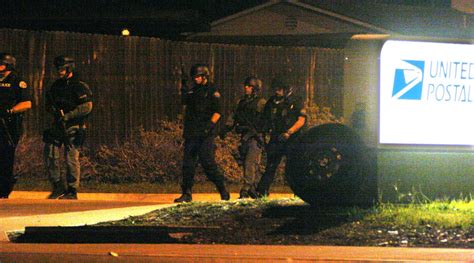
The Goleta postal shooting refers to a tragic incident that occurred on January 30, 2006, in Goleta, California, where a former postal worker shot and killed several people before taking her own life. This event is a stark reminder of the complexities of workplace violence and the devastating impact it can have on communities.
To understand the events leading up to the shooting, it’s essential to examine the background of the perpetrator, Jennifer San Marco. San Marco, 44 at the time of the incident, had been a postal worker but was fired in 2003 due to her erratic behavior. Following her dismissal, she demonstrated signs of instability and had become increasingly reclusive. Her actions on that fateful day were the culmination of a deep-seated anger and resentment, likely fueled by her feelings of injustice and isolation.
On the morning of January 30, 2006, San Marco arrived at the United States Postal Service (USPS) facility in Goleta, armed with a 9mm pistol. She had a clear intent to target her former coworkers, whom she held responsible for her termination. San Marco’s rampage resulted in the deaths of six people: Beverly Graham, 54; Charlotte M. Buccieri, 47; Deborah Pfeffer, 47; Zeke Contreras, 39; Maleka Higgins, 28; and Guadalupe Swartz, 52. Before taking her own life, San Marco also injured another individual.
The postal facility, like many workplaces, was presumed to be a safe environment for its employees. The Goleta shooting shattered this perception, highlighting the need for more stringent workplace violence prevention measures. In the aftermath of the incident, the USPS reinforced its policies on employee conduct and workplace safety, recognizing the importance of addressing potential threats before they escalate into violent acts.
Immediate Response and Investigation
The immediate response to the shooting was swift, with local law enforcement and emergency services rushing to the scene. The Santa Barbara County Sheriff’s Office, in collaboration with federal agencies, launched an investigation into the incident. The probe aimed to understand the motivations behind San Marco’s actions and to identify any lapses in security or preventive measures that could have contributed to the tragedy.
The investigation revealed that San Marco had been planning the attack for some time, as evidenced by her acquisition of the firearm and her reconnaissance of the postal facility. It also highlighted the challenges faced by law enforcement and mental health professionals in identifying and intervening in cases of potential workplace violence before they culminate in tragic events.
Aftermath and Legacy
The Goleta postal shooting sent shockwaves through the community, leaving families and friends of the victims to grapple with the aftermath. The incident led to a renewed focus on mental health support for individuals facing job loss or work-related stress, as well as enhanced security measures at postal facilities nationwide.
In the years following the shooting, there has been an increased emphasis on preventing workplace violence through early identification of potential risks, improving workplace culture, and fostering an environment where employees feel supported and valued. The tragedy also underscored the importance of addressing the stigmatization of mental health issues, encouraging individuals to seek help when needed, and providing resources for those struggling with feelings of anger, resentment, or isolation.
Prevention Strategies and Future Directions
Preventing workplace violence incidents like the Goleta postal shooting requires a multi-faceted approach. Employers must prioritize creating a safe and respectful work environment, where employees feel comfortable reporting concerns or seeking help. Implementing robust employee assistance programs (EAPs), which include counseling services and support for managing stress and conflict, is crucial.
Moreover, enhancing communication between employees, management, and law enforcement can help identify potential threats early on. This includes fostering an open-door policy where employees feel empowered to report suspicious behavior or concerns about coworkers without fear of reprisal.
The incident also highlights the need for a comprehensive national strategy to address workplace violence, including the development of standardized protocols for threat assessment and intervention. Collaboration between mental health professionals, law enforcement agencies, and employers is essential in preventing such tragedies and ensuring that workplaces remain safe and secure for all employees.
Conclusion
The Goleta postal shooting is a poignant reminder of the devastating consequences of unchecked anger and violence in the workplace. It underscores the importance of vigilance, proactive measures to prevent such incidents, and the need for a supportive environment that encourages employees to seek help when needed. By learning from this tragedy and implementing effective prevention strategies, we can work towards creating safer, more resilient workplaces for everyone.
FAQ Section
What were the main factors that contributed to the Goleta postal shooting?
+The main factors included the perpetrator’s history of erratic behavior, her termination from the postal service, and the lack of adequate support or intervention to address her deteriorating mental state and increasing anger towards her former employer and coworkers.
How has the incident impacted workplace safety policies?
+The incident led to a significant overhaul of workplace safety policies, particularly within the USPS, including enhanced security measures, improved employee assistance programs, and a greater emphasis on identifying and addressing potential threats before they escalate into violence.
What can be done to prevent similar incidents in the future?
+Prevention strategies include creating a supportive work environment, implementing robust threat assessment and intervention protocols, enhancing communication between employees and management, and providing accessible mental health support services. A multi-faceted approach that involves employers, employees, law enforcement, and mental health professionals is essential in mitigating the risk of workplace violence.