



Graco Tip Chart Easy Overview
A flange size chart is a handy tool for anyone working with pipes and fittings, offering a quick visual guide to ensure precision. This guide will provide an overview of what these charts entail and how they can assist in your projects.
The charts present flange dimensions and pipe flange sizes, often with nominal pipe size indications, to help you select the right components. While values may vary based on standards and regions, the flange size chart serves as a reliable starting point for your measurements and specifications.
Understanding the Flange Size Chart: An Overview
The flange size chart is a valuable reference tool for anyone working with pipes and their connections. It provides a quick and clear overview of the various flange dimensions, helping you select the right size and type for your specific needs. This chart is a crucial guide, ensuring accurate installations and avoiding potential issues.
Comparing Flange Size Standards and Formats
Flange size charts can vary depending on the standard being used. Two common standards are the ASME (American Society of Mechanical Engineers) and the international metric system. These standards define different categories and measurements for flanges. For instance, the ASME standard uses nominal pipe size and pressure rating to categorize flanges, while the metric system focuses on pipe diameter and bolt circle dimensions.
Reading Flange Sizes: A Step-by-Step Guide
- Identify the Standard: Begin by determining which standard your project follows. Whether it's ASME or metric, this choice will guide your chart selection.
- Locate the Flange Type: The chart typically lists common flange types, such as weld neck, slip-on, and threaded flanges. Find the one that matches your application.
- Read the Dimensions: For each flange type, the chart provides key dimensions. Look for the nominal pipe size or pipe diameter, as well as the flange pressure rating or bolt circle diameter. These values are essential for selecting the right flange.
- Check Tolerances: Some charts may also include tolerance ranges. These indicate the acceptable variations in dimensions, ensuring a proper fit.
Common Misreadings and How to Avoid Them
One common mistake is assuming that all flange size charts are universal. Always double-check the standard and ensure it aligns with your project's requirements. Additionally, pay close attention to the units used. Some charts may use inches, while others prefer millimeters, so conversions might be necessary.
Factors Affecting Accuracy and Real-World Use
Several factors can influence the accuracy of your flange selection. Firstly, the pressure rating of the flange must match the expected pressure in your system. Secondly, consider the material of the flange. Different materials have varying strength and corrosion resistance, so choose wisely. Lastly, ensure the bolt circle matches the bolt pattern on your equipment to avoid misalignments.
Adapting the Flange Size Chart for Specific Needs
If you have unique requirements, you might need to adapt the flange size chart. For instance, if you're working with large-diameter pipes, you may need to consult specialized charts or calculate dimensions manually. Similarly, if you're dealing with extreme pressure or temperature conditions, you might require custom-made flanges.
Keeping Your Reference Reliable for Future Projects
To ensure reliability, regularly update your flange size chart. Standards and regulations can evolve, so staying informed is crucial. Additionally, consider creating a digital or physical reference library, organizing charts by standard and application. This way, you'll have quick access to the right chart for any future project.
Well, there you have it, a comprehensive guide to flange size charts and their practical applications. We've covered a lot of ground, from understanding the different standards and formats to navigating potential pitfalls and ensuring accuracy.
Remember, when it comes to flange size charts, context is key. Double-check your specific requirements and ensure you're using the right chart for your needs. It's always a good idea to keep this guide handy, so bookmark this page for future reference. You never know when you'll need a quick reminder on flange sizes!
Related: How to Read a Ski Length Chart
Many skiers assume that a ski length chart is a one-size-fits-all guide, but it's actually a flexible tool with some room for personal preference. While these charts provide a great starting point, they're not set in stone.
So, when you see a ski length chart, don't be afraid to experiment a little. Values can vary, and it's worth considering your skill level and the type of skiing you prefer. You might find a slightly longer or shorter ski suits your style better. It's all about finding the right fit for you!
Ski Length Chart: A Quick Guide
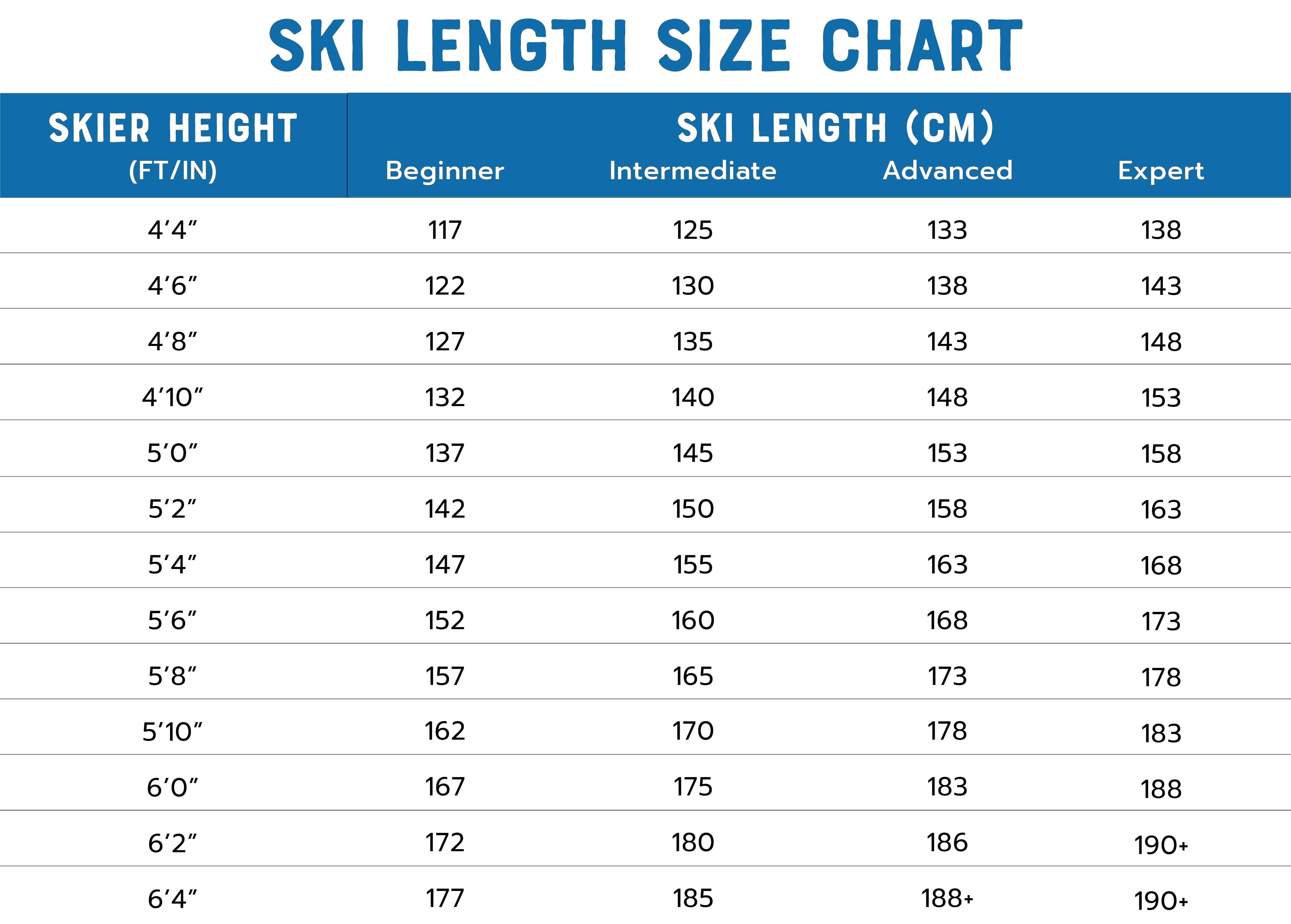
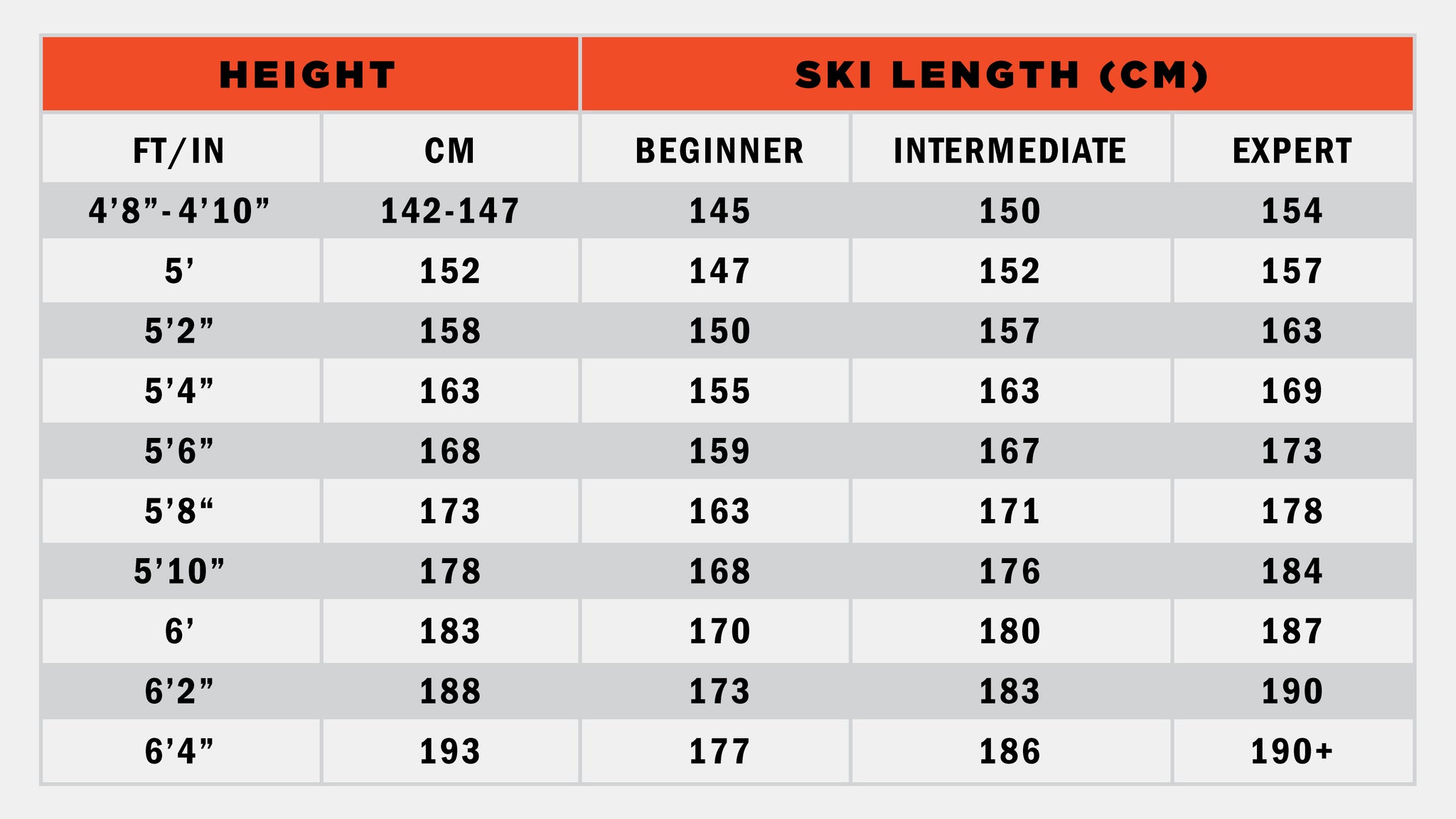
A ski length chart is a simple tool to help you choose the right skis for your height and skill level. It's a handy reference to ensure you get the optimal ski length for your needs, whether you're a beginner or an experienced skier.
Key Details and Categories
The chart typically displays a range of heights, usually in inches or centimeters, along with the corresponding recommended ski lengths. These lengths are often given in centimeters and are categorized by skill level: beginner, intermediate, and advanced. Some charts may also include additional factors like weight or specific ski types.
How to Read and Apply the Chart
Reading a ski length chart is straightforward. First, identify your height on the chart. Then, find the recommended ski length for your skill level. Here's a step-by-step guide:
- Locate your height: Look for the column or row that matches your height. If your height falls between two values, you can estimate or choose the closest length.
- Determine your skill level: Identify whether you're a beginner, intermediate, or advanced skier. Most charts will provide recommendations based on these skill levels.
- Choose your ski length: Find the intersection of your height and skill level. This will give you the recommended ski length. For example, if you're 5'8" tall and an intermediate skier, the chart might suggest a ski length of 165 cm.
Variations and Differences
It's important to note that ski length charts can vary depending on the standard used. Different regions and manufacturers may have slightly different recommendations. Additionally, some charts may offer more detailed suggestions, considering factors like weight and ski type. These variations ensure a more personalized ski length recommendation.
Common Mistakes and How to Avoid Them
One common mistake is relying solely on height without considering skill level. Remember, the chart takes both into account. Another pitfall is ignoring specific ski types. If you're using a particular type of ski, like powder skis or racing skis, ensure the chart accounts for this or seek a specialized chart.
Practical Tips for Accurate Results
To ensure you get the best fit, consider these tips:
- If you're between two sizes, err on the side of shorter skis. Longer skis can be more challenging to control, especially for beginners.
- Don't be afraid to seek advice from ski shop experts. They can provide personalized recommendations and ensure a perfect fit.
- If you're an advanced skier, you may prefer a longer ski for more speed and stability. However, ensure you have the skills to handle them.
Double-Checking and Handling Exceptions
While ski length charts are a great starting point, it's always wise to double-check with a professional. They can assess your skiing style and preferences and ensure the recommended length suits your needs. Additionally, if you have specific requirements, like adaptive skiing equipment, consult a specialist to ensure the best fit.
Well, there you have it! A ski length chart is a handy tool, but remember, it's a guide, and exact values can differ. Always consider your personal preferences and the specific conditions you'll be skiing in.
Don't forget to take a moment and ensure you've covered all your bases before hitting the slopes. And hey, if you're keen to learn more, we've got a bunch of other guides on similar topics that might interest you. Happy reading and skiing!
Related: Bike Length Chart: A Comprehensive Guide
A bike length chart is often misunderstood as a complex and confusing tool, but it's actually a simple and handy reference for any cyclist. Many riders assume it's an exact science, but the truth is, these charts are versatile and offer a range of options.
While it's a great starting point, the measurements can vary depending on your riding style and preferences. The chart provides a guide, but you can adjust and personalize your bike setup with a few simple checks, like seat height and reach.
Understanding the Bike Length Chart
The bike length chart is a handy tool for cyclists, offering a simple guide to choosing the right bike size. It's a reference point, helping you find the ideal fit for your height and riding style. This chart is a great starting point, but it's important to remember that it's not an exact science; there are other factors to consider too.
Comparing Bike Size Options
Bike size charts typically list bike frame sizes, often in inches or centimeters, and match them to rider height. You'll find charts for different bike types, like road, mountain, or hybrid bikes, each with its own size standards. These charts may also include other measurements like wheel diameter and seat height, offering a more comprehensive guide.
Choosing the Right Size: A Step-by-Step Guide
Start by identifying your primary use for the bike. Different riding styles require different fits. For example, a road bike might need a more aggressive position, while a leisure rider might prefer a more upright, comfortable position.
Check your height and compare it to the chart. Most charts will have a range of heights for each frame size, so find the one that best fits your height.
Consider your comfort and riding style. If you're between sizes, choose the larger frame for a more relaxed position, or the smaller for a more aggressive, performance-oriented fit.
Don't forget about other measurements. Check the wheel diameter and seat height to ensure they align with your preferences and riding needs.
Common Misreadings and How to Avoid Them
It's easy to misinterpret a bike length chart. One common mistake is assuming the chart is an exact science. While it's a great guide, it's not a guarantee of a perfect fit. Another pitfall is forgetting to consider other measurements, like reach and standover height, which can impact comfort and safety.
Factors Affecting Accuracy
Several factors can influence the accuracy of your bike size choice. These include your riding style, personal preferences, and the specific brand and model of the bike. It's always a good idea to double-check the exact specifications and tolerances of the bike you're interested in. Some brands may have slightly different standards, so it's worth checking their size guides too.
Well, there you have it! A handy bike length chart is a great tool to have in your cycling toolkit. It offers a quick and easy reference, but remember, it's always good to double-check the specific details for your bike's make and model.
Exact values can vary slightly, so it's best to confirm with your bike's manufacturer or a trusted bike shop. This chart is a brilliant starting point, but your bike's unique features might require a little extra attention. So, keep this page bookmarked for future reference, and you'll always have a quick and handy guide to refer to when needed!