

Grammar Exercises Negative Sentence Overview
Many folks mistakenly assume that an fsu depth chart is only for die-hard fans or coaches, but it's actually a handy tool for any FSU football enthusiast. It's not as complex as it may seem; think of it as a simple map guiding you through the team's lineup.
This chart offers a quick snapshot of the players and their positions, providing an easy reference for understanding the game and following the action. Whether you're tracking the fsu football roster or just want a clear view of the starting lineup, the depth chart has you covered.
Understanding the FSU Depth Chart
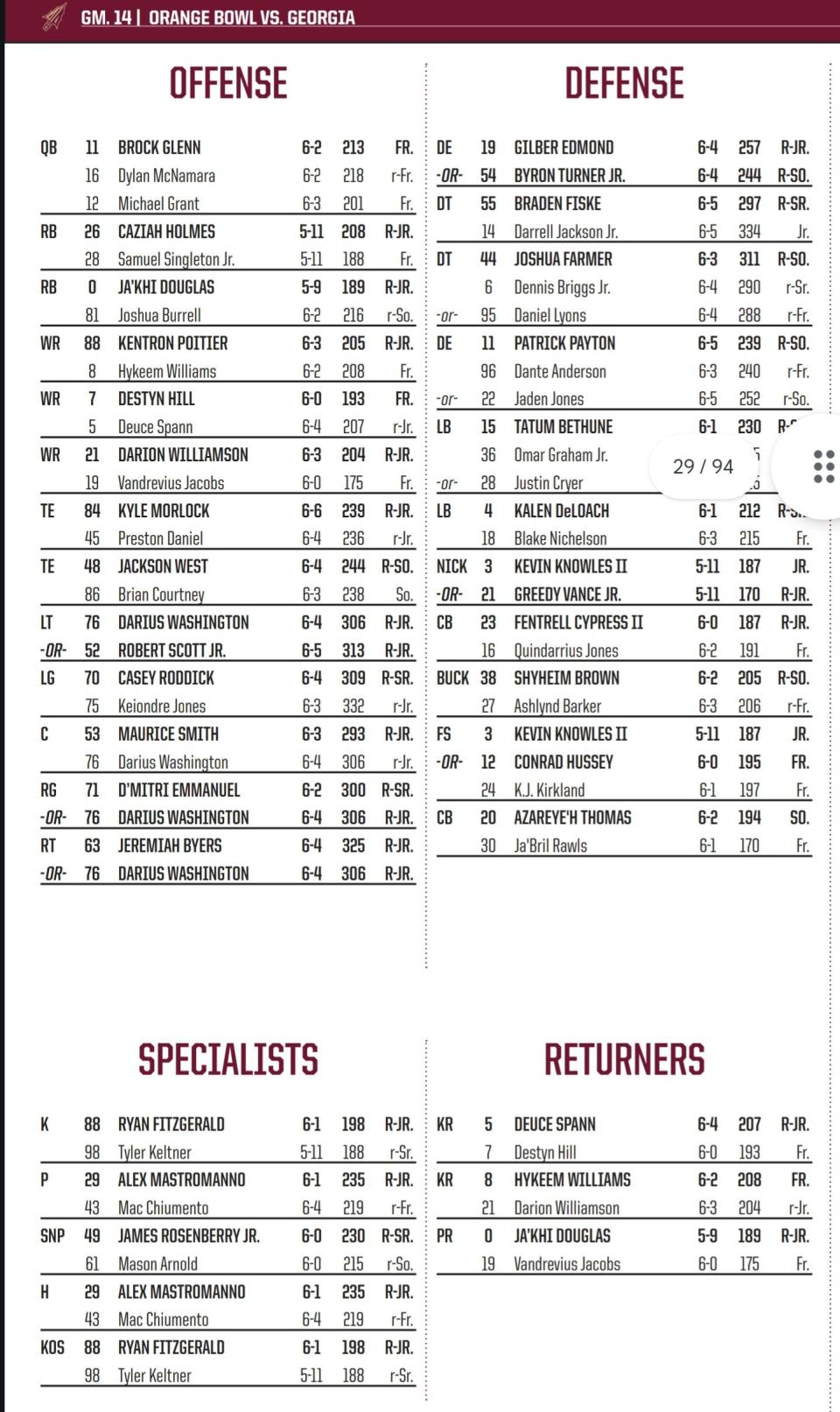
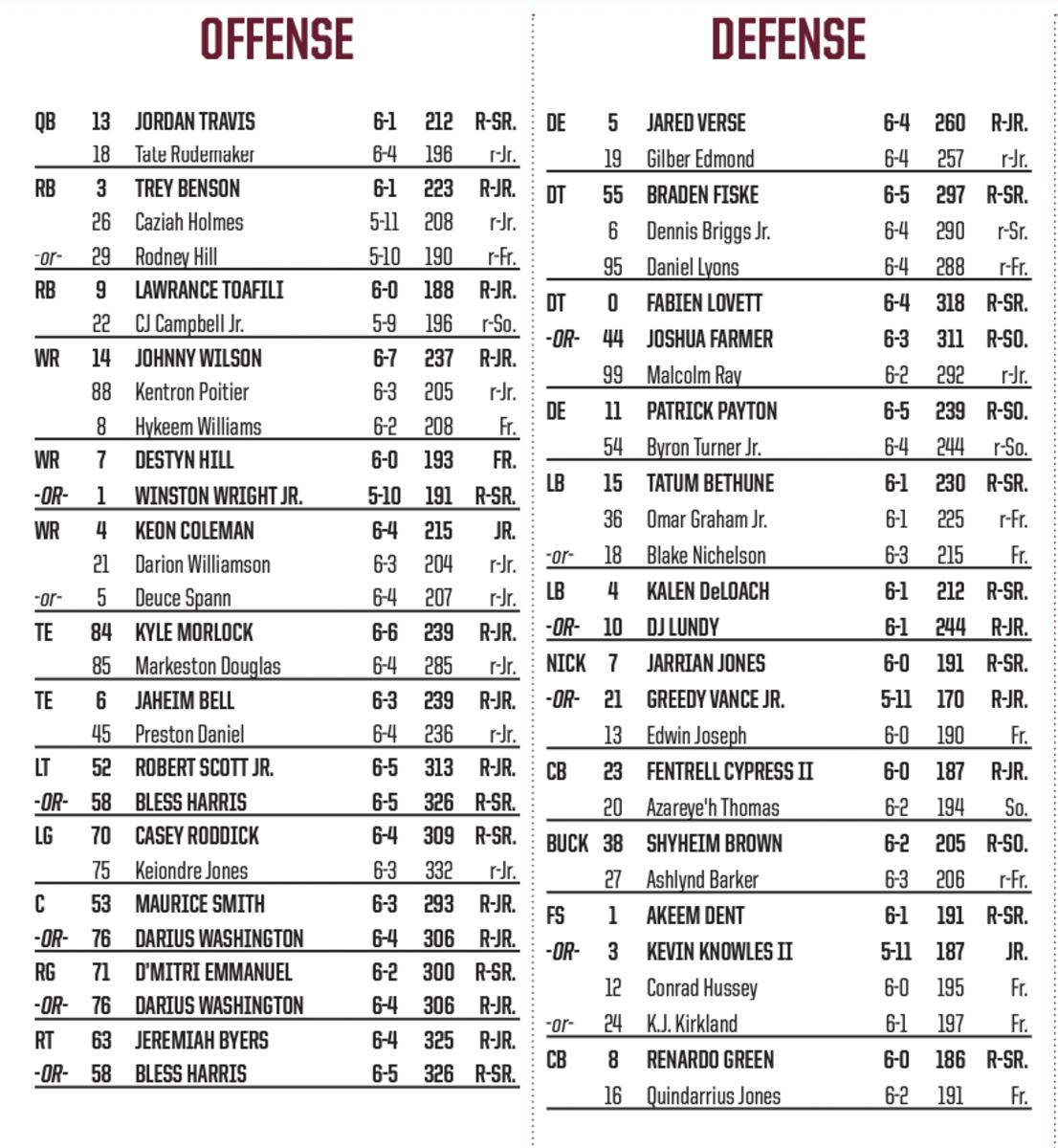
The FSU depth chart is a valuable tool for any fan or follower of Florida State University football. It's a visual representation, often in the form of a table or diagram, that outlines the team's roster and player positions. This chart provides an overview of the depth and talent within the team, giving you a quick glimpse of who's on the squad and their roles.
Comparing Key Positions and Formats
When you look at an FSU depth chart, you'll notice columns representing different player positions, such as quarterback, running back, wide receiver, and so on. Each position has a starter and often multiple backup options listed in order of their depth. The chart may also include additional columns for key stats, like height, weight, and year in school, providing a quick reference for player attributes.
Reading and Interpreting the Chart
To read the FSU depth chart effectively, follow these steps:
Identify the position columns. These are usually labeled clearly, such as "QB" for quarterback or "RB" for running back.
Locate the starter for each position. They are typically listed first, often in bold or highlighted in some way.
Scan the backup options. These are usually listed in order of their depth, so the second player is the primary backup, the third is the secondary backup, and so on.
Take note of any special teams or utility players. These are often listed separately and may have unique roles or positions.
Compare players within positions. The chart can help you see how the starters and backups stack up against each other in terms of experience, size, and other attributes.
Common Misreadings and Pitfalls
It's important to remember that the FSU depth chart is a snapshot in time and can change rapidly. Here are some potential misreadings and how to avoid them:
Don't assume starters are set in stone. Coaches may rotate players or make changes based on performance, injuries, or strategy.
Be aware of injuries or suspensions. These can impact the depth chart significantly, so always check for the latest updates.
Understand the difference between game-day and practice depth charts. The latter may include more players and provide a broader view of the team's talent pool.
Factors Affecting Depth Chart Accuracy
The accuracy of the FSU depth chart can be influenced by several factors:
Player performance and development: As players improve or regress, their depth chart ranking may change.
Injuries and health: These can impact a player's availability and depth chart position.
Recruiting and transfers: New players joining the team can affect the depth chart, especially if they are highly ranked recruits or experienced transfers.
Coaching decisions: The coaching staff's strategies and preferences play a significant role in depth chart rankings.
Game performance: Strong or weak performances in games can influence a player's standing on the depth chart.
Remember, the FSU depth chart is a dynamic tool, and while it provides a great overview, it's always wise to stay updated with the latest news and analysis to fully understand the team's depth and talent.
Hey there! We've covered a lot of ground with the FSU depth chart, and it's great to have a solid understanding of this useful tool. Remember, while we've outlined the basics, the specifics might differ slightly based on your unique circumstances.
Don't forget to explore other guides on our site; there's a wealth of knowledge waiting to be discovered. It's always beneficial to expand your horizons and learn about different aspects of these charts and their applications. Happy reading and learning!
Related: Understand Door Handing Chart: A Visual Guide
You're probably here because you need a quick answer, right? Well, if you're looking for a door handing chart, you've come to the right place. It's a simple yet handy reference tool that tells you everything you need to know about door handing and its direction. This chart provides a clear visual guide, ensuring you get the door swing direction right, every time. Whether it's for a new installation or a quick fix, the door swing chart is your go-to resource, offering a standard way to determine the door handing direction and hinge placement.
Understanding the Chart: A Quick Overview
The door handing chart is a handy tool that simplifies the process of determining a door's handing and swing direction. It provides a visual reference, typically in the form of a diagram or table, to help you understand how a door should be installed and which way it should open. This chart is especially useful for ensuring proper door installation and functionality.
Comparing Handing Directions: Left, Right, and More
The door handing chart categorizes doors based on their handing direction, which refers to the side from which the door is opened. It usually includes categories like "left-hand inswing" and "right-hand outswing," indicating whether the door opens inward or outward and from which side. These categories are essential for accurate installation.
Step-by-Step Guide to Using the Chart
- Identify the Door: Start by examining the door you want to install or understand. Note its size, shape, and any unique features.
- Locate the Hinge Side: Determine which side of the door has the hinges. This is crucial for identifying the handing direction.
- Refer to the Chart: Consult the door handing chart and find the category that matches your door's hinge placement and swing direction.
- Follow the Chart's Instructions: The chart will provide clear guidance on how to install the door based on its handing. It may include visual aids or written instructions.
- Double-Check: Always verify the measurements and ensure they align with the door's specifications to avoid installation issues.
Common Misreadings and How to Avoid Them
Misinterpreting the door handing chart can lead to installation errors. One common mistake is assuming all doors swing the same way. Remember, the chart provides specific directions for each door type. Another pitfall is ignoring the hinge placement. Always consider the hinge side when referring to the chart. Additionally, be aware that some charts may use different symbols or terminology, so familiarizing yourself with the specific chart's conventions is essential.
Factors Affecting Accuracy and Real-World Use
Several factors can influence the accuracy of the door handing chart. First, ensure you are using the correct chart for your region or standard. Measurements and categories may vary, so double-check the applicable standards. Additionally, consider the door's intended use and any specific requirements, such as security or accessibility features, which might impact the handing direction. Finally, always refer to the manufacturer's guidelines, as they may provide additional specifications or recommendations.
Well, there you have it! A handy door handing chart can make your life so much easier, especially when you're dealing with different door types and their specific requirements. Remember, it's always a good idea to double-check your measurements and ensure you're following the right guidelines for your project.
Feel free to explore our other guides; we've got plenty of practical tips and tricks to share. Happy DIY-ing, and don't forget to keep those doors swinging smoothly!
Related: Uncover the Hair Levels Chart: Your Styling Guide
You're here, searching for a hair levels chart, a handy tool to help you understand your hair's characteristics. This chart is a simple yet effective way to visualize and assess your hair's thickness, density, and overall volume. It provides a quick reference, offering a snapshot of your hair's current state and a guide to track any changes over time. With various formats and standards, these charts offer a standardized way to measure and compare hair, ensuring an accurate and reliable assessment.
Understanding the Hair Levels Chart: Your Guide to Hair Volume
The hair levels chart is a handy tool to understand and categorize your hair's volume and thickness. It provides a simple, visual way to assess your hair's characteristics, which can be useful for styling, product selection, and even tracking hair growth progress. This chart typically uses a scale or a set of categories to describe hair volume, offering a quick reference for everyday use.
Comparing Hair Volume Standards: A Range of Options
There are various ways to categorize hair volume, and different charts may use different standards. Some common scales include a simple 1 to 10 scale, with 1 being the finest hair and 10 the thickest. Others might use a more detailed system, like a 1 to 20 scale, offering a broader range of options. Additionally, some charts might categorize hair into broad types, like "thin," "medium," and "thick," providing a more general overview.
Step-by-Step Guide: Using the Hair Levels Chart
- Start by gathering a small section of clean, dry hair, preferably from the top of your head.
- Hold the hair between your fingers and assess its thickness. Compare it to the visual representations or descriptions on your chosen hair levels chart.
- Match the thickness of your hair to the corresponding category or number on the chart. This will give you an idea of your hair's volume level.
- For a more precise assessment, you can count the number of hairs in the section you've gathered. This follicle count guide can provide additional insight into your hair's density.
Common Misconceptions and How to Avoid Them
One common mistake is assuming that the hair levels chart is a universal standard. While it provides a useful framework, it's important to note that hair characteristics can vary widely, and individual differences may not always fit neatly into these categories. Additionally, hair can change over time due to various factors, so regular assessments are beneficial. Always refer to the specific chart's instructions and consider any additional notes or explanations provided.
Factors Affecting Accuracy: Real-World Considerations
Several factors can influence the accuracy of your hair levels chart assessment. These include your hair's natural texture, whether it's curly, straight, or somewhere in between, as well as its overall health and condition. Environmental factors, such as humidity, can also temporarily affect your hair's volume and texture. It's essential to consider these variables when using the chart and to be aware that your hair's level may fluctuate. Regular assessments and a consistent approach will provide the most accurate results over time.
Hey there! We've covered a lot of ground in this post, and I hope it's given you a clear idea of how to navigate the hair levels chart and its various aspects. Remember, while the basics remain the same, there might be slight variations in the details, so always refer to the most relevant and up-to-date sources for your specific needs.
If you found this guide helpful, why not explore some of our other practical articles? We've got a range of topics that might just simplify your life, from organizing tips to handy reference guides. So, feel free to browse and discover more ways to make your daily routines a breeze!