




Grammar Exercises Upper Intermediate Overview
"Wow, that construction site looks busy! I wonder how they plan and cost all these projects. It must be a lot of work, and someone has to do it. I'm curious about junior estimator salaries and what that job entails."
Estimating: The Foundation of Construction
As a building project begins, someone has to estimate the costs. That's where junior estimators come in. They play a crucial role in the early stages, helping to shape the financial plan. It's a detailed process, and their work affects the entire project. So, what does a junior estimator do, and what can you expect from this role?
Estimators gather data, analyze costs, and create detailed reports. They consider materials, labor, and any specific requirements. It's a precise job, and estimators must be accurate to avoid costly mistakes. They work with contractors, architects, and clients to ensure everyone is on the same page. The role is an important one, and it's a great starting point for a career in construction.
A Day in the Life of a Junior Estimator
A typical day might involve researching and comparing prices for materials. Estimators need to find the best deals without compromising quality. They also calculate labor costs, considering the scope of the project and the required skills. It's a balancing act, ensuring the estimate is competitive while also being realistic. Junior estimators often work with more experienced colleagues, learning the trade and developing their skills.
Finding a Junior Estimator Role
If you're interested in this field, you'll likely find opportunities with construction companies, remodeling firms, and even larger building organizations. It's a role often filled by recent graduates or those with some relevant experience. When looking for jobs, check online job boards and company websites. You might also find openings through industry connections or by approaching companies directly.
What to Expect from the Salary
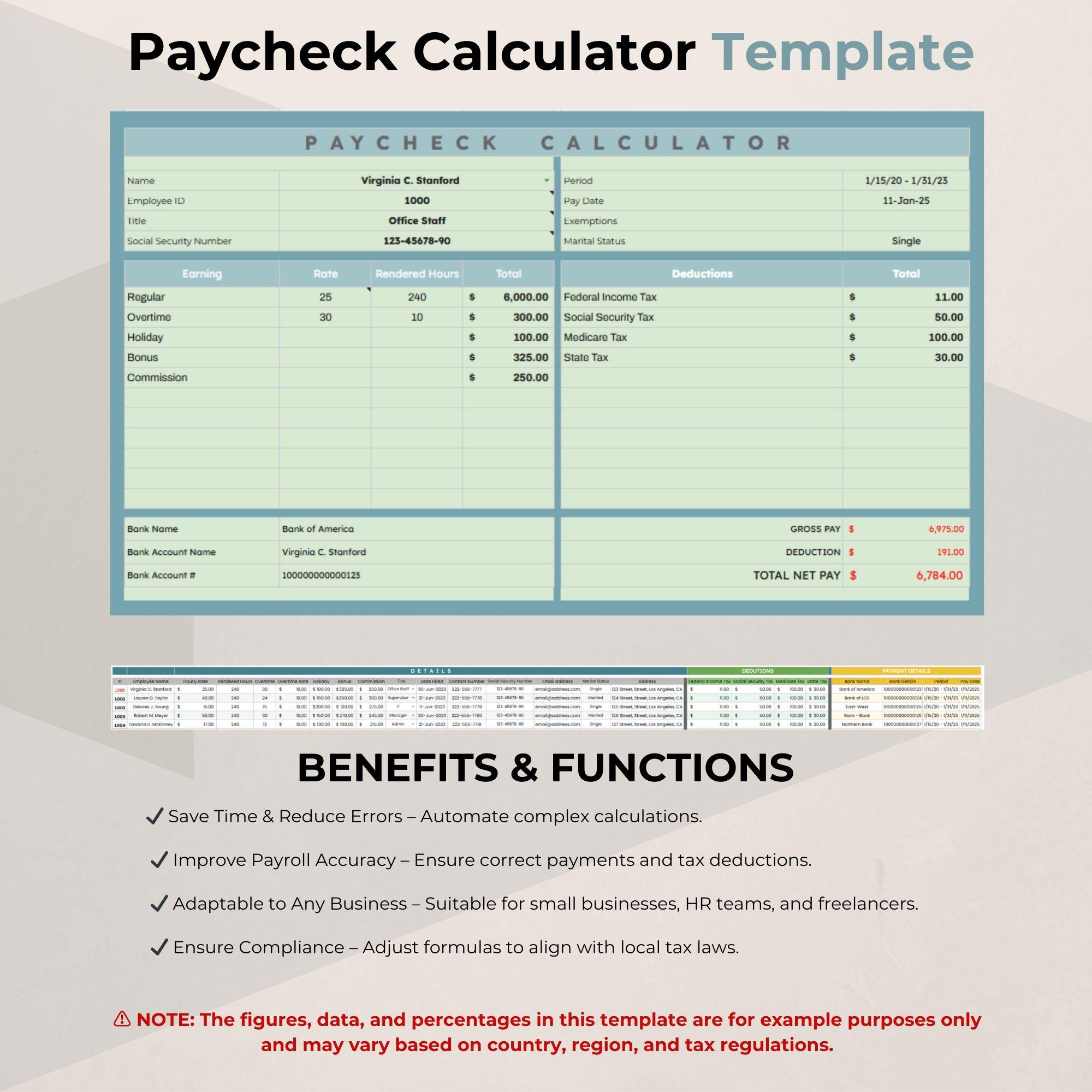
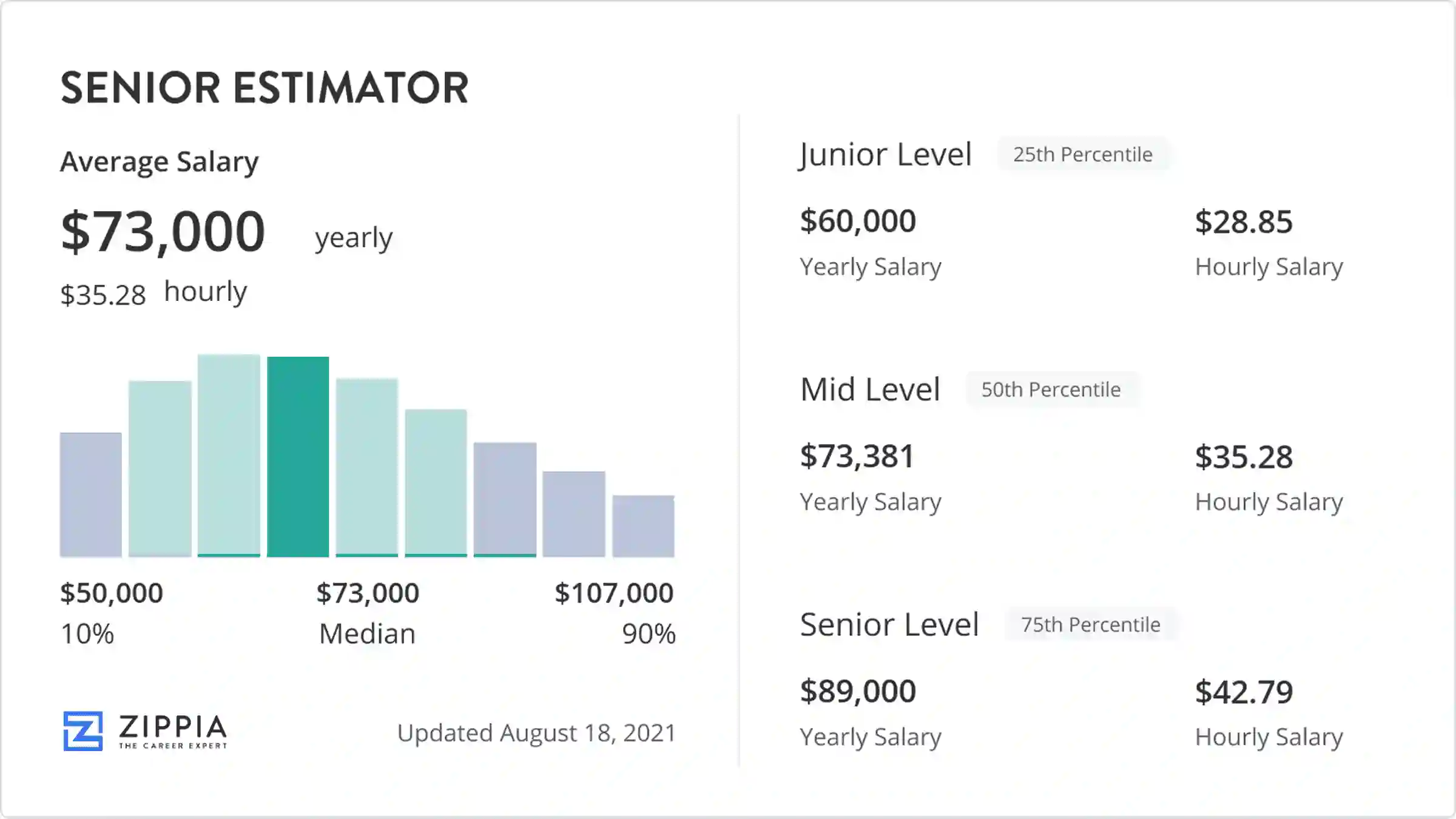
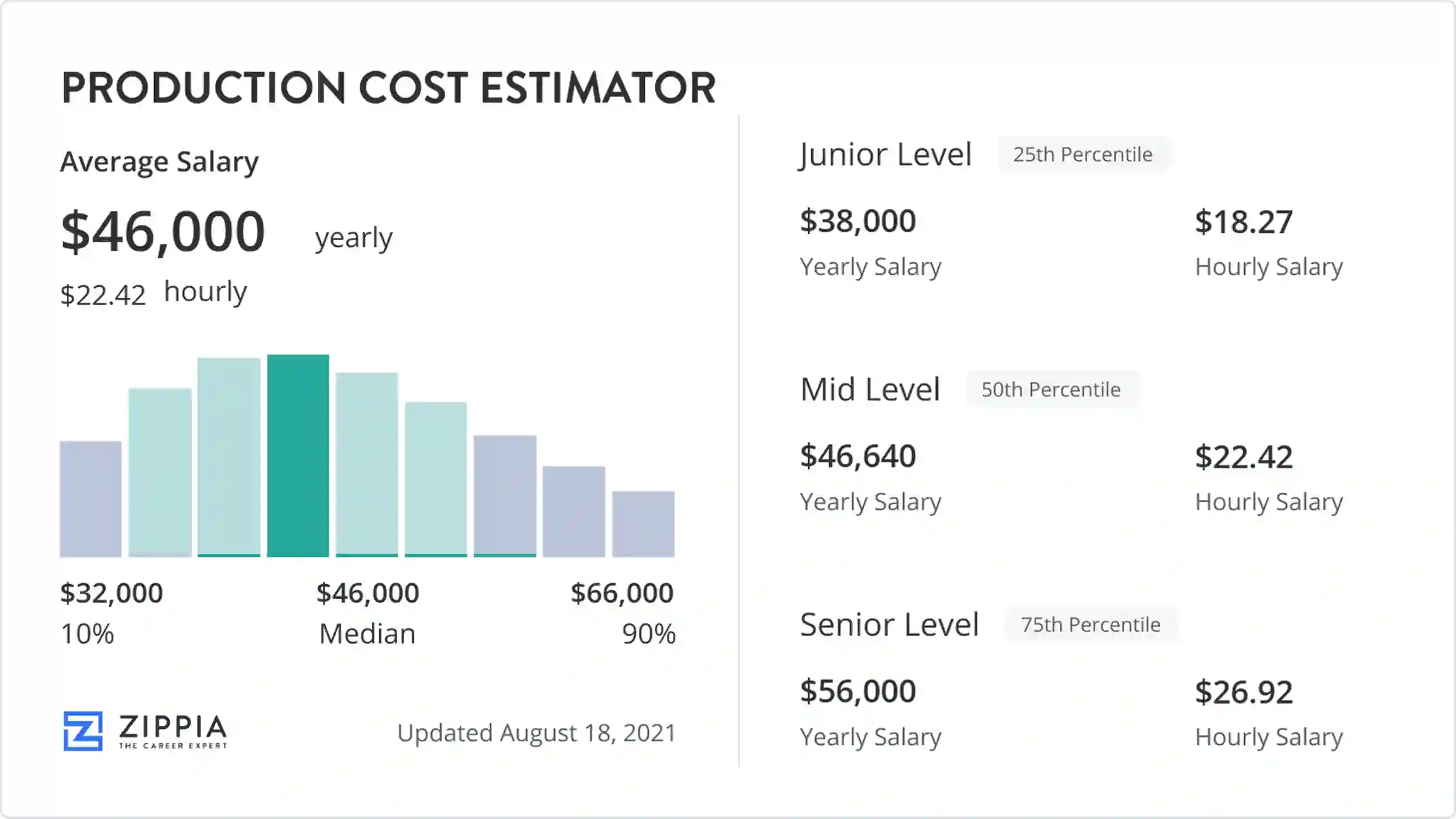
Junior estimator salaries can vary depending on the company, location, and your experience. It's a role that often comes with a set salary, rather than an hourly rate. As you gain experience, your salary is likely to increase. It's a great starting point, offering a stable income and the chance to develop valuable skills.
Building a Career in Estimating
Estimating is a specialized field, and with experience, you can progress to more senior roles. These roles often involve managing a team and taking on larger, more complex projects. You might also specialize in a particular area, such as commercial or residential construction. The skills you develop as an estimator are highly valued and can open doors to other roles in the industry.
Wrapping Up
So, there you have it! A glimpse into the world of junior estimators and their important role in construction. It's a fascinating field, and one that offers a great career path. If you're considering a role in estimating, I'd encourage you to research further and explore the opportunities. It's a rewarding career with plenty of room to grow and develop.
Related: Master Tarkov's Ammo Chart: A Quick Guide
You're here, searching for a tarkov ammo chart, a handy tool to help you make sense of the vast array of ammunition options in the game. It's a quick reference, a go-to guide, and a vital resource for any Tarkov player aiming to improve their performance. The chart offers a simple yet effective way to compare and understand the different ammo types, their stats, and their real-world applications. With values that can vary, this tarkov ammo chart provides a reliable starting point, allowing you to make informed choices and experiment with different calibers and their unique performances.
Understanding the Tarkov Ammo Chart
The Tarkov ammo chart is a valuable tool for players to understand the performance and characteristics of different ammunition types in the game. It provides a visual representation of ammo stats, offering insights into their effectiveness and suitability for various situations.
Key Metrics Explained
The chart typically displays ammo data across several categories. These include damage, penetration, accuracy, and other relevant stats. Each category is represented by a color-coded bar or a numerical value, making it easy to compare different ammo types at a glance.
Reading and Applying the Chart
To use the Tarkov ammo chart effectively, follow these steps:
- Identify the ammo type you want to analyze. Look for its name or caliber on the chart.
- Locate the relevant categories: damage, penetration, and accuracy. These are often color-coded for quick identification.
- Compare the values or bars for each category. Higher values or longer bars indicate better performance in that aspect.
- Consider your gameplay style and the specific situation. For example, if you prioritize stopping power, focus on damage and penetration. For long-range engagements, accuracy becomes crucial.
- Make informed decisions: Choose ammo that aligns with your playstyle and the challenges you face in-game.
Variations and Differences
It's important to note that ammo performance can vary based on several factors. Here are some key considerations:
- In-game vs. Reality: The Tarkov ammo chart represents in-game stats, which may differ from real-world ballistic data. While the game aims for realism, some adjustments are made for gameplay balance.
- Game Updates: Tarkov's developers regularly update and tweak ammo stats. Always refer to the latest chart to ensure accuracy.
- Weapon Compatibility: Different weapons may have varying performance with the same ammo type. Consider the weapon's stats and how they interact with the ammo.
Common Mistakes and How to Avoid Them
One common mistake is relying solely on the Tarkov ammo chart without considering your playstyle and the game's context. Here's how to avoid this:
- Understand your playstyle: Are you a close-quarters fighter or a long-range sniper? Choose ammo that complements your preferred tactics.
- Consider the enemy: Evaluate the armor and health of the opponents you typically face. Choose ammo that can penetrate their defenses effectively.
- Don't overlook other factors: Ammo price, availability, and reload speed are also crucial. Balance performance with practicality.
Practical Tips for Accurate Results
To make the most of the Tarkov ammo chart, keep these tips in mind:
- Stay updated: Regularly check for new chart releases or updates to ensure you have the latest ammo data.
- Experiment in-game: Test different ammo types in controlled environments to understand their real-world performance within Tarkov.
- Combine data: Use the chart as a starting point, but also refer to other resources, such as community guides and forums, for additional insights and experiences.
- Consider your loadout: Choose ammo that complements your weapon's strengths and weaknesses. For example, a high-damage ammo might be ideal for a powerful rifle but less effective for a lightweight, fast-firing pistol.
Well, that's a wrap on our tarkov ammo chart adventure! We've covered a lot of ground, from understanding the basics to navigating potential pitfalls. Remember, this guide provides a solid foundation, but it's always wise to double-check the specifics for your unique situation.
Ammo variations are a fact of life, so stay vigilant and adapt as needed. Feel free to explore our other guides for more practical insights. Happy hunting, and may your shots always find their mark!
Related: How to Read a Chest Size Chart?
You're probably here because you need a quick answer, and who can blame you? A chest size chart is a handy tool, offering a simple visual guide to understanding bra sizes and fit. It's a reference that can save you time and ensure you get the right size, every time. These charts can vary slightly, but they're an essential guide for anyone wanting an accurate bra size and a comfortable fit.
Understanding the Chest Size Chart
The chest size chart is a handy tool to help you find the right fit for clothing and accessories, especially when shopping online. It provides a reference for measuring and understanding your chest size, ensuring you make informed choices. This chart is particularly useful for women's sizing, including bra size charts, but it can also guide men's clothing choices.
Comparing Measurement Standards
Measurement standards can vary depending on the region and manufacturer. For example, the US and international (metric) systems have different size categories and ranges. The chest size chart typically includes both systems, making it versatile. It's essential to check which standard is being used to ensure accuracy.
Measuring Accurately: A Step-by-Step Guide
- Prepare a flexible measuring tape. Ensure it's not too tight or loose.
- Stand in a relaxed position, with your arms slightly away from your sides.
- Measure the fullest part of your chest, usually across the nipple line.
- Wrap the tape around your body, ensuring it's level and parallel to the floor.
- Take the measurement in inches or centimeters, depending on the standard.
- Refer to the chest size chart to find your size. It will provide a range of measurements and corresponding sizes.
- If you fall between sizes, consider the fabric's stretch and your personal preference for a snug or loose fit.
Common Mistakes and How to Avoid Them
One common mistake is measuring too tightly or too loosely. This can lead to an inaccurate reading and an ill-fitting garment. Always ensure the tape is snug but not constricting. Another pitfall is assuming all brands use the same sizing. Different manufacturers may have slight variations, so it's best to refer to their specific size charts. Additionally, some charts may not cover all body types, so be mindful of any special considerations you may have.
Factors Affecting Accuracy and Real-World Use
Several factors can influence the accuracy of your chest size measurement. These include your posture during measurement, the type of clothing you're wearing, and any recent weight changes. It's essential to stand upright and maintain a consistent posture. The fabric of your clothing can also affect the measurement, so consider measuring over a thin, form-fitting garment. If you've recently gained or lost weight, your chest size may have changed, so it's beneficial to remeasure periodically.
So, now you're equipped with a handy chest size chart and the knowledge to use it effectively. Remember, these charts provide a great starting point, but it's always wise to consider your unique needs and measurements.
Don't forget to check out our other guides for more practical tips and insights. We've got a range of topics to explore, so feel free to browse and discover something new!