




Grammar Verb Worksheet For Class 4 Overview
Many folks new to verb anchor charts might think they're just for kids or a basic tool. But these charts are powerful, offering a quick, visual way to grasp verb tenses and forms. A verb anchor chart is an essential reference, a simple yet effective diagram that ensures your verb usage is spot on. It's a handy tool to have, and its format can vary, offering a tailored verb guide for different needs.
Understanding the Verb Anchor Chart
The verb anchor chart is a handy tool that provides a visual representation of verbs and their various forms and tenses. It's like a map for verb usage, guiding you through the different ways verbs can be expressed. This chart is a reference point, offering a clear and organized layout to enhance your understanding and application of verbs.
Key Details and Categories
The verb chart typically includes columns representing different verb tenses, such as present, past, and future, along with their progressive and perfect forms. Each row contains a verb, often listed alphabetically, with its corresponding forms in the respective tense columns. You'll find regular verbs following a consistent pattern, while irregular verbs stand out with their unique forms. The chart may also indicate the verb's type, like action or linking verbs, and provide examples of usage.
Reading and Applying the Chart
To use the verb anchor chart effectively, follow these steps:
Identify the verb you wish to explore. Let's say you're interested in the verb "run."
Locate "run" on the chart. You'll find it listed under the present, past, and future tense columns.
Read across the row to see the different forms. For "run," you'll see "runs" (present), "ran" (past), and "will run" (future).
If you need to use a progressive tense, look for the "-ing" form. In this case, it's "running."
For perfect tenses, check the "have/has" and "had" columns. So, "has run" and "had run" are the perfect tenses for "run."
By following this simple process, you can quickly find the correct verb form for your sentence, ensuring accurate and consistent verb usage.
Variations and Differences
It's important to note that verb charts can vary based on the standard or context. Different regions or styles may have slight variations in verb forms or tenses. Here are some key factors that can cause these variations:
Regional differences: Verb usage can vary between countries or even within regions. For example, British English and American English have some distinct verb forms.
Style guides: Various style guides, like APA or MLA, may have specific preferences for verb tenses or forms, especially in academic writing.
Contextual usage: The verb's function in a sentence, such as whether it's an action or linking verb, can impact its form.
Irregular verbs: These verbs don't follow the typical patterns, so they require special attention and memorization.
Common Mistakes and How to Avoid Them
When using a verb diagram or chart, it's easy to make mistakes if you're not careful. Here are some common pitfalls to watch out for:
Misreading the chart: Always double-check the verb's tense and form. Mistakes can happen when you confuse past and present tenses, for instance.
Neglecting context: Remember that verb forms can change based on the sentence's context. Ensure you choose the right form for your specific usage.
Relying solely on the chart: While the chart is a great tool, it's not exhaustive. Some verbs have unique forms or usages that may not be covered. Always refer to additional resources or examples when in doubt.
Ignoring regional variations: Be mindful of regional differences, especially if your audience is from a different region. Ensure your verb usage aligns with their expectations.
By being aware of these potential issues and taking a careful, contextual approach, you can ensure accurate and effective verb usage in your writing.
So, there you have it! A handy verb anchor chart can be an incredibly useful tool to have in your kit. It's a simple yet effective way to keep your language skills sharp and ensure you're using verbs accurately.
Remember, while this guide offers a general overview, it's always wise to double-check any specific requirements or context-related nuances. Every situation is unique, and language can be a tricky beast!
Feel free to explore our other guides; we've got plenty of resources to help you master various language-related topics. Happy learning, and keep those verbs in check!
Related: How to Read the "ir verb chart" Easily?
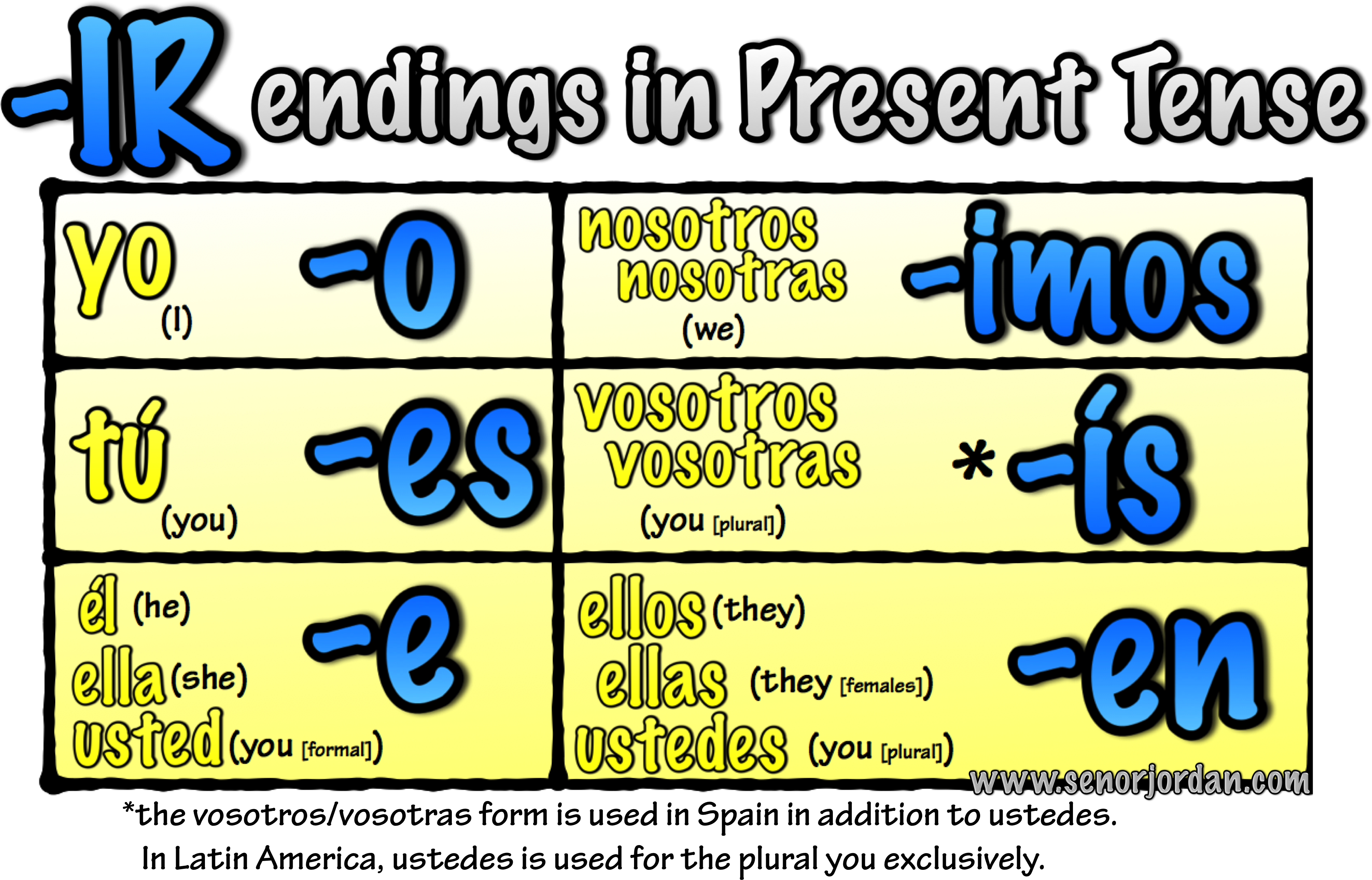
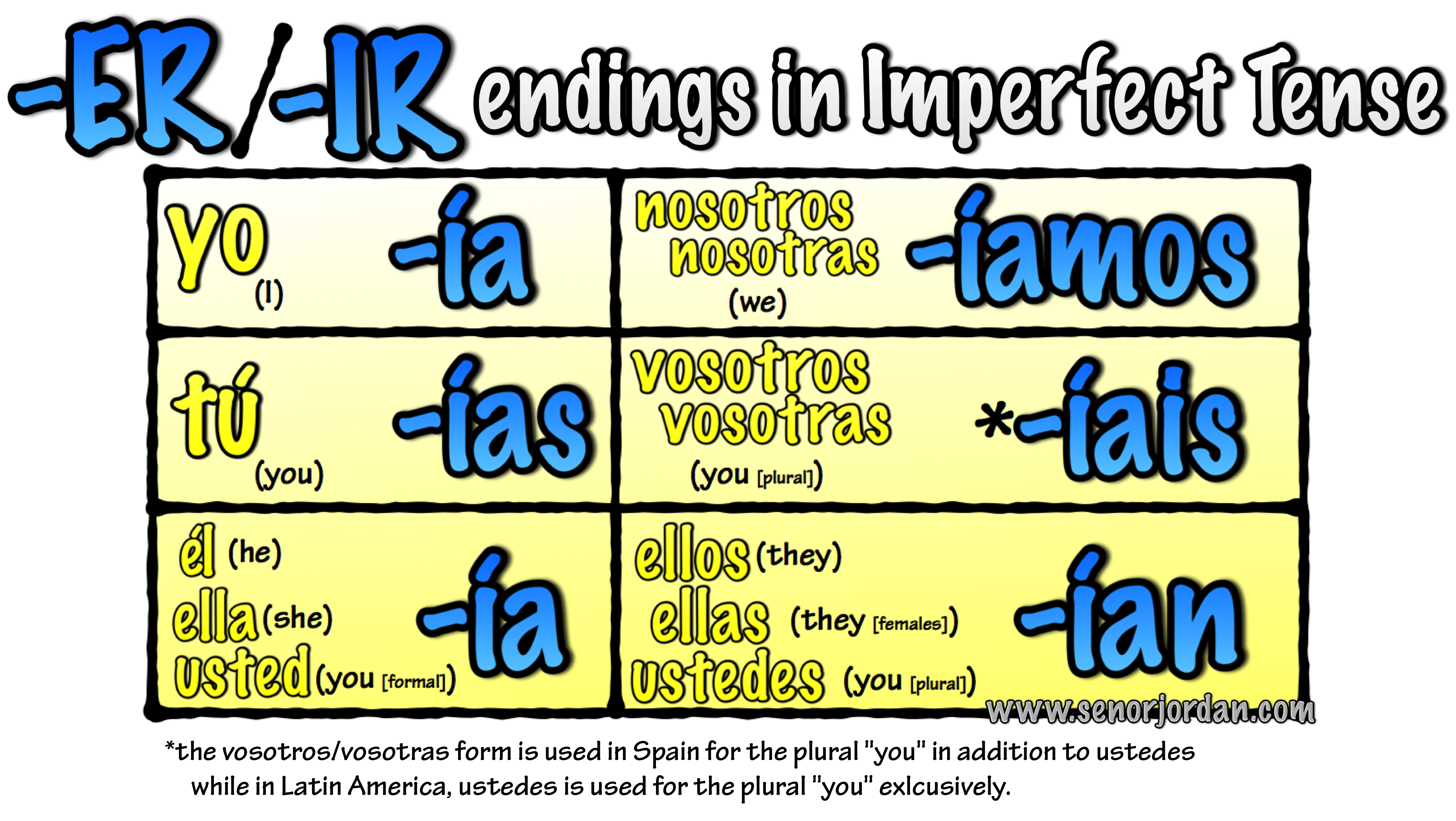
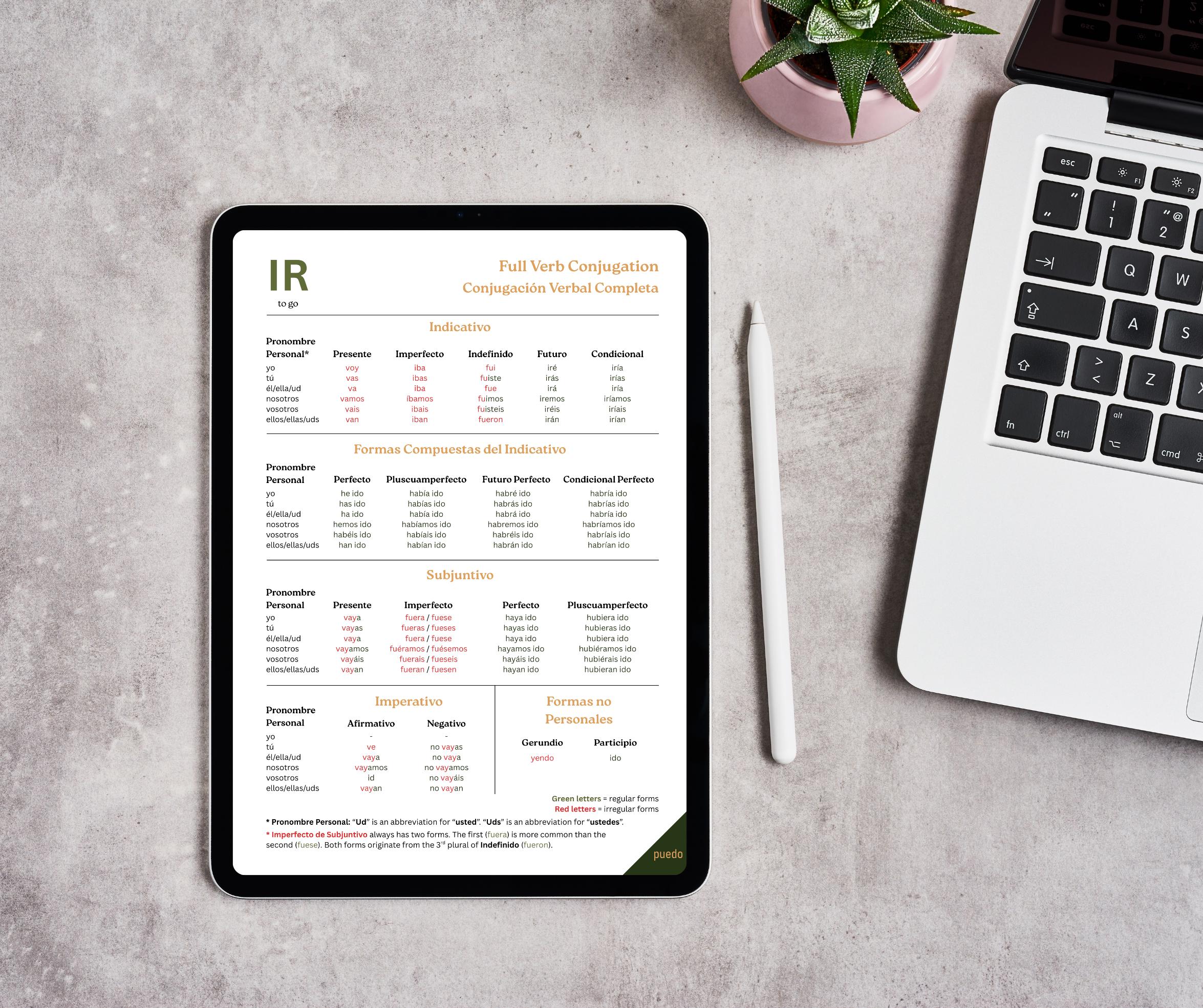
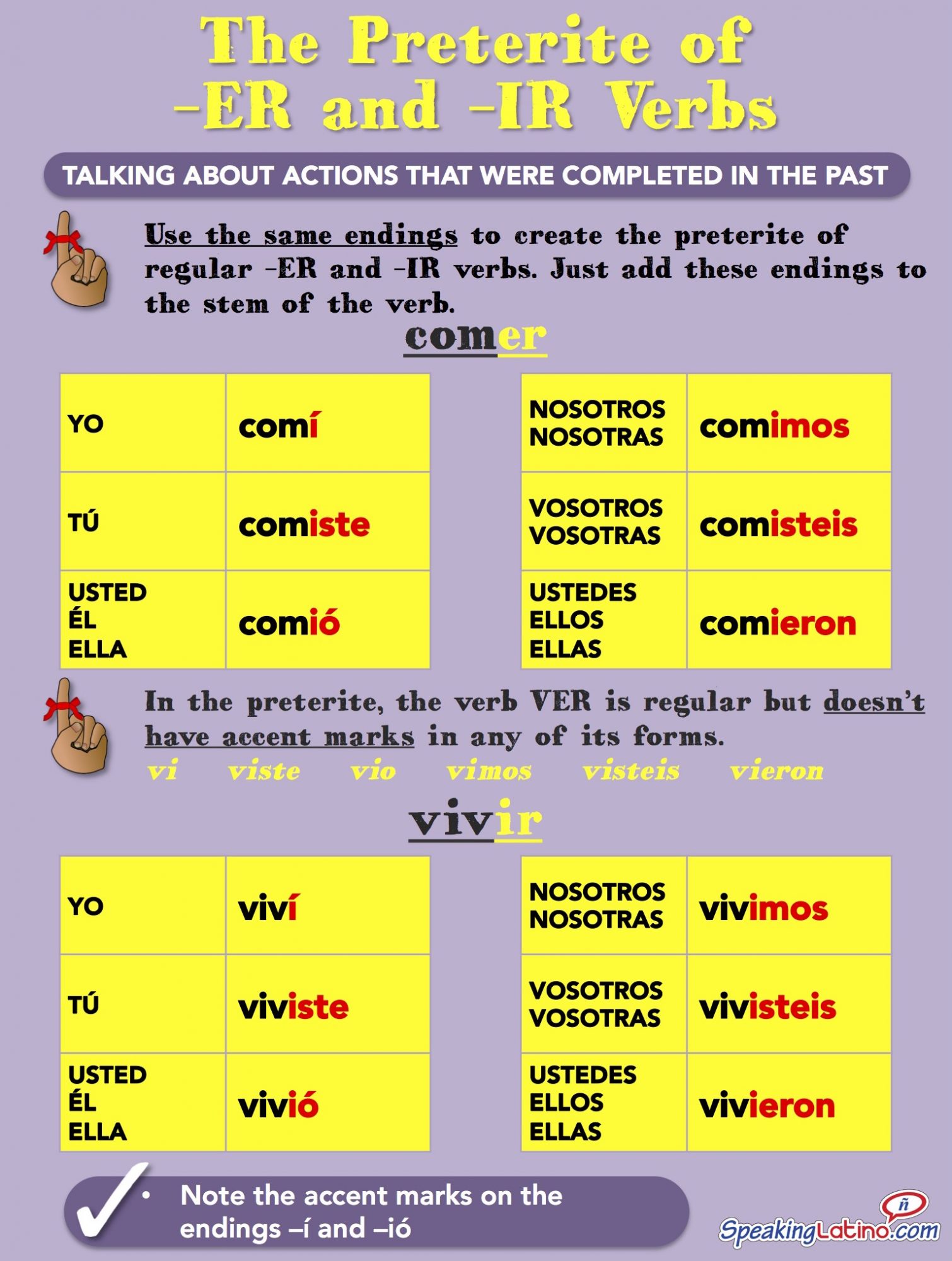
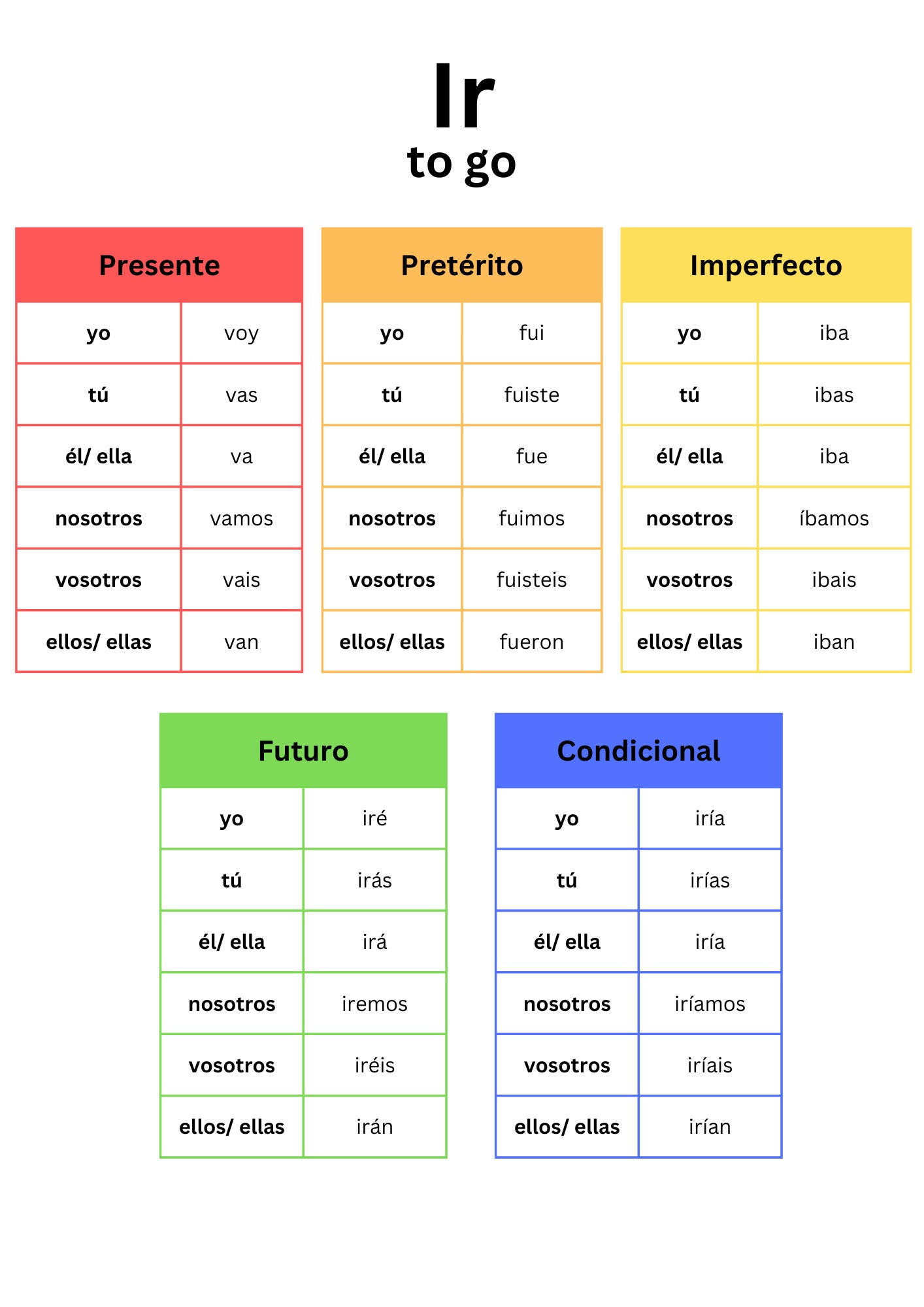
You've landed on this page, perhaps with a specific task in mind or a quick reference need. The ir verb chart is a handy tool, a concise visual guide, that can save you time and effort when navigating Spanish verb conjugations. It offers a structured overview, allowing you to find and understand verb forms efficiently, covering present, past, and future tenses. While the chart's layout and details may vary, its purpose remains consistent: to provide a reliable reference for regular verbs in Spanish.
Understanding the Ir Verb Chart: A Quick Overview
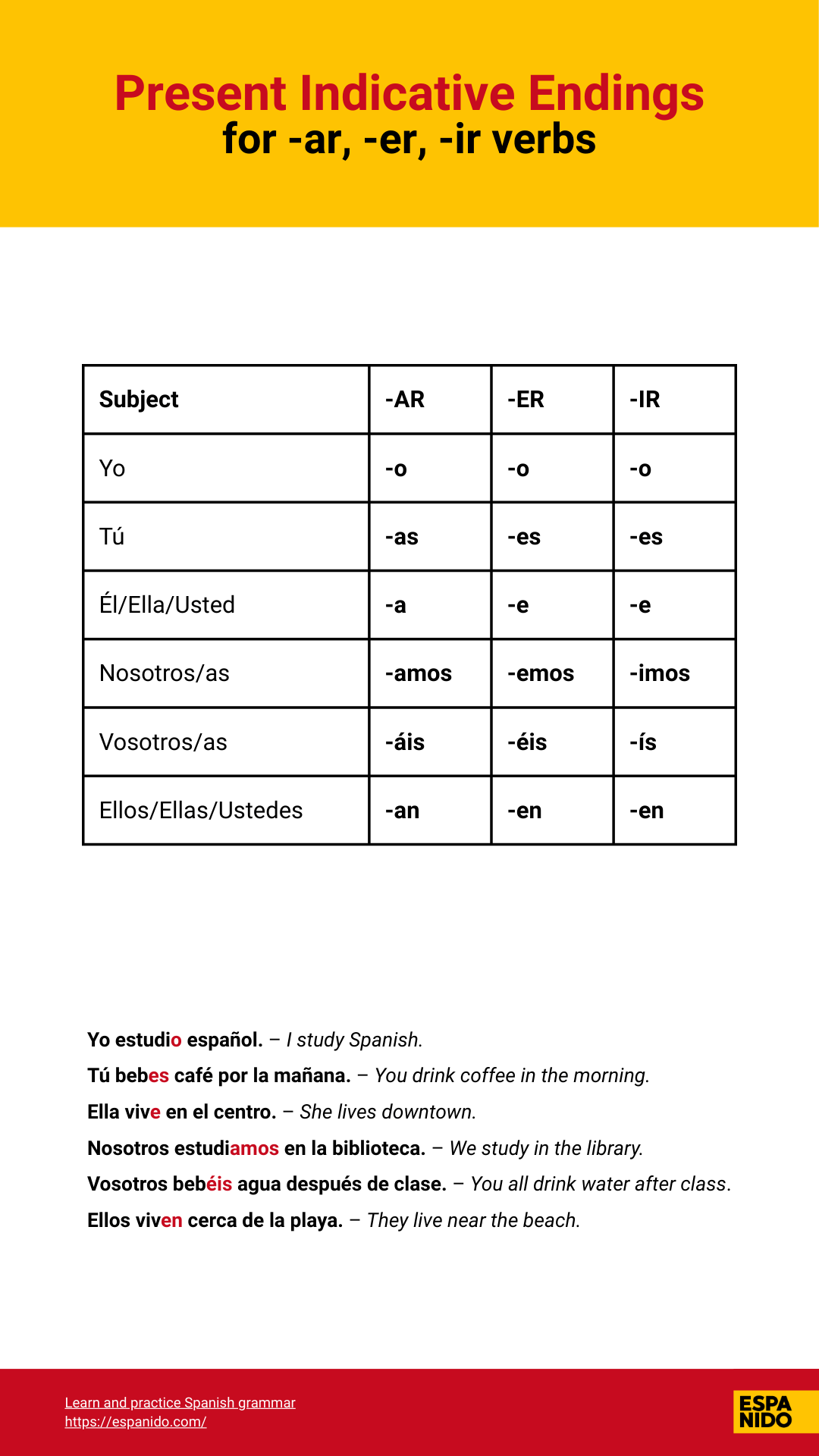
The ir verb chart is an invaluable tool for Spanish language learners, offering a comprehensive visual guide to the conjugation of regular verbs ending in 'ir'. It serves as a reference, providing a clear layout of verb forms across different tenses and persons. This chart is an essential resource for mastering Spanish grammar and ensuring accurate verb usage in various contexts.
Comparing Conjugation Patterns: Regular Verbs vs. Irregulars
While the ir verb chart focuses on regular verbs, it's important to note the existence of irregular verbs, which do not follow standard conjugation patterns. These verbs require separate memorization and are not represented on the chart. Regular verbs, on the other hand, adhere to consistent rules, making the ir verb chart a reliable guide for most verb forms.
Step-by-Step Guide: Using the Ir Verb Chart
To utilize the ir verb chart effectively, follow these steps:
- Identify the verb tense you wish to conjugate. The chart typically covers present, past, and future tenses, each with its section.
- Locate the verb ending you need to conjugate. For instance, if you want to conjugate 'mirar' (to look), find the 'ar' ending section.
- Within the chosen section, find the specific person (e.g., yo, tú, él/ella, nosotros/as) you wish to conjugate for.
- Read across to the appropriate tense column to find the conjugated form. For example, 'yo miro' (I look) in the present tense.
- Repeat this process for other tenses and persons as needed.
Avoiding Common Pitfalls: Misreading and Mistakes
One common mistake is misreading the chart, especially when unfamiliar with Spanish verb endings. Ensure you understand the verb ending and its corresponding section. Another pitfall is assuming all verbs follow the regular pattern. Always double-check for irregular verbs, especially common ones like 'ser' (to be) or 'ir' (to go).
Factors Affecting Accuracy: Regional Variations and Tenses
The accuracy of the ir verb chart can be influenced by regional variations in Spanish. While the chart provides a standard guide, some verbs may have slight differences in certain Spanish-speaking countries. Additionally, the chart primarily covers regular verbs, so it's essential to be aware of irregular verbs and their unique conjugations.
Choosing the Right Format: Adapting to Your Needs
There are various formats of the ir verb chart available, catering to different learning styles and preferences. Some charts are more detailed, covering all tenses and persons, while others focus on specific tenses or provide a simplified layout. Choose the format that best suits your learning goals and level of Spanish proficiency.
Maintaining Reliability: Keeping Your Reference Up-to-Date
To ensure the reliability of your ir verb chart, it's crucial to regularly update your reference materials. Spanish language resources, including verb charts, may evolve and improve over time. Stay informed about any updates or new editions of the chart to access the most accurate and comprehensive guide for your Spanish conjugation needs.
Well, that's a wrap on our exploration of the IR verb chart and its practical applications. We've covered a lot of ground, from understanding the chart's purpose to mastering its use and avoiding common pitfalls. Remember, the key to success lies in adapting the chart to your specific needs and keeping your reference materials up-to-date.
Before you go, it's worth emphasizing the importance of considering your unique context. Exact values and formats may vary, so double-check the standards and sources relevant to your situation. With that in mind, I hope this guide proves invaluable the next time you need a quick reference. Feel free to bookmark this page for future use!
Related: A Quick Guide to Reading the Ser Verb Chart
Many people often get confused by the ser verb chart and its purpose, but it's actually a simple and handy tool! The "ser verb chart" is your friend, a quick reference guide to navigate Spanish verb conjugations. It's not as scary as it may seem; this chart is a visual aid, offering a clear layout to understand and use the verb 'ser' accurately. You'll find it helps to have this resource at your fingertips, especially when you're just starting out with Spanish.
The Ser Verb Chart: A Comprehensive Guide
The ser verb chart is an essential tool for anyone learning Spanish or wanting to improve their grammar. This chart provides a clear and concise overview of the verb ser and its various conjugations. With the ser verb chart, you'll have a handy reference to master this crucial verb and its many forms.
Key Details and Categories
The chart is designed to cover all the essential tenses and forms of the verb ser. You'll find it organized by person, with columns for each pronoun: yo (I), tú (you), él/ella/usted (he/she/you formal), nosotros/as (we), vosotros/as (you all), and ellos/ellas/ustedes (they/you all formal). Each row represents a different tense, such as present, past, future, and conditional. The chart also includes the imperative form and some common irregular forms.
Reading and Applying the Ser Verb Chart
Here's a step-by-step guide on how to use the ser verb chart:
- Identify the person you want to conjugate ser for. Let's say you want to say "I am" in Spanish. Look for the "yo" column.
- Find the present tense row. This is where you'll find the most common form of the verb. So, for "I am," you'd find "soy" in the "yo" column under the present tense.
- For other tenses, simply navigate to the appropriate row. For instance, if you want to say "I was" (past tense), you'd look in the "yo" column under the past tense row, finding "fui."
- The chart also includes irregular forms. These are highlighted or noted separately. For example, the past participle of ser is "sido," which is an irregular form.
- Practice using the chart with different sentences. For instance, "Tú eres mi amigo" (You are my friend) or "Ellos son altos" (They are tall).
Variations and Differences
While the ser verb chart provides a comprehensive guide, it's important to note that Spanish, like any language, has its nuances. Different regions and dialects may have slight variations in verb conjugations. Additionally, the chart primarily covers the indicative mood. Other moods, like the subjunctive, have their own unique conjugations for ser. Always double-check specific situations or more complex sentences to ensure accuracy.
Common Mistakes and How to Avoid Them
One common mistake is confusing ser with another Spanish verb, estar. Ser is used to describe permanent or inherent characteristics, while estar describes temporary states or locations. Another pitfall is forgetting the irregular forms. While the chart highlights these, it's easy to overlook them if you're not familiar with them. Regular practice and using the chart as a reference can help avoid these errors.
Practical Tips for Accurate Results
To get the most out of the ser verb chart, consider these tips:
- Familiarize yourself with the chart's layout and categories. Understanding the structure will make it easier to navigate and find the right conjugation quickly.
- Practice regularly. Conjugation is a skill that improves with use. The more you practice, the more natural it will become.
- Use the chart as a learning tool. Besides reference, it can help you memorize conjugations and understand verb patterns.
- Explore other resources. While the chart is comprehensive, it's always beneficial to cross-reference with other materials, especially for more complex sentences or less common tenses.
So, there you have it! A handy ser verb chart is a great tool to have in your language-learning arsenal. Remember, the key is to understand the basics, practice regularly, and you'll soon master those tricky verbs.
Before you go, just a quick reminder to always check your specific language learning goals and context. Language standards and conventions can vary, so it's good to be aware of any unique requirements or nuances that might apply to your situation. And don't forget to explore our other guides and resources - we've got plenty of tips and tricks to help you on your language-learning path!