


Grammar Worksheet Tenses Review Overview
You're probably here because you need a quick conversion fix, and who can blame you? The inch to mm chart is your go-to resource for an accurate and fast length conversion. It's a handy tool, especially when you're in a pinch and need to understand measurements across different systems. This chart is a simple yet effective way to ensure you get your conversions right, whether you're dealing with inches to centimeters or imperial to metric.
Understanding the Inch to mm Chart
The inch to mm chart is a handy reference tool for quickly converting inch measurements to millimeters. It's a practical way to ensure accurate conversions, especially when working with different measurement systems. This chart provides a simple visual guide, making it accessible for everyday use.
Key Details and Units
Before we dive in, let's clarify some basics. The chart typically displays inches on one axis and millimeters on the other, with corresponding values for each unit. You'll find a range of values, often starting from 0 and going up in small increments, like 0.1 inches or 1 mm. It's essential to know that the chart follows a specific standard, usually the imperial to metric conversion, ensuring consistency.
Step-by-Step Conversion Process
Using the inch to mm chart is straightforward. First, locate the inch value you want to convert on the chart. Then, follow the corresponding line or column to find the equivalent millimeter value. For instance, if you have 2 inches, find the 2-inch mark and read across to see it equals approximately 50.8 mm. That's it! Simple and quick.
Variations and Differences
While the inch to mm chart is a reliable tool, variations can occur due to different standards and contexts. For example, some charts might offer more precise conversions, especially for smaller increments. Additionally, certain industries or regions might have specific requirements, leading to slight variations. It's crucial to double-check if you're working with precise measurements or specialized fields.
- Here are some key factors that can cause variations:
- Standard deviations: Different countries or industries might use slightly different conversion factors.
- Precision needs: More detailed charts are available for precise measurements.
- Specialized fields: Certain professions, like engineering, might require unique charts.
Common Mistakes and How to Avoid Them
One common mistake is misreading the chart, especially when dealing with small increments. Always ensure you're following the correct line or column for your measurement. Another pitfall is assuming all charts are the same. Remember, variations exist, so double-check if precision is critical. Lastly, be aware of the conversion direction. The chart usually converts inches to mm, so be clear on which unit you're starting with.
To summarize, the inch to mm chart is a valuable tool for quick and accurate conversions. By understanding the basics, following a simple step-by-step process, and being aware of potential variations, you can ensure precise measurements. Remember, when in doubt, always refer to the specific standards or guidelines for your field. Happy converting!
Hey there! I hope this inch to mm chart has been a helpful resource for you. It's always good to have these handy conversions at your fingertips, especially when you need to quickly reference measurements.
Remember, while this chart provides a reliable guide, exact values can vary slightly depending on the standard or source you use. So, it's always a good idea to double-check your specific requirements and context before finalizing any measurements.
Feel free to bookmark this page for future reference. It's a simple yet practical tool to have in your back pocket for those unexpected measurement needs!
Related: Find Your Perfect BJJ Gi Size: A Simple Guide
You're here because you need to find the right size for your BJJ gi, and you want a quick, accurate solution. The BJJ gi size chart is your go-to resource, a simple yet effective tool to ensure you get the perfect fit. This chart, a sizing guide, provides a straightforward way to navigate the world of Brazilian jiu-jitsu gi sizes, offering standard measurements and recommendations. While values may vary slightly depending on the brand or region, the chart is a reliable starting point for your sizing journey.
Understanding the BJJ Gi Size Chart
The bjj gi size chart is your handy guide to finding the perfect fit for your Brazilian Jiu-Jitsu gi. It's a reference tool that simplifies the sizing process, ensuring you get a gi that's comfortable and functional for your training sessions.
Comparing Size Standards and Formats
Size charts for BJJ gis typically follow standard measurements based on body height and weight. These charts often provide a range of sizes, from extra small to extra large, with some brands offering even more specific sizing options like A1, A2, and so on. The key is to find the right balance between a gi that's not too baggy or too tight, allowing for freedom of movement and comfort during rolls.
Step-by-Step Guide to Using the Chart
Using the bjj gi size chart is straightforward. First, measure your height and weight accurately. Then, refer to the chart, which will typically have height and weight categories. Find the intersection of your height and weight categories to determine your gi size. For instance, if you're 5'10" and weigh 170 lbs, you might fall into the A2 size category.
Here's a simple step-by-step process:
- Measure your height and weight.
- Refer to the size chart and identify your height and weight categories.
- Determine the size that corresponds to the intersection of these categories.
- If you're between sizes, consider the fit you prefer. A tighter fit might be better for competition, while a looser fit could be more comfortable for training.
- Always double-check the brand's specific size guide, as some may have slight variations.
Avoiding Common Misreadings and Pitfalls
One common mistake is relying solely on your usual clothing size when choosing a BJJ gi. Bjj gi sizes often differ from regular clothing sizes, so it's crucial to refer to the specific gi size chart. Another pitfall is assuming all brands use the same size standards. While many follow similar guidelines, slight variations exist, so always check the brand's size guide.
Factors Affecting Accuracy and Real-World Use
Several factors can influence the accuracy of the bjj gi size chart. Firstly, the chart is a general guide, and individual body types can vary. For instance, someone with a broader chest or longer arms may need to consider these specific measurements when choosing a gi. Secondly, the fit preference can vary between practitioners. Some prefer a more tailored fit, while others opt for a looser, more traditional look.
Choosing the Right Format for Your Needs
When it comes to bjj gi size charts, you'll find various formats and standards. Some brands provide detailed charts with precise measurements for each size, while others offer a more simplified guide. If you're new to BJJ or unsure about your size, a detailed chart with measurements can be extremely helpful. However, experienced practitioners who know their preferred fit may find a simpler chart sufficient. It's essential to consider your needs and the brand's reputation when choosing a size chart.
Well, there you have it! A comprehensive guide to BJJ gi sizing charts, covering all the bases. We've compared the options, walked you through the process, and highlighted some potential pitfalls. Remember, when it comes to finding the perfect fit, context is key.
So, before you finalize your choice, take a moment to consider your personal preferences and the specific requirements of your practice. It's always a good idea to have this guide bookmarked for future reference, just in case you need a quick sizing reminder. Happy rolling!
Related: How to use a kitten age chart?
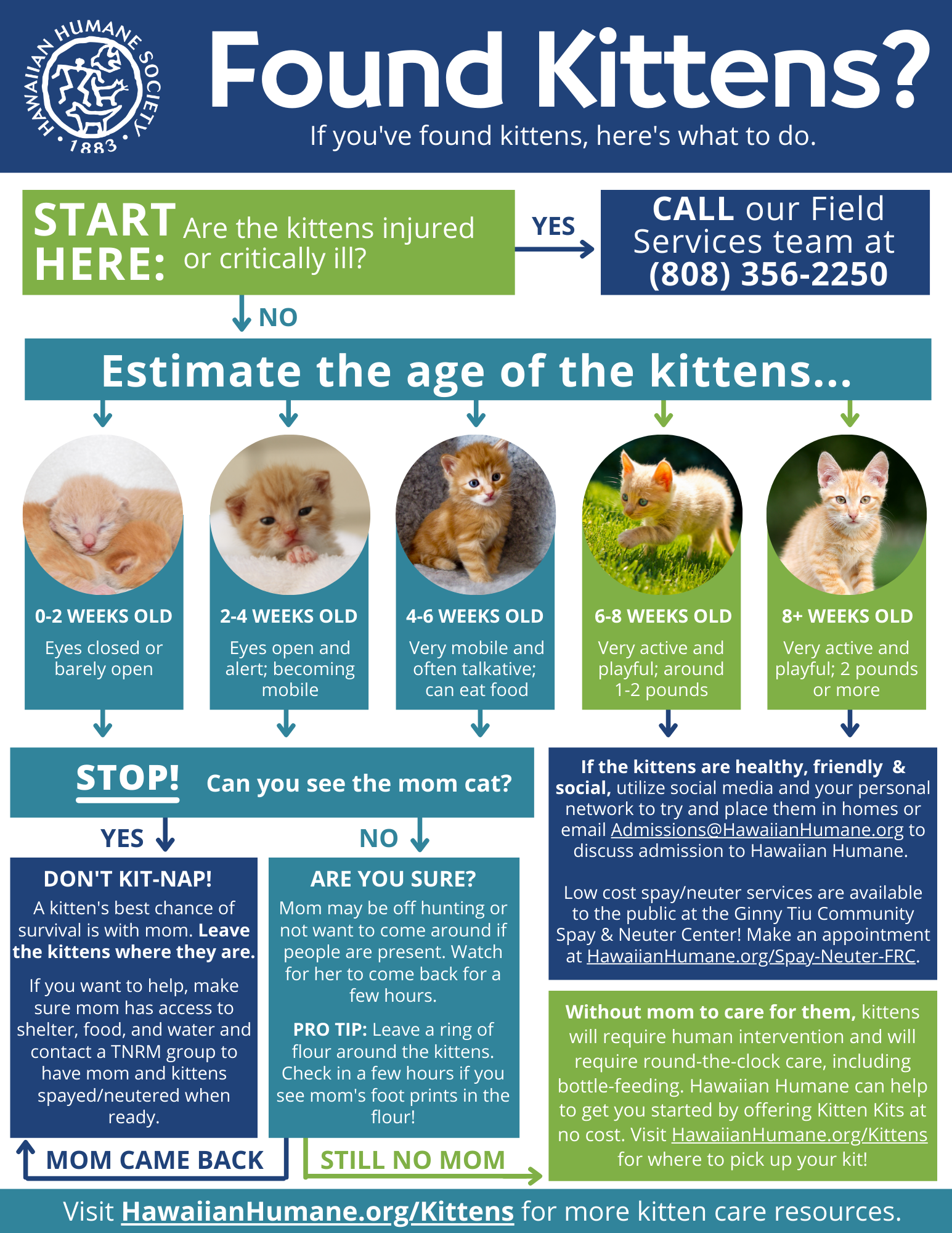
A kitten age chart is a handy tool for any cat lover or owner, offering a quick glimpse into a kitten's growth and development. This guide will cover the essentials, providing you with the knowledge to interpret and utilize a kitten age chart effectively.
From weeks to months, these charts outline standard milestones and common development stages, giving you an overview of your kitten's progress. While values may vary slightly depending on factors like breed and region, the charts offer a reliable reference point for cat enthusiasts and owners alike.
Understanding the Kitten Age Chart
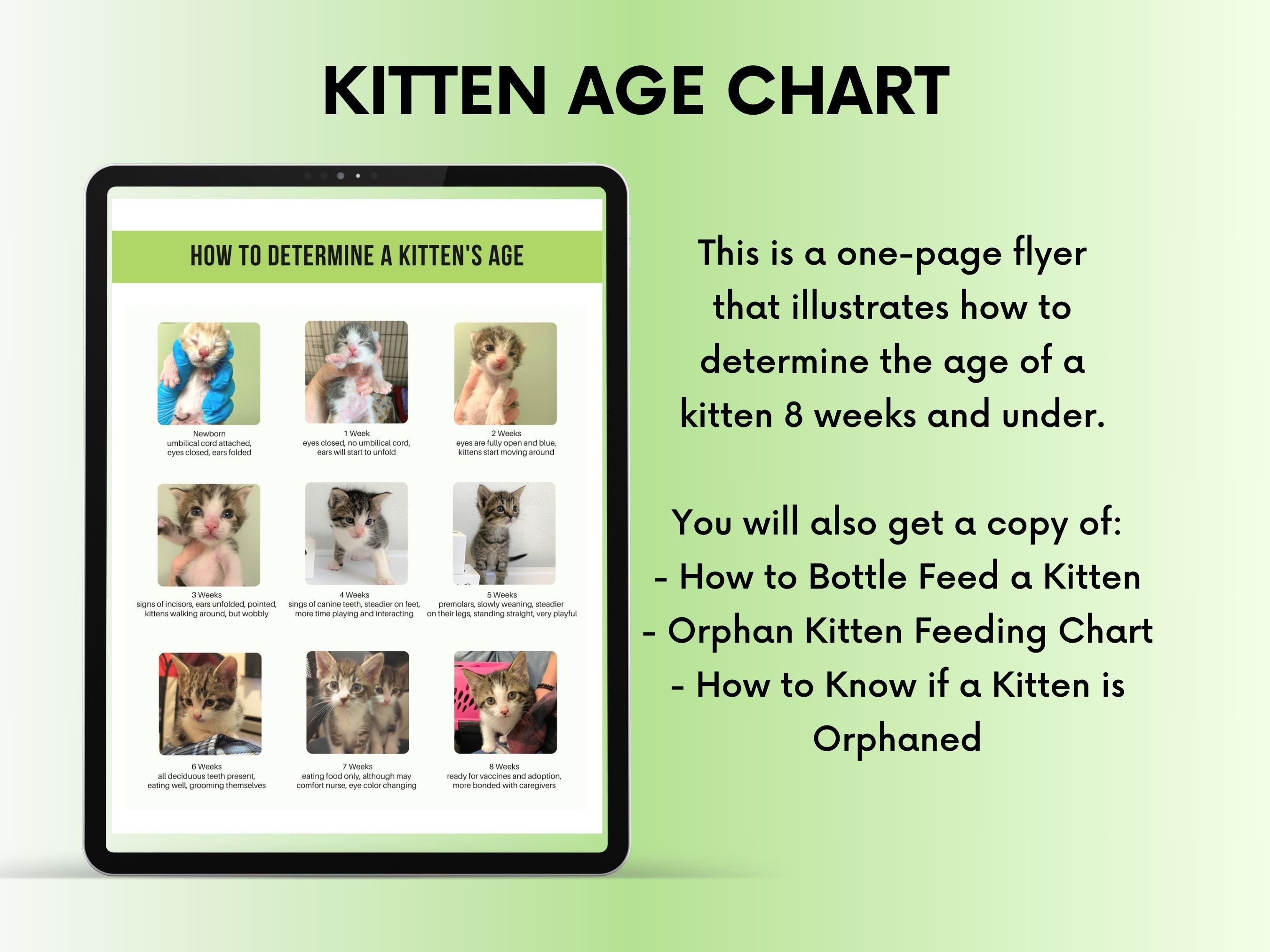
The kitten age chart is a valuable tool for cat owners and enthusiasts, offering a visual representation of a kitten's growth and development over time. This chart provides a practical guide to understanding a kitten's age and the associated milestones.
Key Details and Categories
The kitten age chart typically presents age in weeks or months, with corresponding physical and behavioral changes. It covers a kitten's journey from birth to adulthood, usually up to one year. The chart may vary slightly depending on the standard used, but it generally follows a consistent format.
Reading and Applying the Chart
To use the kitten age chart accurately, follow these steps:
- Identify the age of your kitten in weeks or months.
- Locate the corresponding age range on the chart.
- Review the physical and behavioral characteristics listed for that age range.
- Compare these characteristics to your kitten's development.
- Note any significant variations or delays, which may indicate the need for veterinary attention.
For instance, a four-week-old kitten should be gaining weight steadily, with eyes and ears opening, and initial attempts at walking. By eight weeks, kittens should be fully weaned and showing more independence.
Variations in Growth
It's important to note that every kitten is unique, and growth rates can vary. Factors such as breed, nutrition, environment, and overall health can influence a kitten's development. Here are some key variations to consider:
- Breed: Different cat breeds have distinct growth patterns. For example, larger breeds may take longer to reach maturity.
- Nutrition: A well-balanced diet is crucial for healthy growth. Malnutrition can lead to stunted development.
- Environment: A stimulating and safe environment promotes healthy growth. Stress or lack of stimulation can impact a kitten's development.
- Health: Underlying health issues can affect growth. Regular veterinary check-ups are essential to identify and address any concerns.
Remember, the kitten age chart provides a general guide, and individual kittens may develop at their own pace. If you have concerns about your kitten's growth, consult a veterinarian for personalized advice.
Remember that while this chart provides a great starting point, the exact details may differ slightly based on your kitten's unique development and the specific guidelines you follow. Every kitten is an individual, so keep an eye on their progress and adjust your expectations accordingly.
Feel free to explore our other guides for more practical tips and insights into the wonderful world of kitten care. You'll find a wealth of information to support you and your furry friend through every stage of their growth and development.