







Grammar Worksheets Grade 4 Overview
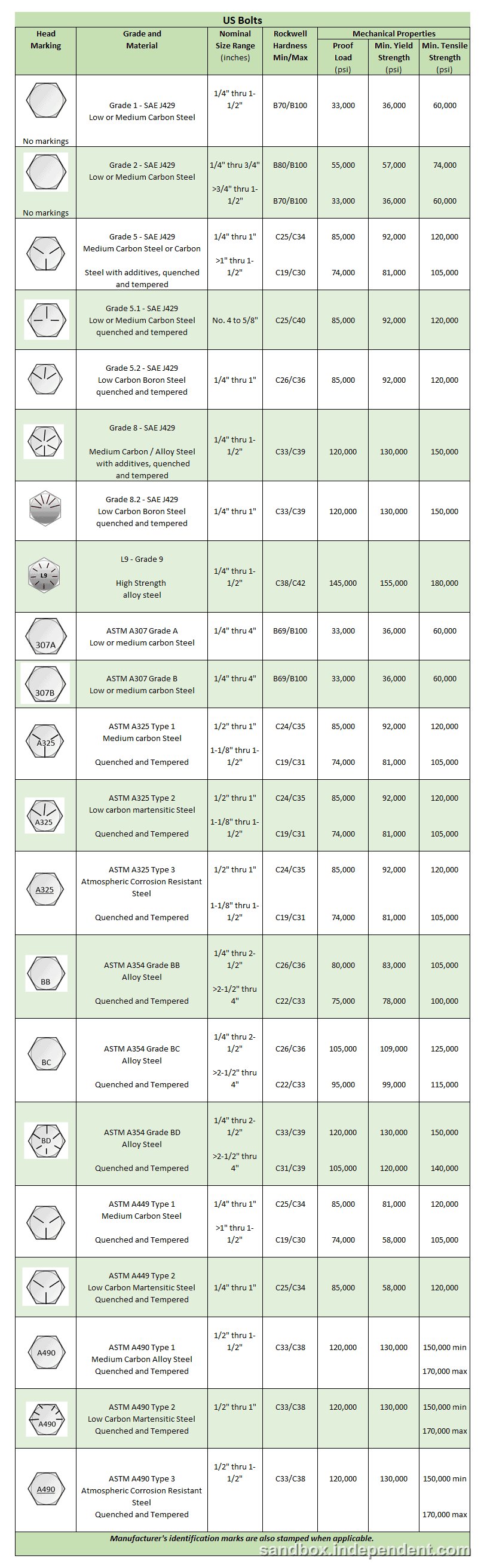
Many folks assume the bolt grade chart is a complex, intimidating beast, but it's actually a simple, handy tool. This chart is your friend, offering a quick glance at bolt strength and properties. It's not as scary as it seems!
Think of it as a reference guide, a visual aid, with values that may vary slightly depending on the standard or region. It's a practical way to understand bolt head markings and specifications, like ASTM or SAE grades, and it's a must-have for any project.
Understanding Grade Markings
The bolt grade chart is a handy reference tool that provides essential information about bolt grades and their properties. It offers a quick and easy way to understand the strength and characteristics of different bolts, which is crucial for any fastening project. This chart is a visual guide, often presented as a table or diagram, that simplifies the process of selecting the right bolt for your needs.
Common Grade Standards
When it comes to bolt grades, there are several standards and systems used globally. The most common ones include the ASTM bolt specifications and the SAE bolt grades in the US, as well as the metric bolt grades used internationally. These standards define the grade based on factors like tensile strength, yield strength, and hardness. The bolt grade chart typically covers these different standards, allowing you to compare and understand the variations.
Interpreting the Chart: A Step-by-Step Guide
Start by identifying the standard you are working with. As mentioned, there are US and metric systems, so ensure you are referring to the right one for your project.
Locate the grade you need. Bolt grades are often represented by numbers or letters, such as Grade 2, Grade 5, or Grade 8. These grades indicate the bolt's strength and are crucial for ensuring a secure fastening.
Check the corresponding properties. The chart will provide information on the bolt's tensile strength, yield strength, and hardness. These values are essential for determining the bolt's ability to withstand forces and stresses.
Consider the application. Different projects require varying levels of bolt strength. For instance, automotive applications often use higher-grade bolts compared to general construction. Ensure you choose a grade suitable for your specific needs.
Don't forget the head markings. Bolt head markings, often in the form of lines or symbols, provide additional information. These markings can indicate the bolt's grade, material, and even the manufacturer.
Common Misreadings and How to Avoid Them
One common mistake is assuming that all bolt grade charts are universal. Remember, charts may vary based on the standard and region. Always double-check the specific chart you are using and ensure it aligns with your project's requirements.
Another pitfall is ignoring the bolt's material. The bolt grade chart often focuses on the grade, but the material (e.g., steel, stainless steel) also plays a significant role in the bolt's performance. Ensure you select a material suitable for your application's environment and conditions.
Bolt Strength Variations: Key Factors
Several factors can influence a bolt's strength and, consequently, its grade. These include the bolt's material, heat treatment, and manufacturing process. For instance, a bolt made from high-strength steel will have a higher grade compared to one made from regular steel. Additionally, the thread type and pitch can also impact the bolt's performance and suitability for certain applications.
Adapting the Chart for Specific Needs
While the bolt grade chart provides a comprehensive overview, it's essential to note that it may not cover every unique application. If you have specific requirements or are working with specialized bolts, you may need to consult additional resources or seek expert advice. In such cases, referring to bolt torque charts or hardness charts can provide more detailed information tailored to your needs.
Keeping Your Reference Reliable
To ensure the accuracy and reliability of your bolt grade chart, it's crucial to keep it updated. Standards and specifications can evolve over time, so regularly check for any updates or revisions. Additionally, if you frequently work with bolts, consider creating a personalized chart or reference guide that suits your specific projects and needs. This way, you'll always have a reliable and tailored resource at your fingertips.
Hey there! I hope this guide has given you a clear understanding of bolt grade charts and their practical uses. Remember, these charts are a handy tool, but the exact details can vary, so always double-check the standards and sources relevant to your project.
There's always more to learn, so feel free to explore our other guides on related topics. We've got a whole range of practical tips and tricks to help make your projects a success. Happy learning, and happy bolting!
Related: Home Extension Cobham Essential Guide
I've just been thinking about home extension cobham and how it could be a great option for us. We've been considering our options for more space, and an extension seems like a practical, long-term solution. It's an exciting idea, but I want to make sure we approach it the right way.
Understanding Home Extensions
A home extension is basically adding a new room or space to your existing house. It's a popular choice for growing families or those who need more room for hobbies, guests, or just a bit of extra breathing space. Home extension cobham is all about creating a seamless blend of the old and new, so it looks and feels like it was always part of your home. It's a big project, but with the right planning and professionals, it can be a fantastic way to transform your living environment.
When you're considering an extension, you need to think about the layout and design. Do you want a simple, open plan space, or something more complex with multiple rooms? The design should fit your lifestyle and needs. It's also important to consider the existing structure and how the extension will connect to it. You want a smooth, integrated look, so the extension feels like a natural part of your home's architecture.
Finding the Right Builders
Hiring the right builders is crucial for a successful home extension. You want a team that understands your vision and can bring it to life. Look for experienced contractors with a good track record and positive reviews. Ask for references and check their previous work. It's also a good idea to get multiple quotes to compare prices and services. Make sure the quotes are detailed and cover all aspects of the project, from materials to labor and any necessary permits.
The name of the construction business can be an important factor in attracting clients. It should be memorable, professional, and reflect the services offered. Some examples of unique and catchy names could be:
- Build & Beyond
- Crafted Spaces
- Home Evolution
- Creative Construction
- Structure Solutions
- The Extension Experts
Remember, a great name can set the tone and create a positive first impression.
Costs and Considerations
The cost of a home extension can vary widely. It depends on factors like the size and complexity of the build, the materials used, and the local labor rates. You'll also need to consider any additional costs, such as planning permission, architectural designs, and any necessary utilities or infrastructure upgrades. Getting multiple quotes will help you understand the range of prices and find a contractor who offers a competitive and transparent pricing structure.
Industry Insights and Outlook
The construction industry is constantly evolving, and staying informed is key. Tools like RSMeans provide valuable cost data and resources for estimating and planning projects. It's a great way to stay on top of industry trends and ensure accurate cost estimates. The outlook for home extensions is positive, with many homeowners recognizing the benefits of expanding their living spaces. It's an investment that can add value to your home and improve your quality of life.
In conclusion, home extension cobham is an exciting and practical way to create the space you need. It's a big decision, but with careful planning and the right professionals, it can be a rewarding experience. I'm excited to explore this option further and see how it could transform our home.
Related: General Contractor Houston Essential Guide
I was looking to get some home improvements done, and I kept seeing "general contractor Houston" pop up in my searches. So, I thought I'd share my findings and what I learned about finding the right person for the job.
What's a General Contractor?
A general contractor is a key player in the construction world. They're like the project manager, overseeing the whole show. From start to finish, they coordinate everything: the builders, the materials, the timing, and the budget. It's their job to make sure your project runs smoothly and stays on track.
So, why would you need one? Well, if you're planning a big home renovation or building project, a general contractor can be a real asset. They have the experience and connections to get the job done efficiently and to a high standard. They'll handle the logistics so you don't have to, and they'll make sure everything is up to code and safe.
Finding and Hiring a General Contractor
When it comes to hiring a general contractor Houston, there are a few things to consider. First, check their credentials and experience. Make sure they're licensed and insured, and ask about their past projects. You want someone with a proven track record and the right skills for your job.
Get quotes from a few different contractors. Compare their prices, but also look at what's included. Some might offer better value by including more services or higher-quality materials. Don't just go for the cheapest option; consider the overall package and what's best for your project.
Company Names and the Industry
Naming a construction business is an art. It needs to be memorable, professional, and reflect the company's values. Some great names I've seen are "BuildStrong", "Renovate Right", and "HomeCrafters". These names are catchy and give a clear idea of what the company does.
When choosing a name, make sure it's unique and available. Check local business registries and domain names to avoid any legal issues or confusion. It's also a good idea to keep it simple and easy to remember.
The Construction Industry and Jobs
The construction industry offers a range of roles, from estimators who calculate costs to project managers who oversee the entire process. These jobs can be found through specialist recruitment agencies or by checking job boards. It's a skilled industry, so expect to see requirements for qualifications and experience.
Data and Tools
In the construction world, tools like RSMeans are essential. RSMeans provides cost data and estimates, helping contractors and businesses plan and budget. It's a valuable resource, used by professionals to ensure accurate pricing and stay competitive.
Large vs. Small Firms
The construction industry has a mix of large and small firms. Larger companies often have more resources and can take on bigger projects, but they might not offer the same personal touch. Smaller firms might be more flexible and responsive, but may have limited capacity. It's a balance between scale and service.
Final Thoughts
Finding the right general contractor Houston is about more than just searching online. It's about doing your research, asking the right questions, and finding someone who understands your vision. With the right contractor, your project can be a success, so take the time to find the best fit.