

Grammar Worksheets Prepositions Overview
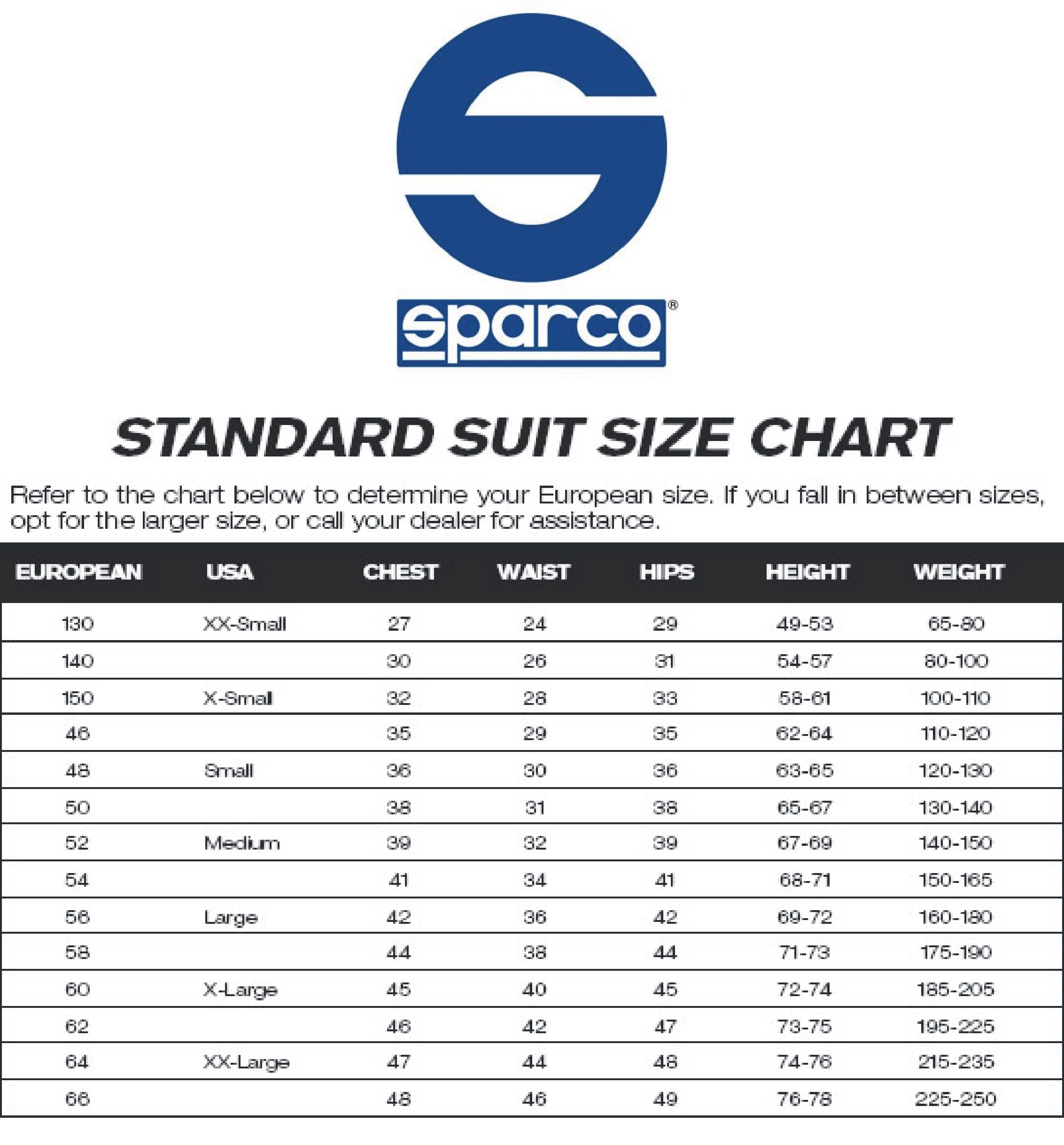
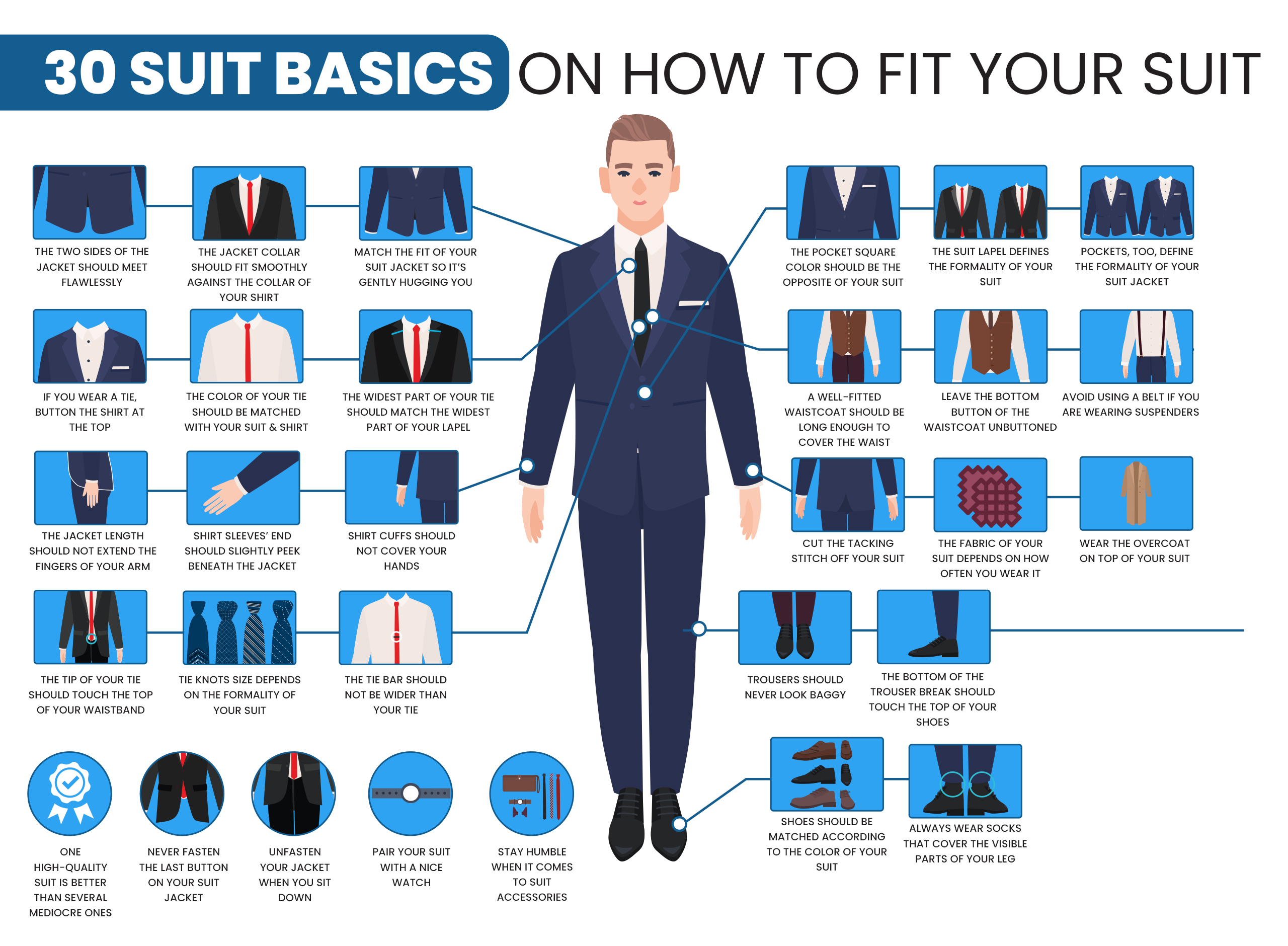
You're likely here because you need a suit size chart to ensure a perfect fit, and you're right to prioritize this. A well-fitted suit is essential, and having an accurate reference is key. The chart provides a simple yet effective way to determine your size, whether you're measuring yourself or referring to a tailor's guide. It's a straightforward process, but it's worth noting that sizing can vary slightly, depending on the brand and your personal preferences. With a quick glance at the suit size chart, you can navigate the differences and find the right measurements for a suit that flatters your figure.
Understanding the Suit Size Chart: A Quick Overview
The suit size chart is an essential tool for anyone looking to purchase or tailor a suit. It provides a standardized guide to help you find the perfect fit for your body type and preferences. This chart offers a simple yet effective way to determine your suit size, ensuring a comfortable and stylish look.
Comparing Suit Size Chart Standards and Formats
Suit size charts can vary slightly depending on the region and standard being used. The most common standards are the US and EU systems, each with its own measurement units and categories. The US system typically uses inches, while the EU system employs centimeters. It's crucial to know which standard you are referring to when using a size chart.
The charts often include categories such as chest size, waist size, and jacket length, providing a comprehensive guide for both the jacket and pants. These categories are further divided into specific measurements, ensuring a precise fit. For instance, the chest size may be categorized into small, medium, and large, with corresponding numerical ranges.
Taking Accurate Measurements: A Step-by-Step Guide
To use the suit size chart accurately, follow these steps:
- Gather a measuring tape and a mirror. Ensure the tape is flexible and can conform to your body's curves.
- Measure your chest size by wrapping the tape around your chest at the widest point, usually just below your armpits. Record this measurement.
- Determine your waist size by measuring the narrowest part of your waist. This measurement is crucial for a well-fitted jacket and pants.
- For jacket length, measure from the base of your neck to where you want the jacket to end. This measurement ensures the jacket's length suits your preference and body type.
- Compare your measurements to the suit size chart's categories and ranges. Choose the size that best aligns with your measurements for a comfortable and stylish fit.
Common Misreadings and How to Avoid Them
Misinterpreting the suit size chart is common, especially when dealing with different standards and measurement units. Always ensure you are using the correct standard for your region or the manufacturer's specifications.
Another pitfall is assuming that one size fits all. Suit sizes can vary between brands and styles, so it's essential to double-check the exact specifications, especially when ordering online. Additionally, remember that the chart provides a guide, and slight variations are normal.
Key Factors Affecting Accuracy and Real-World Use
- Suit measurement guide: Ensure you follow the guide accurately, taking precise measurements.
- Common size variations: Suit sizes can differ between brands, so always check the manufacturer's size guide.
- Pant waist size: This measurement is crucial for a comfortable fit and should be considered carefully.
- Standard suit sizing: While charts provide a standard, individual body shapes and preferences may require adjustments.
- Cm to inches conversion: If you are used to one unit of measurement, ensure you understand the conversion when referring to a different standard.
Adapting the Chart for Your Specific Needs
The suit size chart is a versatile tool, and you can adapt it to suit your preferences and body type. If you prefer a more tailored look, you can use the chart as a starting point and make adjustments based on your measurements.
For instance, if you have a broader chest and a narrower waist, you may need to size up for the jacket and size down for the pants. The chart provides a foundation, but it's essential to consider your unique body shape and style choices.
Remember, the perfect suit fit is a combination of accurate measurements and personal preference. With the right suit size chart and a little tailoring, you can achieve a stylish and comfortable look.
Remember, while this guide offers a comprehensive overview, the exact details can vary slightly across different sources and standards. It's always a good idea to refer back to this page for a quick refresh when you need it, and feel free to explore our other guides for more practical tips and insights. Stay organized, and happy measuring!
Related: Get the Right Fit: New Era Size Chart
A new era size chart is your go-to tool for finding the perfect fit for your headgear. This guide will show you how to navigate and utilize these charts effectively, ensuring you get the right size every time.
Whether you're after a classic new era hat or a trendy cap, understanding the size chart is key. It's a simple process, but one that can vary slightly depending on the style and brand. We'll cover the basics and some tips to ensure you're confident in your measurements.
Understanding the New Era Size Chart
The new era size chart is your go-to guide for finding the perfect fit when it comes to New Era hats and caps. This chart is designed to help you determine your ideal size, ensuring a comfortable and stylish headwear experience.
Key Details and Categories
Before diving into the chart, let's break down some essential information. The new era size chart typically uses a numerical system, ranging from 6 3/4 to 8, with increments of 1/4. These numbers represent the head circumference measurements in inches. So, if you have a head circumference of 22 inches, you'd be looking at a size 7. It's a simple and straightforward system!
How to Read and Apply the Chart: A Step-by-Step Guide
- Measure your head circumference. This is the most crucial step for an accurate fit. Wrap a flexible tape measure around your head, just above your ears and eyebrows. Ensure the tape is not too tight or too loose.
- Refer to the new era size chart. Locate your measured head circumference on the chart. The chart will provide you with the corresponding hat size.
- Choose your style. New Era offers various hat styles, including the iconic era 59 fit and the adjustable fifty caps. Select the style that suits your preference and occasion.
- Try it on! Once you've received your hat, give it a test run. A well-fitted hat should sit comfortably on your head, not too tight or too loose. It should stay put without slipping or feeling restrictive.
Size Variations: Why They Happen
It's important to note that head circumference measurements can vary slightly due to factors like hair volume, hairstyle, and personal preference. Additionally, standard hat sizing may differ slightly between regions and manufacturers. Some brands might offer a slightly different sizing system, so always double-check the specific new era size chart for the most accurate fit.
Common Mistakes and How to Avoid Them
- Measuring inaccurately: Ensure you measure your head circumference correctly. A slight error can lead to an ill-fitting hat. Take your time and be precise.
- Assuming sizes are universal: While new era size chart is a great guide, it's not a one-size-fits-all solution. Different hat styles and brands may have slight variations, so always refer to the specific size chart for the style you're interested in.
- Neglecting personal preference: Comfort and style are subjective. Consider your personal comfort level and the intended use of the hat. If you prefer a looser fit, go for a slightly larger size, and vice versa.
- Overlooking adjustments: Some New Era hats, like the fifty adjustable caps, offer a range of sizes within a single hat. These adjustments provide flexibility, so make sure to utilize them for the perfect fit.
Well, there you have it! A size chart that's a handy tool for anyone navigating the world of sizing. It's a simple guide, but one that can save you time and ensure a perfect fit.
Remember, while this chart offers a great starting point, exact values can vary, so always check your specific needs. It's a good idea to bookmark this page for future reference; you never know when you'll need a quick sizing solution!
Related: Understand the 100 Number Chart Easily
Many folks get tripped up by the 100 number chart's simplicity, but it's a powerful tool when you grasp its potential. This chart, a basic number line or grid, is often overlooked yet incredibly useful for various tasks. It's not just for counting; it's a versatile reference, and understanding its layout is key to unlocking its benefits.
Understanding the 100 Number Chart
The 100 number chart is a simple yet powerful tool for visualizing and understanding numbers from 1 to 100. It's like a map that helps you navigate the world of numbers, showing you how they relate to each other and providing a quick reference for counting, calculating, and identifying patterns.
Key Details and Categories
This chart is typically a grid with 10 rows and 10 columns, creating a hundred squares. Each square contains a number, starting from 1 in the top left and increasing sequentially to 100 in the bottom right. The numbers are arranged in a logical, ascending order, with each row representing a multiple of 10. So, the first row has numbers 1 to 10, the second row has 11 to 20, and so on.
Reading and Applying the Chart
To use the 100 number chart, you simply read the numbers as you would on a regular number line. Start at the top left and move across and down, following the natural flow of the grid. This method is particularly useful for young learners who are just starting to grasp the concept of numbers and their relationships. It helps them count, identify patterns, and understand place value. For example, they can see that the number 23 is in the same row as 13 and 33, which helps reinforce the concept of 'tens' and 'ones'.
Variations and Differences
While the basic structure of the 100 number chart remains consistent, there can be variations in how it's presented or used. Some charts might include additional features like color-coding to highlight patterns or groups of numbers. Others might have certain sections emphasized to focus on specific mathematical concepts, like prime numbers or square numbers. Additionally, the chart's size and format can vary depending on its intended use and the preferences of the user or educator. It's important to note that while the 100 number chart is a great tool for understanding numbers, it's not an exhaustive resource. For more complex calculations or specific mathematical tasks, other charts or reference tables might be more suitable. Always double-check the exact specifications and tolerances for your particular use case.
Well, there you have it! A simple and handy guide to navigating the 100 number chart. Remember, these charts are versatile tools, so always check your specific needs and ensure you're using the right one for your context.
Consider bookmarking this page for future reference. It's a quick and easy way to refresh your memory and ensure you're using the chart correctly. Happy charting!