

Grammar Worksheets Second Grade Overview
You're probably familiar with the door swing chart; it's a handy reference tool that quickly clarifies door swing direction and related details. This chart is your go-to guide, offering a simple visual representation to ensure you get the door swing direction and hand right. While the values and formats may vary depending on your region and specific context, the door swing chart provides a reliable framework to work from.
Understanding Door Swing: A Practical Overview
The door swing chart is an essential reference tool for anyone involved in construction, interior design, or even DIY projects. It provides a clear visual representation of standard door measurements and their swing directions. This chart is your guide to ensuring proper door installation and functionality.
Comparing Door Swing Directions and Standards
Door swing charts typically categorize doors based on their swing direction, which is determined by the door's hand and hinge direction. The chart presents options for left-swing and right-swing doors, with further specifications for inward or outward openings. These categories are crucial for ensuring doors open and close smoothly and safely.
The standards used in the chart may vary depending on the region and specific building codes. For instance, the door swing direction chart might use different measurements and labels for the US market compared to international standards. It's important to refer to the correct chart for your location to avoid any installation errors.
Step-by-Step Guide to Using the Door Swing Chart
To utilize the door swing chart effectively, follow these simple steps:
- Identify the required door opening direction: inward or outward.
- Determine the door's hand, which indicates the side of the door with the hinges.
- Locate the corresponding category on the chart, considering the door's swing direction and hand.
- Measure and note the standard door dimensions, including the width, height, and thickness, as specified on the chart.
- Ensure you have the correct hardware, such as hinges and handles, suitable for the chosen door swing direction.
Common Misreadings and How to Avoid Them
While the door swing chart is straightforward, there are a few potential pitfalls to be aware of:
- Door swing direction is not always intuitive. Ensure you understand whether the chart refers to the door's swing when viewed from inside or outside the room.
- Variations in standards: Be mindful of the chart's specific standard and region. If you're working with a unique or custom door, double-check the exact specifications to avoid errors.
- Door hand and hinge direction can be easily confused. Take a moment to clarify which side of the door is considered the hand and ensure it aligns with the chart's categories.
Remember, while the door swing chart provides a valuable reference, it's always beneficial to consult with professionals or refer to detailed installation guides for complex projects.
Door swing charts are a handy tool, offering a quick reference guide to help you navigate the world of door specifications. While the exact details may differ slightly, the core principles remain the same, ensuring a consistent and reliable resource.
Feel free to bookmark this page for future use; it's a great way to keep this practical information at your fingertips. And don't forget to explore other guides too; there's always something new to discover and learn!
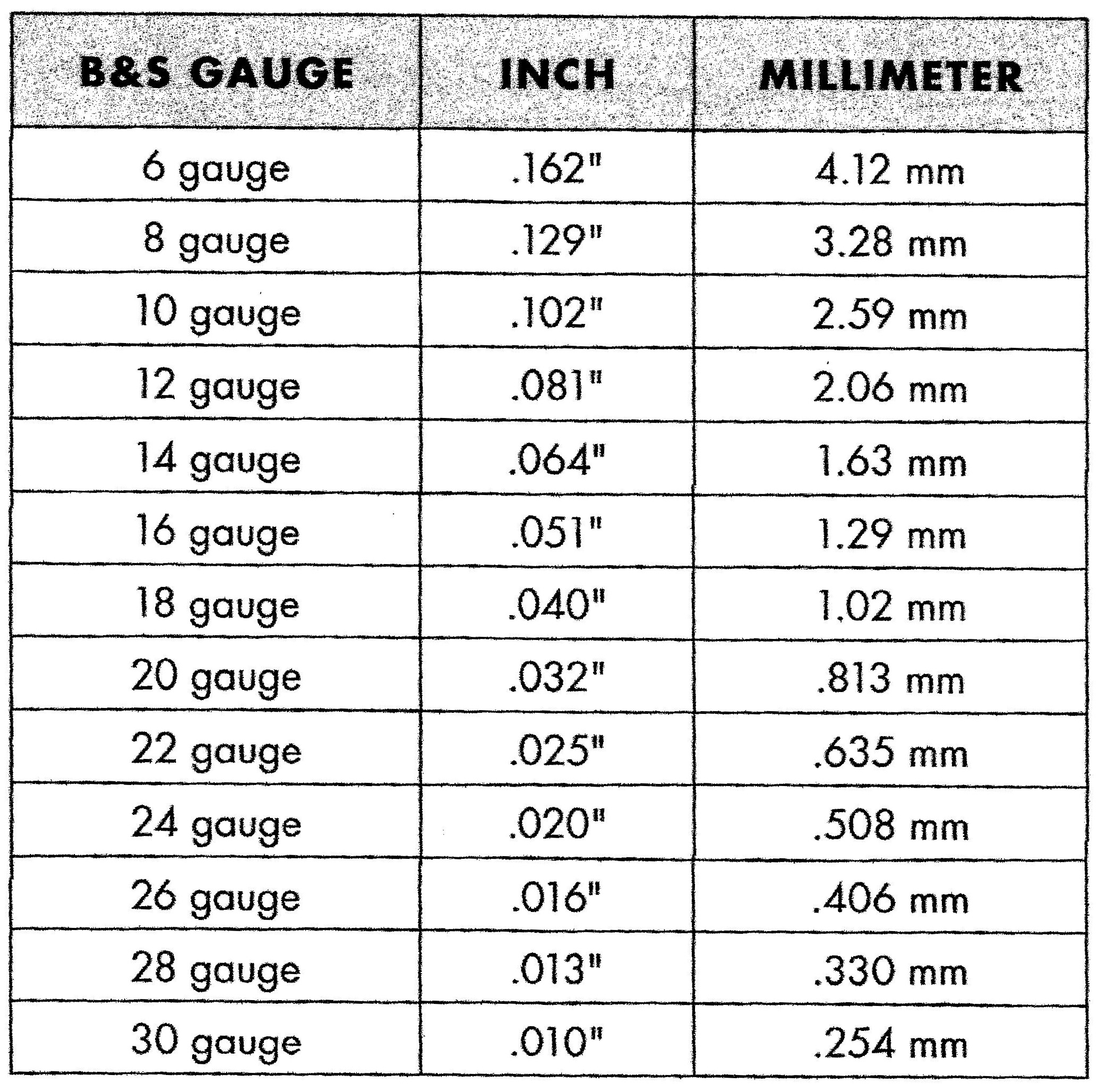
Related: Read Gauge Size Charts: A Simple Guide
A common mistake people make when using a gauge size chart is assuming all charts are the same. But, it's important to remember that these charts can vary depending on the context and the specific system being used.
So, whether you're dealing with needle gauge charts or pipe gauge charts, understanding the variations and reading the right chart accurately is key. While the values and formats may differ, the gauge size chart remains a reliable tool, offering a quick and easy reference for your projects.
Understanding the Gauge Size Chart
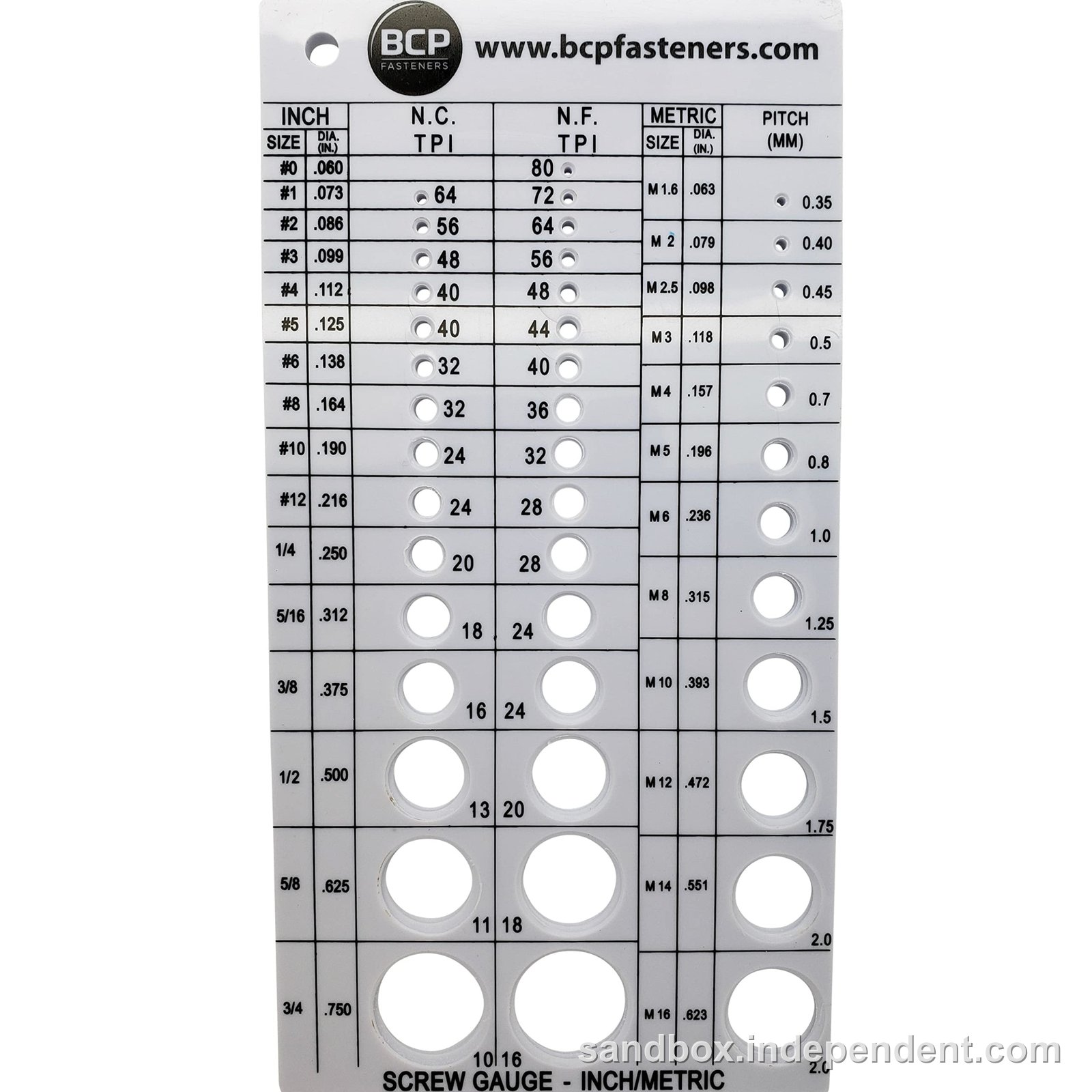
The gauge size chart is your practical guide to understanding the different sizes and measurements used for various objects and materials. It's like a roadmap that helps you navigate the world of gauges and ensures you choose the right size for your needs. This chart provides a standardized way to compare and select the appropriate gauge, whether you're dealing with needles, wires, jewelry, or pipes.
Comparing Gauge Standards and Formats
Gauge sizes can vary depending on the standard being used. There are different systems, such as the standard gauge system and metric gauge measurements, which have their own scales and ranges. For example, the needle gauge chart may use a different scale compared to the wire gauge sizes. It's essential to know which standard applies to your specific application to ensure accurate readings.
Reading the Table: A Step-by-Step Guide
When using a gauge size chart, follow these steps:
Identify the Type: Determine what you need the gauge for, such as needles, wires, or pipes. Each type may have a slightly different chart or scale.
Choose the Standard: Select the appropriate standard for your region or industry. Common standards include the US system and international metric measurements.
Locate the Size: Find the size you require on the chart. The chart will typically have a column or row dedicated to the gauge sizes, with corresponding measurements.
Convert if Needed: If your chart uses a different standard than your application, you may need to convert the size. For instance, converting between jewelry gauge sizes and metric gauge measurements might be necessary.
Common Misreadings and How to Avoid Them
Misinterpreting a gauge size chart can lead to mistakes. Here are some tips to avoid common pitfalls:
Always double-check the standard being used. Different industries or regions may have unique specifications.
Pay attention to the units. Gauge charts may use various units, such as inches or millimeters, so ensure you're reading the correct column or row.
Be aware of tolerances. Some gauges have specific tolerances, and the chart might not cover every possible variation. Check the exact specifications if needed.
Avoid assuming. Don't make assumptions about gauge sizes, especially when dealing with specialized applications. Always refer to the chart for accurate information.
Remember, the gauge size chart is a valuable tool, but it's essential to use it correctly to ensure precision and avoid errors.
Hey there! We've covered a lot of ground with this gauge size chart, giving you the lowdown on the different options and how to use them effectively. Remember, the exact details might shift a bit depending on your specific needs and the standards you're working with.
Don't stress, though; we've got you covered with a range of other guides and resources to explore. Why not check out some of our other practical posts and discover more handy tips and tricks? It's a great way to stay informed and ensure you're always using the right tools for the job. Happy reading, and keep those projects on track!
Related: How to Use the Apoquel Dose Chart?
Frustrated by the endless search for the right information? You're not alone. Many pet owners find themselves seeking a quick, reliable guide to navigate the apoquel dose chart and ensure their furry friends receive the correct dosage. This chart is a crucial tool, offering a simple yet effective way to determine the appropriate treatment for canine allergies. With variations in dosing based on factors like weight and region, having a clear, accessible reference is essential.
Understanding the Apoquel Dose Chart
The apoquel dose chart is a valuable tool for pet owners and veterinary professionals, offering a clear guide to administering the correct dosage of apoquel, a medication used to treat canine allergies. This chart simplifies the process, ensuring your dog receives the right amount based on their weight.
Key Details and Categories
The apoquel dose chart typically presents two main categories: weight ranges and corresponding dosage recommendations. Weight is a critical factor, as it determines the appropriate dose. The chart provides a range of weights, often in kilograms or pounds, with the recommended dosage for each range. This ensures accuracy and safety in medication administration.
Step-by-Step Guide: Reading and Applying the Chart
Follow these steps to accurately use the apoquel dose chart:
- Weigh your dog accurately. Ensure the scale is suitable for your dog's size and provides precise readings.
- Locate your dog's weight on the chart. If their weight falls within a range, choose the dosage for the lower weight in the range. For instance, if your dog weighs 15 kg and the range is 15-20 kg, select the dosage for 15 kg.
- Measure the dosage precisely. Use the appropriate measuring tool, such as a syringe or oral dispenser, to ensure an accurate dose.
- Administer the medication as directed. Follow the instructions for the frequency and timing of doses, typically twice daily for the first two weeks and then once daily thereafter.
Variations and Differences
It's important to note that apoquel dose charts may vary slightly depending on the region and the specific manufacturer's guidelines. Factors like the dog's age, breed, and overall health may also influence dosage, so it's crucial to consult with a veterinarian for personalized advice. Additionally, the chart provides a general guide, and individual cases may require adjustments.
- Key factors influencing dosage:
- Weight of the dog
- Manufacturer's guidelines
- Region-specific standards
- Dog's age and breed
- Overall health condition
Common Dosage Mistakes and How to Avoid Them
To ensure accurate dosing:
- Always refer to the most recent apoquel dose chart provided by your veterinarian or the medication's packaging.
- Avoid rounding up or down when determining the dosage. Stick to the precise weight and corresponding dosage.
- Be mindful of the medication's expiration date and storage instructions to maintain its effectiveness.
- Consult your veterinarian if you have any concerns or questions about the dosage or your dog's response to the medication.
Remember, while the apoquel dose chart is a helpful guide, it's essential to prioritize your dog's health and well-being. Regular communication with your veterinarian is key to ensuring the best care for your canine companion.
Remember that while this chart provides a valuable reference, the exact doses and guidelines may differ slightly depending on various factors. It's always a good idea to consult with a veterinarian for personalized advice and to ensure the best care for your furry friend.
Feel free to bookmark this page for future use, and don't forget to check out our other practical guides for pet owners! We aim to make your life a little easier with these handy resources.