



Gravel Size Chart Free Printable Overview
You've landed here because you need a reliable, quick reference for your Newport tide chart. This essential tool, whether a chart, table, or diagram, provides crucial information for your planning and activities. It's a simple yet powerful resource, offering a snapshot of tidal movements and water levels for Newport and its surrounding areas.
The beauty of the Newport tide chart is its precision and ease of use. While the specific values and formats may vary depending on your region and the source of the data, the core purpose remains the same: to provide an accurate and accessible guide to Newport's tidal rhythms. Whether you're a sailor, fisherman, or just a curious beachgoer, this chart is your key to understanding and navigating the ebb and flow of Newport's waters.
Understanding Newport Tide Charts
Newport tide charts are an essential tool for anyone planning coastal activities, offering a glimpse into the ebb and flow of tide heights and water levels in the region. These charts provide a visual representation of the tidal patterns, helping users navigate the waters safely and efficiently.
Key Details and Categories
The newport tide chart typically displays two main categories: tide times and tide heights. Tide times indicate the specific moments when the tide will be at its highest or lowest points, often referred to as high tide and low tide. These times are crucial for planning activities such as boating, fishing, or beachcombing. Tide heights, on the other hand, represent the vertical difference between high and low tide, providing an understanding of the water's depth and movement.
Reading and Applying the Chart: A Step-by-Step Guide
- Begin by identifying the date and time for which you need the tide information. Newport tide charts often cover a specific period, so ensure you are referring to the correct chart for your intended activity.
- Locate the tide times on the chart. These are usually marked with clear indicators, such as "High Tide" and "Low Tide," along with the corresponding time.
- Once you have the tide times, you can plan your activities accordingly. For instance, if you're boating, you might want to time your departure or arrival with the high tide to ensure sufficient water depth.
- The tide heights section of the chart provides additional insights. It shows the difference in water levels between high and low tide, which is particularly useful for understanding the current flow rates and potential changes in water depth.
- Remember, these charts are a guide, and actual conditions may vary slightly due to weather or other environmental factors. Always exercise caution and stay updated with the latest weather reports and marine forecasts.
Common Variations and Safety Considerations
While newport tide charts are highly accurate, it's important to note that variations can occur due to several factors. Weather conditions, such as strong winds or storms, can influence tide levels and times. Additionally, certain coastal areas may experience unique tidal patterns due to their geographical features. It's crucial to cross-reference the chart with real-time observations and local knowledge, especially in unfamiliar locations. Safety should always be a priority when relying on tide charts, so stay informed and be prepared for any unexpected changes in tide behavior.
It's always a good idea to familiarize yourself with the unique tidal patterns of any new location you visit. While the Newport tide chart provides a reliable reference, remember that exact values can vary, so it's wise to double-check with local sources for the most accurate and up-to-date information.
Feel free to bookmark this page for future reference. It's a handy tool to have on hand when planning your next coastal adventure or activity, ensuring you're always prepared and making the most of the tides.
Related: How to Use a Club Fitting Chart?
You're likely here because you're seeking a straightforward answer or guidance on a specific aspect of your golf equipment. Well, you've come to the right place! The club fitting chart is an invaluable tool for golfers, offering a quick and precise way to navigate the world of golf club specifications. This chart, often presented as a table or diagram, provides essential information to ensure your clubs are tailored to your game. It covers various aspects, including club length, shaft flexibility, grip size, and more, allowing you to make informed decisions about your equipment.
What is a Club Fitting Chart?
A club fitting chart is an essential tool for golfers, providing a comprehensive guide to selecting the right golf clubs for an individual's unique needs and preferences. It offers a systematic approach to choosing the correct club specifications, ensuring an optimal fit and enhancing performance on the course.
Key Details and Categories
The chart typically includes various categories and specifications, such as club length, shaft flex, grip size, lie angle, and swing weight. Each category has a range of options, allowing golfers to make informed decisions based on their swing characteristics, strength, and personal comfort.
Reading and Applying the Chart: A Step-by-Step Guide
- Start by understanding your dominant hand. Golf clubs are designed for either right- or left-handed golfers, so this is a critical first step.
- Measure your height and wrist-to-floor distance. These measurements are essential for determining the appropriate club length. The club fitting chart will provide a range of lengths based on your height and wrist-to-floor distance, offering a starting point for your selection.
- Assess your swing speed and strength. This information is crucial for choosing the correct shaft flex. A stiffer shaft is recommended for golfers with faster swing speeds and more strength, while a more flexible shaft is suitable for slower swings and those with less power.
- Consider your grip size. The chart will provide a range of grip sizes based on the circumference of your dominant hand. A well-fitted grip ensures a comfortable and secure hold on the club.
- Understand your lie angle preference. The lie angle is the angle formed by the shaft and the clubface. It is influenced by your swing type and the conditions you typically play in. The chart will guide you towards the appropriate lie angle for your needs.
- Check the swing weight. This measurement indicates the club's overall balance and feel. The club fitting chart will provide a range of swing weights, and you can choose one that feels natural and comfortable during your swing.
Variations and Differences
It's important to note that club fitting charts may vary depending on the standard being used. Different regions and manufacturers may have slightly different specifications and categories. Additionally, personal preferences and playing conditions can also influence the choices made when using a club fitting chart. For instance, a golfer who plays on hilly courses may prefer a different lie angle than one who plays on flat terrain.
Common Mistakes to Avoid
- Relying solely on the chart without considering your unique swing characteristics and preferences. It's essential to use the chart as a guide but also trust your own experience and comfort.
- Neglecting to measure accurately. Inaccurate measurements can lead to an incorrect club fit, so take the time to measure properly.
- Overlooking the importance of shaft flex. Choosing the wrong shaft flex can significantly impact your performance and comfort.
Practical Fitting Tips
- When in doubt, consult a professional club fitter. They can provide expert advice and ensure a precise fit.
- Consider your playing environment and the conditions you typically encounter. This will influence your choices, especially regarding lie angle and shaft flex.
- Be open to trying different options. The chart provides a starting point, but you may find that slight variations in specifications work better for your game.
Double-Checking and Edge Cases
Always refer to the specific club manufacturer's guidelines and recommendations. While the club fitting chart provides a general guide, some manufacturers may have unique specifications or tolerances. Additionally, if you have physical limitations or unique swing characteristics, it's essential to discuss these with a professional fitter to ensure the best fit for your needs.
Well, there you have it! A comprehensive guide to club fitting charts, covering all the essential aspects. Remember, these charts are a fantastic tool, but it's always wise to ensure you're using the right one for your specific needs. Exact values can vary, so double-check the standards and sources relevant to your context.
Consider bookmarking this page for future reference; it's a handy resource to have at your fingertips when you need a quick reminder or a detailed explanation. Happy club fitting!
Related: What's the best way to use a slacks size chart?
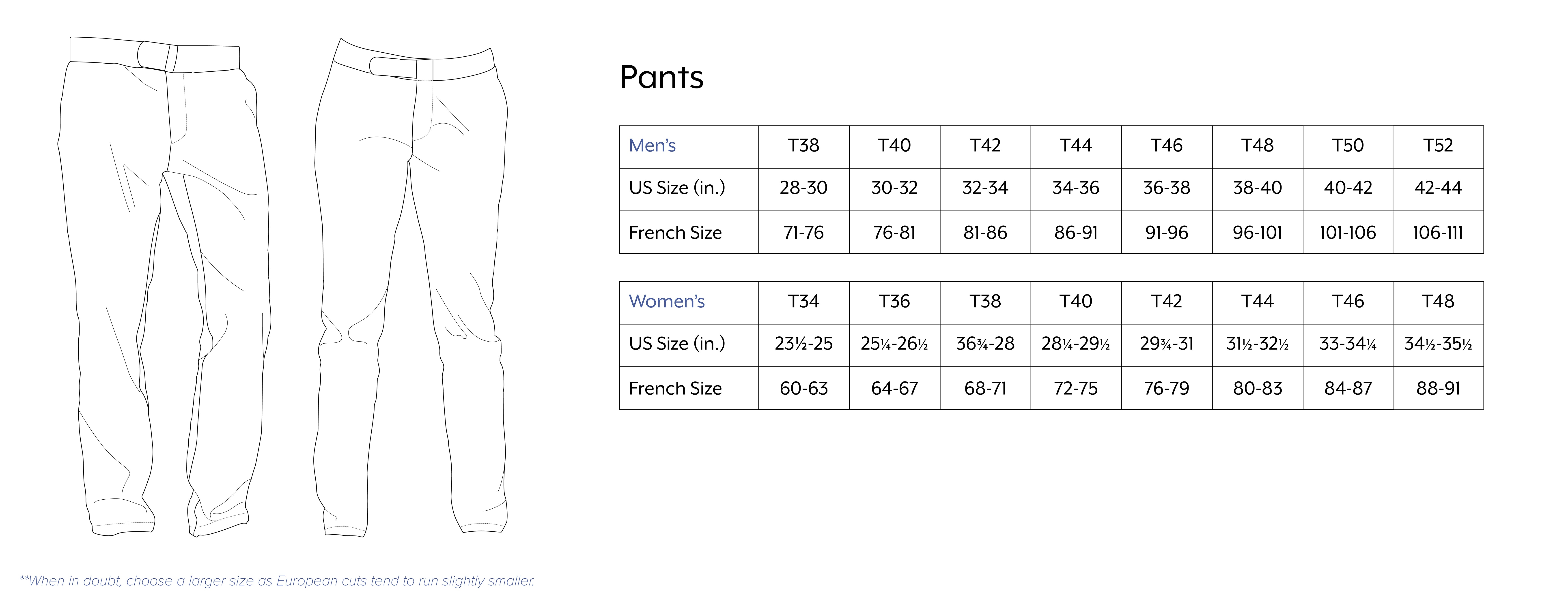
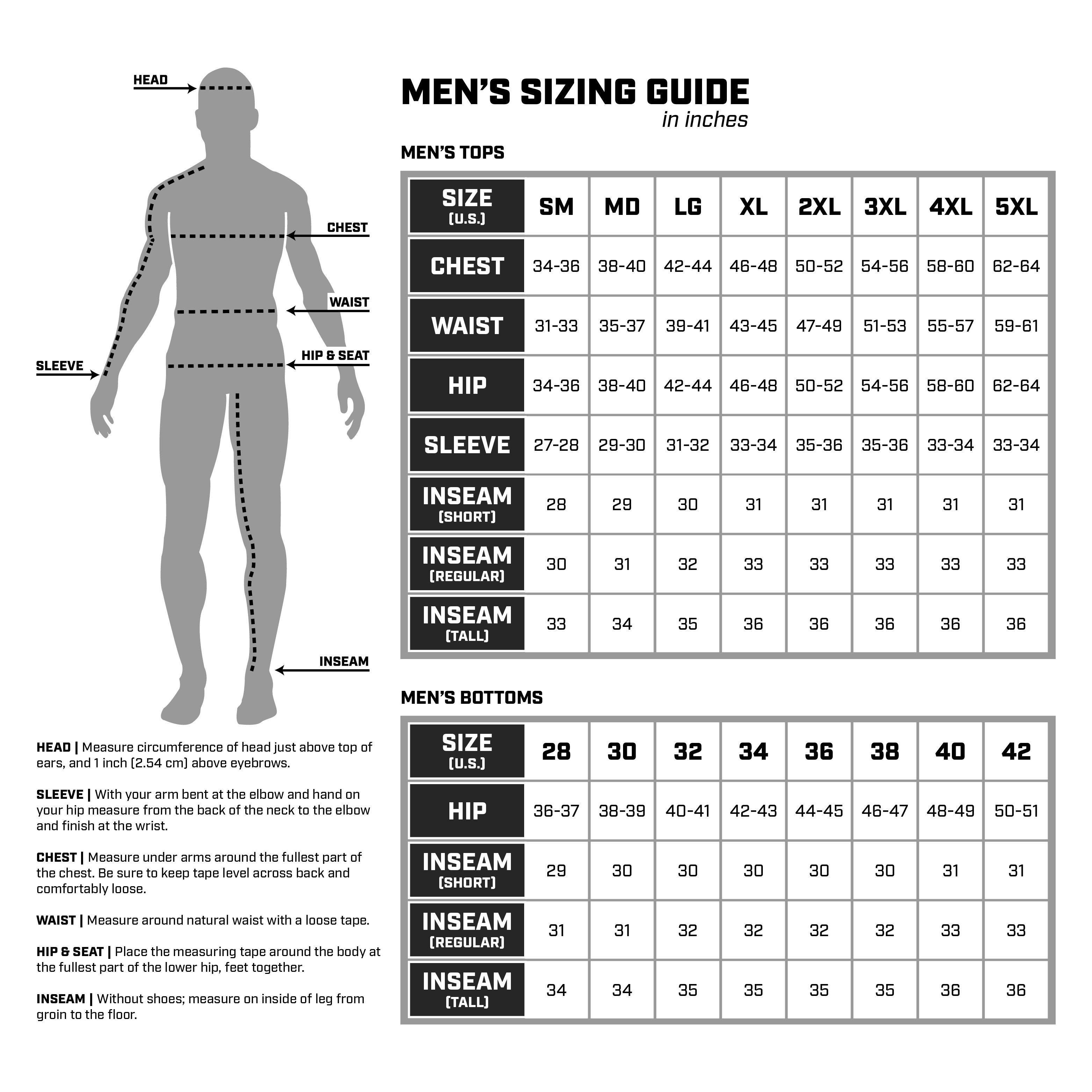
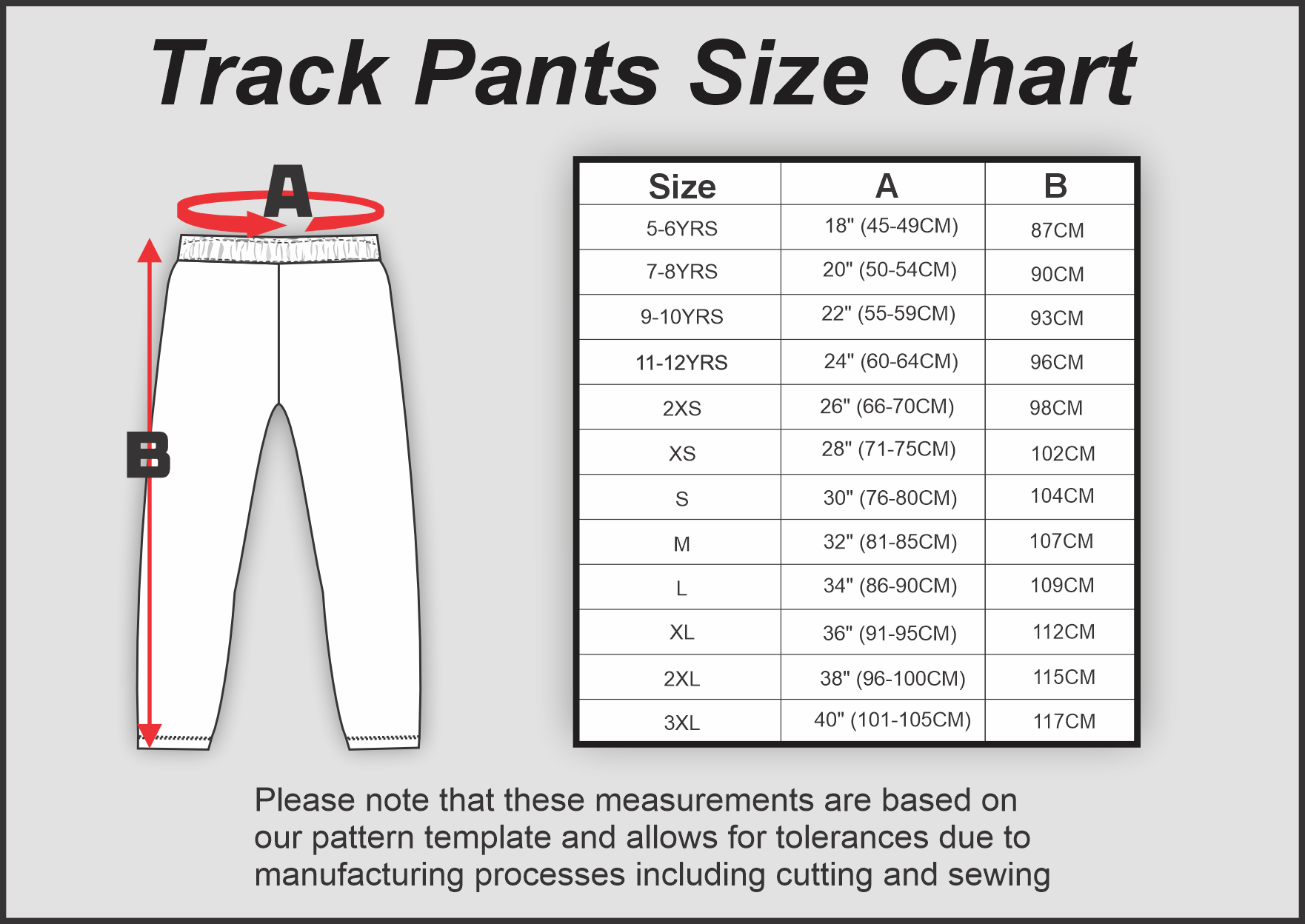
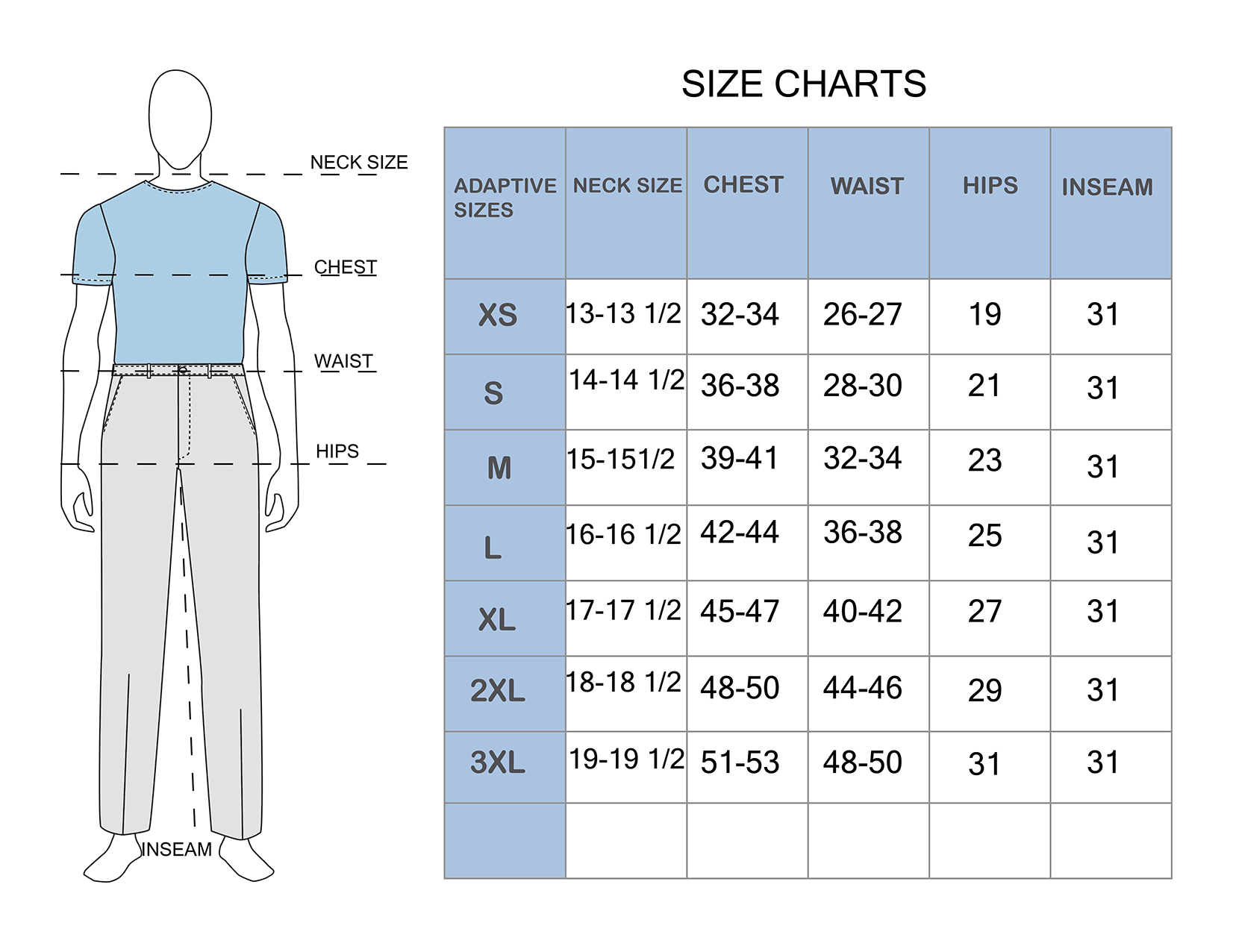
A slacks size chart is your handy tool for ensuring a perfect fit every time. This guide will walk you through the ins and outs, offering a simple approach to understanding those charts and ensuring you get the right size.
You'll find these charts are a great reference, offering waist size charts, pant guides, and even international size standards. While the values may vary slightly depending on the brand and region, they provide a reliable starting point for your measurements.
Understanding Slack's Size Chart
A waist size chart is a handy tool to help you find your perfect fit when shopping for slacks. It's a reference guide that translates your body measurements into the right size label, making it easier to choose the correct pair of pants.
Comparing Size Chart Standards
Size charts can vary depending on the brand and region. For example, a pant size guide from a US brand might use different measurements or labels compared to an international brand. It's important to check which standard the chart follows to ensure an accurate fit.
Step-by-Step Guide to Using the Size Chart
Using a slacks size chart is simple. Here's a quick guide:
Measure your waist: Use a tape measure to find your natural waist, which is usually the smallest part of your waist. Make sure the tape is snug but not too tight.
Find your waist size: Look for the waist measurement column on the chart. It will typically list a range of sizes, often in inches or centimeters. Find the number that matches or is closest to your waist measurement.
Check the hip measurement: Some charts also include hip measurements. If your hips are wider than your waist, ensure the hip measurement on the chart accommodates your body shape.
Consider the inseam: The inseam length determines how long your pants will be. Choose the length that suits your preference and height.
Avoiding Common Misreadings
It's easy to misinterpret a size chart if you're not familiar with it. Here are some tips to avoid common mistakes:
Always double-check the units of measurement. Some charts use inches, while others use centimeters.
Pay attention to the size labels. Brands might use different terminology, so ensure you understand their specific size categories.
If you're between sizes, it's often better to size up for comfort. Most charts provide a range, so choose the larger size if you're unsure.
Factors Affecting Accuracy
Several factors can influence the accuracy of a slacks size chart:
Body shape: The chart provides a general guide, but everyone's body is unique. Factors like muscle mass, bone structure, and body fat distribution can affect how clothes fit.
Fabric and design: The material and cut of the pants can impact the fit. Stretch fabrics might offer more flexibility, while structured fabrics may require a more precise fit.
Personal preference: Comfort and style are subjective. Some people prefer a looser fit, while others like their pants more tailored. Consider your personal style and comfort level when choosing a size.
Adapting the Chart for Your Needs
The beauty of a slacks size chart is its adaptability. You can use it as a starting point and make adjustments based on your preferences:
If you prefer a more relaxed fit, choose a size larger than your measured waist size.
For a more tailored look, opt for a size that matches your waist measurement precisely.
Consider the rise of the pants (high, medium, or low) and choose a size that aligns with your preference.
Keeping Your Reference Reliable
To ensure a consistent and reliable experience, it's beneficial to keep your slacks size chart updated:
Measure yourself regularly, especially if you've gained or lost weight. Body measurements can change over time, so it's essential to have an accurate reference.
Take note of the brand and style of pants you usually wear. This information can help you quickly identify your size when shopping online or in-store.
Share your measurements with trusted friends or family members. This way, they can assist you in finding the right size when shopping together.
Well, there you have it! A comprehensive guide to slacks size charts, covering all the bases. We've explored the different options, learned the steps to get an accurate fit, and even discussed some common pitfalls to avoid.
Remember, when it comes to size charts, there can be slight variations, so always double-check the specific requirements for your chosen brand or style. It's a good idea to keep this page bookmarked for future reference, so you can quickly refer back to it when needed. Stay stylish, and happy sizing!