




Gravel Size Chart Template Overview
A boot width chart is a valuable tool for anyone seeking precise fit and comfort in their footwear. This guide aims to demystify the chart's purpose and usage, offering a straightforward reference for your boot-buying journey.
The chart provides a standardized way to measure and compare boot widths, often using the "boot last width" or "foot girth" measurements. While values may vary depending on regional standards and brand specifications, understanding this chart is essential for achieving the perfect fit.
Understanding the Boot Width Chart: A Practical Guide
The boot width chart is a valuable tool for anyone seeking to find the perfect fit for their footwear, especially when it comes to boots. This chart provides a standardized way to understand and compare the width of different boots, ensuring a comfortable and secure fit. Let's delve into the details of this chart and how it can assist you in your footwear choices.
Comparing Boot Width Standards and Formats
Boot width charts typically follow specific standards and formats to ensure consistency. The most common standard is the boot last width, which refers to the width of the foot's shape used as a mold for boot construction. This width is measured at the ball of the foot, the widest part, and is a crucial reference point. The chart categorizes boot widths into different standard shoe width categories, such as narrow, medium, wide, and extra-wide, making it easier to find the right fit.
Step-by-Step Guide to Using the Boot Width Chart
Using the boot width chart is a straightforward process:
Measure your foot width: Use a reliable measuring tool or visit a footwear store where professionals can assist you. Measure the width of your foot at the ball, ensuring an accurate representation of your foot's girth.
Refer to the chart: Locate the standard shoe width category that matches your foot width measurement. The chart will provide a range of boot widths that are suitable for your foot.
Choose the right boot: With the width category in mind, browse through boot options. Look for boots labeled with the corresponding width or those that fall within the recommended range. This ensures a comfortable and secure fit, preventing issues like blisters or discomfort.
Consider personal preferences: While the chart provides a great starting point, personal comfort and style preferences also play a role. Some individuals may prefer a slightly looser or tighter fit, depending on their activities and foot shape.
Common Misreadings and How to Avoid Them
One common mistake is assuming that all boots within a standard shoe width category will fit identically. In reality, boot widths can vary slightly between brands and models. It's essential to try on boots and assess the fit personally, especially if you're between sizes or have unique foot characteristics. Additionally, remember that the boot width chart provides a general guide; individual foot shapes and preferences may require slight adjustments.
Factors Affecting Boot Width Accuracy
Several factors can influence the accuracy of the boot width chart and the overall fit of boots:
Foot shape: The natural shape of your foot, including its arch and instep, can impact the width required for a comfortable fit.
Brand and model variations: Different boot manufacturers and models may have slight variations in their width measurements, even within the same standard shoe width category.
Material and construction: The materials used and the boot's construction technique can affect the overall fit and stretchability of the boot.
Personal comfort preferences: While the chart provides a guide, individual comfort levels and preferences can vary, influencing the perceived fit.
Choosing the Right Boot Width Chart for Your Needs
When selecting a boot width chart, consider your specific requirements:
Region and standards: Ensure the chart follows the relevant standards for your region, whether it's the US or international metric standards.
Activity and purpose: Different activities, such as hiking, skiing, or casual wear, may require varying levels of comfort and support, influencing the width you choose.
Brand and model variations: Some brands may offer their width charts or provide specific width recommendations for their models. Refer to these charts for a more precise fit.
Maintaining Reliable Reference and Setup
To ensure consistent and accurate use of the boot width chart, consider the following:
Regularly update your foot measurements: As your feet may change over time, especially with age or weight fluctuations, it's beneficial to re-measure your foot width periodically.
Keep a record: Maintain a record of your foot measurements and the corresponding standard shoe width category. This record will help you quickly reference your size when shopping for boots.
Try on boots: While the chart is a great guide, always try on boots to ensure a comfortable fit. Trust your personal comfort and the feel of the boot on your foot.
By understanding and utilizing the boot width chart, you can make informed decisions when choosing boots, ensuring a perfect fit and a pleasant footwear experience. Remember, a well-fitted boot is key to comfort and performance, so take the time to find the right width for your unique feet.
Well, there you have it! A comprehensive guide to boot width charts, covering all the essential aspects. Remember, when it comes to practical tools like these, context is key. Ensure you consider your unique requirements and environment before making any final decisions.
Feel free to explore our other guides and resources; we've got a range of practical topics covered to help you on your path to becoming an expert. Happy reading, and here's to finding the perfect fit!
Related: How to Read and Use My Virtua Chart: A Guide
Many people approach my virtua chart with a misconception that it's a complex and intimidating tool, but it's quite the opposite. "My virtua chart" is a straightforward and incredibly useful resource, designed to provide an instant snapshot of information. It offers a simple and visual way to understand and compare data, making it an efficient reference for anyone seeking quick insights. This chart, or virtual reference table, is an accessible guide, and its versatility is often an unexpected benefit.
An Overview of My Virtua Chart
My Virtua Chart is a versatile and practical tool, offering a visual representation of various measurements and conversions. It serves as a quick reference guide for everyday use, providing an easy way to navigate and understand different units and their relationships. This chart is an invaluable resource for anyone seeking accurate and efficient conversions.
Comparing Standards and Formats
The beauty of My Virtua Chart lies in its ability to accommodate multiple standards. Whether you're working with the imperial system or metric units, the chart adapts to your needs. It presents conversions for length, weight, volume, and temperature, ensuring you can easily switch between different measurement systems. The chart's flexibility makes it an essential tool for international use, where multiple standards often coexist.
Step-by-Step Guide to Using My Virtua Chart
Using My Virtua Chart is straightforward. First, identify the unit you want to convert from. Locate this unit on the chart, and follow the row or column to find the equivalent value in the desired unit. For instance, if you're converting inches to centimeters, find the "inches" row and follow it to the "cm" column. The intersection gives you the accurate conversion.
- Start by identifying the unit you wish to convert from.
- Locate this unit on the chart, typically along the left side or top.
- Follow the row or column associated with your unit to the desired unit.
- The intersection provides the accurate conversion value.
- Repeat for any additional conversions needed.
Variations and Common Misreadings
While My Virtua Chart is a reliable tool, it's essential to be aware of potential variations. Different industries or regions may have specific tolerances or standards, so always double-check critical applications. - Common mistakes include misreading decimal places or assuming a single chart covers all variations. - Always refer to the chart's key or legend for any specific notes or exceptions. - Stay vigilant, especially when dealing with precise measurements, to ensure accurate conversions.
Your Virtua Chart is a handy tool, offering a quick and practical solution for your reference needs. With its clear structure, you can easily navigate and find the information you require.
Remember, while this guide provides a solid framework, it's essential to consider your unique circumstances. Exact values and details may vary, so a quick check of your specific context will ensure you're on the right track. It's always a good idea to have this page bookmarked for future reference; a simple and efficient way to keep your projects organized and on course.
Related: How to Read the "ir verb chart" Easily?
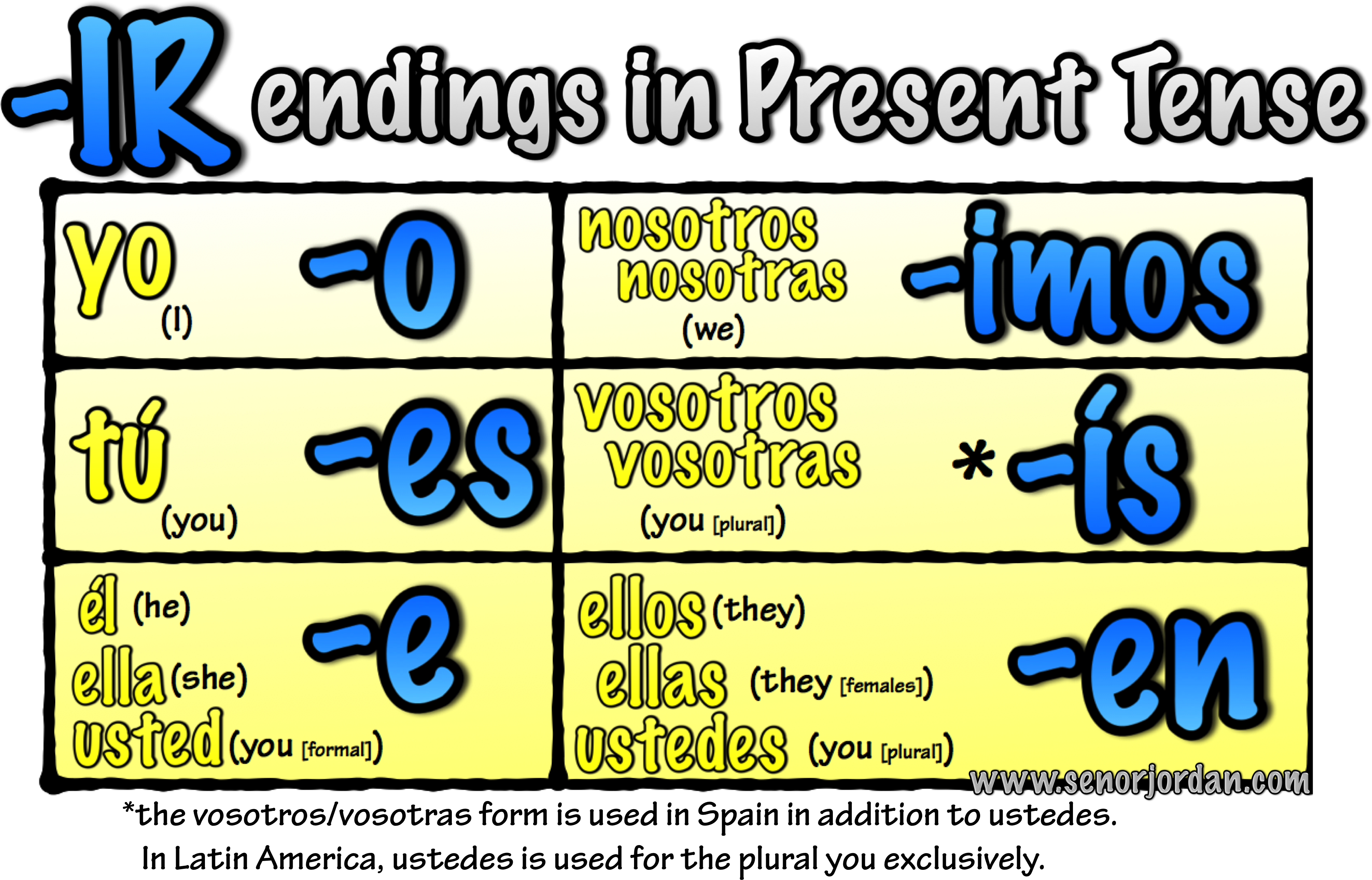
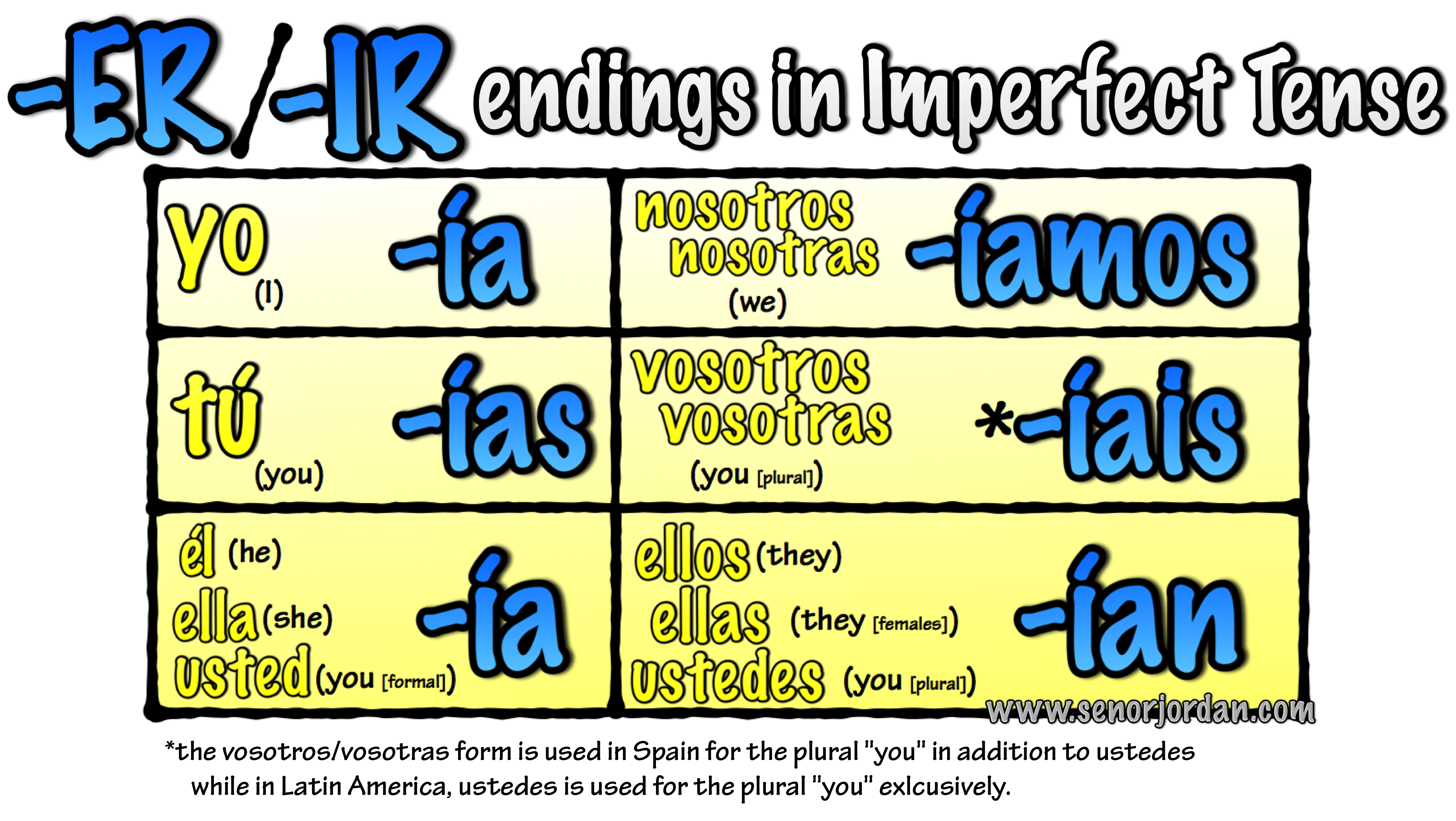
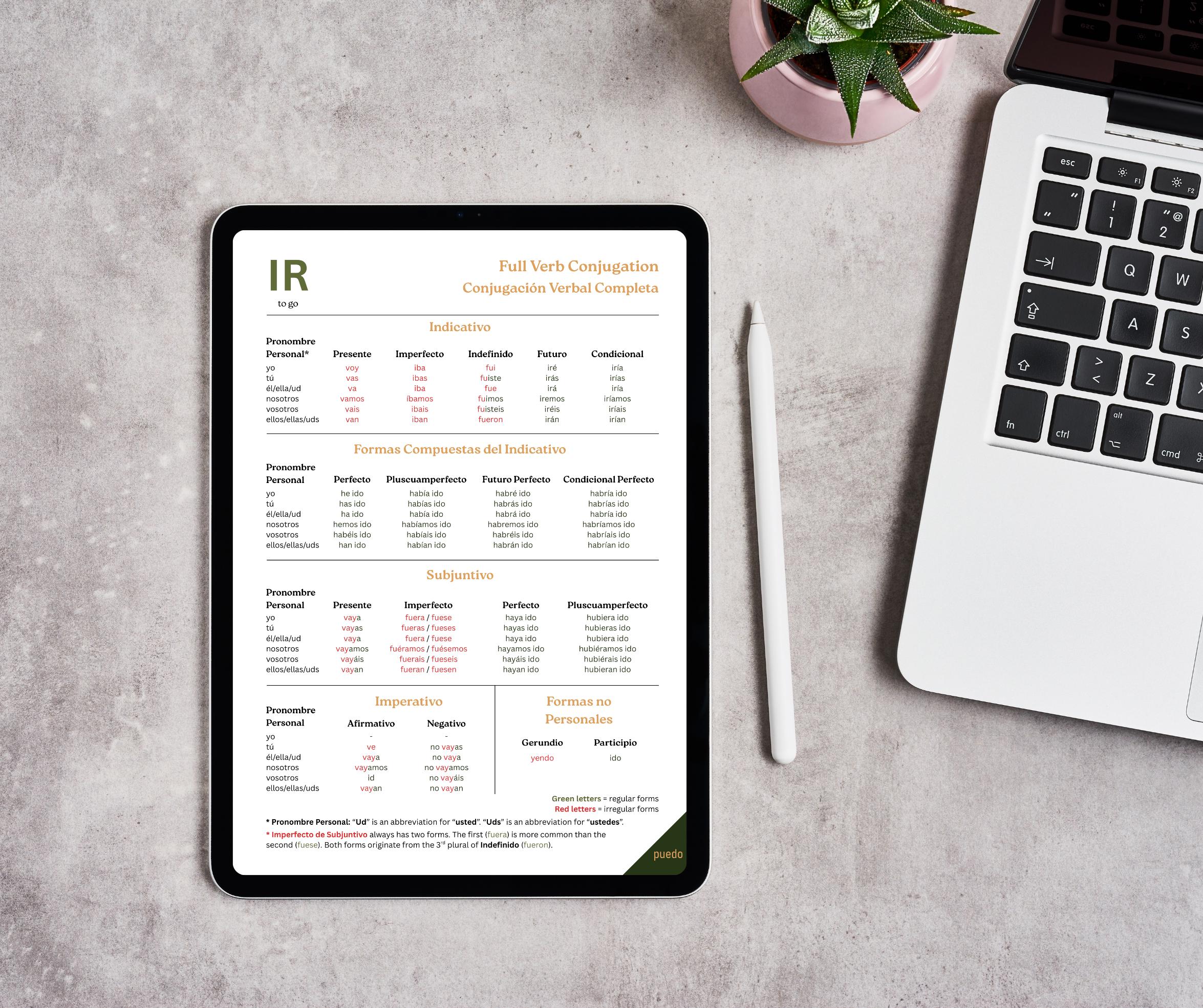
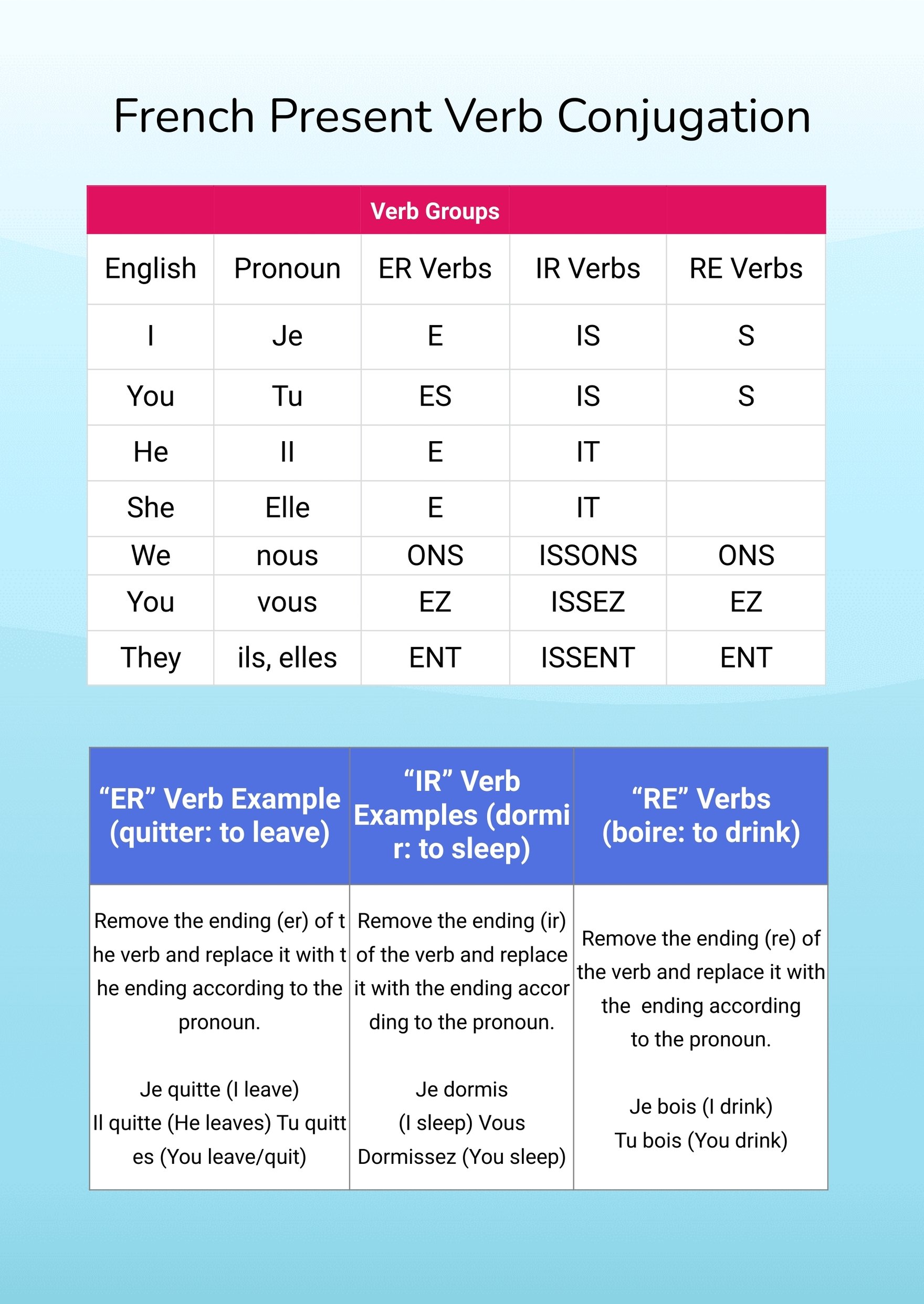
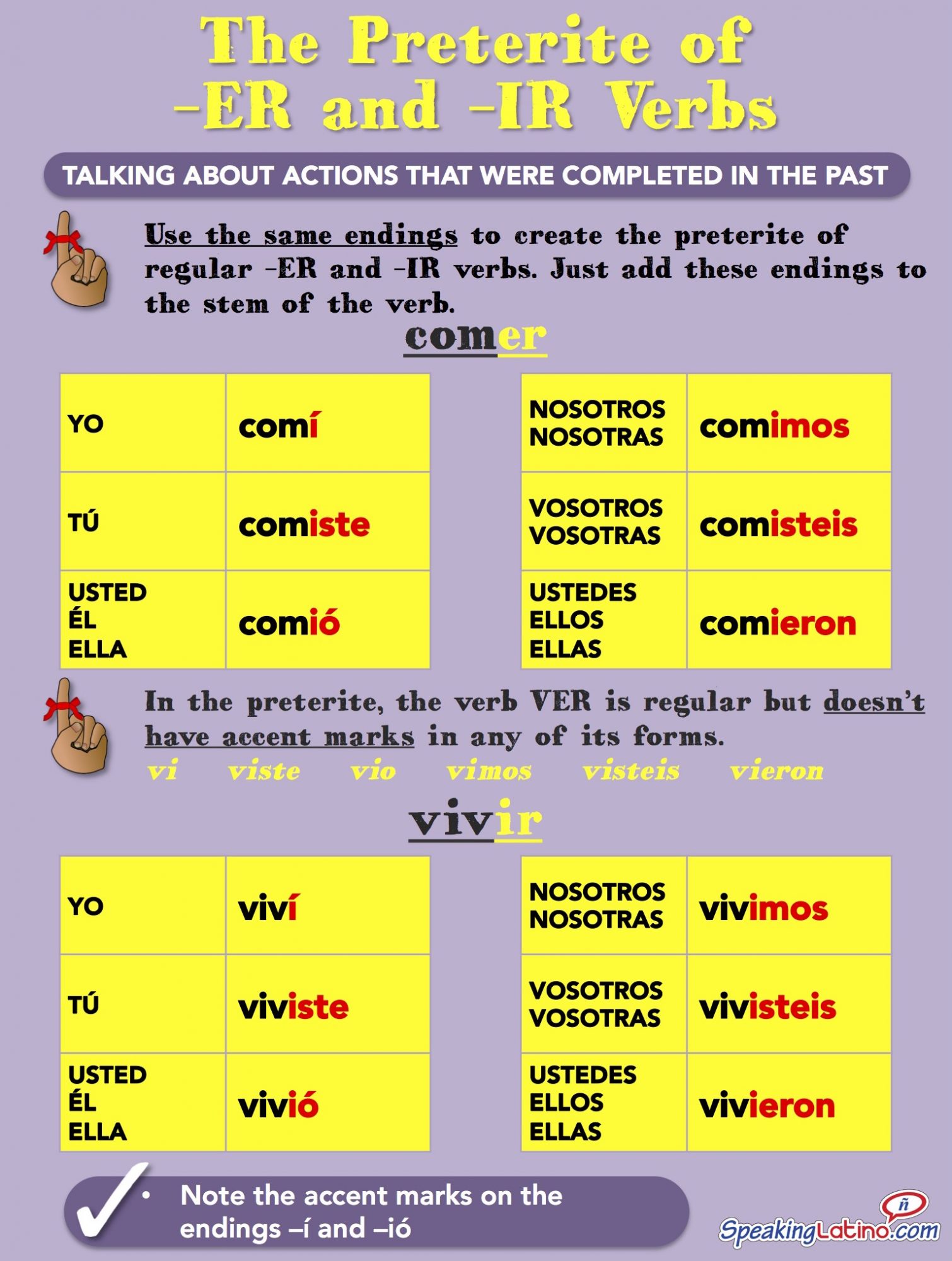
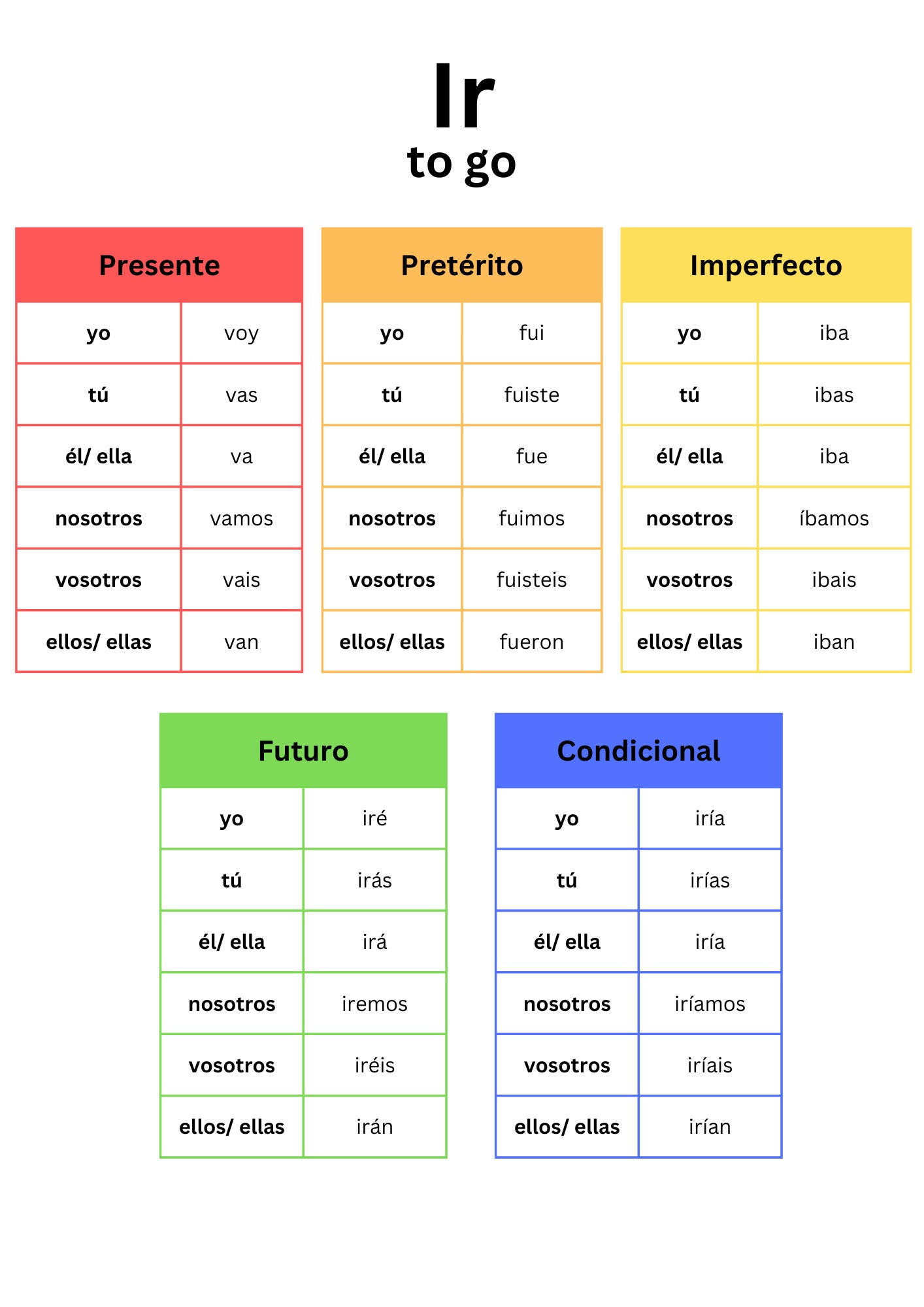
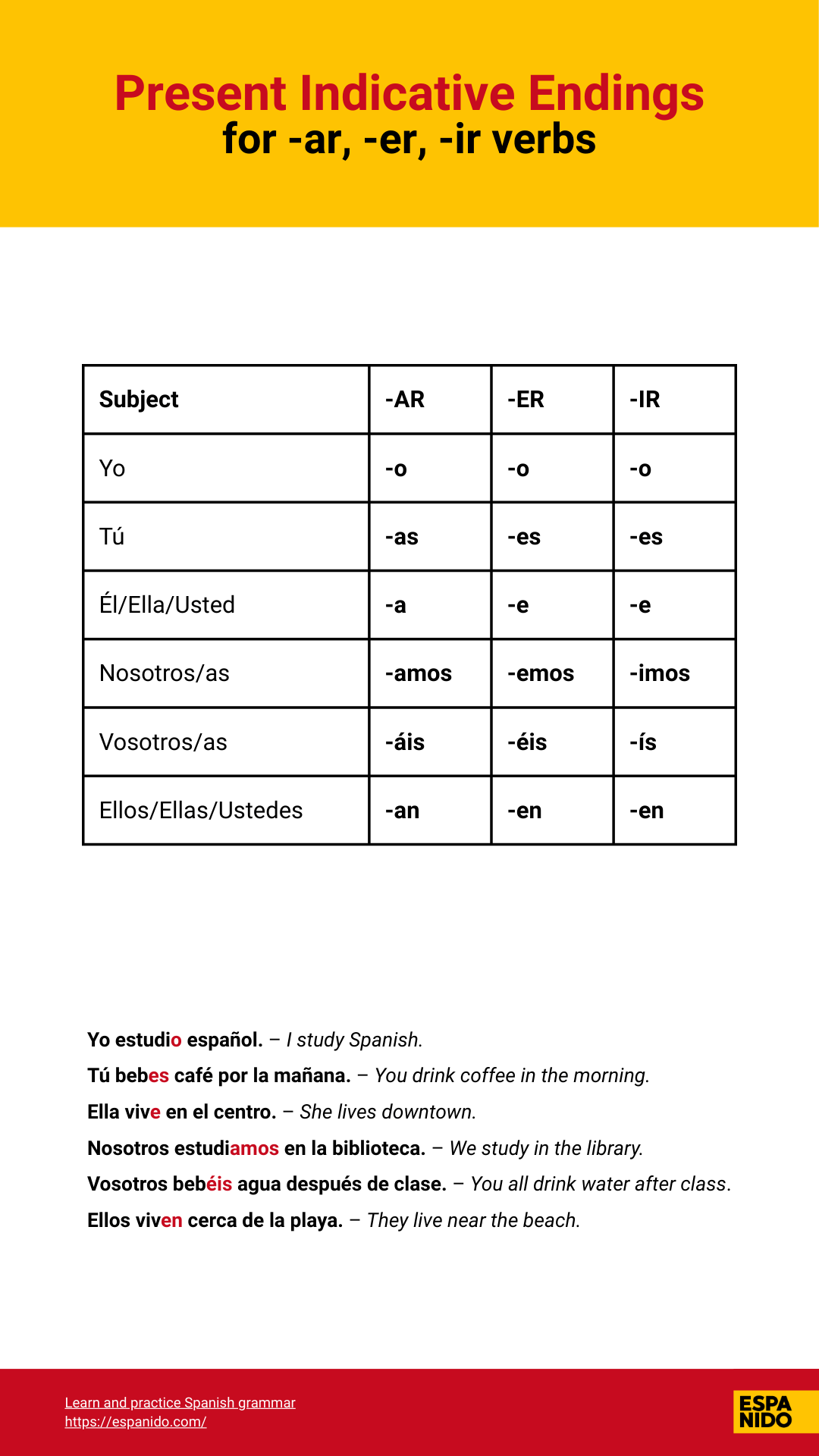
You've landed on this page, perhaps with a specific task in mind or a quick reference need. The ir verb chart is a handy tool, a concise visual guide, that can save you time and effort when navigating Spanish verb conjugations. It offers a structured overview, allowing you to find and understand verb forms efficiently, covering present, past, and future tenses. While the chart's layout and details may vary, its purpose remains consistent: to provide a reliable reference for regular verbs in Spanish.
Understanding the Ir Verb Chart: A Quick Overview
The ir verb chart is an invaluable tool for Spanish language learners, offering a comprehensive visual guide to the conjugation of regular verbs ending in 'ir'. It serves as a reference, providing a clear layout of verb forms across different tenses and persons. This chart is an essential resource for mastering Spanish grammar and ensuring accurate verb usage in various contexts.
Comparing Conjugation Patterns: Regular Verbs vs. Irregulars
While the ir verb chart focuses on regular verbs, it's important to note the existence of irregular verbs, which do not follow standard conjugation patterns. These verbs require separate memorization and are not represented on the chart. Regular verbs, on the other hand, adhere to consistent rules, making the ir verb chart a reliable guide for most verb forms.
Step-by-Step Guide: Using the Ir Verb Chart
To utilize the ir verb chart effectively, follow these steps:
- Identify the verb tense you wish to conjugate. The chart typically covers present, past, and future tenses, each with its section.
- Locate the verb ending you need to conjugate. For instance, if you want to conjugate 'mirar' (to look), find the 'ar' ending section.
- Within the chosen section, find the specific person (e.g., yo, tú, él/ella, nosotros/as) you wish to conjugate for.
- Read across to the appropriate tense column to find the conjugated form. For example, 'yo miro' (I look) in the present tense.
- Repeat this process for other tenses and persons as needed.
Avoiding Common Pitfalls: Misreading and Mistakes
One common mistake is misreading the chart, especially when unfamiliar with Spanish verb endings. Ensure you understand the verb ending and its corresponding section. Another pitfall is assuming all verbs follow the regular pattern. Always double-check for irregular verbs, especially common ones like 'ser' (to be) or 'ir' (to go).
Factors Affecting Accuracy: Regional Variations and Tenses
The accuracy of the ir verb chart can be influenced by regional variations in Spanish. While the chart provides a standard guide, some verbs may have slight differences in certain Spanish-speaking countries. Additionally, the chart primarily covers regular verbs, so it's essential to be aware of irregular verbs and their unique conjugations.
Choosing the Right Format: Adapting to Your Needs
There are various formats of the ir verb chart available, catering to different learning styles and preferences. Some charts are more detailed, covering all tenses and persons, while others focus on specific tenses or provide a simplified layout. Choose the format that best suits your learning goals and level of Spanish proficiency.
Maintaining Reliability: Keeping Your Reference Up-to-Date
To ensure the reliability of your ir verb chart, it's crucial to regularly update your reference materials. Spanish language resources, including verb charts, may evolve and improve over time. Stay informed about any updates or new editions of the chart to access the most accurate and comprehensive guide for your Spanish conjugation needs.
Well, that's a wrap on our exploration of the IR verb chart and its practical applications. We've covered a lot of ground, from understanding the chart's purpose to mastering its use and avoiding common pitfalls. Remember, the key to success lies in adapting the chart to your specific needs and keeping your reference materials up-to-date.
Before you go, it's worth emphasizing the importance of considering your unique context. Exact values and formats may vary, so double-check the standards and sources relevant to your situation. With that in mind, I hope this guide proves invaluable the next time you need a quick reference. Feel free to bookmark this page for future use!