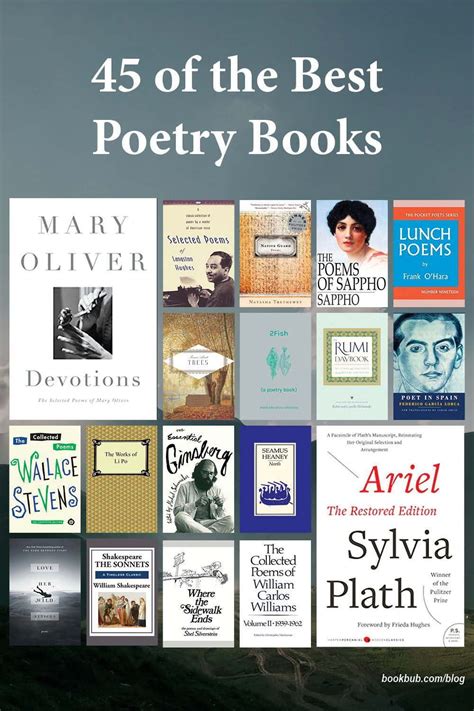
The world of poetry is a vast and wondrous place, filled with a diverse array of voices, styles, and themes. From the classical works of ancient civilizations to the modern and experimental poetry of today, there is something for every reader to enjoy. When it comes to great poetry books, there are countless options to choose from, but here are a few that stand out as particularly remarkable.
First and foremost, there is the classic collection of poetry known as “The Canterbury Tales” by Geoffrey Chaucer. Written in the late 14th century, this masterpiece of Middle English literature is a must-read for anyone interested in poetry. The book tells the story of a group of pilgrims traveling from London to Canterbury Cathedral, each with their own unique tale to tell. With its rich language, vivid characters, and exploration of themes such as love, morality, and social class, “The Canterbury Tales” is a work of poetry that continues to captivate readers to this day.
Another great poetry book is “The Waste Land” by T.S. Eliot. Published in 1922, this modernist masterpiece is a sprawling, fragmented work that defies easy summary. Drawing on a wide range of cultural and literary references, from Shakespeare to Buddhist scripture, “The Waste Land” is a poem that rewards close reading and reflection. With its innovative use of language, its exploration of themes such as disillusionment and spiritual decay, and its influence on generations of poets and writers, “The Waste Land” is a work of poetry that continues to be widely studied and admired.
For those interested in more contemporary poetry, the collection “Citizen: An American Lyric” by Claudia Rankine is a powerful and thought-provoking work. Published in 2014, this book is a genre-bending blend of poetry, prose, and visual art that explores the experiences of black Americans in the 21st century. With its innovative use of form and language, its unflinching examination of racism and injustice, and its celebration of black culture and identity, “Citizen” is a work of poetry that has resonated with readers and critics alike.
In addition to these individual collections, there are also many great anthologies of poetry that showcase the work of multiple poets. One example is “The Norton Anthology of Poetry,” which features a wide range of poems from different eras and cultures. Another example is “The Oxford Book of American Poetry,” which highlights the work of American poets from the colonial era to the present day. These anthologies are a great way to discover new poets and poems, and to explore the many different styles and themes that poetry has to offer.
When it comes to reading poetry, it's often helpful to approach the work with an open mind and a willingness to slow down and savor the language. Poetry is a highly condensed and expressive form of writing, and it often rewards close attention and reflection. By taking the time to read and reread a poem, and to consider its themes, imagery, and other literary devices, readers can gain a deeper understanding of the work and appreciate its beauty and significance.
For example, consider the poem “The Road Not Taken” by Robert Frost. On the surface, this poem appears to be a simple and straightforward meditation on choice and regret. However, as readers delve deeper into the poem, they may begin to appreciate its more nuanced themes and symbolism. The road not taken, for instance, can be seen as a symbol of the choices we make in life, and the opportunities that we let slip away. The poem’s famous final line, “I took the one less traveled by, / And that has made all the difference,” can be interpreted in many different ways, and its meaning continues to be debated by scholars and readers to this day.
How to Read a Poem
- Start by reading the poem slowly and carefully, paying attention to its language, imagery, and other literary devices.
- Consider the poem's themes and symbolism, and think about how they relate to your own experiences and perspectives.
- Look for any patterns or structures in the poem, such as rhyme or meter, and think about how they contribute to its overall effect.
- Read the poem multiple times, and consider how your understanding of it changes with each reading.
- Finally, take the time to reflect on the poem and its meaning, and think about how it can be applied to your own life and experiences.
In conclusion, great poetry books are those that challenge, inspire, and delight readers, and that offer a unique perspective on the world. Whether you’re interested in classical works like “The Canterbury Tales,” modernist masterpieces like “The Waste Land,” or contemporary collections like “Citizen,” there is a wide range of poetry out there to explore and enjoy. By approaching poetry with an open mind and a willingness to learn, readers can gain a deeper understanding of the world and their place in it, and can appreciate the beauty and significance of this highly expressive and condensed form of writing.
What is the best way to approach reading poetry?
+The best way to approach reading poetry is to start by reading the poem slowly and carefully, paying attention to its language, imagery, and other literary devices. Consider the poem's themes and symbolism, and think about how they relate to your own experiences and perspectives. Look for any patterns or structures in the poem, such as rhyme or meter, and think about how they contribute to its overall effect. Finally, take the time to reflect on the poem and its meaning, and think about how it can be applied to your own life and experiences.
What are some common themes in poetry?
+Some common themes in poetry include love, nature, mortality, identity, and social justice. Poets often explore these themes through the use of imagery, symbolism, and other literary devices, and may offer unique perspectives and insights on the world and our experiences in it.
How can I find new poetry to read?
+There are many ways to find new poetry to read, including browsing through bookstores or online retailers, following poetry blogs or social media accounts, and attending poetry readings or workshops. You can also try searching for poetry anthologies or collections that feature a wide range of poets and styles. Additionally, many online platforms and websites offer free poetry resources, including poems, essays, and interviews with poets.
Ultimately, the world of poetry is a rich and diverse place, full of different voices, styles, and themes. By exploring this world and discovering the many great poetry books that are out there, readers can gain a deeper understanding of themselves and the world around them, and can appreciate the beauty and significance of this highly expressive and condensed form of writing. Whether you’re a seasoned poetry reader or just starting to explore the world of poetry, there is always something new to discover, and always something to learn.