

Green Rainbow Friends Coloring Sheet Overview
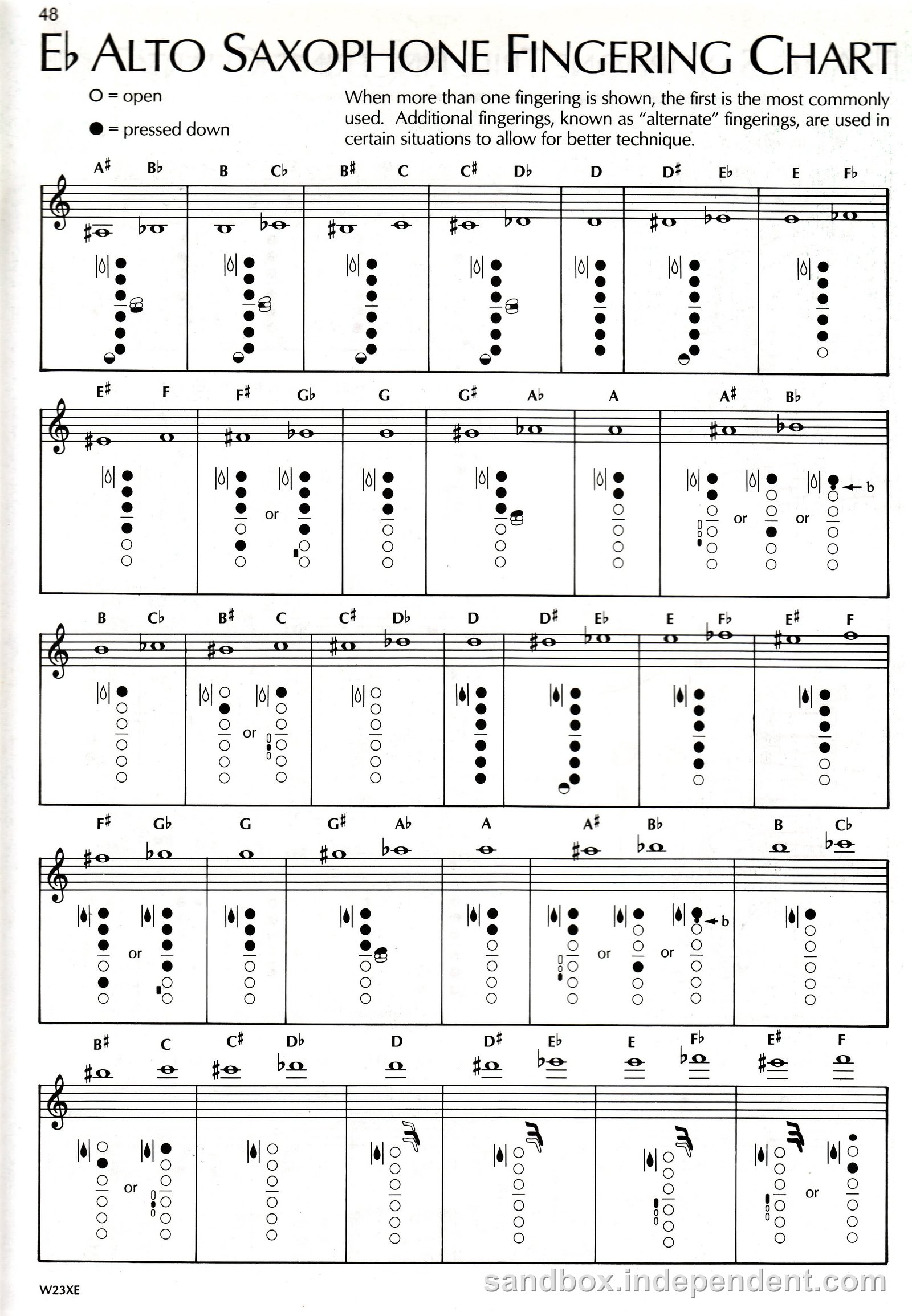
A trumpet note chart is a handy tool for any trumpeter, offering a quick glance at the notes and their corresponding fingerings. This guide will take you through the basics, ensuring you can read and use the chart with ease.
It's a simple reference, but an essential one, as it covers the standard range and common scales. While the exact values may vary slightly, the chart provides a solid foundation for understanding note names and their pitch frequencies.
Understanding the Trumpet Note Chart
The trumpet note chart is a valuable tool for any trumpeter, offering a visual representation of the notes and their corresponding fingerings. It's like a map, guiding you through the world of trumpet playing. This chart simplifies the process of learning and mastering different notes, making it an essential resource for beginners and experienced players alike.
Key Details and Categories
Before diving into the chart, it's crucial to understand some basics. The chart typically covers the standard range of a trumpet, which includes both the natural notes and those produced using valve combinations. You'll find notes organized by their pitch frequency, from low to high. Each note is represented by a specific fingering, often shown as a combination of valve positions. Additionally, some charts may include alternate fingerings, offering options for different playing styles or instruments.
Reading the Notation and Applying It
Using the trumpet note chart is straightforward. Start by identifying the note you want to play. Then, locate it on the chart, which will show you the correct fingering. For example, if you want to play a C note, you'll see a specific valve combination indicated. Follow this fingering, and you'll produce the desired note. It's as simple as that! Practice reading the chart and applying the fingerings to become more comfortable with it. Over time, you'll develop muscle memory, making note transitions seamless.
Variations and Differences
While the trumpet note chart provides a solid foundation, it's important to note that variations exist. Different standards, such as US or international, may have slight differences in note names or fingerings. Additionally, some charts might focus on specific scales or playing techniques. Always double-check the exact specifications for your instrument and playing style. Here are some common factors that can cause variations:
- Standard range variations: Some charts may extend beyond the standard range, offering additional notes.
- Instrument type: Different trumpet models might have slight variations in fingering.
- Playing style: Certain charts cater to specific genres or techniques, like jazz or classical.
- Alternate fingerings: These provide options for achieving the same note with different finger combinations.
Remember, the trumpet note chart is a versatile tool, but it's essential to adapt it to your specific needs and context. With practice and familiarity, you'll navigate the chart with ease, unlocking the full potential of your trumpet playing.
Well, there you have it! A handy trumpet note chart can be a great tool to have in your musical arsenal. Remember, these charts provide a solid foundation, but exact values might differ slightly across different standards or resources.
So, before you put your new knowledge into practice, take a moment to ensure you're using the right chart for your specific needs. And don't forget to explore our other guides; there's plenty more musical magic to discover!
Related: Home Remodeling Contractors Baltimore Essential
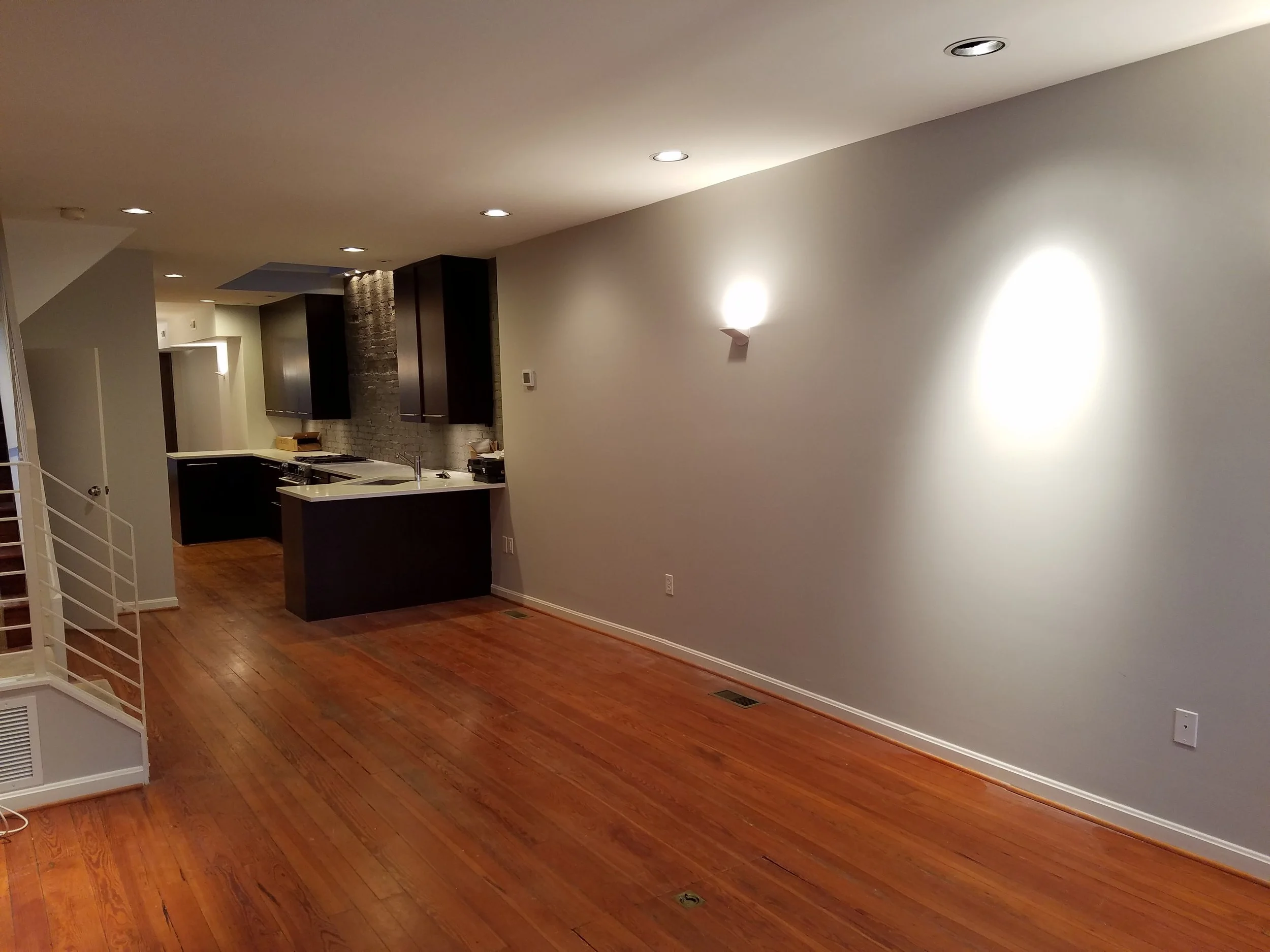
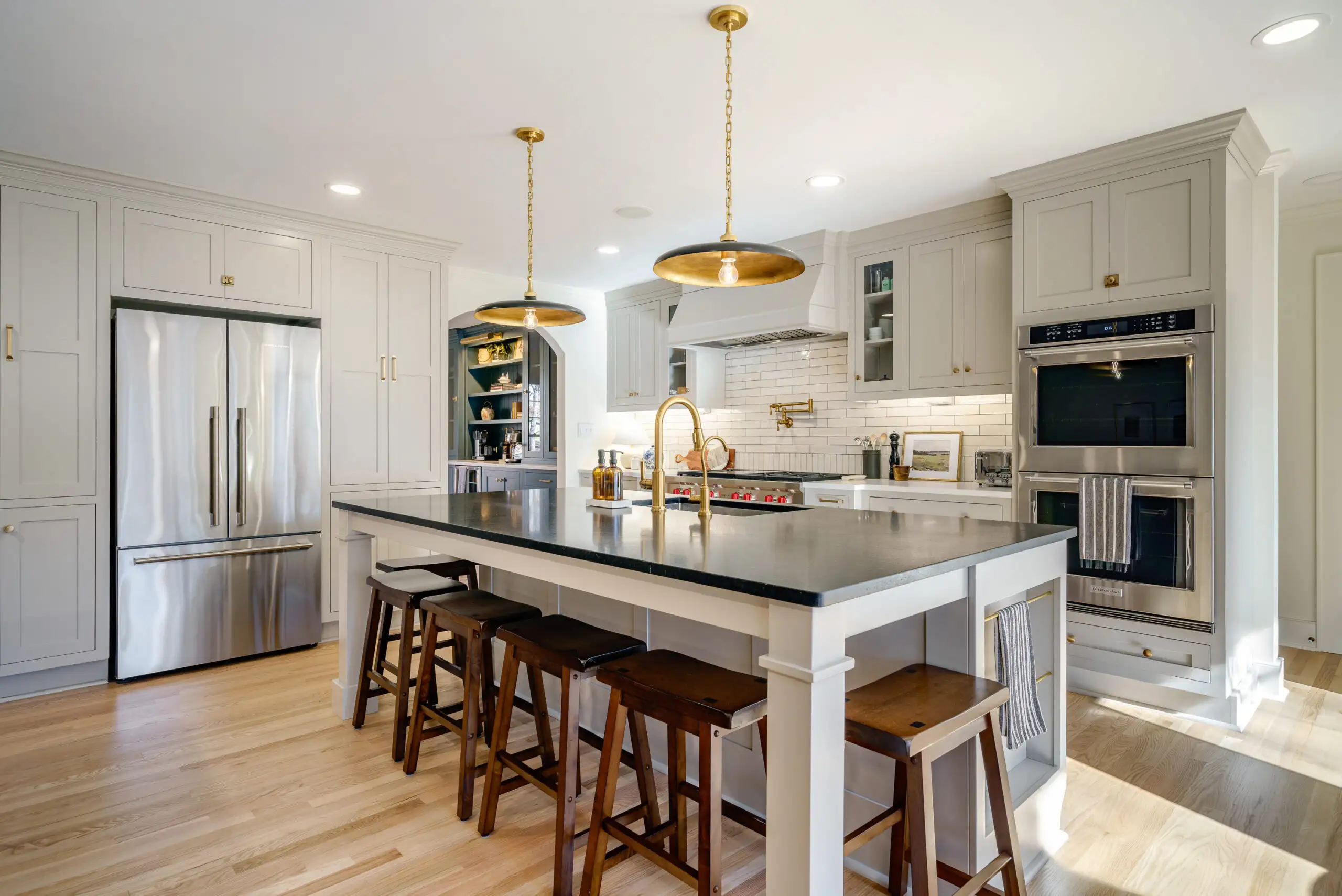
I'm looking to give my Baltimore home a fresh look, and the phrase home remodeling contractors Baltimore keeps popping up. So, what's the deal with these guys? Well, they're the pros who can turn your vision into reality, whether it's a simple kitchen refresh or a whole-house makeover. Let's break it down and see how they can help.
Remodeling Made Easy
Home remodeling contractors Baltimore are your go-to experts for all things renovation. They handle the heavy lifting, from design to construction, ensuring your project runs smoothly. These contractors offer a range of services, from basic repairs to full-scale remodels, so you can find the right fit for your needs. When hiring, look for licensed and insured contractors with a solid track record. Check their portfolio and read reviews to ensure they deliver quality work.
Costs and Quotes
Remodeling costs can vary widely, depending on the scope of the project. Factors like the size of your home, the materials used, and the complexity of the design all play a role. Getting multiple quotes is essential to compare prices and find the best deal. When reviewing quotes, ensure they're detailed and cover all aspects of the work, including labor, materials, and any potential permits required.
Finding the Right Contractor
When searching for a home remodeling contractor Baltimore, consider the company's experience and reputation. A good contractor should be able to provide references and examples of their previous work. Ask about their process, timeline, and how they handle unexpected issues that may arise during the project. It's also worth checking if they offer any warranties or guarantees on their work.
Company Names and Branding
Naming your construction business is an important step. A good name should be memorable, reflect your services, and stand out from the competition. Some unique and catchy name ideas could include:
- Build Baltimore
- Renaissance Renovations
- Harbor Home Makeovers
- Charm City Contractors
- Maryland Modernization
- Eastern Shore Remodeling
Remember to check name availability and secure the relevant registrations and domains to protect your brand.
The Industry and Its Tools
The construction industry has its own set of tools and resources to help professionals stay on top of costs and trends. One such tool is RSMeans, a comprehensive database that provides cost data for various construction projects. It's a valuable resource for contractors and estimators to ensure accurate pricing.
Large vs. Small Firms
The construction industry offers a range of companies, from small, local businesses to large, national firms. Small companies often provide a more personalized service, with a dedicated team for your project. Larger firms may have more resources and can handle complex, large-scale projects. Consider your project's needs and scale to decide which type of firm is best suited.
Taking the Next Step
If you're ready to dive into your home remodeling project, start by researching and comparing quotes from home remodeling contractors Baltimore. Get a feel for their services, costs, and processes. Remember, this is an exciting journey, and with the right contractor, you'll be well on your way to a beautiful, renovated home. Happy remodeling!
Related: Understand Deer Age Charts: A Simple Guide
Many outdoor enthusiasts and hunters may assume that estimating a deer's age is an innate skill, but it's actually a precise art that requires a deer age chart as your trusted companion. While it may seem simple, misreading these charts can lead to inaccurate assessments.
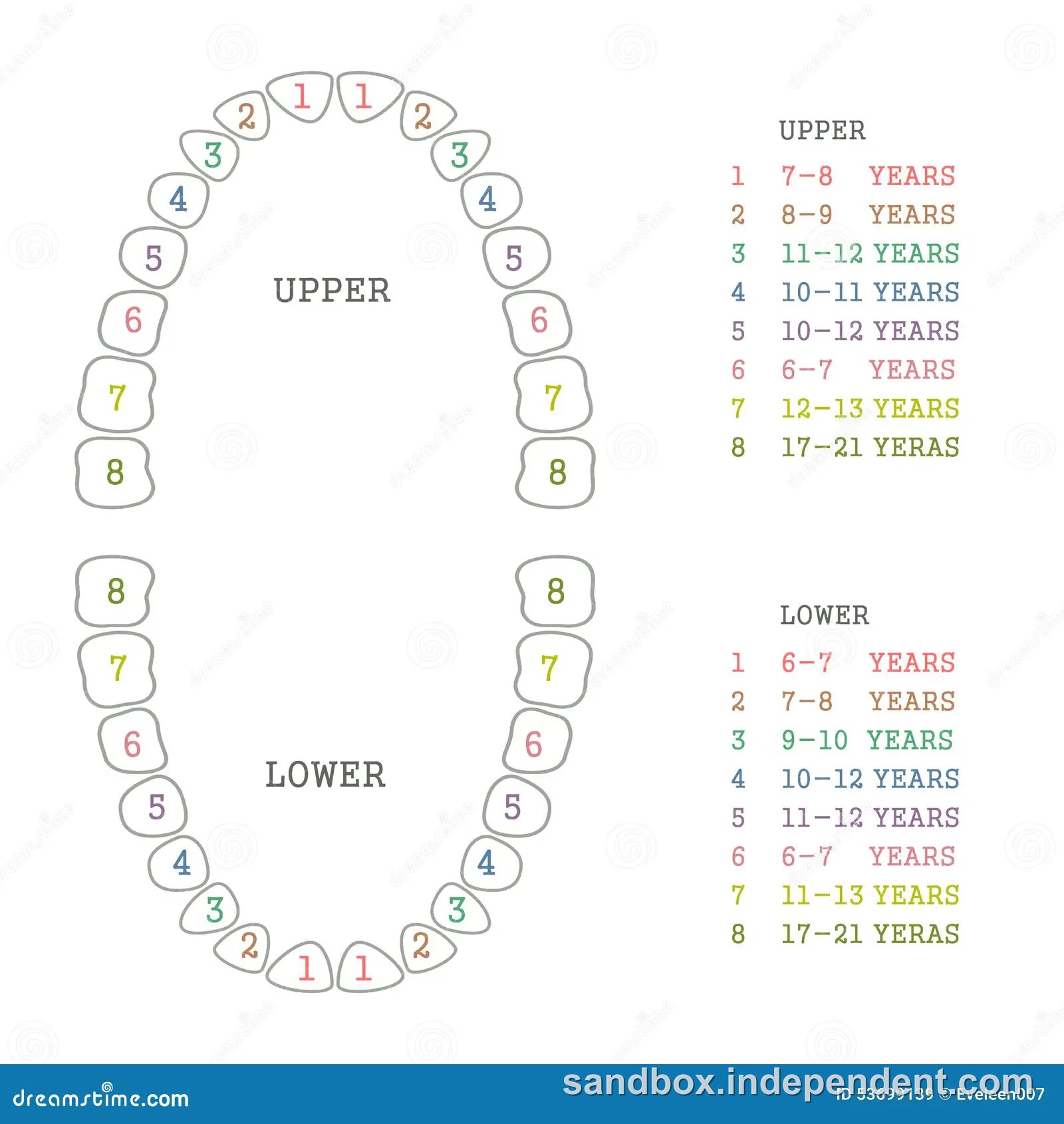
The deer age chart, a vital tool for whitetail deer aging, relies on tooth wear and other visual cues. These charts provide a standardized way to estimate a deer's age, but it's important to note that variations exist, often depending on the region and specific deer species.
A Comprehensive Guide to the Deer Age Chart
The deer age chart is an invaluable tool for hunters, wildlife enthusiasts, and researchers, providing an accurate estimate of a deer's age. This chart, often referred to as a tooth wear chart, is a visual representation of the relationship between a deer's teeth and its age. It serves as a practical guide to help determine the age of a deer based on the condition of its teeth.
Comparing Chart Formats and Standards
There are several versions of the deer age chart available, and they can vary slightly depending on the region and the specific deer species being considered. Some charts are designed for whitetail deer aging, while others cater to different deer varieties. It's essential to use the appropriate chart for your region and the deer species you encounter. These charts typically provide a clear and easy-to-read visual representation, often with color-coded categories or a simple diagram.
Step-by-Step Guide to Accurate Deer Age Estimation
Using the deer age chart is a straightforward process, but accuracy is key. Here's a simple guide:
Examine the Deer's Teeth: Focus on the lower jaw, specifically the incisor teeth. These teeth are a reliable indicator of age.
Assess Tooth Wear: Look for signs of wear and erosion. The more worn the teeth, the older the deer.
Consult the Chart: Refer to the deer age chart and match the tooth wear pattern with the corresponding age category. The chart will often provide a range of ages, so select the most appropriate age based on your observation.
Consider Other Factors: While tooth wear is a primary indicator, other factors can influence the accuracy. These include the deer's overall health, diet, and environmental conditions. For instance, a deer with a poor diet may exhibit faster tooth wear.
Practice and Experience: Like any skill, estimating deer age improves with practice. Study various deer teeth patterns and compare them to the chart to refine your skills.
Common Misreadings and How to Avoid Them
While the deer age chart is a reliable tool, there are a few potential pitfalls to avoid:
Deer Aging by Teeth Variations: Different deer species and even individual deer can exhibit variations in tooth wear patterns. Always double-check the specific chart for your region and species.
Environmental Factors: Extreme environmental conditions, such as a harsh winter, can affect tooth wear. Consider these factors when estimating age.
Antler Size Chart: While antler size can indicate a deer's maturity, it's not a reliable indicator of age. Focus on the teeth for accurate age estimation.
Individual Differences: Deer, like all animals, are unique. Some may exhibit faster or slower tooth wear, so always refer to the chart as a guide, but trust your observations and experience.
By following these steps and being mindful of potential variations, you can accurately estimate a deer's age using the deer age chart, contributing to your understanding of deer populations and their behavior.
Remember, while this guide provides a solid framework, the specifics might shift a bit based on your unique circumstances. Every deer and every situation is a little different, so it's important to adapt and stay curious.
We've got a whole library of practical guides and resources here, so feel free to explore and discover more. You might just find the perfect tool to enhance your outdoor adventures and make the most of your time in nature. Happy trails!