

Grout Color Chart For Kids Overview
You're probably here because you need to find the perfect shade for your project, and the Gildan color chart is a handy tool to have at your disposal. It's a straightforward guide, offering a range of options to choose from, and it's an essential reference for anyone working with colors, especially when precision is key. The chart provides a quick and easy way to navigate and compare colors, and it's a go-to resource for many, whether you're a designer, artist, or just someone who wants consistent color results.
Understanding the Gildan Color Chart: A Practical Overview
The Gildan color chart is a handy reference tool for anyone working with colors, especially in the garment and textile industry. It's like a secret code that helps you unlock the perfect shade for your project. This chart provides a visual representation of various color options, making it easier to choose and match colors accurately.
Comparing Color Standards: Pantone vs. RGB
When it comes to color charts, you might come across different standards, like Pantone and RGB color codes. The Gildan chart typically follows the Pantone matching system, which is widely used in the fashion and printing industries. Pantone offers a standardized color language, ensuring consistency across different materials and processes. On the other hand, RGB color codes are more common in digital design and web development. So, depending on your specific needs, you might refer to different charts or systems.
Step-by-Step Guide to Using the Gildan Color Chart
Identify your color needs: Determine the type of project you're working on and the colors you require. The Gildan chart covers a wide range of colors, from vibrant hues to subtle shades, so you'll have plenty of options.
Locate the color: The chart is usually organized by color families or categories. Each color is represented by a unique code or number. Find the section that corresponds to the color family you're interested in.
Match the color: Within each color family, you'll find swatches or samples of different shades. Compare these swatches to your desired color. Look for the closest match, considering factors like lighting and material.
Note the color code: Once you've found the perfect match, make a note of the corresponding color code. This code will help you communicate the color accurately to others, ensuring consistency throughout your project.
Double-check specifications: While the Gildan chart provides a great starting point, it's essential to double-check the exact specifications, especially if you're working with specific brand guidelines or industry standards. Some colors may have slight variations, so confirming the details is crucial.
Avoiding Misreadings and Pitfalls
One common pitfall is relying solely on the chart without considering the context. Colors can appear differently under various lighting conditions, so it's important to view samples in the intended environment. Additionally, color perception can vary from person to person, so getting a second opinion or using color-matching tools can help ensure accuracy.
Factors Affecting Color Accuracy
Several factors can influence the accuracy of color representation:
Lighting: Natural and artificial lighting can alter how colors appear. Always view color samples under similar lighting conditions to your project's environment.
Material: Different materials reflect light differently, affecting color perception. The Gildan chart is designed for textile applications, so consider the impact of fabric type and texture on color appearance.
Printing techniques: If you're using the chart for printing purposes, the printing process itself can introduce variations. Calibrated printing equipment and consistent ink formulas are essential for accurate color reproduction.
Environmental factors: External factors like humidity and temperature can impact color perception. Ensure your reference samples are stored and handled under controlled conditions to maintain consistency.
Choosing the Right Color Chart Format
The Gildan color chart comes in various formats to suit different needs:
Physical swatch books: These provide a tangible reference with actual fabric samples. They offer a more accurate representation of colors but can be bulkier to carry.
Digital charts: Digital versions are convenient for quick reference and easy sharing. However, they may not capture the true texture and feel of the fabric.
Online color tools: Some online platforms offer interactive color charts and matching systems. These tools can be useful for remote collaboration and color exploration.
Customized charts: If you work with specific color requirements, you can create customized charts or swatch books tailored to your brand or project.
Maintaining Reliability for Future Projects
To ensure the reliability of your color references:
Store your color charts or swatches properly: Keep them away from direct sunlight and extreme temperatures to prevent fading or discoloration.
Regularly update your references: Color trends and preferences evolve, so stay updated with the latest color charts and standards.
Calibrate your equipment: If you're working with digital color tools, ensure your screens and printers are regularly calibrated to maintain accuracy.
Document your color choices: Keep records of the color codes and references you use for future projects. This helps maintain consistency and saves time when revisiting previous designs.
Hey there, we hope you found this guide helpful and that your color-matching adventures are now a breeze! Remember, when it comes to color charts, the specifics can differ slightly, so always double-check your references and adapt as needed.
Feel free to explore our other guides; we've got plenty of practical tips and tricks to make your creative processes smoother. Happy crafting!
Related: Find the Right Dog Size: A Simple Chart
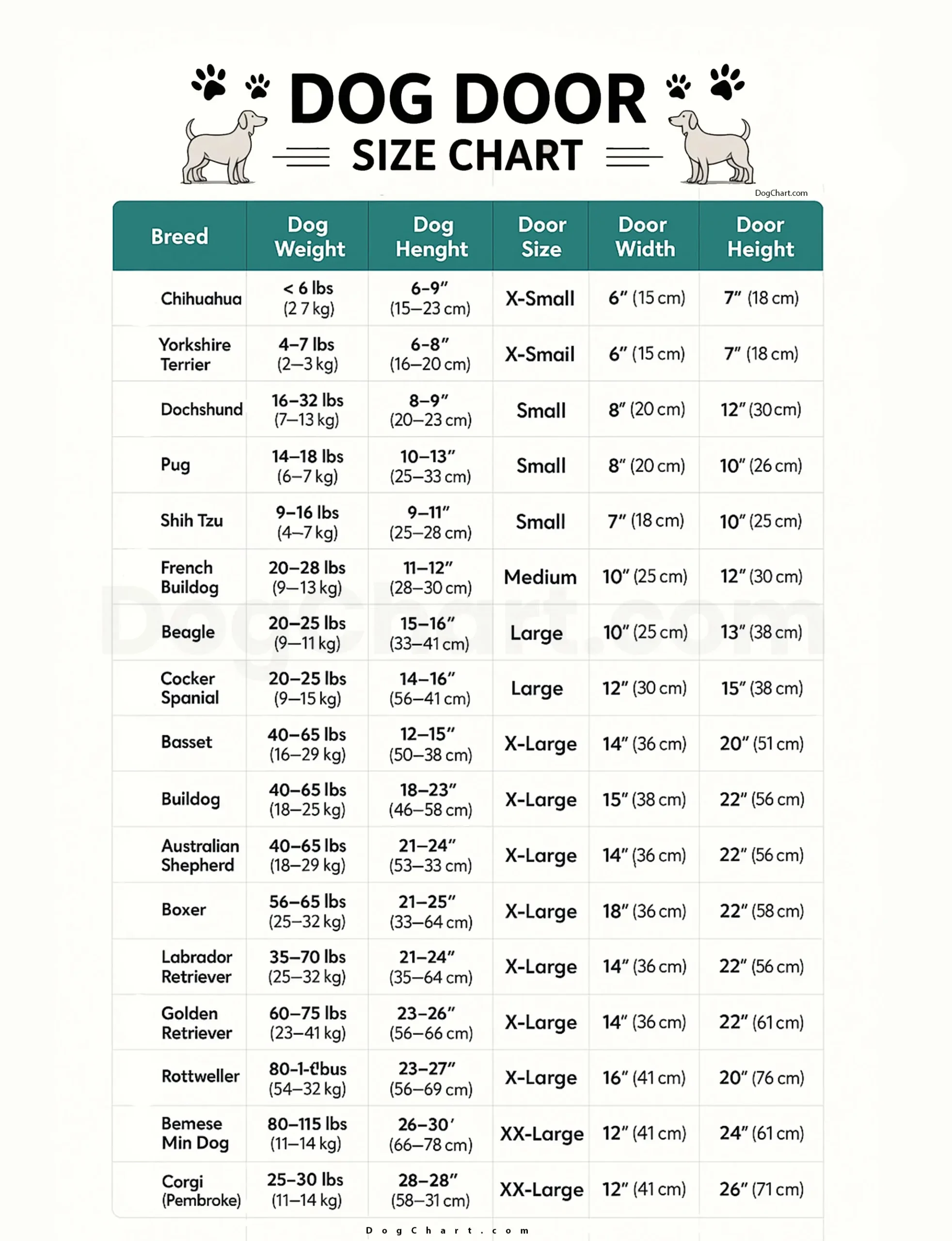
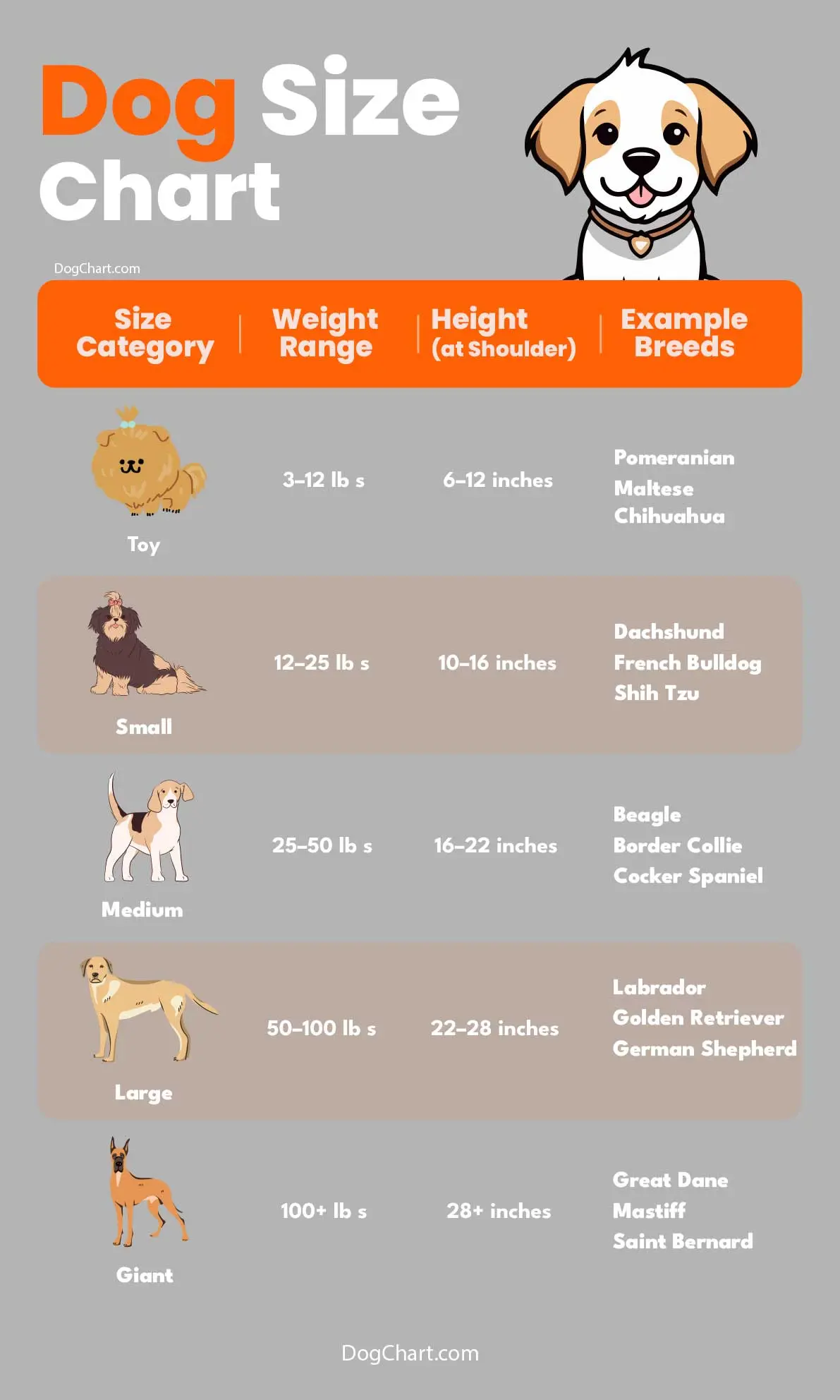
You're likely here because you need a quick reference, a reliable guide to help you understand dog size charts and their applications. These charts are an essential tool for anyone dealing with canine care, offering a simple yet effective way to visualize and compare dog sizes. From small dog breeds to larger ones, the dog size chart provides a clear overview, often including weight charts and breed size standards. It's a handy resource, especially when metric conversions or imperial measurements are involved.
Understanding the Dog Size Chart: A Practical Guide
The dog size chart is a valuable tool for anyone wanting to quickly estimate a dog's size and understand its standard category. This chart provides a visual reference, typically using height and weight measurements, to categorize dogs into various size groups. It offers a convenient way to grasp the size range of different breeds and individual dogs.
Standard Size Categories: Comparing the Options
The dog size chart typically divides dogs into categories like small, medium, large, and extra-large. These categories are based on standardized height and weight ranges. For instance, a small dog might be defined as under 10 inches tall and weighing less than 20 pounds, while a large dog could be over 24 inches tall and weigh more than 50 pounds. These ranges can vary slightly between different charts and standards, so it's essential to check the specific guidelines you are using.
Measuring Your Dog: A Step-by-Step Guide
- Stand your dog upright on a flat surface, ensuring they are comfortable and relaxed.
- Use a measuring tape to record their height from the ground to the highest point of their shoulder or withers.
- Weigh your dog using a scale suitable for their size. Ensure they are stationary and the scale is level.
- Compare these measurements to the dog size chart to determine their size category.
Common Misreadings and How to Avoid Them
One common mistake is assuming that all dogs within a size category are the same. While the chart provides a standard, individual dogs can vary significantly within these ranges. Additionally, some breeds may have unique characteristics that affect their size, such as long legs or a heavy build. Always consider these factors and compare your dog's specific measurements to the chart rather than relying solely on their breed's typical size.
Key Factors Affecting Accuracy and Real-World Use
Several factors can impact the accuracy of the dog size chart. First, the chart's measurements are approximate and may not account for all variations in dog breeds and individuals. Second, dogs can change size over time, especially during growth or weight fluctuations. Regularly re-measuring your dog, especially if they are young or their weight is changing, ensures the most accurate assessment. Finally, remember that the chart is a guide, and individual dogs may not fit neatly into a single category. Always consider your dog's unique characteristics and consult a veterinarian for specific health or nutritional advice based on their size and breed.
Well, there you have it! A comprehensive guide to dog size charts, covering all the bases. Remember, while these charts provide a helpful framework, exact values may differ slightly based on various factors.
Feel free to explore our other guides for more practical insights. We've got plenty of resources to keep you informed and inspired, so take a look around and find something that piques your interest!
Related: Find Your Perfect Fit: Socks Size Chart
You've found yourself in need of a socks size chart, and who can blame you? It's a simple yet essential tool for ensuring you get the right fit. Whether you're buying socks for yourself or someone else, this chart is your go-to guide. It provides a quick and easy reference, ensuring you don't end up with socks that are too tight or too loose. While the values may vary depending on the brand or region, the socks size chart offers a reliable starting point.
Understanding the Sock Size Chart
The socks size chart is your go-to guide for finding the perfect fit for your feet. It's a simple yet practical tool that ensures your socks hug your feet comfortably and don't leave you with blisters or discomfort. This chart is like a secret code, and once you crack it, you'll never have to guess your sock size again!
Key Details and Categories
The chart typically features two main categories: sock size and shoe size. These are further divided into specific measurements and ranges. For sock size, you'll often see a numerical range, like 3-5, 6-8, and so on. These numbers represent the circumference of your foot, ensuring the sock fits snugly. Shoe size, on the other hand, is a familiar concept, often following standard shoe sizing guidelines.
Choosing the Right Fit: A Step-by-Step Guide
Using the socks size chart is a breeze! First, identify your shoe size. This is usually pretty straightforward, as you likely know your shoe size off the top of your head. Next, match your shoe size to the corresponding sock size on the chart. The chart will guide you to the right sock size, ensuring a perfect fit. It's as simple as that!
If you're buying socks as a gift or for someone with unique foot dimensions, you might need to measure their foot circumference. A simple tape measure will do the trick. Measure the widest part of their foot, and you're good to go!
Common Size Variations and Why They Happen
While the socks size chart is a reliable guide, variations can occur due to several factors. Different manufacturers might use slightly different standards or have unique sizing guidelines. Additionally, the material and construction of the sock can affect its stretch and fit. For instance, a thick, cozy wool sock might have a looser fit compared to a thin, athletic sock.
It's also worth noting that foot size can vary depending on factors like age, height, and even the time of day! Yes, our feet can swell slightly throughout the day, so it's best to measure or refer to the chart in the morning for the most accurate size.
Remember, while the socks size chart provides a great starting point, it's always a good idea to double-check the exact specifications and tolerances, especially for specialized socks or if you have unique foot dimensions. Happy sock shopping!
Well, there you have it! A handy guide to understanding sock sizes and how to use a size chart effectively. Remember, when it comes to sock sizes, there can be slight variations, so always check the specific guidelines or measurements provided by your preferred brand or manufacturer.
It's always a good idea to double-check, as these charts are just a general guide, and you want to ensure a perfect fit. So, take your time, measure up, and find those dream socks! And if you're keen to explore more practical guides and tips, feel free to browse our other articles. We've got you covered!