


Guitar Capo Chart For Kids Overview
You're likely here because you're seeking clarity on the Redken color chart, a valuable resource for anyone wanting to navigate hair color options effectively. This chart is your go-to guide, offering a simple yet comprehensive overview of Redken's color range. It provides an easy-to-understand visual representation, ensuring you can make informed choices about your hair color journey.
Understanding the Redken Color Chart
The Redken color chart is a comprehensive guide to their hair color range, offering a visual representation of the various shades and tones available. It provides a standardized way to choose and mix colors, ensuring consistent results. This chart is an essential tool for professionals and enthusiasts alike, offering a clear reference for achieving desired hair colors.
Standard Color Notation: Comparing Options
The Redken color chart follows a simple and intuitive system. Each color is represented by a unique code, typically a combination of letters and numbers. For example, the code "GG" represents a specific shade of golden blonde. This notation allows for easy identification and mixing of colors. The chart also displays the intensity and tone of each color, helping users choose the right shade for their desired look.
Practical Application Tips: Step-by-Step Guide
To use the Redken color chart effectively, follow these steps:
- Identify your desired color family. The chart is organized into sections, making it easy to navigate.
- Choose the specific shade within that family. Consider the natural hair color and the desired level of lift or deposit.
- Note the color code and intensity. This information is crucial for accurate mixing.
- Follow the recommended mixing ratios and application techniques provided by Redken.
- Test a small strand to ensure the desired result before full application.
Common Misreadings and Pitfalls
While the Redken color chart is straightforward, there are a few potential pitfalls to avoid:
- Ensure you are using the correct chart for your region or standard. Redken may offer different charts for various markets.
- Pay attention to the color intensity and tone. A slight variation in these can lead to significantly different results.
- Be aware of the natural hair color and its impact on the final result. Pre-lightening or pre-pigmentation may be necessary for certain shades.
- Always refer to the Redken color wheel or swatches for a more visual representation of the final color.
- Remember, practice and experience are key to mastering color application.
Remember, while this guide offers a comprehensive overview, it's always beneficial to cross-reference with your specific needs. The Redken color chart is a versatile tool, but its application may vary depending on your unique circumstances.
Feel free to explore our other guides for a deeper understanding of hair care and styling. We've got plenty of resources to help you navigate the world of hair coloring and beyond!
Related: Read the Swing Speed Chart: A Simple Guide
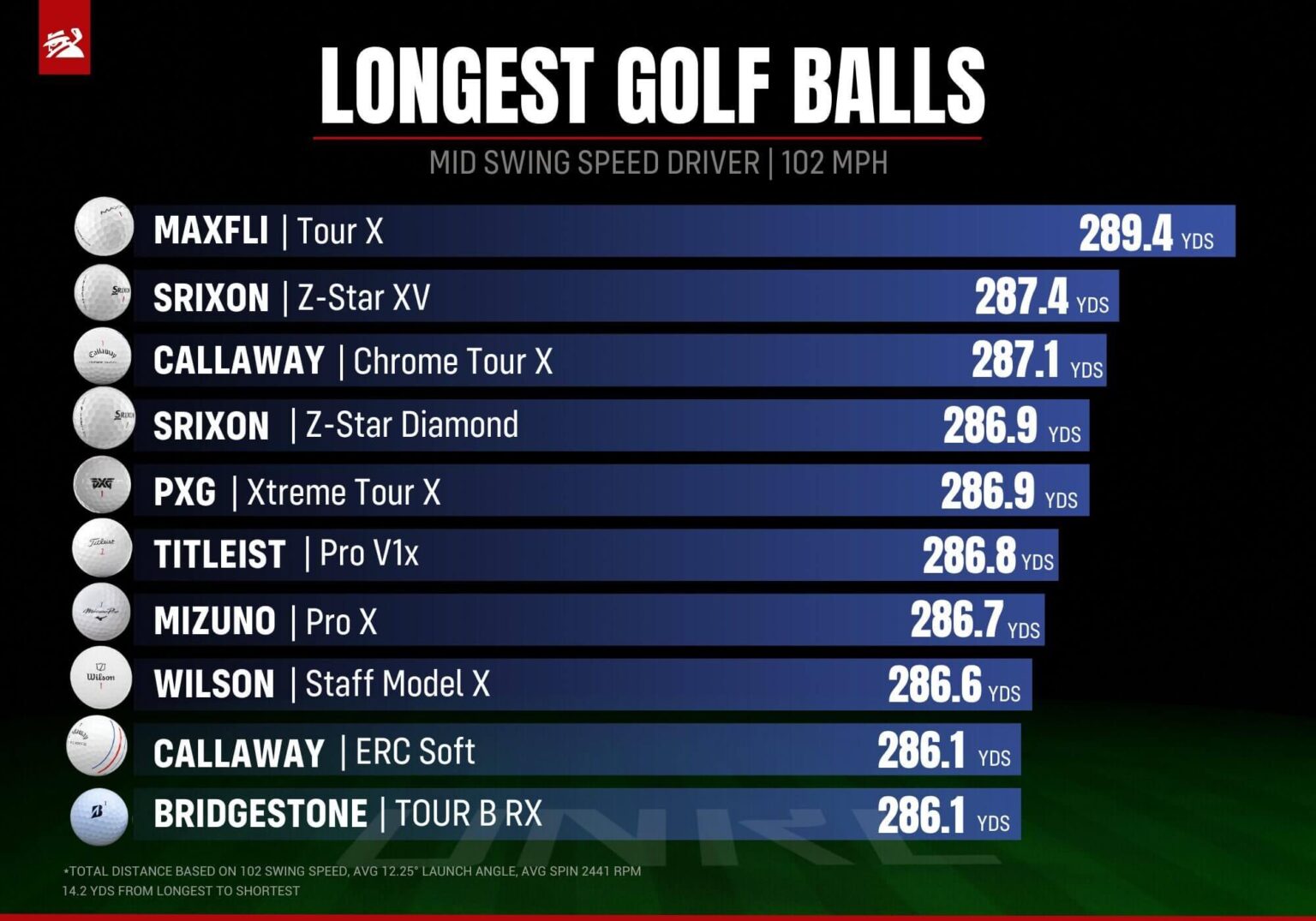
A swing speed chart is a handy tool for golfers and sports enthusiasts, offering a quick glimpse into the world of swing analysis. This guide will walk you through the basics, ensuring you can interpret these charts like a pro.
It's a simple yet effective way to understand swing dynamics, providing insights into club head speed and other key metrics. Whether you're a golfer looking to improve your game or a coach seeking accurate references, these charts can be tailored to various standards and regions.
What is a Swing Speed Chart?
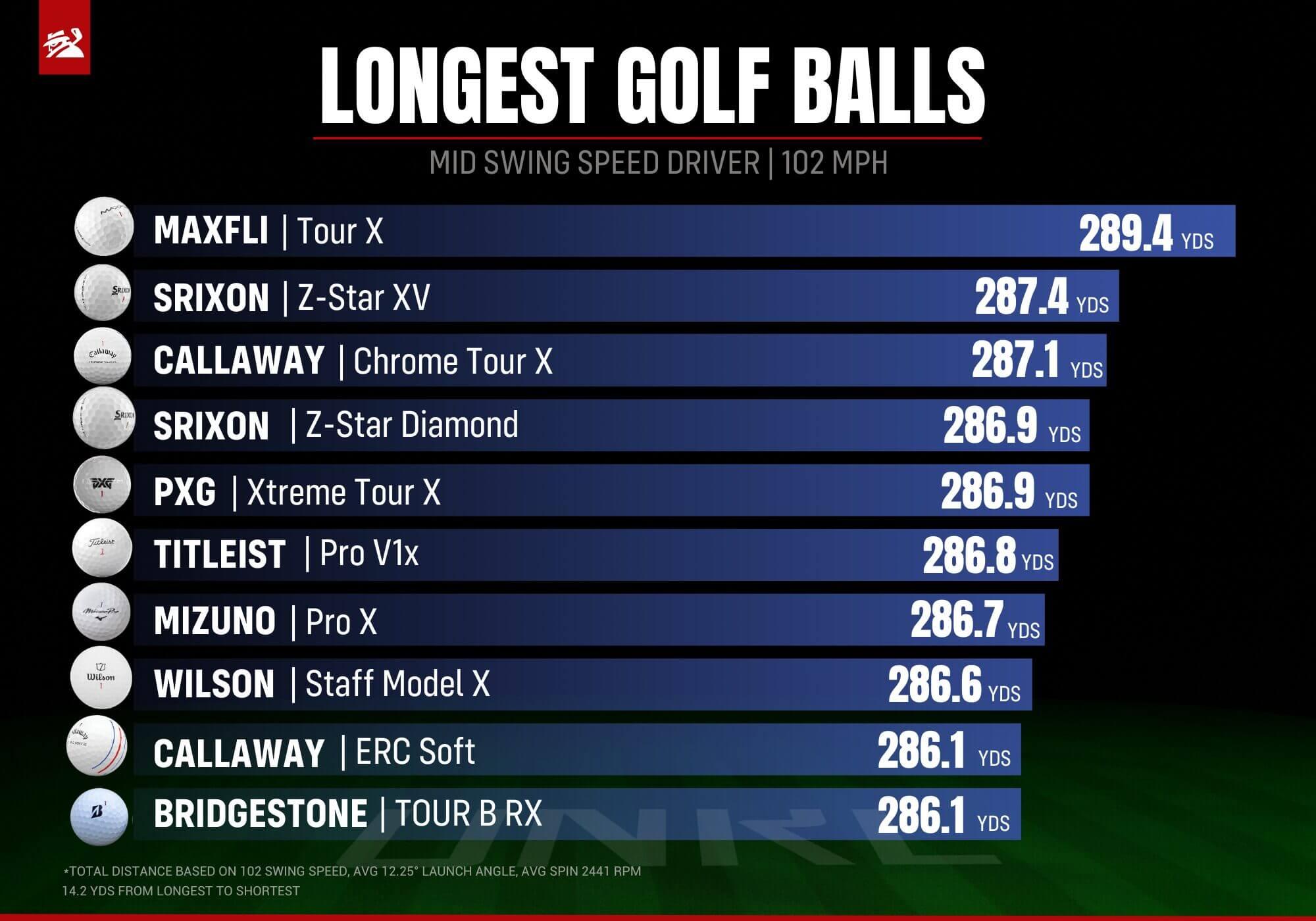
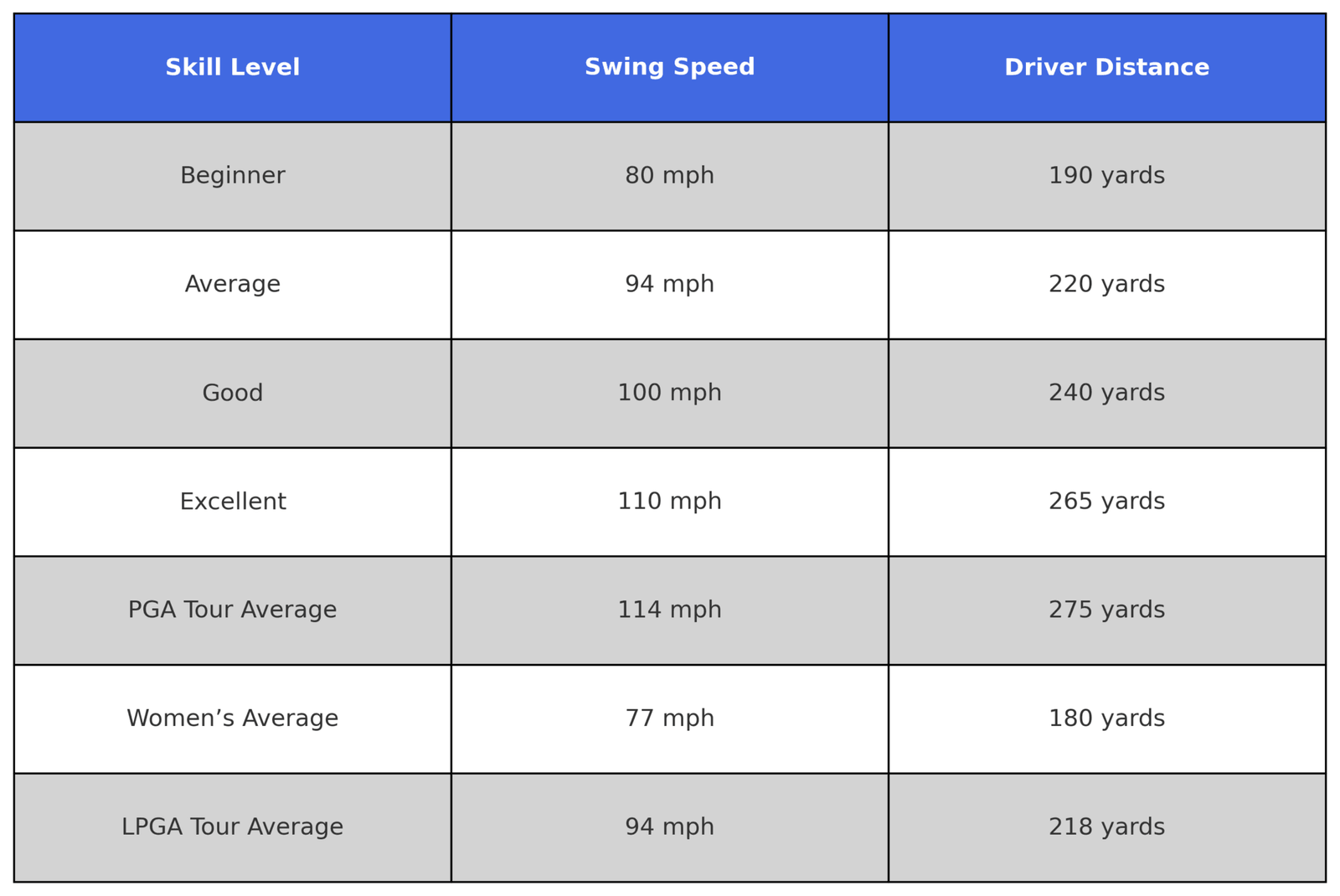
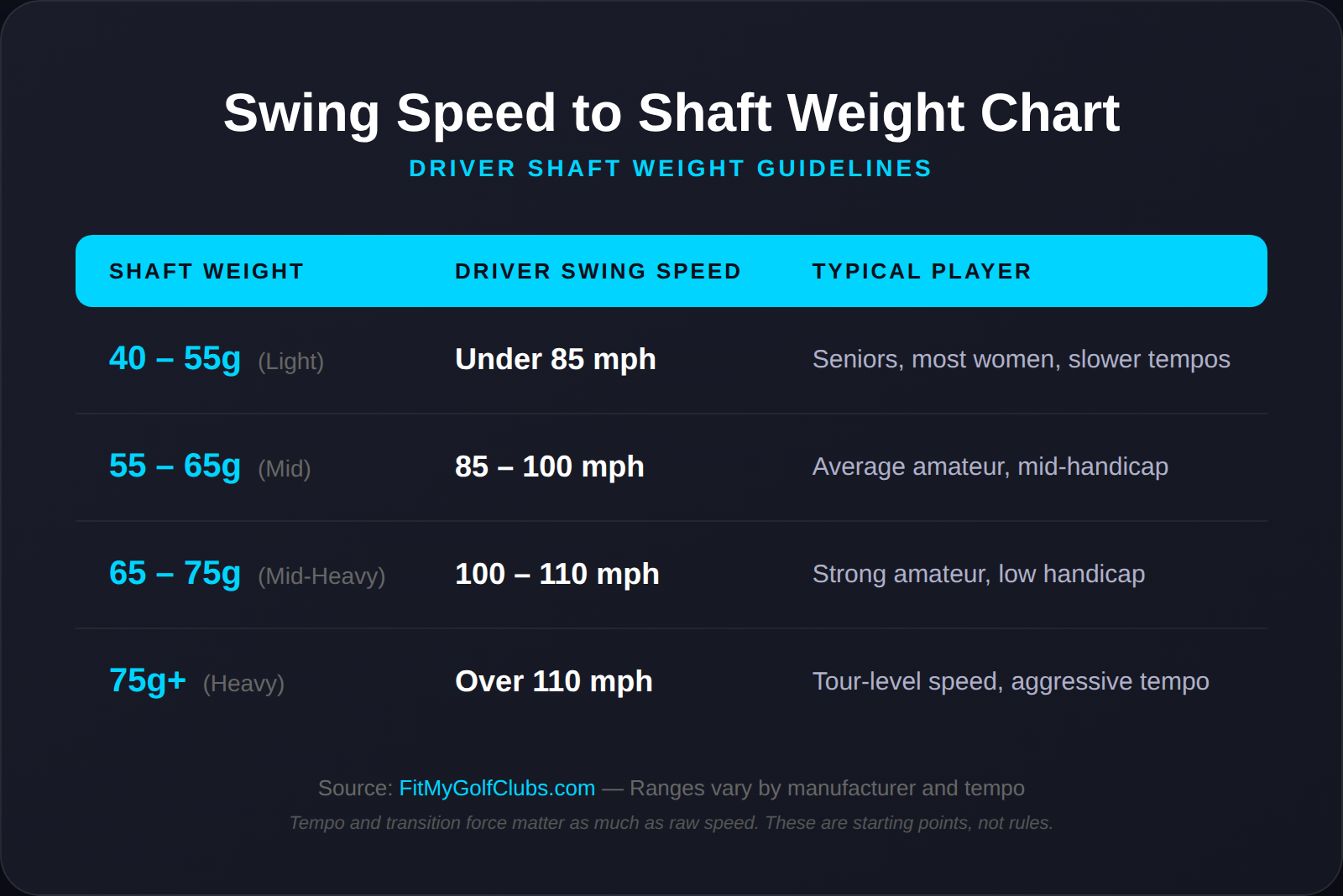
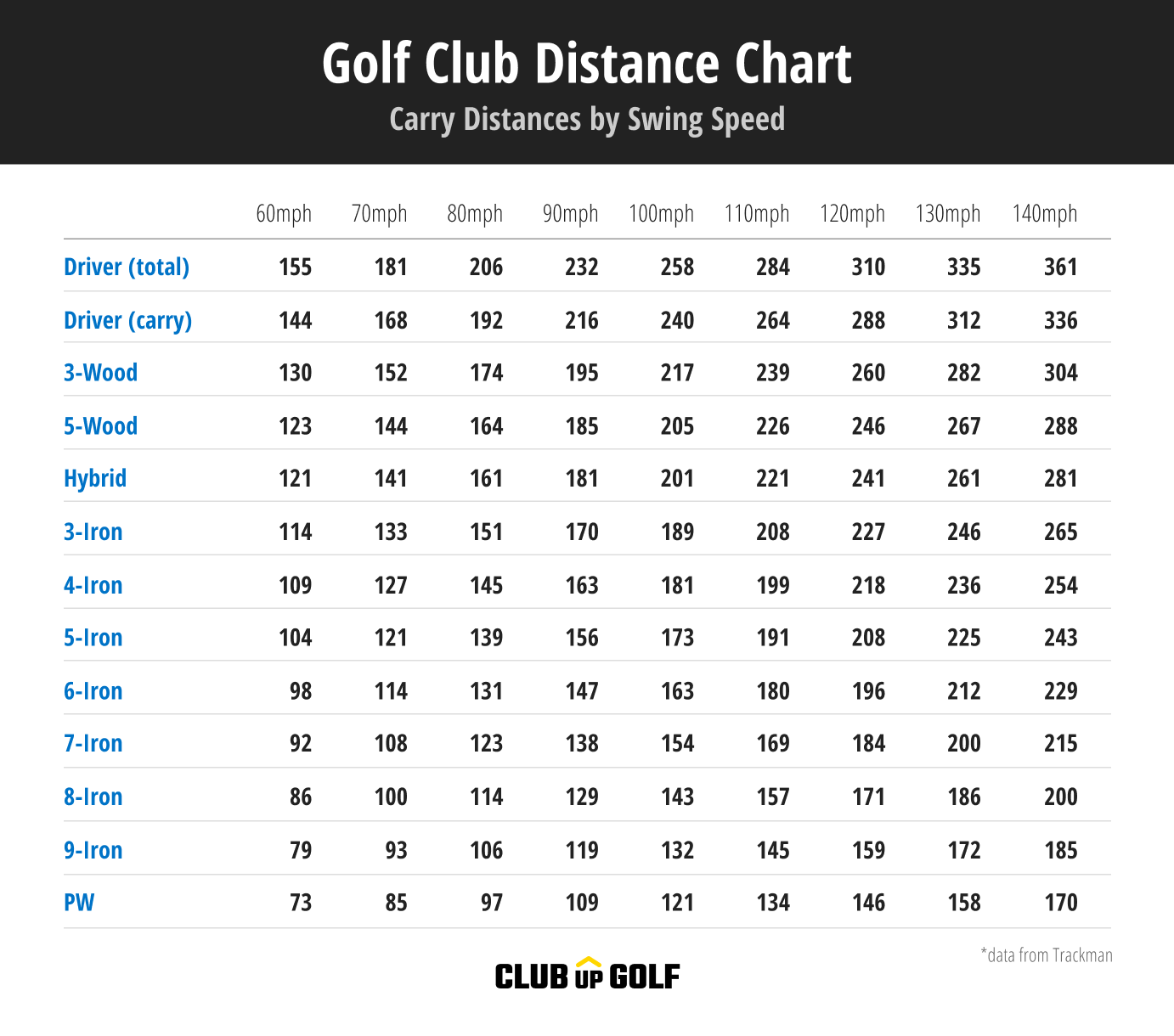
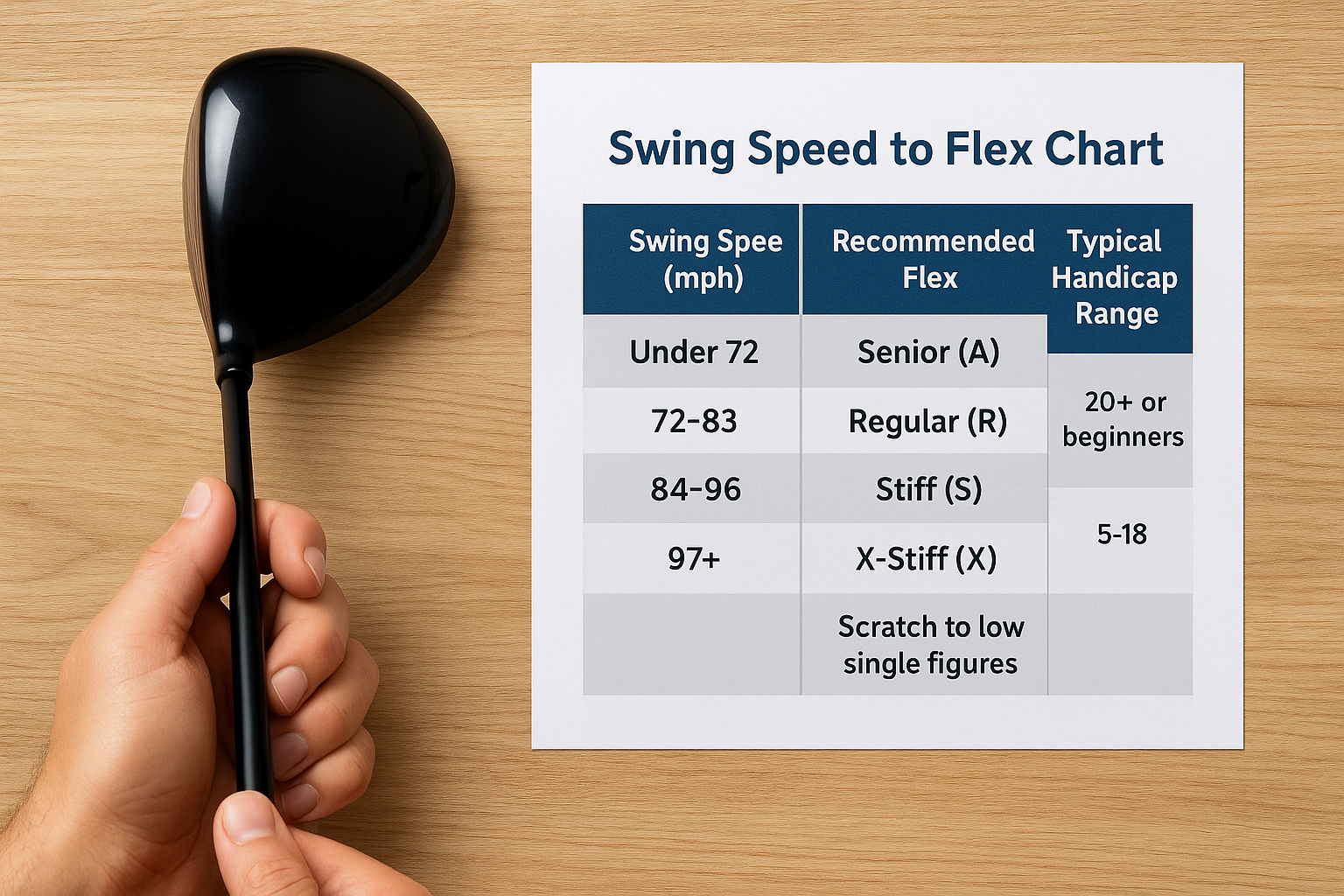
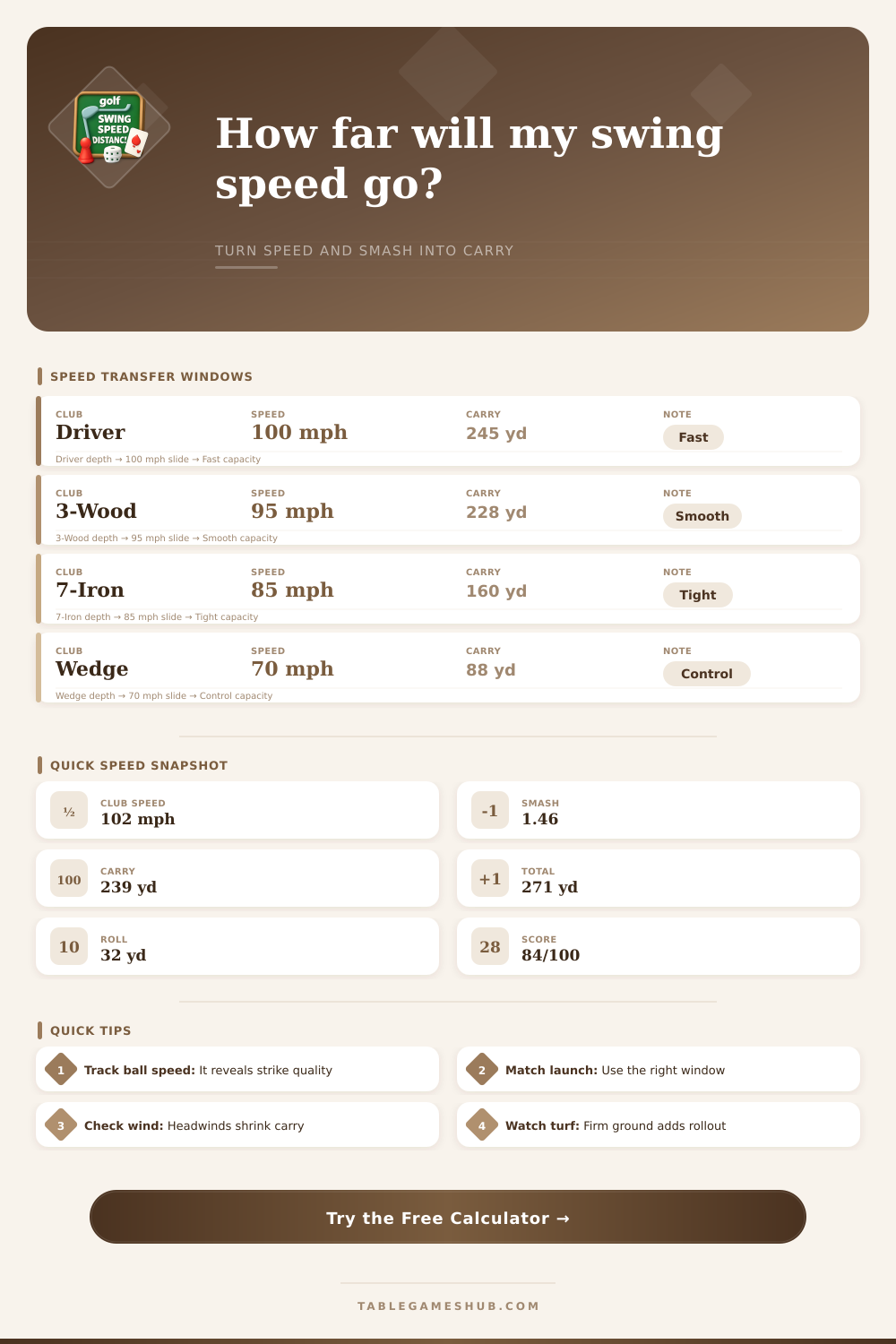
A swing speed chart is a valuable tool for golfers and sports enthusiasts, offering a visual representation of club head speed during a swing. It provides insights into your swing dynamics, helping you understand your performance and potential areas for improvement.
Key Details and Categories
The chart typically displays club head speed in miles per hour (mph) or meters per second (m/s). It categorizes speeds into ranges, often with color-coded sections for easy interpretation. Common categories include slow, moderate, and fast swing speeds. The specific ranges may vary depending on the standard or manufacturer's guidelines, so it's essential to refer to the correct chart for your region or equipment.
How to Read and Apply the Swing Speed Chart
- Identify your club head speed: Use a swing speed calculator or a radar device to measure your swing speed accurately. This value will be your reference point.
- Locate your speed on the chart: Find the range that corresponds to your measured speed. Most charts will have a clear scale or legend to help you identify the right category.
- Interpret the results: The chart will provide insights into your swing's characteristics. For instance, a slow swing speed might indicate a need for more power, while a fast speed could suggest a focus on control and accuracy.
- Adjust your swing: Based on the chart's insights, you can make informed decisions about your swing technique. Consider practicing with different clubs or adjusting your swing dynamics to achieve your desired speed and performance.
Understanding Variations and Differences
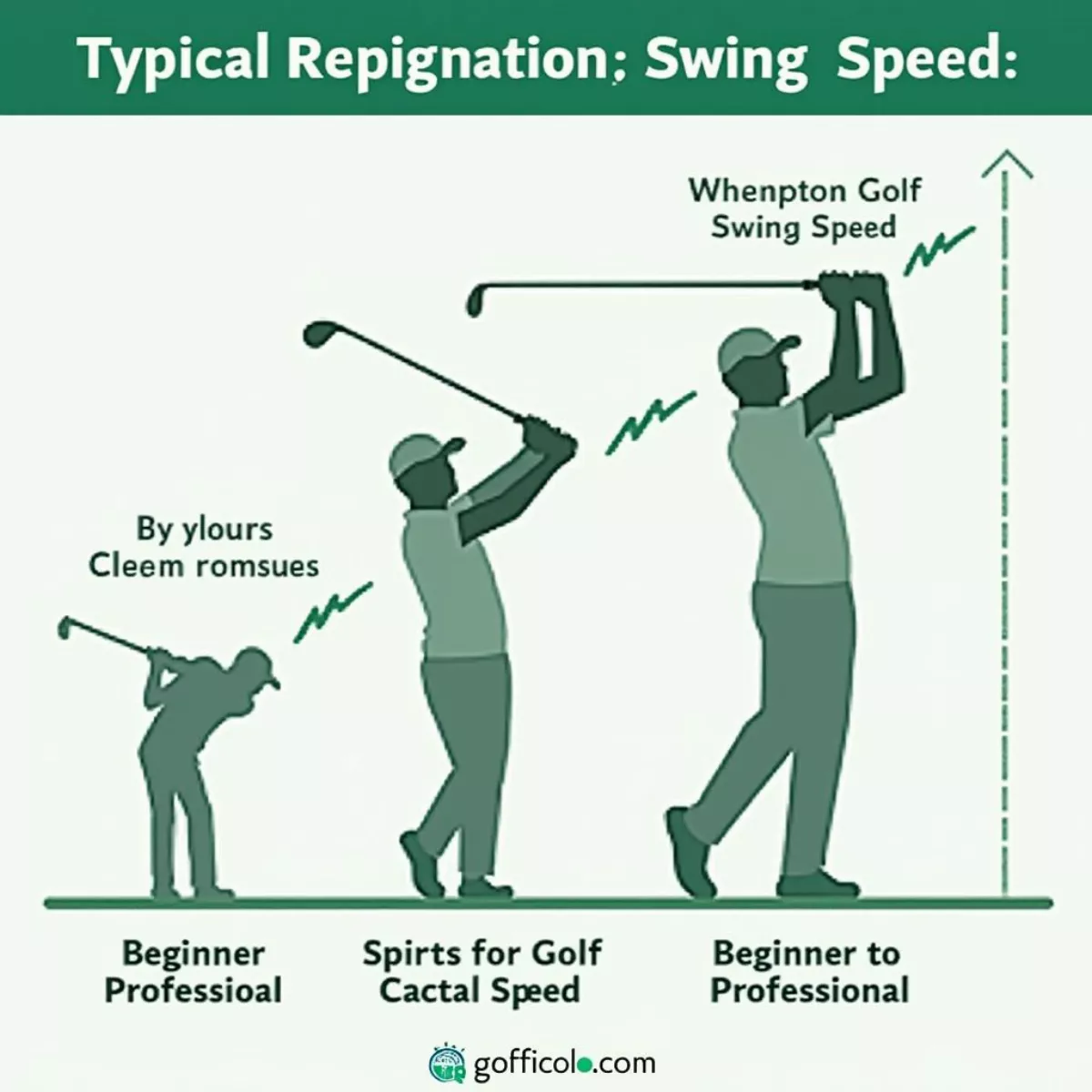
Swing speed charts may vary based on the sport or activity. For example, a golf club speed chart will have different ranges and categories compared to a chart for tennis or baseball. Additionally, personal factors like age, gender, and physical attributes can influence swing speeds, leading to variations across individuals. It's essential to use charts specific to your sport and consider your unique characteristics when interpreting the results.
Common Mistakes and How to Avoid Them
- Using the wrong chart: Ensure you select a chart that aligns with your sport and the specific equipment you're using. Misinterpreting charts can lead to incorrect swing adjustments.
- Relying solely on the chart: While the swing speed chart is a valuable tool, it's just one piece of the puzzle. Consider other factors like technique, form, and practice habits to get a comprehensive understanding of your swing.
- Ignoring personal factors: Your age, fitness level, and individual goals can impact your swing speed. Tailor your interpretations and adjustments to your unique circumstances.
- Overlooking conversions: If your chart uses a different unit of measurement than your device, ensure you convert your swing speed accurately. Mistakes in conversion can lead to incorrect interpretations.
Well, there you have it! A swing speed chart is a handy tool to have in your golf bag, offering a quick reference to keep your game on track. Remember, these charts provide a general guide, so it's always wise to check the specific standards and sources relevant to your game.
Don't forget to explore our other golf guides and resources. We've got plenty of tips and tricks to help you improve your swing and overall performance. Happy golfing!
Related: Understand Nipple Size Chart: A Simple Guide
You're probably here because you need a quick answer, a simple guide to help you understand nipple size charts and their purpose. It's a common query, and these charts are more useful than you might think! They provide a straightforward way to measure and compare nipple sizes, often alongside other breast-related measurements. While the values may vary depending on the source, a nipple size chart can be a handy reference tool, especially when paired with a bra size guide or areola size chart.
Understanding the Nipple Size Chart
The nipple size chart is a handy reference tool that provides a standardized way to measure and categorize nipple sizes. It offers a simple and visual guide to help individuals understand their nipple dimensions and find the right products or solutions based on size. This chart is particularly useful for those seeking nipple piercings, nipple jewelry, or even nursing aids, as it ensures a comfortable and accurate fit.
Key Details and Categories
The nipple size chart typically displays nipple diameters, measured in millimeters (mm) or inches, depending on the standard being used. It categorizes nipples into size ranges, often with labels like "Small," "Medium," "Large," and so on. These categories provide a quick reference for individuals to identify their nipple size without the need for precise measurements.
Reading the Measurements: A Step-by-Step Guide
Start by locating the chart's measurement scale. This scale will typically run along one edge of the chart, indicating the nipple diameters in either mm or inches.
Next, identify the category labels. These labels, such as "Small," "Medium," or "Large," are usually positioned above or below the measurement scale, indicating the size range.
To determine your nipple size, measure the diameter of your nipple using a ruler or a specialized nipple gauge. Ensure you measure from the base of the nipple, where it meets the areola, to the tip.
Compare your measured diameter to the scale on the chart. Find the corresponding size category, and you've identified your nipple size!
Common Variations and Differences
It's important to note that nipple size charts may vary depending on the standard or region. For instance, a chart designed for the US market might use inches as the unit of measurement, while an international chart might use millimeters. Additionally, some charts may provide more detailed size categories, especially for specialized products like nipple jewelry, which require precise sizing.
Mistakes to Avoid
One common mistake is assuming that all nipple size charts are the same. Always check the units of measurement and the source of the chart to ensure it aligns with your needs. Another pitfall is relying solely on category labels without measuring your nipples. While categories provide a quick reference, precise measurements are essential for an accurate fit, especially for delicate items like piercings or jewelry.
Practical Tips for Accurate Results
When measuring your nipples, ensure you're in a relaxed state. Nipple size can vary slightly depending on factors like temperature and arousal, so it's best to measure when you're comfortable and at rest. If you're measuring for piercings or jewelry, consider consulting a professional piercer or a medical professional for guidance and to ensure you're using the correct techniques and tools.
Double-Checking and Edge Cases
While the nipple size chart provides a useful guide, it's not an exact science. Individual variations and unique anatomical features can sometimes fall outside standard size categories. In such cases, it's essential to consult a professional or the manufacturer's guidelines for specific products. They may provide additional sizing information or custom solutions to accommodate unique nipple sizes.
Hey there, we've covered a lot of ground on this topic, and I hope it's been helpful! Remember, when it comes to nipple size charts, the exact measurements can vary slightly depending on the source or standard you're using, so it's always good to double-check.
This guide aims to provide a straightforward reference, but every body is unique, and so are their measurements. So, if you ever need a quick reminder or want to explore other related topics, feel free to bookmark this page for future use. It's always handy to have these practical guides at your fingertips!