



Guitar Capo Chart Template Overview
The Azazie size chart is a handy tool for anyone navigating the world of online clothing purchases, especially when it comes to formalwear. This guide aims to demystify the process, ensuring you understand how to use this chart effectively. Whether you're shopping for an Azazie dress or any other formal attire, having a clear grasp of size charts is essential. While size charts can vary slightly depending on the brand and region, the Azazie size chart is a reliable reference, offering a standardized approach to finding your perfect fit.
Understanding the Azazie Size Chart: A Quick Overview
The Azazie size chart is a valuable tool for anyone looking to order clothing, particularly dresses, from the Azazie brand. This chart provides a standardized guide to help you find your perfect fit, ensuring a comfortable and flattering silhouette. It is designed to simplify the sizing process and make online shopping a breeze.
Comparing Size Chart Standards and Formats
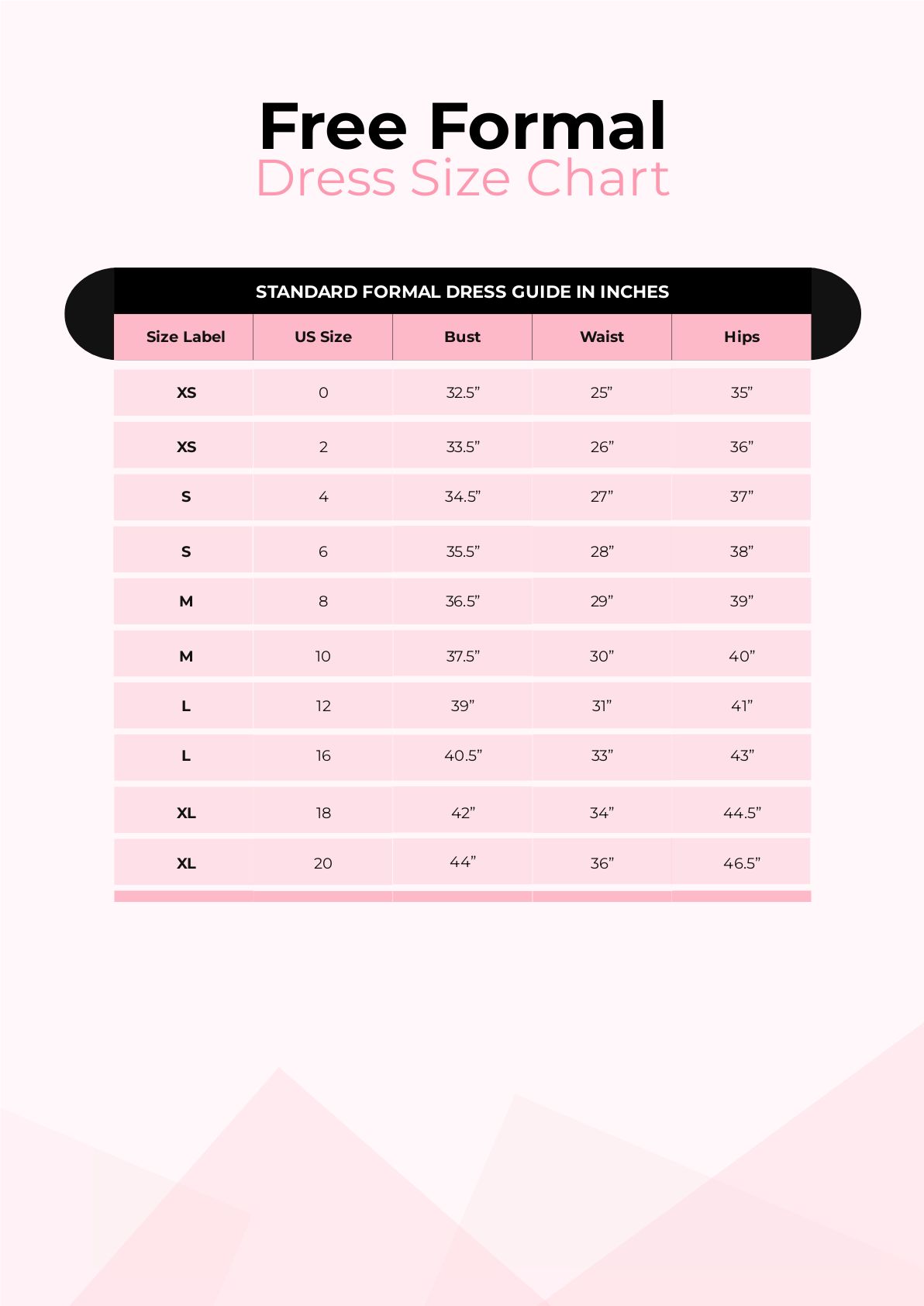
Size charts can vary depending on the brand and region. Azazie, being a popular bridal and formal wear brand, follows a specific sizing system. Their chart typically includes measurements for bust, waist, and hips, as well as dress length and sleeve options. It is essential to note that Azazie's size chart is based on standard US sizing, so if you are used to international sizing, you may need to refer to a size conversion chart to find your equivalent Azazie size.
Step-by-Step Guide to Using the Azazie Size Chart
Measuring yourself accurately is crucial when using any size chart. Here's a simple process to follow:
- Gather a flexible measuring tape and ensure it is calibrated to inches or centimeters, depending on the chart's units.
- Take your measurements: bust, waist, and hips. Stand upright and breathe normally while measuring.
- Compare your measurements to the Azazie size chart. Look for the size that aligns closest to your bust, waist, and hip measurements.
- Consider the dress style and any specific fit preferences you have. Azazie offers various silhouettes, so choose the size that best suits the style you desire.
- If your measurements fall between sizes, it's recommended to size up for a more comfortable fit, especially for formal wear.
- Take note of any additional measurements, such as dress length or sleeve length, and ensure they match your preferences.
Avoiding Common Misreadings and Pitfalls
It is easy to misinterpret size charts, especially if you are new to online shopping. Here are some tips to avoid common mistakes:
- Always double-check the units of measurement. Azazie's size chart may use inches, so ensure your tape measure is set to the correct unit.
- Be precise with your measurements. Take your time and measure multiple times to ensure accuracy.
- Understand that size charts provide a general guide. Your body shape and preferences may require some adjustments.
- If you are between sizes, opt for the larger size to avoid discomfort. You can always have alterations made to achieve the perfect fit.
- Don't forget to consider the fabric and stretchability of the garment. Some materials offer more give, so account for this when choosing your size.
Factors Affecting Accuracy and Real-World Use
Several factors can influence the accuracy of your size chart reading:
- Body shape: The size chart is a general guide, and everyone's body is unique. Consider your body shape and any areas you want to emphasize or accommodate.
- Fit preference: Do you prefer a snug fit or a more relaxed look? Adjust your size choice accordingly.
- Fabric and style: Different fabrics and dress styles can affect the fit. For instance, a structured dress may require a more precise size choice compared to a flowy, flexible fabric.
- Alterations: Keep in mind that most formal wear can be altered to achieve a perfect fit. Don't be afraid to choose a size that aligns with your measurements and make any necessary adjustments.
Choosing the Right Size Chart Format for Your Needs
Azazie offers various size charts to cater to different needs:
- Standard size chart: This is the primary chart, covering a range of sizes and providing measurements for bust, waist, hips, and dress length.
- Plus size chart: A dedicated chart for extended sizes, ensuring a comfortable fit for all body types.
- Bridal size chart: A specialized chart for bridal wear, taking into account the unique fit requirements of wedding dresses.
- Women's size guide: A comprehensive guide offering additional tips and advice for finding the perfect fit.
Keeping Your Reference Reliable for Future Use
To ensure a consistent and reliable sizing experience:
- Save your measurements in a safe place. This way, you can quickly refer to them when ordering from Azazie again.
- Take note of any adjustments or alterations you made to your previous purchases. This information will be valuable for future orders.
- Stay updated with Azazie's sizing guidelines. Brands may update their charts over time, so it's beneficial to check for any changes before placing an order.
- If you are unsure, reach out to Azazie's customer support. They can provide further guidance and ensure you make an informed choice.
Well, there you have it! We've covered a lot of ground on Azazie's size chart, and I hope this guide has provided you with the clarity and confidence to navigate it effectively.
Remember, while this chart is a fantastic tool, every individual is unique, and your specific measurements and preferences may vary. So, take a moment to ensure you've considered all the factors that apply to your situation before making any decisions. Bookmark this page for future reference, and you'll always have a handy reminder of the key steps and considerations. Happy measuring, and until next time!
Related: Understand Verb Anchor Charts Easily
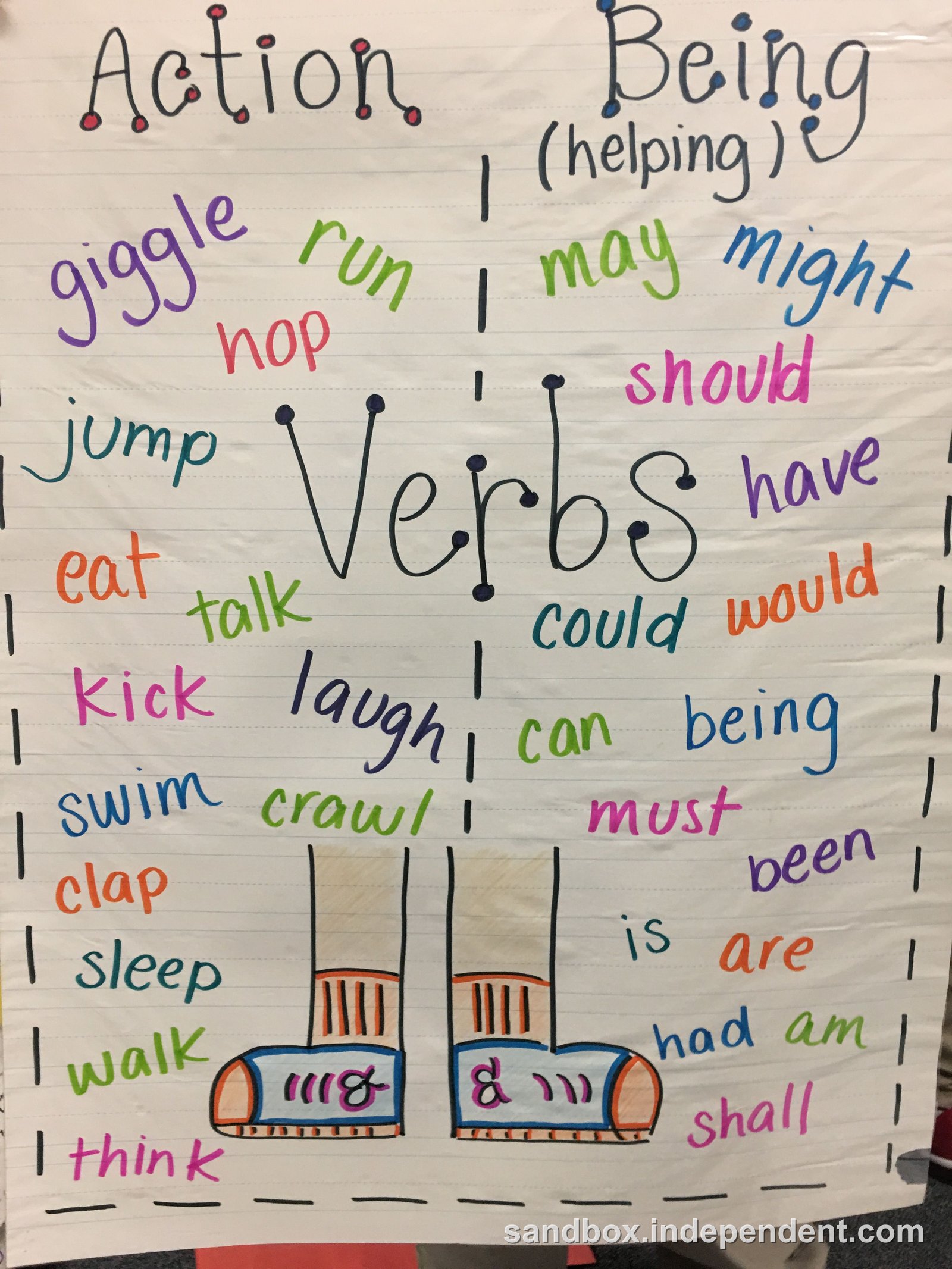
Many folks new to verb anchor charts might think they're just for kids or a basic tool. But these charts are powerful, offering a quick, visual way to grasp verb tenses and forms. A verb anchor chart is an essential reference, a simple yet effective diagram that ensures your verb usage is spot on. It's a handy tool to have, and its format can vary, offering a tailored verb guide for different needs.
Understanding the Verb Anchor Chart
The verb anchor chart is a handy tool that provides a visual representation of verbs and their various forms and tenses. It's like a map for verb usage, guiding you through the different ways verbs can be expressed. This chart is a reference point, offering a clear and organized layout to enhance your understanding and application of verbs.
Key Details and Categories
The verb chart typically includes columns representing different verb tenses, such as present, past, and future, along with their progressive and perfect forms. Each row contains a verb, often listed alphabetically, with its corresponding forms in the respective tense columns. You'll find regular verbs following a consistent pattern, while irregular verbs stand out with their unique forms. The chart may also indicate the verb's type, like action or linking verbs, and provide examples of usage.
Reading and Applying the Chart
To use the verb anchor chart effectively, follow these steps:
Identify the verb you wish to explore. Let's say you're interested in the verb "run."
Locate "run" on the chart. You'll find it listed under the present, past, and future tense columns.
Read across the row to see the different forms. For "run," you'll see "runs" (present), "ran" (past), and "will run" (future).
If you need to use a progressive tense, look for the "-ing" form. In this case, it's "running."
For perfect tenses, check the "have/has" and "had" columns. So, "has run" and "had run" are the perfect tenses for "run."
By following this simple process, you can quickly find the correct verb form for your sentence, ensuring accurate and consistent verb usage.
Variations and Differences
It's important to note that verb charts can vary based on the standard or context. Different regions or styles may have slight variations in verb forms or tenses. Here are some key factors that can cause these variations:
Regional differences: Verb usage can vary between countries or even within regions. For example, British English and American English have some distinct verb forms.
Style guides: Various style guides, like APA or MLA, may have specific preferences for verb tenses or forms, especially in academic writing.
Contextual usage: The verb's function in a sentence, such as whether it's an action or linking verb, can impact its form.
Irregular verbs: These verbs don't follow the typical patterns, so they require special attention and memorization.
Common Mistakes and How to Avoid Them
When using a verb diagram or chart, it's easy to make mistakes if you're not careful. Here are some common pitfalls to watch out for:
Misreading the chart: Always double-check the verb's tense and form. Mistakes can happen when you confuse past and present tenses, for instance.
Neglecting context: Remember that verb forms can change based on the sentence's context. Ensure you choose the right form for your specific usage.
Relying solely on the chart: While the chart is a great tool, it's not exhaustive. Some verbs have unique forms or usages that may not be covered. Always refer to additional resources or examples when in doubt.
Ignoring regional variations: Be mindful of regional differences, especially if your audience is from a different region. Ensure your verb usage aligns with their expectations.
By being aware of these potential issues and taking a careful, contextual approach, you can ensure accurate and effective verb usage in your writing.
So, there you have it! A handy verb anchor chart can be an incredibly useful tool to have in your kit. It's a simple yet effective way to keep your language skills sharp and ensure you're using verbs accurately.
Remember, while this guide offers a general overview, it's always wise to double-check any specific requirements or context-related nuances. Every situation is unique, and language can be a tricky beast!
Feel free to explore our other guides; we've got plenty of resources to help you master various language-related topics. Happy learning, and keep those verbs in check!
Related: Need a Gildan Color Chart? Find it Here!
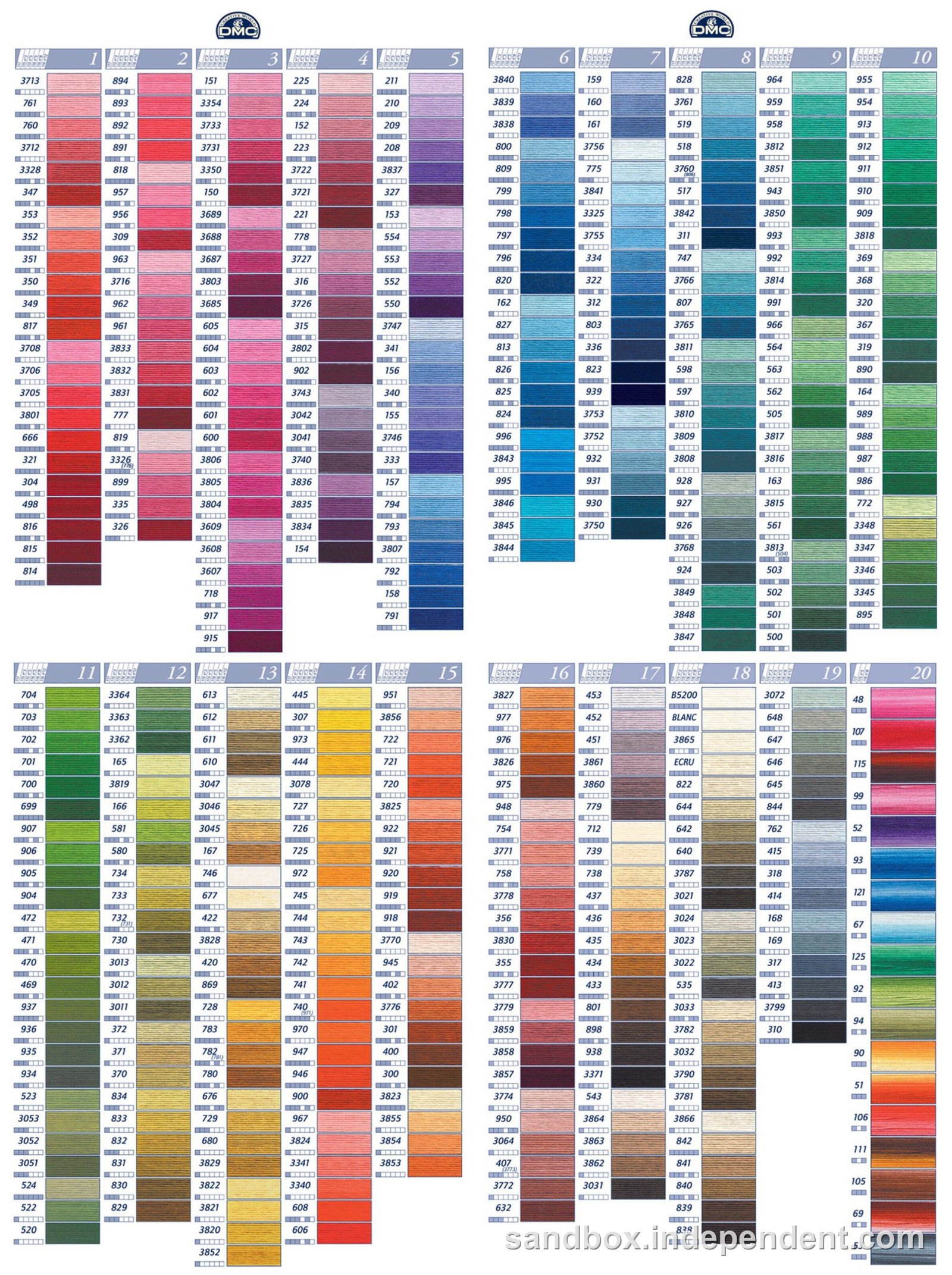
You're probably here because you need to find the perfect shade for your project, and the Gildan color chart is a handy tool to have at your disposal. It's a straightforward guide, offering a range of options to choose from, and it's an essential reference for anyone working with colors, especially when precision is key. The chart provides a quick and easy way to navigate and compare colors, and it's a go-to resource for many, whether you're a designer, artist, or just someone who wants consistent color results.
Understanding the Gildan Color Chart: A Practical Overview
The Gildan color chart is a handy reference tool for anyone working with colors, especially in the garment and textile industry. It's like a secret code that helps you unlock the perfect shade for your project. This chart provides a visual representation of various color options, making it easier to choose and match colors accurately.
Comparing Color Standards: Pantone vs. RGB
When it comes to color charts, you might come across different standards, like Pantone and RGB color codes. The Gildan chart typically follows the Pantone matching system, which is widely used in the fashion and printing industries. Pantone offers a standardized color language, ensuring consistency across different materials and processes. On the other hand, RGB color codes are more common in digital design and web development. So, depending on your specific needs, you might refer to different charts or systems.
Step-by-Step Guide to Using the Gildan Color Chart
Identify your color needs: Determine the type of project you're working on and the colors you require. The Gildan chart covers a wide range of colors, from vibrant hues to subtle shades, so you'll have plenty of options.
Locate the color: The chart is usually organized by color families or categories. Each color is represented by a unique code or number. Find the section that corresponds to the color family you're interested in.
Match the color: Within each color family, you'll find swatches or samples of different shades. Compare these swatches to your desired color. Look for the closest match, considering factors like lighting and material.
Note the color code: Once you've found the perfect match, make a note of the corresponding color code. This code will help you communicate the color accurately to others, ensuring consistency throughout your project.
Double-check specifications: While the Gildan chart provides a great starting point, it's essential to double-check the exact specifications, especially if you're working with specific brand guidelines or industry standards. Some colors may have slight variations, so confirming the details is crucial.
Avoiding Misreadings and Pitfalls
One common pitfall is relying solely on the chart without considering the context. Colors can appear differently under various lighting conditions, so it's important to view samples in the intended environment. Additionally, color perception can vary from person to person, so getting a second opinion or using color-matching tools can help ensure accuracy.
Factors Affecting Color Accuracy
Several factors can influence the accuracy of color representation:
Lighting: Natural and artificial lighting can alter how colors appear. Always view color samples under similar lighting conditions to your project's environment.
Material: Different materials reflect light differently, affecting color perception. The Gildan chart is designed for textile applications, so consider the impact of fabric type and texture on color appearance.
Printing techniques: If you're using the chart for printing purposes, the printing process itself can introduce variations. Calibrated printing equipment and consistent ink formulas are essential for accurate color reproduction.
Environmental factors: External factors like humidity and temperature can impact color perception. Ensure your reference samples are stored and handled under controlled conditions to maintain consistency.
Choosing the Right Color Chart Format
The Gildan color chart comes in various formats to suit different needs:
Physical swatch books: These provide a tangible reference with actual fabric samples. They offer a more accurate representation of colors but can be bulkier to carry.
Digital charts: Digital versions are convenient for quick reference and easy sharing. However, they may not capture the true texture and feel of the fabric.
Online color tools: Some online platforms offer interactive color charts and matching systems. These tools can be useful for remote collaboration and color exploration.
Customized charts: If you work with specific color requirements, you can create customized charts or swatch books tailored to your brand or project.
Maintaining Reliability for Future Projects
To ensure the reliability of your color references:
Store your color charts or swatches properly: Keep them away from direct sunlight and extreme temperatures to prevent fading or discoloration.
Regularly update your references: Color trends and preferences evolve, so stay updated with the latest color charts and standards.
Calibrate your equipment: If you're working with digital color tools, ensure your screens and printers are regularly calibrated to maintain accuracy.
Document your color choices: Keep records of the color codes and references you use for future projects. This helps maintain consistency and saves time when revisiting previous designs.
Hey there, we hope you found this guide helpful and that your color-matching adventures are now a breeze! Remember, when it comes to color charts, the specifics can differ slightly, so always double-check your references and adapt as needed.
Feel free to explore our other guides; we've got plenty of practical tips and tricks to make your creative processes smoother. Happy crafting!