

Guitar Scale Chart Letter Size Overview
Many folks assume that chicos size charts are a one-size-fits-all deal, but that's a common misconception. These charts are actually tailored to the brand's unique sizing system, which can vary from other standard measurements.
So, while it's a simple reference tool, understanding how to read and interpret chicos size charts accurately is key to getting the perfect fit. It's all about knowing your measurements and finding the right correlation on the chart.
Understanding the Chicos Size Chart
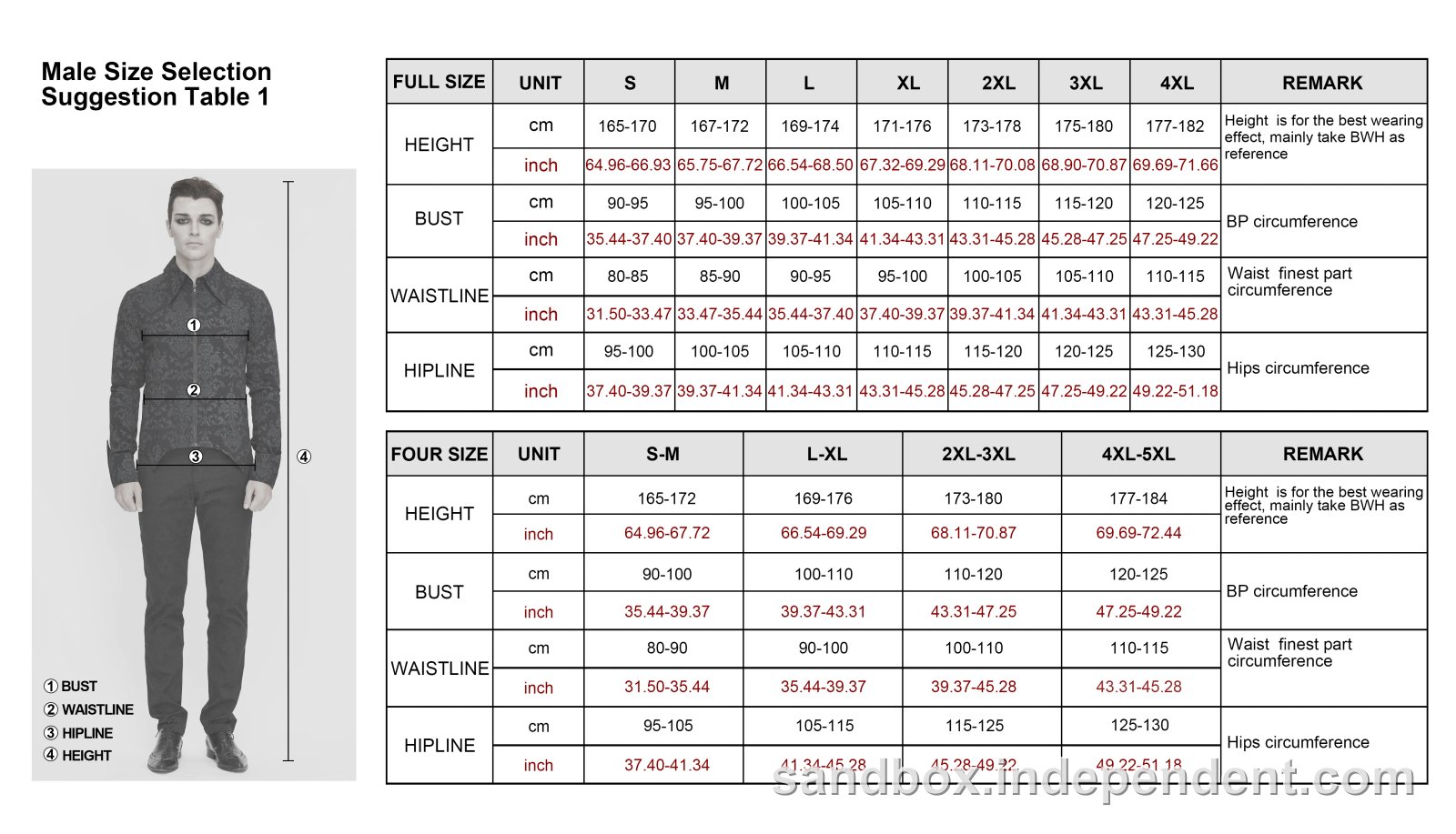
The chicos size chart is a handy tool to help you find your perfect fit when shopping for clothing. It provides a clear guide to the standard measurements used by Chicos, ensuring you can easily navigate their sizing system. This chart is a great reference, especially when shopping online, as it gives you an accurate idea of the sizes available and how they correspond to your own measurements.
Comparing Size Chart Standards
Chicos' size chart follows a standard format, typically based on US sizing, which is widely used in North America. This chart provides measurements for various body parts, including bust, waist, hips, and inseam, to ensure a precise fit. It's important to note that while US sizing is common, other regions may use different standards, such as metric or European sizing. So, if you're used to a different system, it's a good idea to double-check the specific measurements and conversions.
Measuring Yourself for Accurate Sizing
To use the chicos size chart effectively, you'll need to take some key measurements. Here's a step-by-step guide:
- Bust: Measure around the fullest part of your bust, keeping the tape measure parallel to the floor.
- Waist: Measure your natural waistline, usually just above the belly button.
- Hips: Find the widest part of your hips and measure around, ensuring the tape is level with the floor.
- Inseam: For pants and jeans, measure from your crotch to the desired pant length.
Once you have these measurements, you can refer to the size chart and find the closest match. The chart will provide a range of measurements for each size, so you can choose the one that best fits your body.
Common Misreadings and How to Avoid Them
One common mistake is assuming that all clothing brands use the same size standards. While Chicos' size chart is a great guide, it's always a good idea to check the specific brand's size guide, especially if you're a regular customer. Another pitfall is measuring yourself incorrectly. Ensure you're measuring the right body parts and following the guidelines accurately. Finally, don't forget that sizing can vary slightly between different styles and fabrics, so always check the product details for any specific size notes.
Hey there, we hope you found this guide helpful and that it's now easier to navigate the world of Chicos size charts. Remember, while we've covered the basics, exact details might differ slightly, so always double-check with the brand's guidelines or consult our other guides for more specific info.
Consider bookmarking this page for future reference; it's a handy tool to have at your fingertips when you need to quickly look up those size charts!
Related: Unraveling the Yarn Size Chart Mystery
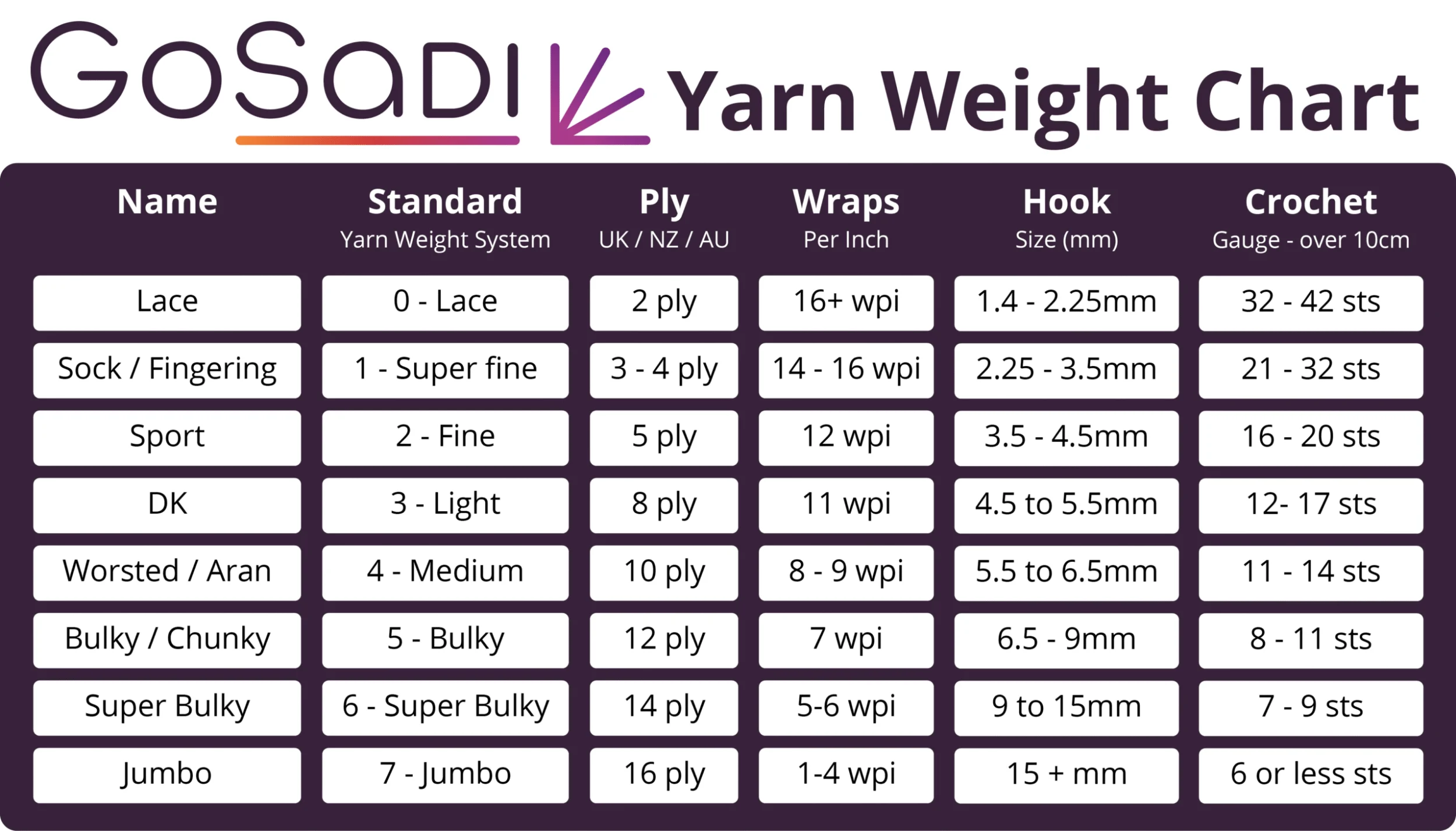
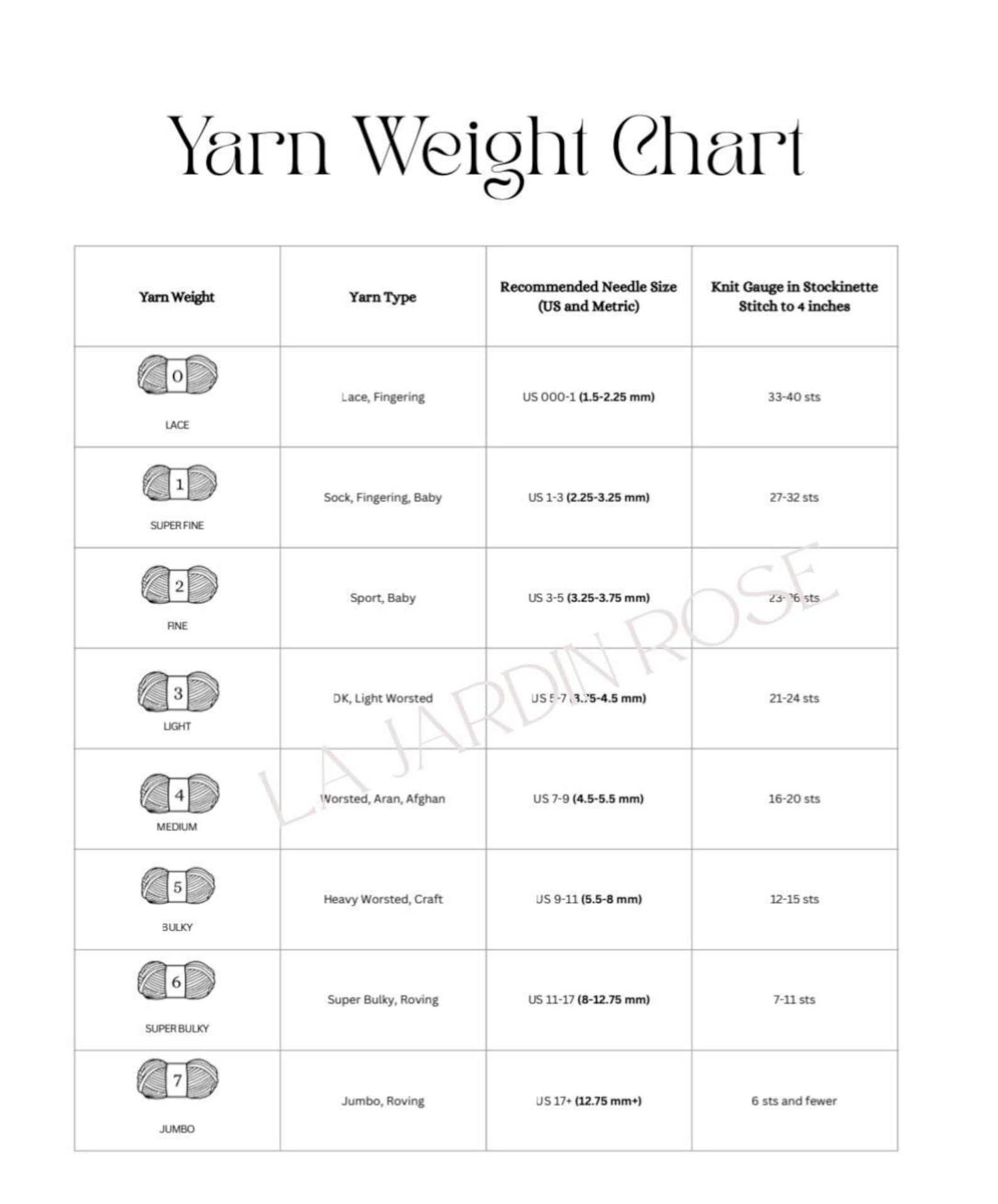
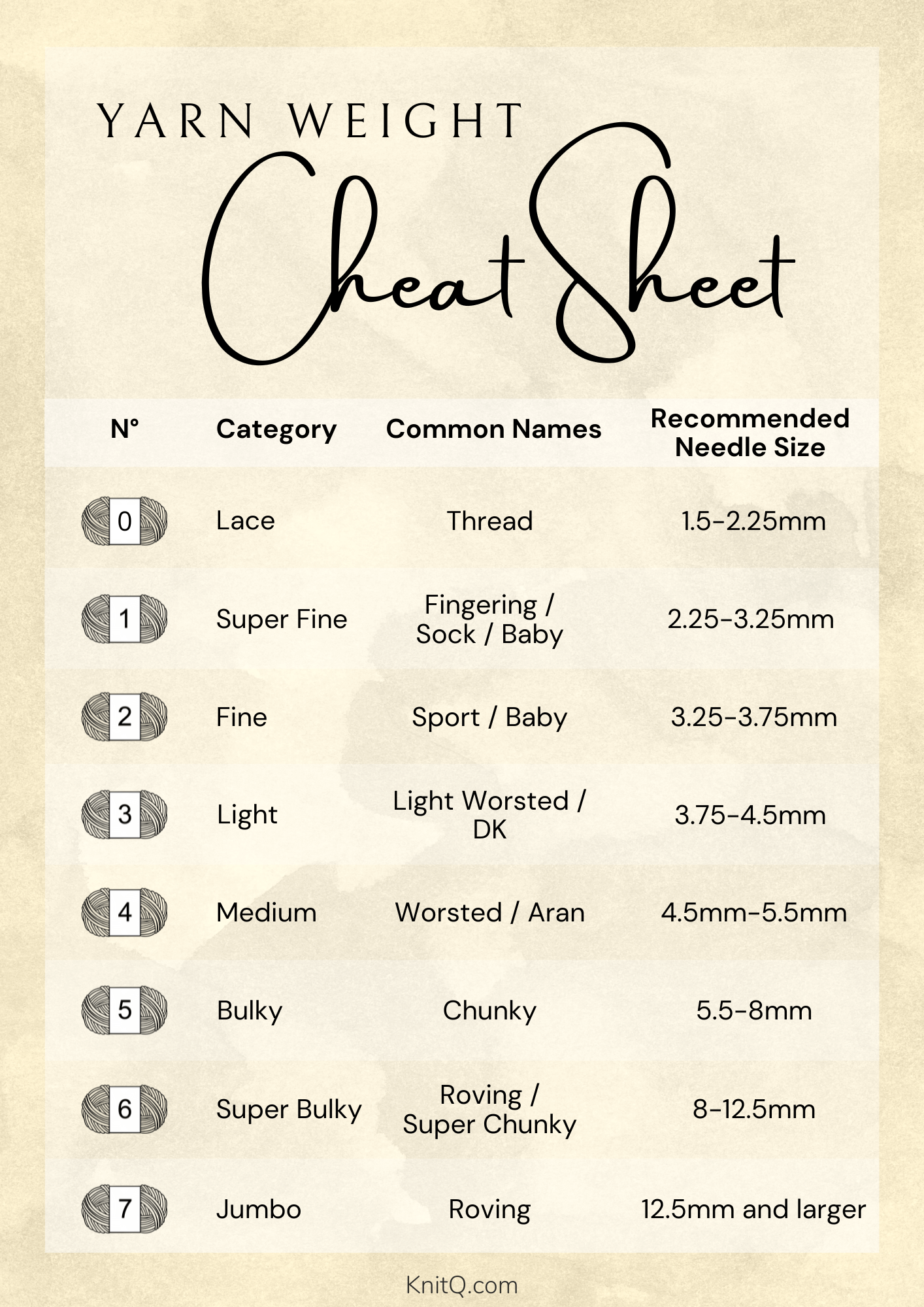
A yarn size chart is a handy tool for any knitter or crocheter, offering a quick glance at the essential information needed to choose the right yarn for your project. This guide will walk you through the basics, ensuring you can read and interpret these charts with ease.
Yarn size charts provide a standardized way to understand yarn thickness, often referred to as weight or ply. While the values and formats may vary slightly depending on your region or the brand you're using, these charts offer a reliable starting point for your creative journey.
Understanding the Yarn Size Chart
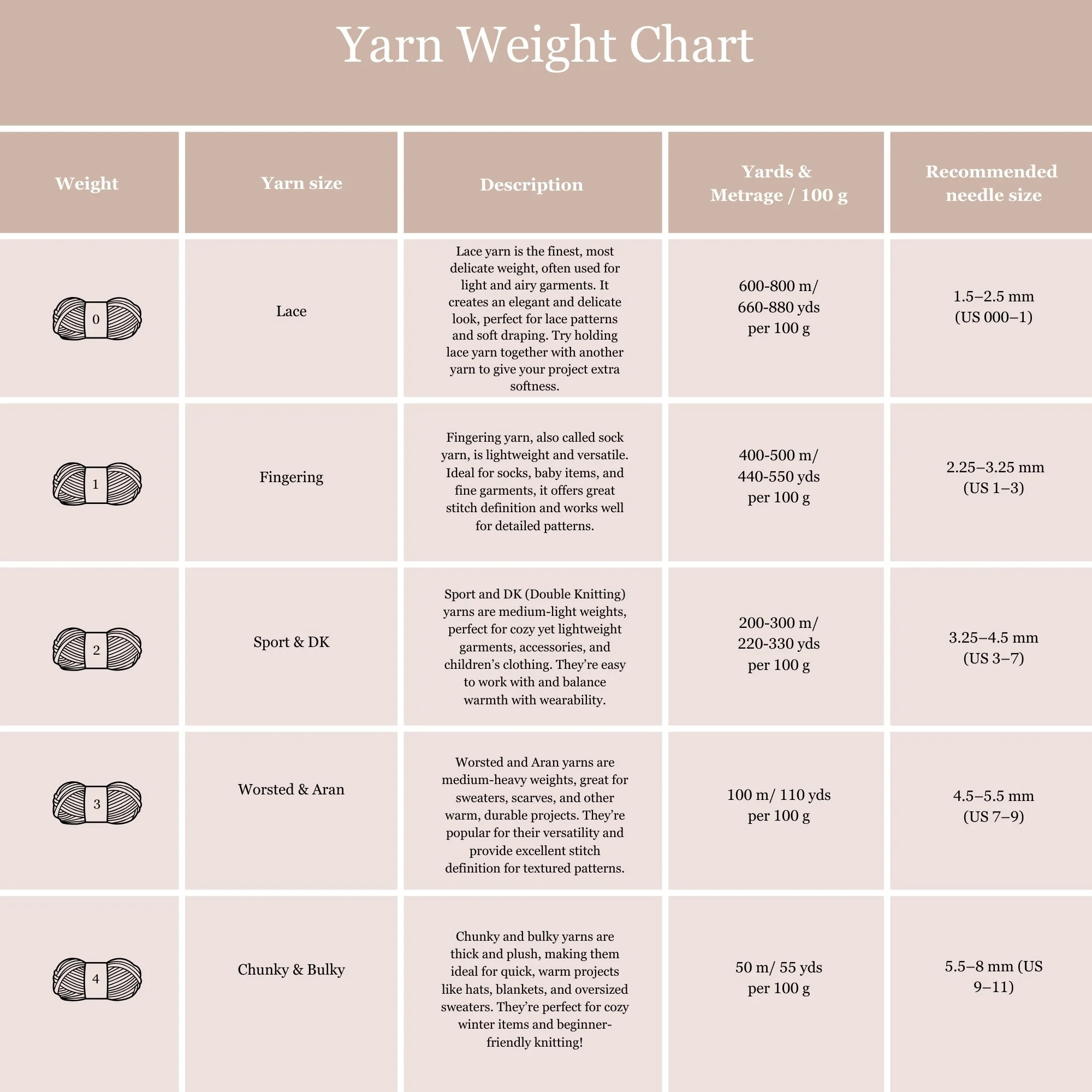
The yarn size chart is a valuable tool for knitters, crocheters, and weavers, offering a standardized way to determine the thickness or weight of yarn. It provides a clear reference for choosing the right yarn for your project and ensures consistent results. This chart is a crucial guide for any fiber artist, allowing them to navigate the vast array of yarn options available.
Key Details and Categories
The yarn size chart typically displays yarn weights in two primary systems: the US Standard System and the Metric System. In the US, yarn weight is often categorized from 0 to 6, with 0 being the finest and 6 the thickest. The metric system uses a more precise measurement, usually in millimeters (mm), to indicate the thickness of the yarn. Additionally, some charts may include a column for the number of plies, which refers to the number of strands twisted together to form the yarn.
How to Read and Apply the Chart
When using a yarn size chart, follow these steps:
- Identify the yarn weight system you are working with. Is it the US Standard or Metric? Ensure you are referring to the correct chart.
- Locate the category or range that best describes your yarn. If you have a specific yarn brand or type, match it to the appropriate weight category.
- Take a small length of your yarn and wrap it around a wpi tool or a ruler. Count the number of wraps per inch (wpi) to get an approximate measurement.
- Compare your measured wpi to the chart's values. This will give you an idea of the yarn's thickness and help you choose the right needle or hook size for your project.
- Consider the recommended needle or hook size for your chosen yarn weight. This information is often included in the chart or can be found on the yarn label.
Variations and Differences
It's important to note that yarn size charts may vary slightly between different standards and regions. While the US and Metric systems provide a good foundation, some yarn manufacturers may have their own unique sizing systems. Additionally, the way yarn is spun and the materials used can also impact its thickness, leading to slight variations. It's always a good practice to refer to the specific yarn brand's guidelines or consult their website for exact specifications.
Common Mistakes and How to Avoid Them
One common mistake is assuming that all yarn within a certain weight category will behave the same. While the chart provides a guide, individual yarns can have unique characteristics. Always check the yarn label and consider the recommended needle or hook size provided by the manufacturer. Another pitfall is relying solely on the chart without physically measuring your yarn. Taking the time to wrap and count the wpi ensures a more accurate assessment of your yarn's thickness.
Tips for Accurate Sizing
To ensure accurate sizing when working with a yarn size chart, consider these best practices:
- Always refer to the specific yarn brand's guidelines or website for any unique sizing information.
- Invest in a wpi tool or a ruler to measure your yarn's thickness accurately.
- When in doubt, err on the side of a slightly larger needle or hook size. This can help prevent overly tight stitches and ensure a more relaxed, comfortable knitting or crocheting experience.
- Keep a record of the yarns you've used and their corresponding needle/hook sizes. This can be a valuable reference for future projects.
- Remember that the yarn size chart is a guide, and some variation is normal. Embrace the uniqueness of each yarn and enjoy the process of creating with fiber!
Remember, while this chart provides a great starting point, it's always wise to check the specific requirements for your project. Exact values can vary, so it's good to double-check the standards or guidelines relevant to your context.
This yarn size chart is a handy reference, and I hope it proves useful for your knitting and crocheting adventures. Feel free to bookmark this page for a quick reminder the next time you need it. Happy crafting!
Related: Decoding the Navy Ribbon Chart: A Simple Guide
A navy ribbon chart is a handy tool for anyone working with ribbons, especially those in the navy blue shade. This guide will give you a quick rundown on what these charts are and how they can be useful.
Ribbon charts are a simple yet effective way to visualize and understand ribbon measurements. They provide a clear overview of ribbon width, length, and size, ensuring accuracy and consistency. While the values may vary depending on the context and region, these charts offer a reliable reference point.
Understanding the Navy Ribbon Chart: A Quick Overview
The navy ribbon chart is a handy tool for anyone working with navy blue ribbons, whether for crafting, sewing, or other projects. It provides a visual guide to help you choose the right ribbon size and understand its dimensions. This chart is especially useful when you need precise measurements and want to avoid any guesswork.
Comparing Ribbon Sizes and Formats
Ribbon sizes can vary, and the navy ribbon chart typically covers a range of standard widths and lengths. You'll find ribbon widths expressed in inches or centimeters, depending on the chart's standard. Common widths include 1/4", 1/2", 1", and 2" for inch-based charts, and 0.6 cm, 1.2 cm, 2.5 cm, and 5 cm for metric charts. Lengths can vary greatly, often offered in standard rolls of 10, 25, or 50 yards, or sold by the yard.
Step-by-Step Guide: Using the Navy Ribbon Chart Accurately
To use the navy ribbon chart effectively:
Identify the ribbon width you need for your project. This is crucial as it determines the ribbon's visual impact and functionality.
Refer to the chart to find the corresponding length options for that width. The chart will show you the standard roll lengths available for that width.
Consider the quantity you require. If you need a large quantity, it's often more cost-effective to opt for longer roll lengths, even if it exceeds your immediate needs.
Double-check the ribbon's intended use. Some ribbons, while similar in appearance, may have different purposes, such as gift wrapping or crafting. Ensure you choose the right type for your project.
Take note of any special features or finishes, such as wired edges or specialty prints, as these can impact the ribbon's behavior and appearance.
Avoiding Common Misreadings and Pitfalls
It's easy to misinterpret the navy ribbon chart if you're not familiar with ribbon terminology. Here are some common mistakes and how to avoid them:
Ribbon Width: Always clarify if the width is measured flat or folded. Some charts specify this, but others assume you know. Flat width is the full width, while folded width is half of that.
Ribbon Length: Be aware that some charts may list length in yards, while others use meters. Always check the units to ensure accuracy.
Special Features: Certain ribbons have unique features, like wired edges or printed patterns. These may not be immediately obvious on the chart, so always read the fine print or product description.
Color Variation: While the focus is on navy blue, different manufacturers may have slight variations in color shade. If color match is critical, request a sample or check reviews for consistency.
Factors Affecting Accuracy and Real-World Use
While the navy ribbon chart is a valuable tool, it's important to remember that real-world applications can vary. Here are some key factors to consider:
Manufacturing Tolerances: Ribbon dimensions can have slight variations due to manufacturing processes. Always allow for a small margin of error, especially for critical projects.
Material Stretch: Some ribbon materials, like satin or grosgrain, have more stretch than others. Consider this when choosing the ribbon, especially if precise measurements are essential.
Environmental Factors: Heat, humidity, and storage conditions can affect ribbon dimensions over time. Store your ribbons properly to minimize these effects.
Project Requirements: Different projects have unique demands. Always review your specific needs and consider factors like durability, ease of use, and visual appeal.
The navy ribbon chart is a practical guide, but it's just the starting point. By understanding these factors and using the chart accurately, you'll be well-equipped to choose the perfect ribbon for your projects.
Hey there! I hope this guide has given you a clear understanding of navy ribbon charts and their practical use. Remember, while the basics remain the same, the exact details might differ slightly based on your specific situation and the standards you're working with.
Feel free to explore other guides on our site for more detailed insights and variations. We've got a range of topics covered, so you can dive deeper into any area that piques your interest. Happy learning!