





Halloween Coloring Pages Kids Overview
An eye shape chart is a valuable tool for understanding and identifying the various shapes and structures of the eyes. This guide aims to provide a straightforward overview, offering insights into how these charts work and their practical applications.
The chart serves as a visual reference, categorizing eye shapes and often including measurements. It can help individuals recognize their eye type and understand the associated terminology, such as monolid or hooded. While the specifics may vary depending on the source, the eye shape chart remains a reliable starting point for self-analysis and a great foundation for further exploration.
Understanding Eye Shapes: An Eye-Opening Guide
The eye shape chart is a valuable tool for anyone seeking to learn about the diverse shapes of eyelids and eyes. This guide will help you navigate this chart, offering a clear understanding of its purpose and use.
Key Details and Categories
The eye shape chart typically categorizes eye shapes based on the appearance of the eyelid and the visible portion of the eye. Common categories include monolid, hooded, almond, round, and deep-set eyes. Each category has unique characteristics, such as the presence or absence of a visible eyelid crease or the shape of the eye itself.
Reading the Eye Shape Chart: A Step-by-Step Guide
To read the eye shape chart, follow these steps:
Start by identifying the primary features of your eyes. Look for the presence of an eyelid crease, the shape of the eye opening, and the overall contour of the eyelid.
Compare your observations to the categories on the chart. Match the visible features of your eyes to the corresponding category.
Once you've identified your eye shape, you can explore the chart further to learn more about your specific eye type. The chart often provides additional information, such as common traits, makeup tips, or even optical considerations.
Variations and Differences: Why Do They Exist?
Variations in eye shapes are a natural part of human diversity. Genetic factors play a significant role, as eye shape is often inherited. Additionally, factors like age, ethnicity, and even lifestyle can influence the appearance of the eyelids and eyes. For instance, as we age, the skin around the eyes may change, affecting the shape and visibility of the eyelid crease.
Common Mistakes and How to Avoid Them
When using the eye shape chart, it's important to avoid these common mistakes:
Relying solely on the chart: While the chart is a great guide, individual variations exist. Take it as a starting point, but consider seeking professional advice or conducting further research for a more precise understanding.
Overlooking personal features: Each person's eyes are unique. Pay attention to your specific eye traits, such as the color, size, and spacing, as these can influence the overall appearance.
Ignoring context: The eye shape chart may not cover all situations. For example, certain medical conditions or previous surgeries can alter eye shape. Always consider your personal context and consult experts when needed.
Practical Tips for Accurate Results
To ensure accurate results when using the eye shape chart, consider these tips:
Lighting: Ensure you examine your eyes in natural light or good artificial lighting to get an accurate view.
Angle and Distance: Maintain a consistent angle and distance when observing your eyes to avoid distortion.
Compare and Contrast: Compare your eyes to the chart's examples, but also contrast them with other eye shapes to gain a broader understanding.
Seek Expert Advice: If you're unsure or have specific concerns, consult an optometrist or ophthalmologist for a professional opinion.
Remember, the eye shape chart is a valuable tool, but it's just one part of understanding your unique eye characteristics.
Remember, while this guide offers a comprehensive overview, the specifics of eye shape charts can differ slightly based on individual needs and contexts. Feel free to adapt and customize the chart to suit your unique requirements.
Consider bookmarking this page for future reference. Whether you're a makeup artist, a fashion enthusiast, or simply curious about eye shapes, having this guide handy will ensure you always have a reliable resource at your fingertips.
Related: Understand Your Hair Level Chart Easily
You're probably here because you need a quick solution, right? Well, if you're looking for a simple guide to understanding hair length, the hair level chart is a handy tool. It's like having a secret code to deciphering those tricky hair measurements. This chart, a simple yet effective reference, can help you determine your hair's growth and length accurately. From there, you can explore various hair growth charts, length guides, and even styling tips tailored to your hair's level.
Understanding the Hair Level Chart: A Quick Overview
The hair level chart is a useful tool for anyone interested in hair care and styling. It provides a visual representation of hair length, offering a standardized way to measure and communicate hair length. This chart is especially handy for professionals in the hair industry, ensuring consistency in haircuts and styles.
Comparing Hair Level Chart Standards and Formats
There are a few different standards and formats for hair level charts. The most common one is based on the hair growth chart, which typically uses a numerical scale. This scale ranges from 1 to 10, with each number representing a specific hair length. For example, level 1 might indicate very short hair, while level 10 represents extremely long hair.
Another format uses descriptive terms, such as "short," "medium," and "long," to categorize hair lengths. This method is often used in everyday conversations and provides a more general idea of hair length. However, it lacks the precision of numerical scales.
Measuring Hair Accurately: A Step-by-Step Guide
To use the hair level chart accurately, follow these simple steps:
- Start by determining your current hair length. You can do this by measuring your hair from the scalp to the tip.
- Compare your measurement to the chart. Look for the closest match on the numerical scale or find the descriptive term that best describes your hair length.
- If you're using a numerical scale, you might find your hair length falls between two levels. In such cases, you can estimate or round up to the nearest level.
- Once you've identified your hair level, you can communicate it to your hairstylist or use it as a reference for styling and product choices.
Common Misconceptions and Pitfalls to Avoid
While the hair level chart is a practical tool, there are a few things to keep in mind:
- Hair length can vary depending on factors like hair type, texture, and individual growth rates. So, while the chart provides a standard, your personal hair characteristics may influence the accuracy of the measurement.
- The chart might not cover all hair types and styles. For instance, some hairstyles, like dreadlocks or extensions, may require additional considerations.
- It's essential to measure your hair accurately. Ensure you measure from the scalp and consider the natural fall of your hair.
- Remember, the chart is a guide, and individual preferences may vary. Feel free to adjust the level based on your desired style and comfort.
By understanding these factors, you can use the hair level chart effectively and make informed decisions about your hair care and styling.
Well, there you have it! A handy hair level chart can be a great tool to ensure you're getting the right products and services for your hair type. It's always a good idea to refer to these charts and guides, but remember, every head of hair is unique, so make sure to consider your specific needs and goals.
Feel free to explore our other guides and resources; we've got plenty of practical tips and tricks to help you navigate the world of hair care and styling. Happy hair adventures!
Related: Find Your Perfect Jean Size with Our Chart
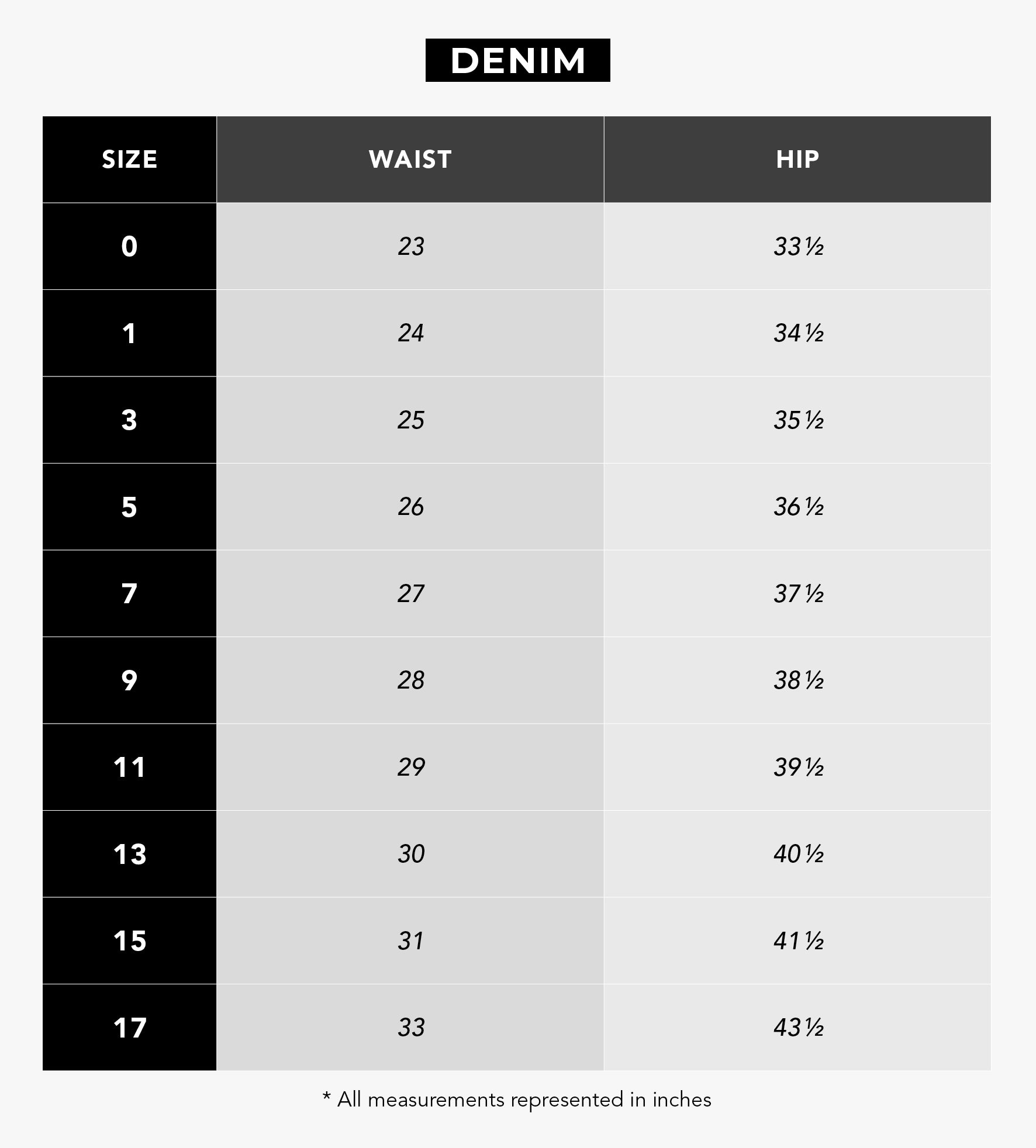
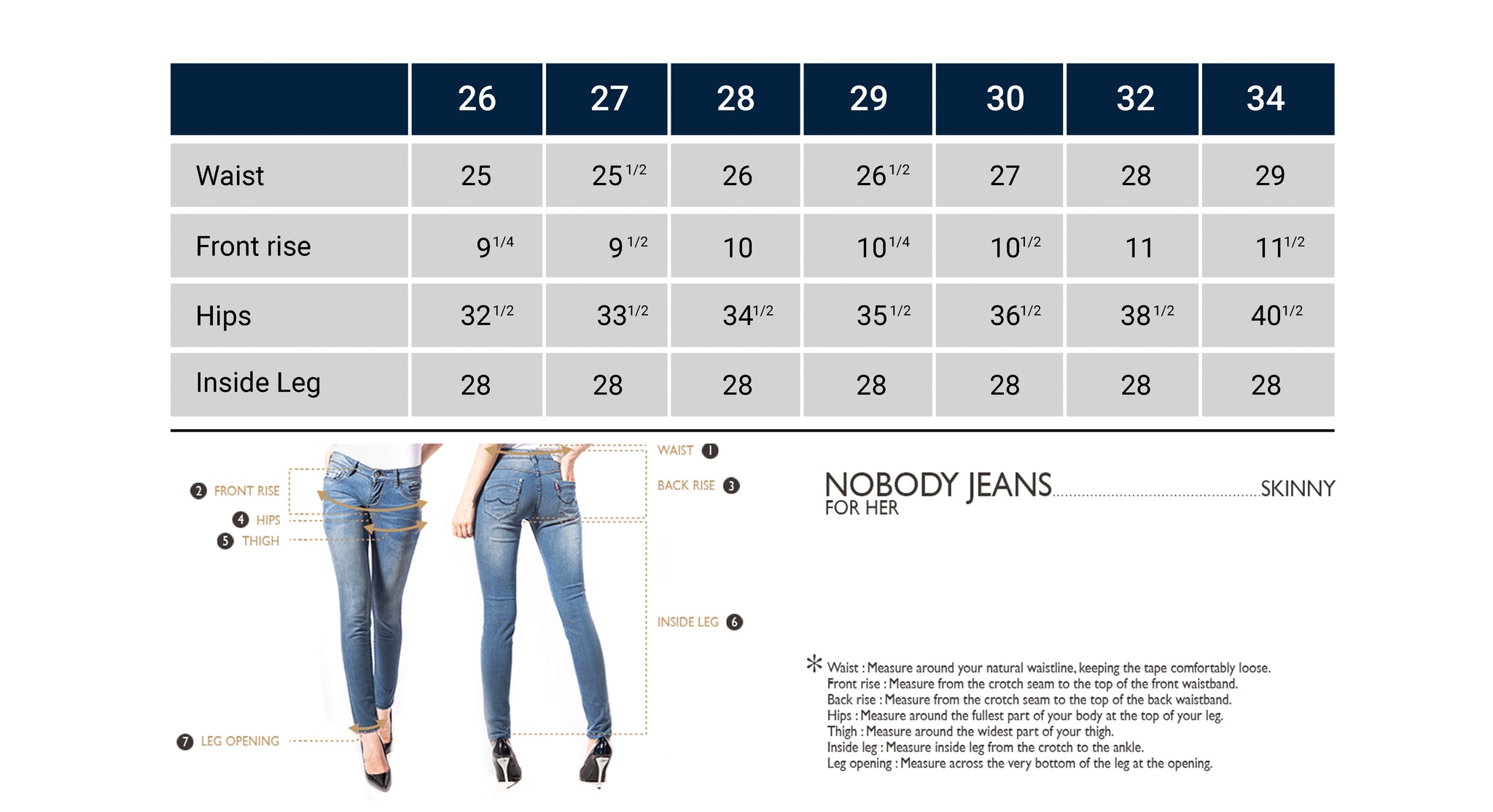
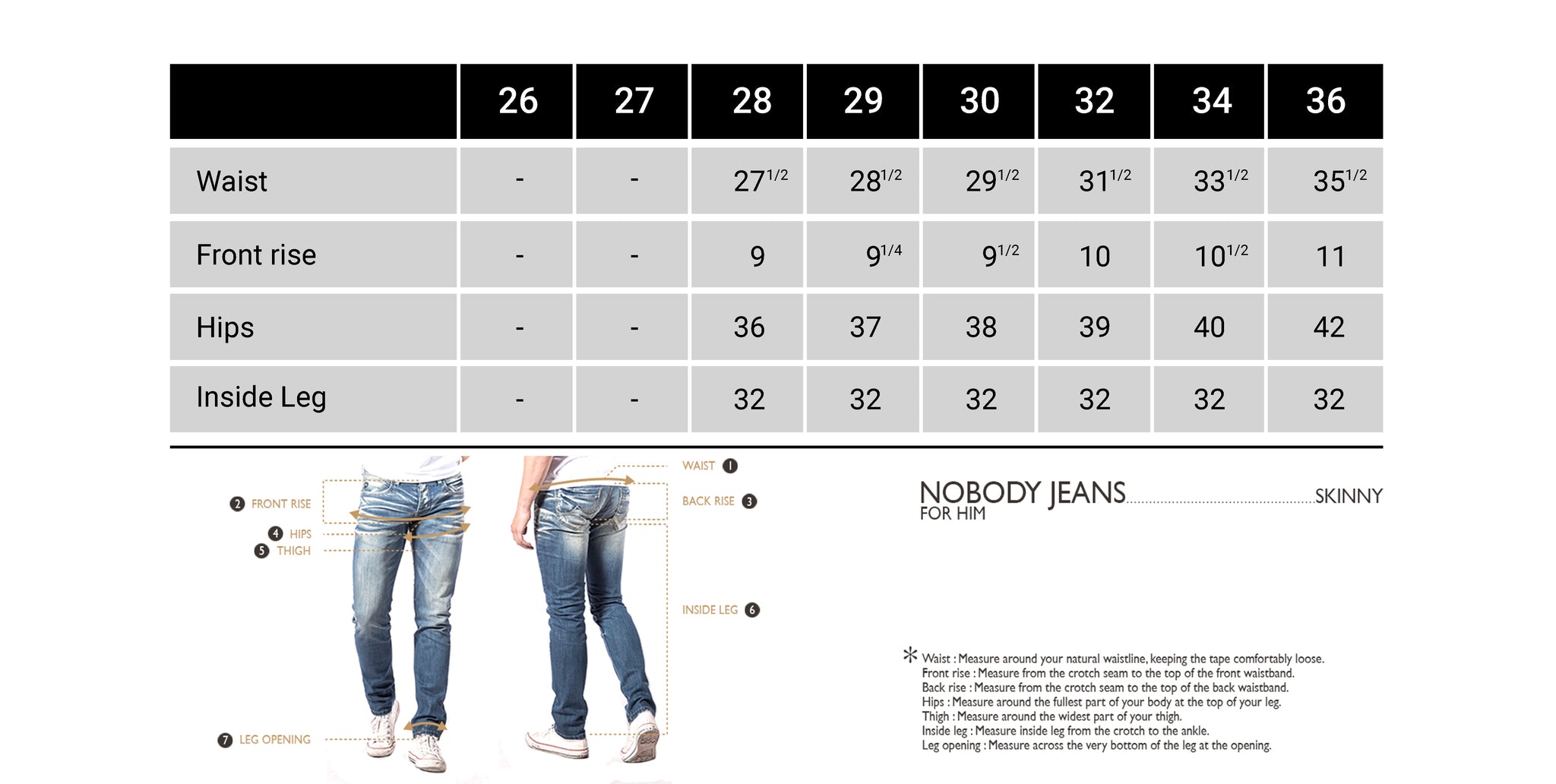
You've likely found yourself searching for a jean size chart at some point, whether it's to double-check a size before ordering online or to understand the measurements listed on a clothing tag. These charts are a handy tool, offering a quick reference for finding your perfect fit, and they can vary slightly depending on the brand and region. With a simple glance, you can navigate the world of denim sizing, ensuring you always get the right pair of jeans.
Understanding Size Charts: A Guide to Jean Sizing
The jean size chart is a handy tool that simplifies the process of finding your perfect fit in denim. This chart provides a standardized way to determine your jean size, making it easier to shop for jeans, both in-store and online. It offers a quick reference for waist and hip measurements, ensuring you choose the right size for your body.
Comparing Standards and Formats
Jean size charts can vary depending on the region and manufacturer. The most common standards are the US and international (metric) systems, each with its own set of measurements and size labels. US sizes are often based on waist size, while international sizes may use a combination of waist and hip measurements. It's essential to know which standard a chart follows to ensure accurate sizing.
Step-by-Step Guide: Measuring for Jeans
To use a jean size chart accurately, follow these steps:
- Gather a measuring tape and stand in a comfortable position. Ensure the tape is straight and not twisted.
- Measure your waist at the narrowest point, usually just above your belly button. This is your waist size.
- Optionally, measure your hip at its widest point, typically around the hip bones. This measurement is crucial for a precise fit, especially for curvier figures.
- Refer to the jean size chart and locate your waist size. Some charts may also provide a hip size range for each waist size, ensuring a better fit.
- Choose the size that corresponds to your measurements. If your waist and hip measurements fall into different size categories, select the size that accommodates your hip measurement to ensure comfort and a flattering fit.
Avoiding Misreadings and Pitfalls
One common mistake is assuming all jean size charts are universal. Always check the standard and units used on the chart. For instance, a US size 8 may not align with an international size 8. Additionally, remember that jeans can stretch over time, so consider choosing a size that feels slightly snug initially.
Factors Affecting Accuracy
Several factors can influence the accuracy of a jean size chart. Firstly, body shape and proportions vary greatly, so a single chart may not cater to all body types. Secondly, denim fabric can stretch and shrink, especially with frequent wear and washing. To account for this, some charts provide a size range or suggest choosing a size down for a more tailored look. Lastly, manufacturing variations can lead to slight size discrepancies between brands. Always refer to the brand's size guide for specific tolerances.
Adapting the Chart for Your Needs
If you prefer a more tailored fit, consider using a pant size calculator or a detailed clothing size chart that considers multiple body measurements. These tools offer a precise fit by accounting for various body dimensions. Alternatively, for a quick and convenient option, stick to the standard jean size chart, which provides a good starting point for finding your size.
Well, there you have it! A comprehensive guide to jean sizes, covering all the bases and offering a practical solution for your sizing needs.
Remember, while this chart is a fantastic tool, it's always wise to double-check your specific requirements and context. Exact values can vary, so ensure you're using the right standards and measurements for your situation. With this guide, you're well-equipped to navigate the world of jean sizes confidently.
Consider bookmarking this page for future reference; it'll be a handy resource whenever you need to size up your denim game!