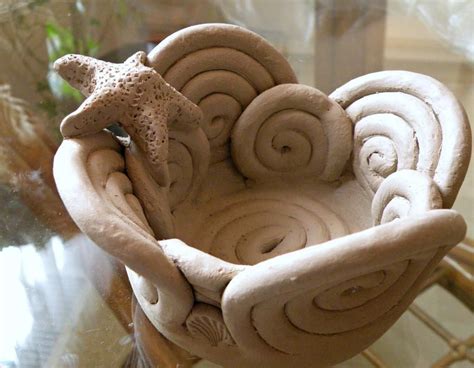
The art of hand-building pottery is a timeless and expressive medium that allows artists to create unique, functional, and decorative pieces. From ancient civilizations to modern times, pottery has played a significant role in human culture, serving both practical and aesthetic purposes. In this article, we’ll delve into the world of hand-building pottery, exploring various techniques, ideas, and inspiration to help you get started or improve your skills.
Introduction to Hand-Building Techniques
Hand-building pottery involves shaping and constructing ceramic pieces without the use of a potter’s wheel. This technique requires patience, skill, and creativity, as artists must carefully manipulate and shape the clay to achieve the desired form. There are several hand-building techniques, including:
- Pinching: This technique involves shaping the clay into a desired form using only the fingers and thumbs.
- Coiling: Coiling involves rolling out long, thin ropes of clay and stacking them on top of each other to create the desired shape.
- Slab construction: This method involves rolling out flat sheets of clay and assembling them into a three-dimensional form.
Exploring Pottery Styles and Inspiration
Pottery styles and inspiration can come from various sources, including nature, architecture, and cultural heritage. Some popular pottery styles include:
- Functional ware: Practical, everyday pieces like plates, bowls, and cups.
- Sculptural pottery: Decorative, non-functional pieces that focus on form and aesthetics.
- Raku pottery: A style of pottery that originated in Japan, characterized by crackled glazes and distinctive forms.
- Earthenware: A type of pottery made from clay and fired at a relatively low temperature, often used for decorative pieces.
Tips and Tricks for Hand-Building Pottery
To improve your hand-building skills, consider the following tips and tricks:
- Start with simple forms: Begin with basic shapes and gradually experiment with more complex forms.
- Use the right tools: Invest in a set of basic pottery tools, such as a wire cutter, metal rib, and wooden modeling tool.
- Practice, practice, practice: The more you work with clay, the more comfortable you’ll become with its texture and behavior.
- Experiment with different clays: Try working with various types of clay, such as earthenware, stoneware, or porcelain, to discover their unique characteristics.
Conclusion
Hand-building pottery is a rewarding and creative pursuit that offers endless possibilities for artistic expression. By mastering various techniques, exploring different styles, and experimenting with new ideas, you can create unique and functional pieces that reflect your personality and skill. Whether you’re a seasoned artist or a beginner, the world of hand-building pottery invites you to explore, experiment, and push the boundaries of this ancient and timeless art form.
FAQ Section
What are the basic tools needed for hand-building pottery?
+The basic tools needed for hand-building pottery include a wire cutter, metal rib, wooden modeling tool, and a pottery wheel (optional). Additionally, a clean and stable workspace, a wedging table, and a kiln or access to one are essential for creating and firing your pieces.
How do I prevent my pottery from cracking or breaking?
+To prevent your pottery from cracking or breaking, ensure that your pieces are evenly dried and fired at the correct temperature. Also, avoid sudden changes in temperature, and use a consistent and suitable glaze for your clay body.
What are some popular hand-building pottery techniques?
+Some popular hand-building pottery techniques include pinching, coiling, and slab construction. Each technique allows for unique forms and creative expression, and can be used alone or in combination to create complex and interesting pieces.
How do I achieve a consistent and evenly colored glaze?
+To achieve a consistent and evenly colored glaze, ensure that your glaze ingredients are measured accurately, and the glaze is applied evenly to your piece. Also, test your glaze on a small test piece before applying it to your final work to ensure the desired color and texture.
What safety precautions should I take when working with clay and glazes?
+When working with clay and glazes, it’s essential to wear protective clothing, including a dust mask, gloves, and safety glasses. Additionally, work in a well-ventilated area, and avoid ingesting or inhaling clay or glaze materials. Follow the manufacturer’s instructions for any chemical products, and dispose of waste properly.
Can I repair a cracked or broken pottery piece?
+In some cases, a cracked or broken pottery piece can be repaired using specialized adhesives or techniques. However, the success of the repair depends on the severity of the damage and the type of clay and glaze used. It’s often best to consult a professional potter or conservator for guidance on repairing valuable or sentimental pieces.