

Hand Holding Knife Overview
You're probably here because you need a quick answer, right? Well, if you're looking for a door handing chart, you've come to the right place. It's a simple yet handy reference tool that tells you everything you need to know about door handing and its direction. This chart provides a clear visual guide, ensuring you get the door swing direction right, every time. Whether it's for a new installation or a quick fix, the door swing chart is your go-to resource, offering a standard way to determine the door handing direction and hinge placement.
Understanding the Chart: A Quick Overview
The door handing chart is a handy tool that simplifies the process of determining a door's handing and swing direction. It provides a visual reference, typically in the form of a diagram or table, to help you understand how a door should be installed and which way it should open. This chart is especially useful for ensuring proper door installation and functionality.
Comparing Handing Directions: Left, Right, and More
The door handing chart categorizes doors based on their handing direction, which refers to the side from which the door is opened. It usually includes categories like "left-hand inswing" and "right-hand outswing," indicating whether the door opens inward or outward and from which side. These categories are essential for accurate installation.
Step-by-Step Guide to Using the Chart
- Identify the Door: Start by examining the door you want to install or understand. Note its size, shape, and any unique features.
- Locate the Hinge Side: Determine which side of the door has the hinges. This is crucial for identifying the handing direction.
- Refer to the Chart: Consult the door handing chart and find the category that matches your door's hinge placement and swing direction.
- Follow the Chart's Instructions: The chart will provide clear guidance on how to install the door based on its handing. It may include visual aids or written instructions.
- Double-Check: Always verify the measurements and ensure they align with the door's specifications to avoid installation issues.
Common Misreadings and How to Avoid Them
Misinterpreting the door handing chart can lead to installation errors. One common mistake is assuming all doors swing the same way. Remember, the chart provides specific directions for each door type. Another pitfall is ignoring the hinge placement. Always consider the hinge side when referring to the chart. Additionally, be aware that some charts may use different symbols or terminology, so familiarizing yourself with the specific chart's conventions is essential.
Factors Affecting Accuracy and Real-World Use
Several factors can influence the accuracy of the door handing chart. First, ensure you are using the correct chart for your region or standard. Measurements and categories may vary, so double-check the applicable standards. Additionally, consider the door's intended use and any specific requirements, such as security or accessibility features, which might impact the handing direction. Finally, always refer to the manufacturer's guidelines, as they may provide additional specifications or recommendations.
Well, there you have it! A handy door handing chart can make your life so much easier, especially when you're dealing with different door types and their specific requirements. Remember, it's always a good idea to double-check your measurements and ensure you're following the right guidelines for your project.
Feel free to explore our other guides; we've got plenty of practical tips and tricks to share. Happy DIY-ing, and don't forget to keep those doors swinging smoothly!
Related: How to Read a Knife Steel Chart?
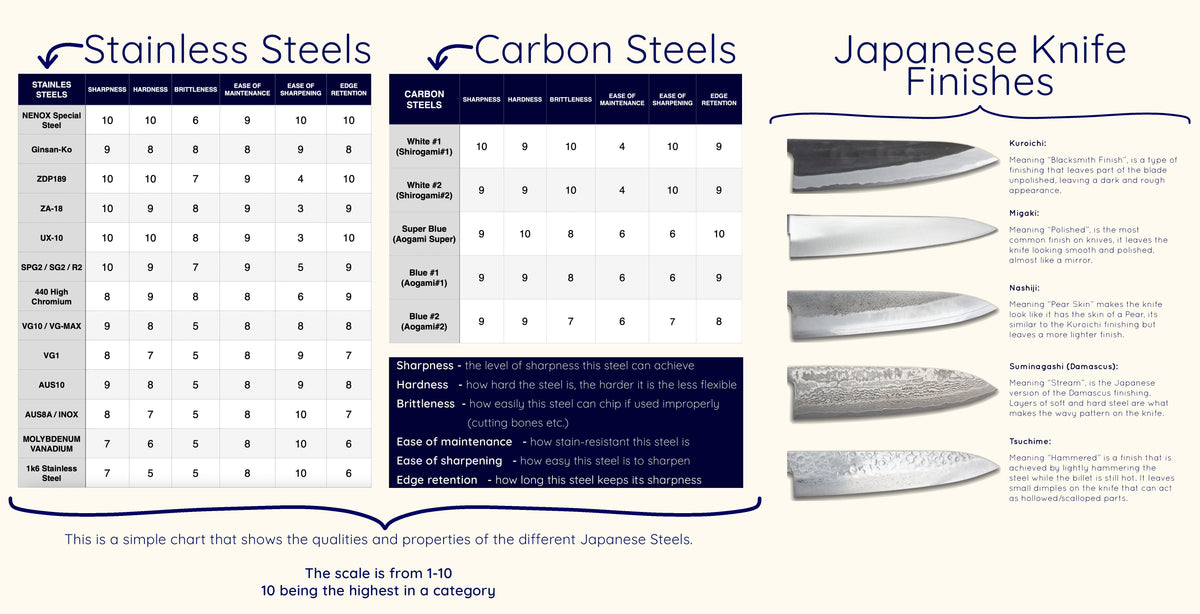
A knife steel chart is a handy tool for anyone wanting to understand knife steel properties and grades. It's a simple yet effective way to compare and contrast different steel types used in knife-making.
This guide will take you through the basics of reading and interpreting these charts, covering the key steel properties and how they impact your knife's performance. You'll discover the variations in steel hardness, composition, and grades, which can differ based on region and brand.
Understanding Steel Ratings
The knife steel chart is your go-to tool for comparing and understanding the different types of steel used in knife-making. It's a handy reference guide that simplifies the complex world of steel properties and grades. This chart helps you make informed decisions when choosing a knife, whether you're a chef, an outdoor enthusiast, or a collector.
Comparing Steel Options
The knife steel chart typically presents various steel types in a clear, organized manner. It often includes columns for steel grades, hardness ratings, and other relevant properties. You'll find a range of steel options, from common and affordable choices to premium, high-performance steels. Each steel type has its unique characteristics, and the chart helps you quickly grasp these differences.
Practical Steel Selection: A Step-by-Step Guide
Using the knife steel chart is straightforward:
Identify your needs: Determine what you'll primarily use the knife for, such as kitchen tasks, outdoor adventures, or collection purposes. Different steel types excel in different areas.
Check the chart: Locate the steel grades column and review the options. Look for steels suitable for your intended use, considering factors like edge retention, sharpness, and corrosion resistance.
Compare hardness: The hardness scale is a critical factor. Harder steels generally hold an edge longer but can be more brittle. Softer steels are more flexible and easier to sharpen but may dull faster. Find a balance that suits your needs.
Consider other properties: Besides hardness, the chart provides insights into steel composition, corrosion resistance, and ease of sharpening. These factors are crucial for long-term performance and maintenance.
Make an informed choice: With the chart's guidance, you can now select the steel that best aligns with your knife's intended use and your personal preferences.
Avoiding Common Misreadings
While the knife steel chart is a valuable tool, it's essential to interpret it accurately:
Understand the scale: Different charts may use varying hardness scales, like Rockwell C (HRC) or Mohs. Ensure you're familiar with the scale used in your chart.
Know your steel: Steel grades can vary between regions and manufacturers. Always double-check the exact specifications, especially for less common steels.
Consider real-world factors: The chart provides a snapshot of steel properties, but actual performance can vary based on knife design, heat treatment, and maintenance.
Key Factors Affecting Accuracy
Several factors influence the accuracy and real-world performance of steel in knives:
Heat treatment: This process can significantly impact a steel's hardness and overall performance. Well-heat-treated steel can outperform its chart rating.
Knife design: The geometry and thickness of the blade can affect how steel performs. A thinner blade may not fully utilize the potential of a high-hardness steel.
Maintenance: Proper care and sharpening techniques are crucial. Neglecting maintenance can lead to premature dulling, even with premium steels.
Environmental factors: Corrosion resistance is essential, especially for outdoor use. The chart provides a guide, but real-world conditions can vary.
Adapting the Chart for Your Needs
The knife steel chart is versatile and can be tailored to your specific requirements:
Focus on key factors: If you prioritize edge retention, narrow your search to steels known for their durability. If corrosion resistance is vital, choose steels with high chromium content.
Compare similar steels: When in doubt, compare steels within the same family. For instance, compare different stainless steel grades to find the best balance of hardness and corrosion resistance.
Seek expert advice: If you're unsure, consult knife experts or experienced users. They can provide valuable insights and recommendations based on their experience.
Keeping Your Reference Reliable
To ensure the knife steel chart remains a reliable reference:
Update regularly: Steel technology and manufacturing processes evolve. Stay updated with the latest charts and sources to access the most accurate information.
Cross-reference: When in doubt, compare multiple charts and sources. This helps verify the accuracy of the information and ensures you have a well-rounded understanding of steel properties.
Seek specialized charts: For specific knife types or uses, consider specialized charts. These charts provide detailed insights tailored to your needs, ensuring you make the best choice.
Hey there, I hope this guide has given you a clear understanding of knife steel charts and their practical use. Remember, these charts are a fantastic tool, but the exact details can vary, so always double-check the specific standards and sources you're working with.
Consider bookmarking this page for future reference; it's a quick and handy way to refresh your memory and ensure you're using the right info. There are plenty more guides like this on various topics, so feel free to explore and find the tools that work best for you!