


Harry Potter Coloring Page Overview
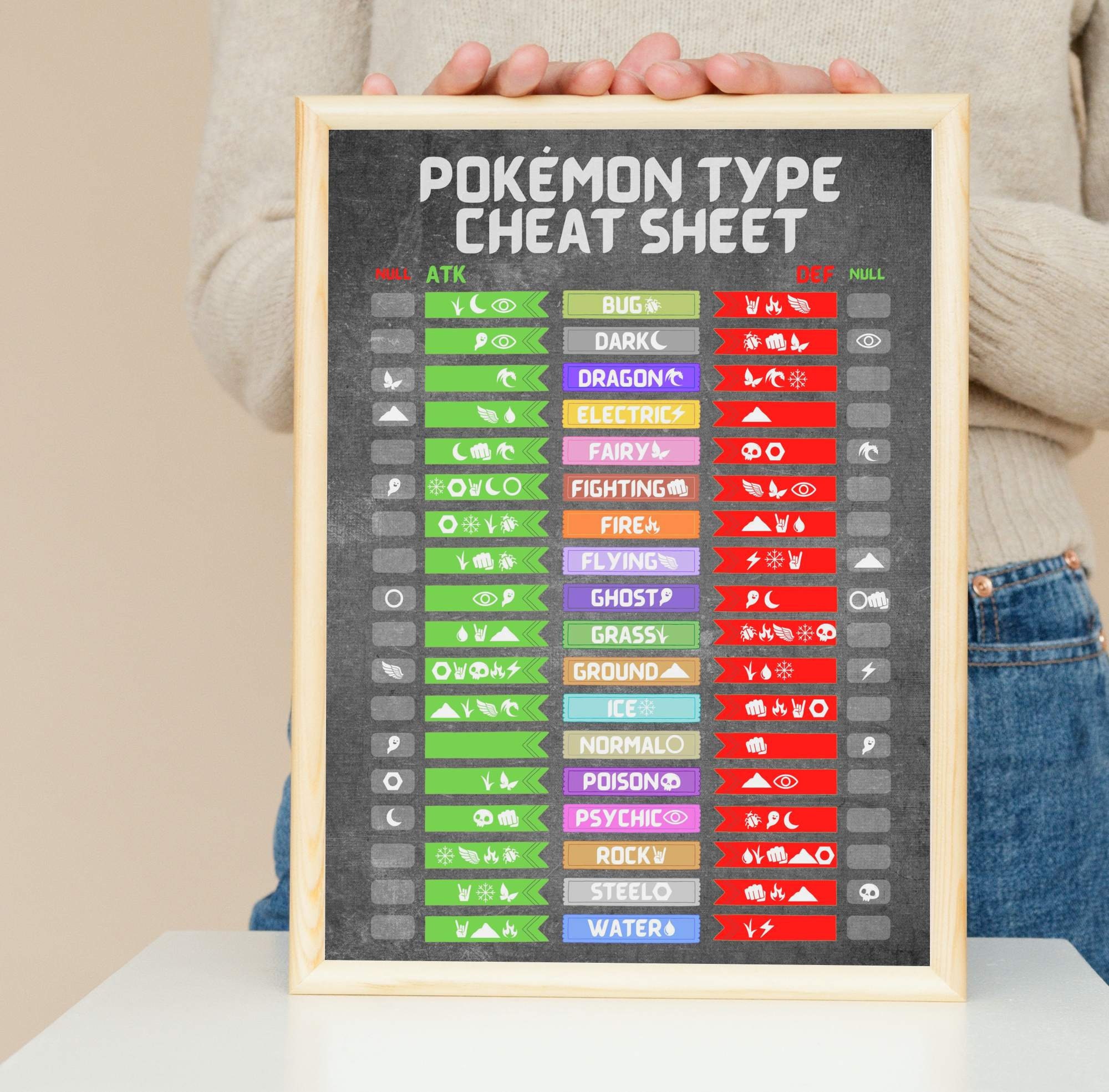
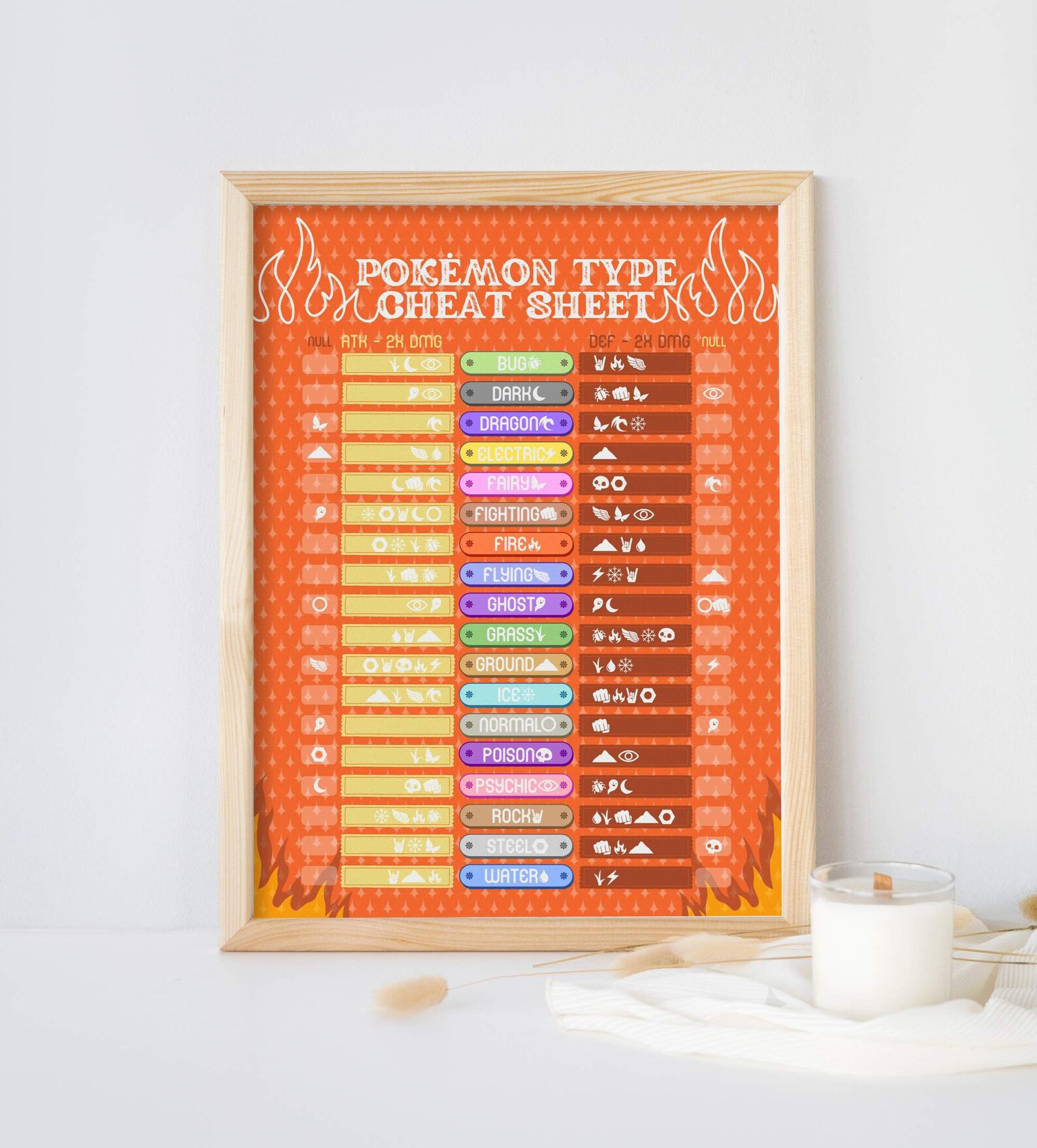
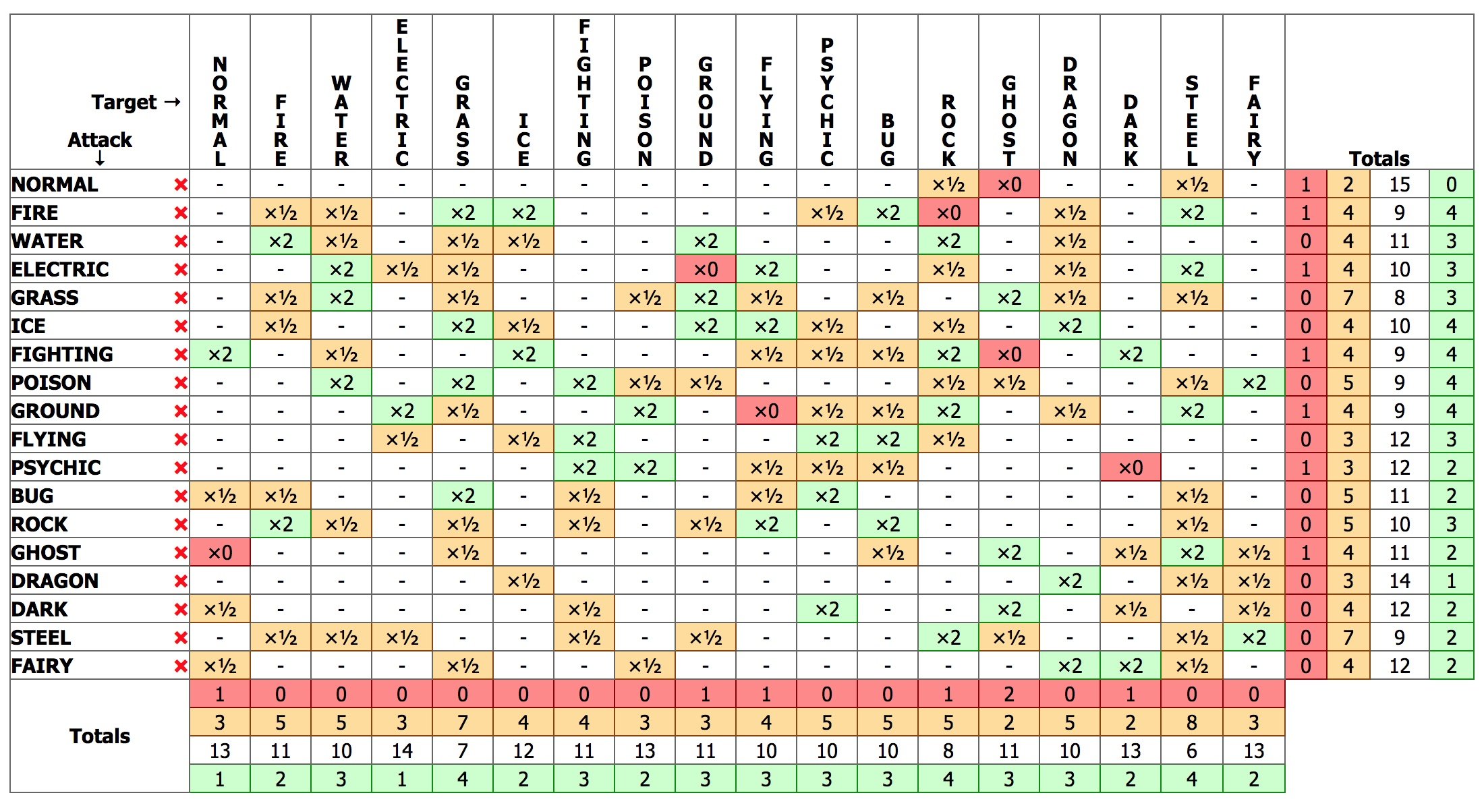
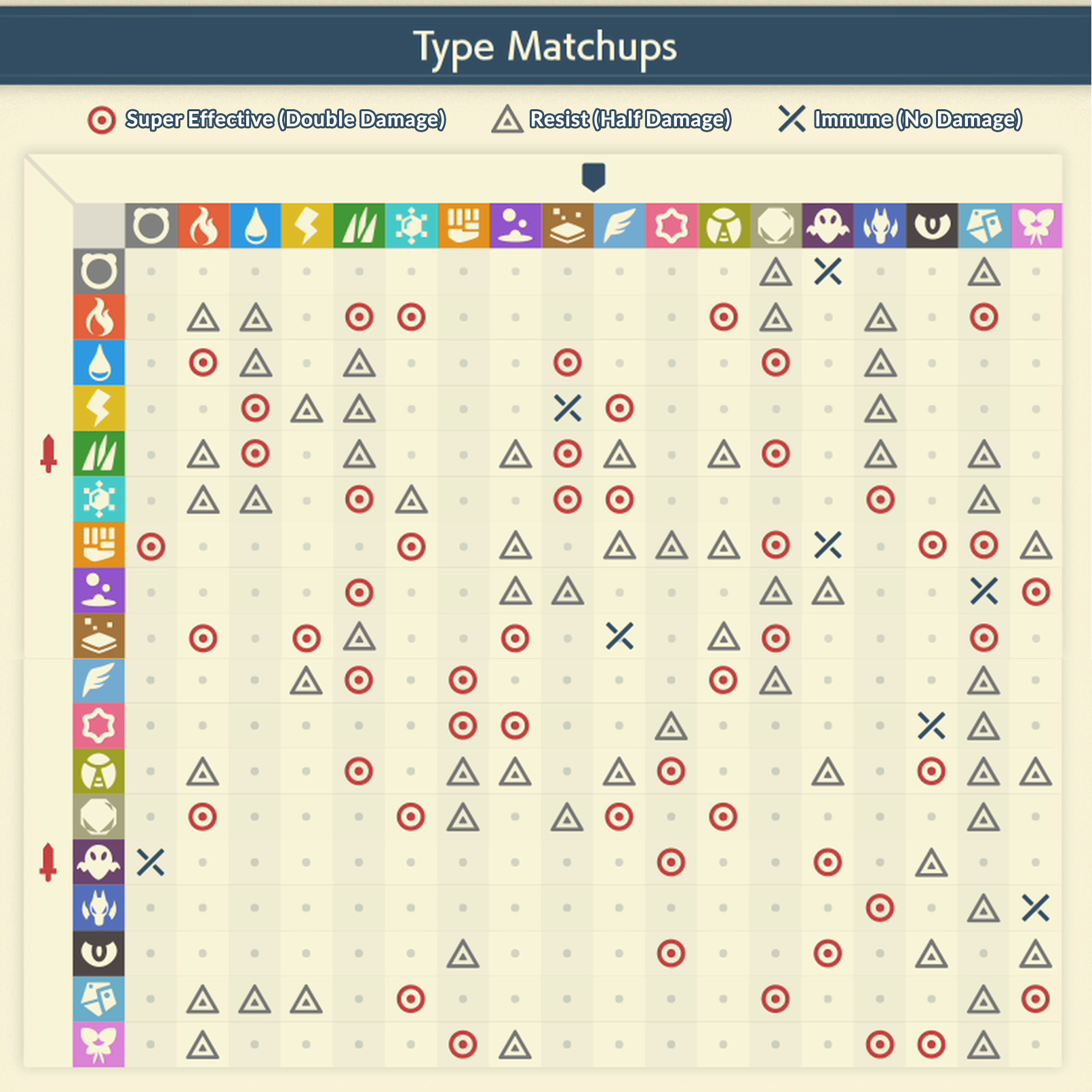
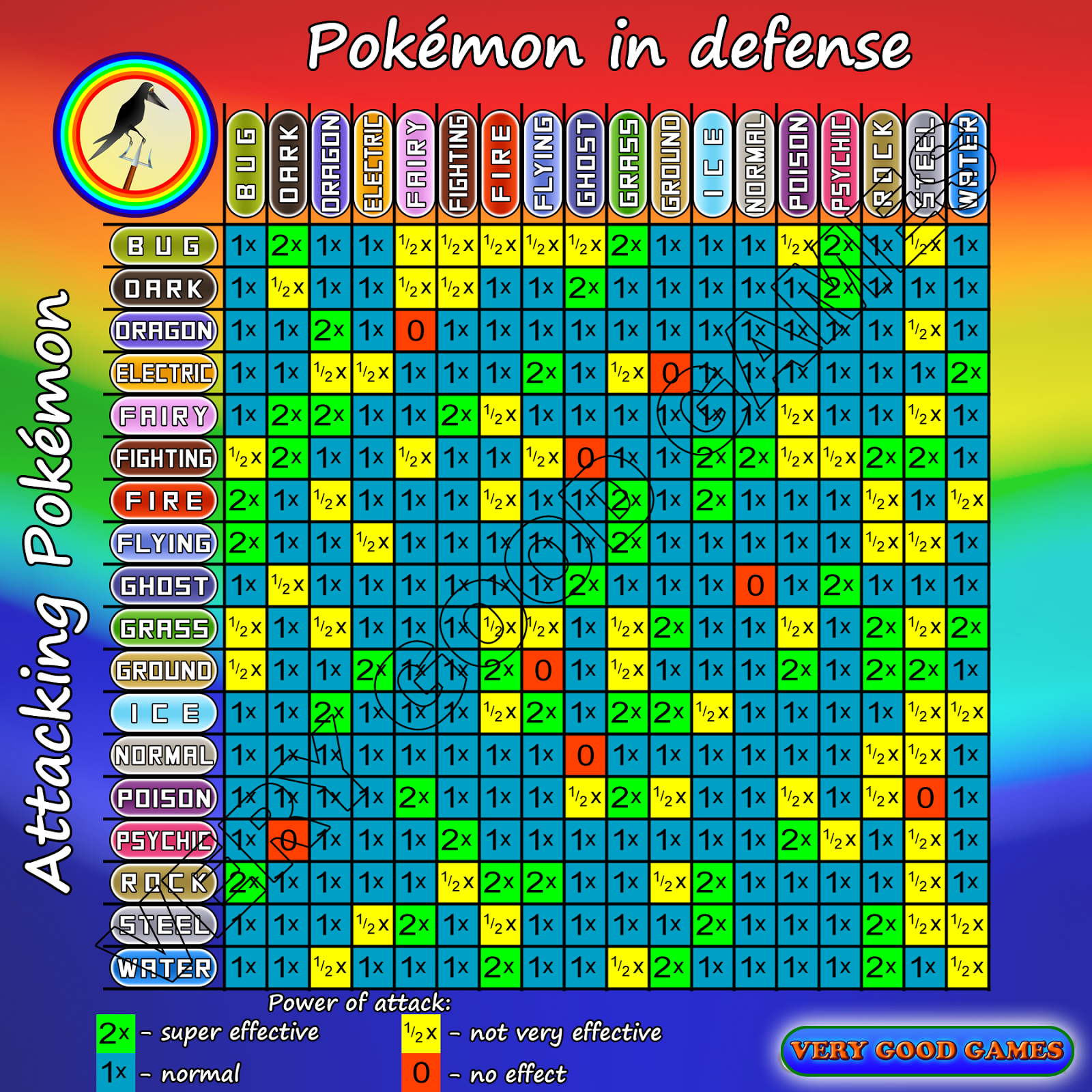
A dual type chart is a handy tool, a simple yet powerful resource for anyone seeking a quick glance at type advantages and disadvantages. This guide aims to demystify and clarify the purpose and use of such charts, ensuring you can navigate and understand them effortlessly.
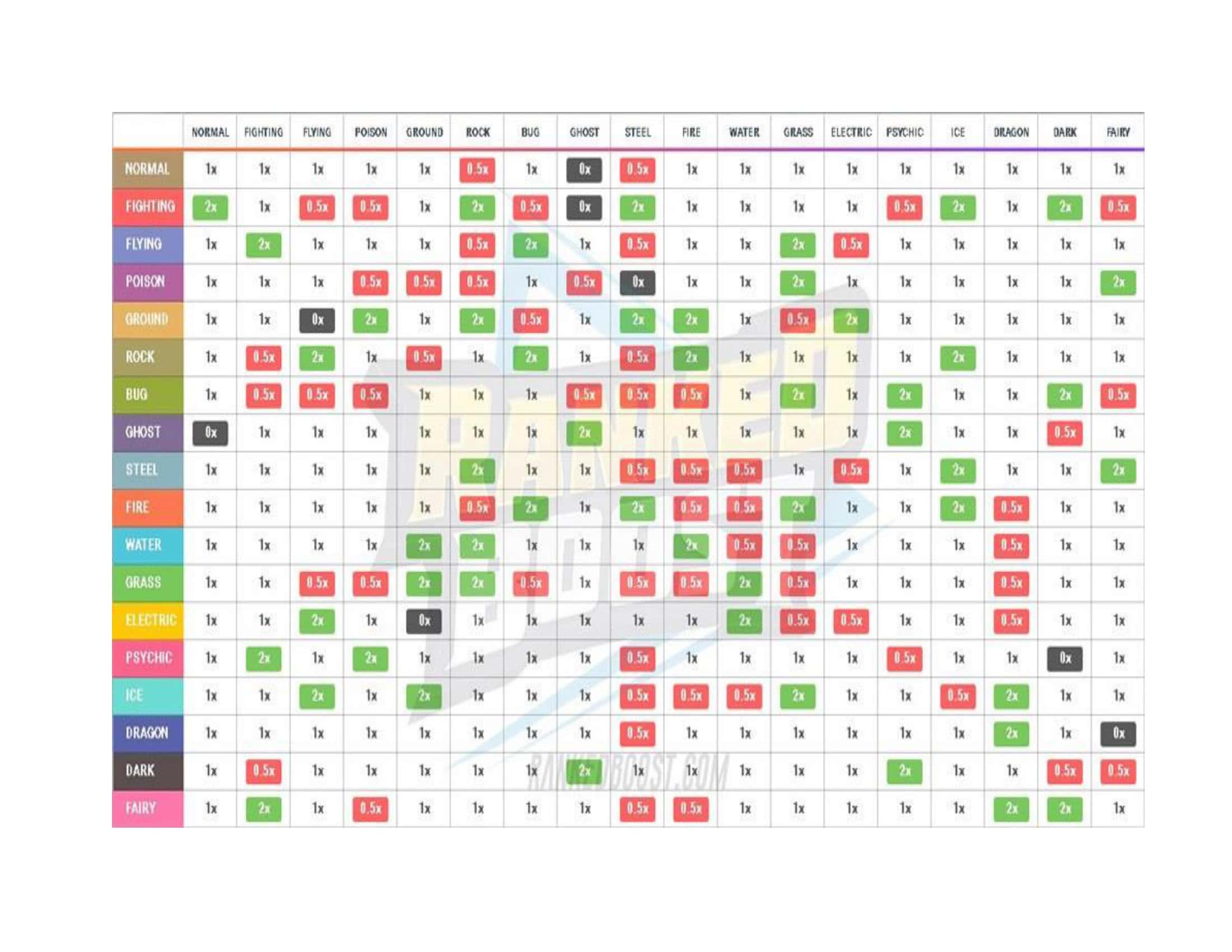
The beauty of a dual type chart lies in its ability to visually represent type effectiveness, offering a clear overview of strengths and weaknesses. While the specific values and formats may vary depending on the context or region, the core concept remains consistent, providing a reliable reference for strategic decisions.
Understanding Type Advantages
The dual type chart is a powerful tool that reveals the strengths and weaknesses of different type combinations. It offers a strategic insight into how various types interact, providing an edge in decision-making and planning. This chart is a valuable resource for anyone seeking to optimize their choices based on type effectiveness.
Key Details and Categories
The dual type chart presents a comprehensive overview of type interactions. It categorizes types into distinct groups, each with its own unique properties and relationships. These categories include common types like Fire, Water, and Grass, as well as more specialized types such as Electric, Ghost, and Fairy. The chart assigns each type a value or rating, indicating its effectiveness against other types. These values range from 0.25x (not very effective) to 4x (super effective), with 1x representing neutral effectiveness.
Reading the Effectiveness Scale
To read the dual type chart, follow these steps:
- Identify the two types you want to compare. Let's say you're interested in the interaction between Fire and Water types.
- Locate the intersection of the row and column corresponding to the two types. In this case, find where the Fire row meets the Water column.
- The value at this intersection represents the effectiveness of one type against the other. A value of 4x means Fire is super effective against Water, while a value of 0.25x indicates Water is not very effective against Fire.
- Repeat this process for different type combinations to understand their strengths and weaknesses.
Common Type Combinations and Practical Strategy Tips
While the dual type chart provides a comprehensive guide, it's important to note that variations can occur due to specific circumstances or game mechanics. Here are some key factors to consider:
- Pokemon type chart variations: Different Pokemon games may have slight differences in type effectiveness. Always refer to the specific game's chart for accuracy.
- Type advantage chart exceptions: Some Pokemon have unique abilities or moves that alter type effectiveness. These exceptions can provide strategic advantages or disadvantages.
- Type match-up chart context: The effectiveness of types can depend on the specific context or situation. Environmental factors, such as terrain or weather, may influence type interactions.
- Pokemon type effectiveness tolerances: Certain types may have slight variations in effectiveness depending on the region or standard being used. Always check the relevant standard for accurate values.
Remember, while this dual-type chart offers a comprehensive guide, it's always wise to verify your specific needs and context. Exact values may vary slightly across different standards and sources, so a quick check ensures you're on the right track.
Feel free to explore our other resources and guides. We've got a range of practical tools and references to help you navigate various topics. Happy browsing!
Related: Understanding the Youth Sizes Chart
Many folks assume that a youth sizes chart is just for clothes, but it's so much more! While it's true that these charts are essential for nailing the perfect fit in kids' clothing, they also cover a wide range of products, from shoes to sports gear. A quick glance at a youth sizes chart can save you time and ensure an accurate fit, whether you're shopping for your own kids or buying a gift.
Understanding the Youth Sizes Chart
The youth sizes chart is a handy reference tool for parents and caregivers to navigate the world of kids' clothing and footwear sizing. It provides a standardized guide to help you choose the right size for your child, ensuring a comfortable and well-fitted outfit. This chart is a valuable resource, especially when shopping online or for specific brands, as it can vary from the standard.
Comparing Standards and Formats
There are a few key standards and formats to be aware of when using a youth sizes chart. The most common are the US standard, which is widely used in North America, and the metric or international standard, which is more prevalent in Europe and many other parts of the world. These standards may have slight variations in measurements and categories, so it's essential to know which one you're dealing with. Additionally, some brands might have their own unique sizing systems, especially for specialized sportswear or fashion lines.
Step-by-Step Guide to Using the Chart
Here's a simple process to follow when using a youth sizes chart:
Identify the standard: Determine whether you're using the US or metric standard. This information is usually indicated on the chart or provided by the retailer.
Measure your child: Take accurate measurements of your child's body, including height, weight, and key dimensions like chest, waist, and hip circumference. You can use a measuring tape or refer to existing measurements if you have them.
Locate the relevant category: Using the measurements, find the corresponding size category on the chart. This will typically involve matching height and weight ranges or specific body measurements.
Check the brand's fit: Some brands may have a slightly different fit or style, so it's a good idea to check their size guide or reviews to ensure the chosen size will fit as expected.
Consider growth: If you're buying for a growing child, you might want to opt for a slightly larger size to allow for growth spurts. Just ensure it's not too loose, as this can affect comfort and safety, especially with footwear.
Common Misreadings and How to Avoid Them
One of the most common mistakes is assuming that all brands and retailers use the same sizing standards. Always double-check the specific brand's guidelines or consult the youth sizes chart for that particular brand if available. Another pitfall is relying solely on age-based sizing, as children's growth rates vary, and this method may not always provide an accurate fit. It's best to measure your child and refer to the chart for a more precise size recommendation.
Factors Affecting Accuracy
When using a youth sizes chart, keep in mind these key factors that can influence the accuracy of the size selection:
Growth spurts: Children's bodies can change rapidly, so regular measurements are essential to ensure the chosen size is still appropriate.
Brand variations: As mentioned, different brands may have unique sizing systems, so always check their guidelines.
International travel: If you're shopping while traveling abroad, be aware of the different standards and ensure you're using the correct chart or guidelines.
Activity-specific sizing: For sports or specialized clothing, the fit and sizing may differ, so consider the purpose of the garment.
Adapting the Chart for Specific Needs
While the youth sizes chart provides a general guide, you might need to adapt it for specific situations. For example, if your child has a unique body shape or is particularly tall or short for their age, you may need to adjust the size selection accordingly. Some charts offer extended size ranges or special categories for these cases. It's also worth noting that certain clothing items, like coats or jackets, may have a more relaxed fit, so you might opt for a larger size to allow for layering.
Keeping Your Reference Reliable
To ensure you have a reliable reference for future purchases, consider the following:
Update measurements: Regularly measure your child's body dimensions, especially during growth spurts or seasonal changes.
Save the chart: Keep a digital or physical copy of the youth sizes chart you're using, along with any brand-specific size guides.
Share with caregivers: If others, like grandparents or babysitters, are shopping for your child, ensure they have access to the correct sizing information.
Check for updates: Sizing standards and brand guidelines can change over time, so periodically review the charts and guides to stay up-to-date.
So, there you have it! You're now equipped with a comprehensive understanding of youth sizes and how to navigate the various charts and standards. Remember, it's always a good idea to cross-reference and ensure you're using the right measurements for your specific needs.
Feel free to explore our other guides for more practical tips and tricks. We've got you covered with a range of handy resources to make your life easier!
Related: Find Your Perfect Fit: Brooks Size Chart
The Brooks size chart is a valuable tool for anyone seeking accurate sizing information, offering a simple and effective way to find the right fit. This guide will navigate you through the various charts and sizing guides Brooks provides, ensuring you understand the process and can make an informed choice. Whether you're after a precise shoe size or need to find the perfect bra fit, these charts are designed to simplify the process, and we'll explore how to utilize them effectively.
Understanding the Brooks Size Chart
The Brooks size chart is a valuable tool for anyone looking to find their perfect fit in Brooks footwear and apparel. It provides a comprehensive guide to help you determine your ideal size across various Brooks products, ensuring a comfortable and precise fit. This chart serves as a reference, offering size conversions and measurements to assist you in making informed choices.
Key Details and Categories
The Brooks size chart covers a range of sizes, typically starting from smaller sizes like 5 or 6 and extending up to larger sizes, such as 12 or 13, depending on the product category. It includes both men's and women's sizes, with separate charts for shoes and apparel. The shoe size chart provides measurements in both US and UK sizes, offering a conversion guide for international customers. For apparel, the chart typically uses standard sizing categories like small, medium, and large, with specific measurements for each category.
Step-by-Step Guide: Reading and Applying the Size Chart
To utilize the Brooks size chart, follow these steps:
- Identify the product category you are interested in, whether it's shoes or apparel.
- Locate the corresponding size chart for your gender.
- For shoes, find your US or UK size and refer to the provided measurements. Ensure you measure your foot length accurately, as this is crucial for a precise fit.
- In the case of apparel, identify your size category (e.g., small, medium) and refer to the provided measurements for chest, waist, and hip sizes.
- Compare your measurements with the size chart to determine the best fit. If your measurements fall between sizes, consider opting for the larger size for a more comfortable fit.
- Remember, the Brooks size chart serves as a guide, and individual preferences may vary. It's always a good idea to try on the product to ensure the perfect fit.
Size Variations and Differences
It's important to note that size variations can occur across different Brooks products and even within the same product line. These variations may be due to factors such as the intended use of the product, the materials used, or design differences. For instance, running shoes might have a slightly different fit compared to casual footwear. Additionally, Brooks may offer specialized fits, like wide or narrow options, to cater to individual foot shapes. Always refer to the specific size chart for the product you are interested in to ensure accuracy.
Common Mistakes and How to Avoid Them
When using the Brooks size chart, avoid these common mistakes:
- Relying solely on your usual shoe size without considering the specific fit of Brooks shoes.
- Neglecting to measure your feet accurately, especially if you're between sizes.
- Assuming that all Brooks apparel will fit the same; always refer to the size chart for each product.
- Failing to account for personal preferences; some may prefer a tighter or looser fit, so consider your comfort level.
- Not checking the size chart for any specific fit options, like wide or narrow, that may be available. By being mindful of these potential pitfalls, you can ensure a more accurate and satisfying shopping experience with the Brooks size chart.
Well, there you have it! A simple yet effective guide to understanding Brooks' size chart. Remember, these charts are a great tool, but it's always wise to confirm the specific details for your unique needs.
Don't forget to keep this page handy for future reference. It's a quick and easy way to ensure you're on the right track when it comes to sizing, and it might just save you some time and hassle down the line. Consider it your go-to resource for a smooth and stress-free sizing experience.