








Harry Potter Pumpkin Template Overview
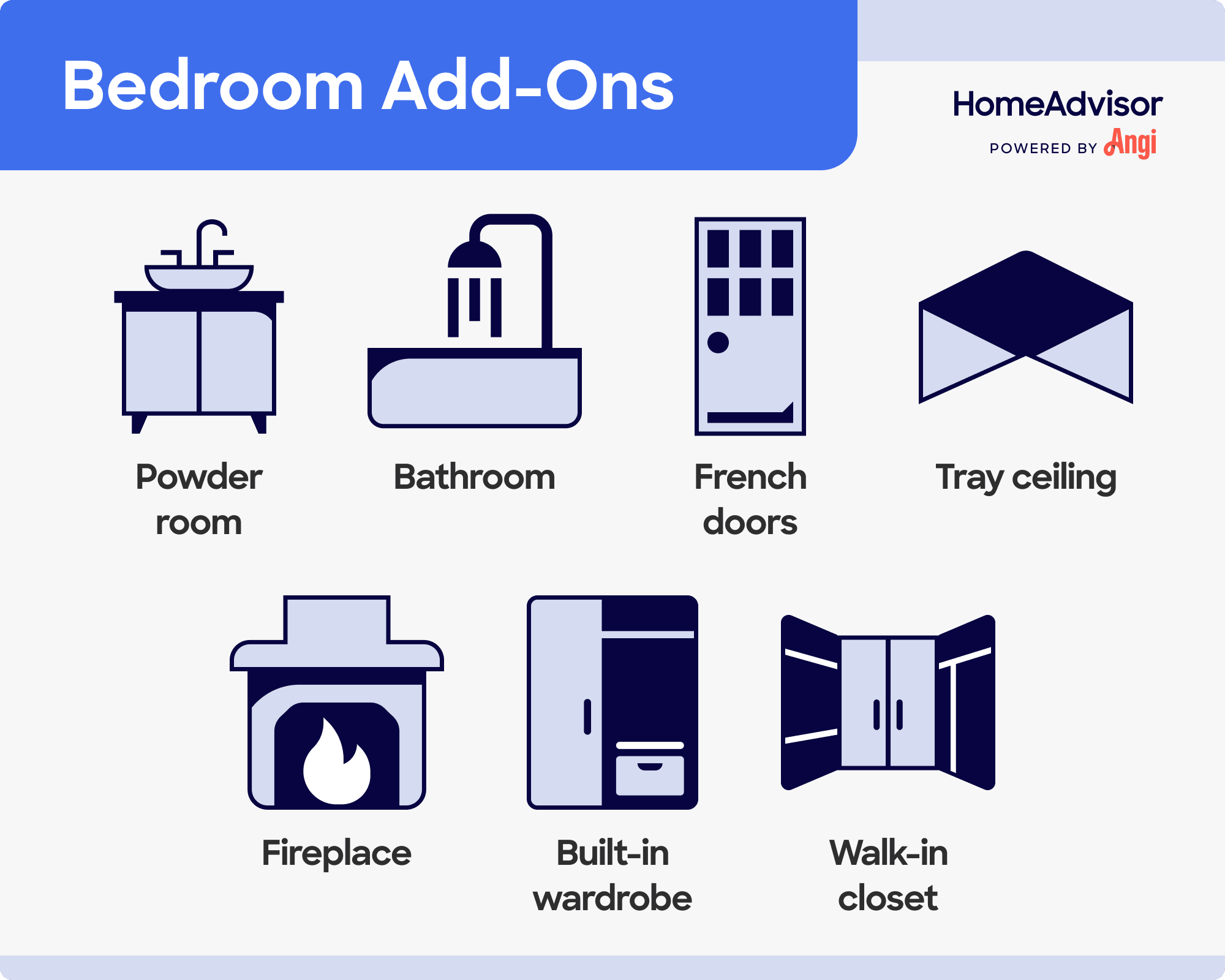
"Wow, this bedroom is looking a bit tired. I wonder what a bedroom renovation cost would be..."
Understanding Bedroom Renovation Costs
So, you're thinking about giving your bedroom a makeover, but you're curious about the costs involved. Bedroom renovation costs can vary widely, and it's important to have a good idea of what you're getting into before you start. The price tag depends on a few key factors, and understanding these will help you plan and budget effectively.
The first thing to consider is the size of your bedroom. A larger room will naturally cost more to renovate than a smaller one, as it will require more materials and labor. The materials you choose also play a big role. Opting for higher-end finishes and fixtures will push the price up, while more budget-friendly options will keep costs down.
Another significant factor is the scope of the renovation. Are you just looking to freshen up the room with a new coat of paint and some updated furniture, or do you want to completely overhaul the space, including electrical and plumbing work? The more extensive the work, the higher the costs will be.
Hiring a Contractor
If your renovation involves structural changes or complex work, you'll likely need to hire a professional contractor. When looking for a contractor, it's important to do your research and check their credentials. Ask for references and examples of their previous work. Get several quotes to compare prices and ensure you're getting a fair deal.
A good quote will break down the costs clearly, so you can see exactly where your money is going. It should cover materials, labor, and any permits or inspections required. Don't be afraid to ask questions and seek clarification if something isn't clear.
Construction Company Names
If you're in the construction business or thinking of starting a company, choosing the right name is important. It should be memorable, reflect the nature of your work, and stand out from the competition. Some construction company name ideas could include:
- Build-It-Right
- HomeCrafters
- Solid Foundations
- Modern Makeovers
Remember to check the availability of the name you choose, both as a business registration and a domain name, to ensure you can establish an online presence too.
Industry Insights
The construction industry has its own language and tools. One commonly used resource is RSMeans, which provides cost data and estimates for various construction projects. It's a valuable tool for contractors and estimators to ensure accurate pricing.
The industry also has its own cost indexes, which track the costs of materials and labor over time. These indexes help construction professionals stay informed about market trends and make informed decisions about pricing and budgeting.
Large vs. Small Firms
The construction industry is diverse, with both large, established firms and smaller, local businesses. Large firms often have the resources to take on bigger projects and may have a wider reach, but they can also be more expensive. Smaller firms might offer more personalized service and competitive pricing, but may have a more limited scope of work.
When choosing a firm, consider your specific needs and the scale of your project. It's always a good idea to get quotes from a few different companies to compare and find the best fit for your bedroom renovation.
Final Thoughts
Renovating your bedroom can be an exciting project, and understanding the costs involved is a crucial step. By considering factors like size, materials, and scope, you can get a good estimate and plan accordingly. Remember, it's always a good idea to get multiple quotes and do your research to ensure a successful renovation.
Related: Understand Rim Offset Chart: A Visual Guide
A rim offset chart is a valuable tool for anyone seeking precise wheel and tire fitment information. This guide will navigate you through the essentials, ensuring you understand the chart's purpose and how to interpret its data accurately.
The chart provides a quick reference for wheel offset, a critical measurement that ensures your wheels are correctly positioned on the vehicle. While values may vary depending on standards and regional practices, the rim offset chart offers a standardized overview, often accompanied by related charts for rim size and bolt patterns, aiding in the perfect wheel fitment.
Understanding Rim Offset Charts
A rim offset chart is a valuable tool for anyone involved in automotive wheel fitment and customization. It provides a visual representation of the various offset values, helping users determine the correct rim specifications for their vehicle. This chart is an essential reference guide, offering a quick and accurate way to match rim sizes and offsets to ensure proper wheel fitment.
Key Details and Categories
The rim offset chart typically includes three critical dimensions: the offset, rim width, and wheel diameter. The offset is the distance from the wheel's centerline to the hub mounting surface. It is measured in millimeters (mm) and is a crucial factor in wheel fitment. Rim width refers to the distance between the inner and outer flanges of the rim, also measured in mm. Wheel diameter, on the other hand, is the size of the wheel, usually expressed in inches. These three measurements are the foundation of the chart, allowing users to identify the correct rim specifications.
Reading the Chart: A Step-by-Step Guide
- Start by identifying the wheel diameter you require. This is typically based on the vehicle's make and model.
- Locate the corresponding wheel diameter on the chart. The chart will often have a column or section dedicated to different wheel diameters.
- Next, find the desired rim width. Rim widths are usually listed in a separate column adjacent to the wheel diameter section.
- Once you have identified the wheel diameter and rim width, you can read the offset value. The offset is typically presented as a range of values for each combination of wheel diameter and rim width.
- Choose an offset value within the range that suits your preferences and the vehicle's requirements. A positive offset indicates the wheel is positioned towards the vehicle's exterior, while a negative offset moves it inward.
- Cross-reference the chosen offset with the rim width and wheel diameter to ensure they align. This step is crucial to avoid any fitment issues.
Variations and Differences
It's important to note that rim offset charts can vary depending on the standard being used. Different regions and manufacturers may have slight variations in their charts, so it's essential to refer to the appropriate chart for your specific needs. Additionally, some charts may provide a broader range of offset values to accommodate various vehicle modifications and customizations. Always check the chart's specifications and ensure it aligns with your vehicle's requirements.
Common Mistakes and How to Avoid Them
One common mistake is selecting an incorrect offset, which can lead to wheel interference with suspension components or improper tire wear. To avoid this, always double-check the offset value and ensure it falls within the recommended range for your vehicle. Another pitfall is neglecting to consider the overall width of the wheel and tire combination. Ensure the total width, including the tire, fits within the vehicle's wheel wells to avoid rubbing or clearance issues.
Practical Tips for Accurate Results
When using a rim offset chart, it's beneficial to have a basic understanding of wheel fitment principles. Consider the vehicle's stock offset and how modifications, such as lowering or lifting, can impact the optimal offset choice. Additionally, be mindful of the wheel and tire package's overall width and ensure it fits within the vehicle's wheel arches. Regularly consult the rim offset chart during the selection process to make informed decisions and achieve the desired look and performance.
Well, there you have it! A comprehensive guide to understanding rim offset charts and their practical applications. Remember, these charts are a valuable tool, but it's essential to consider your specific needs and the context in which you're using them.
The world of rim offsets is a fascinating one, offering precision and accuracy for those who need it. So, before you put your new-found knowledge into practice, take a moment to ensure you've got the right information for your unique situation. Consider any variations in standards or specific requirements, and you'll be all set. And don't forget, this guide is here for you whenever you need a quick refresh—just bookmark it, and it'll be at your fingertips!
Related: Bat Sizes Chart: A Clear Guide for Selection
A bat sizes chart is a handy tool for anyone looking to find the perfect bat size, and it's a great starting point for your sporting equipment journey. This guide will cover the basics, showing you how to read and use these charts effectively, whether you're a baseball or softball enthusiast.
These charts provide a quick reference, offering standard bat measurements and sizes, which can vary depending on your sport and age group. It's an easy way to ensure you're on the right track when choosing equipment, and we'll explore the key factors to consider.
Understanding Bat Sizes Chart
A bat sizes chart is a helpful tool for anyone looking to choose the right bat for their needs. It provides a visual guide to help you determine the ideal length and weight of a bat based on factors like age, height, and the sport you play. This chart is a great starting point, offering a quick reference to ensure you select a bat that suits your physical attributes and playing style.
Key Details and Categories
The bat sizes chart typically displays two main categories: length and weight. Length is usually measured in inches, with common sizes ranging from 24 to 34 inches. Weight is often shown in ounces, with a variety of options available. The chart may also include age and height recommendations to guide your selection. Remember, these charts are designed as a general guide, so it's important to consider individual preferences and playing experience.
How to Read and Apply the Chart
Using the bat sizes chart is straightforward. First, identify your age group or height range. Then, find the corresponding recommended length and weight ranges. For example, if you're an adult, the chart might suggest a longer and heavier bat, while youth players may need shorter and lighter options. It's essential to consider your comfort and swing speed when choosing. If you prefer a faster swing, a lighter bat might be best, even if the chart suggests a heavier one for your age.
Bat Size Variations and Differences
Bat sizes charts can vary depending on the sport and the standards used. For instance, baseball bat size charts and softball bat sizing guides may have different length and weight recommendations. Additionally, manufacturers might offer slightly different measurements or weight distributions. It's crucial to check the specific sport and brand guidelines to ensure you get the right bat for your needs. Regional variations also exist, with some countries using metric measurements, which can impact the chart's values.
Common Mistakes and How to Avoid Them
One common mistake is relying solely on the chart without considering personal preferences. Always try out a few bats to find the one that feels comfortable in your hands and allows for a smooth swing. Another pitfall is neglecting to check the latest standards and regulations, especially for competitive play. These can change over time, so it's essential to stay updated. Lastly, don't forget to measure your bat properly. Incorrect measurements can lead to an ill-fitting bat, affecting your performance. Always double-check your measurements against the chart's specifications.
Hey there, I hope this bat size chart has been helpful and easy to navigate. Remember, when it comes to choosing the right bat, it's all about finding the perfect fit for your game.
While this guide provides a solid foundation, it's always a good idea to double-check the specific requirements or regulations for your league or competition. Exact values can vary, so it's best to be prepared and ensure you're covered.
Feel free to explore more of our sports equipment guides and resources. We've got plenty of practical tips and insights to share, so stick around and discover more!