Hatsune Miku Coloring Page Overview
A CBS trade chart is a valuable tool for anyone seeking a quick and accurate overview of trade-related information. This guide aims to provide a straightforward understanding of these charts, ensuring you can navigate and utilize them effectively.
The CBS trade chart, whether presented as a table, diagram, or guide, offers a standardized format with potential variations depending on the context. It serves as a reference point, allowing users to quickly interpret trade values and units, making it an essential resource for efficient decision-making.
Understanding the CBS Trade Chart: An Overview
The CBS trade chart is a valuable tool for anyone involved in commerce and trade. It provides a standardized way to represent and understand various trade-related values and categories. This chart is a reference guide that simplifies complex trade data, making it accessible and practical for everyday use.
Comparing CBS Trade Chart Standards and Formats
There are different versions of the CBS trade chart, each tailored to specific regions and industries. The most common formats include the US standard and the international metric system. These charts may vary slightly in their units and categories but serve the same purpose: to provide a consistent framework for trade calculations and decisions.
Step-by-Step Guide to Using the CBS Trade Chart
Using the CBS trade chart is straightforward and can greatly simplify your trade-related tasks. Here's a simple guide:
Identify the Type of Trade: Determine whether you are dealing with import, export, or domestic trade. This initial step helps you choose the right chart for your specific trade scenario.
Select the Appropriate Chart: Different charts exist for various trade types and regions. Ensure you have the correct chart for your needs. For instance, if you are an importer, choose the import-specific CBS trade chart.
Locate the Relevant Values: The chart is organized with clear categories and units. Find the values you need, such as trade value, volume, or weight, and ensure you are using the correct units.
Perform Calculations: With the values located, you can now perform any necessary calculations. The chart provides a structured format to ensure accuracy and consistency in your trade-related computations.
Double-Check for Accuracy: Always verify the values and calculations with the specific trade guidelines and regulations. While the CBS trade chart is a reliable tool, it is essential to cross-reference with official sources for precise results.
Common Misreadings and How to Avoid Them
Misinterpreting the CBS trade chart can lead to errors. Here are some common pitfalls:
Unit Confusion: Ensure you understand the units used in the chart. Different charts may use various units, so always double-check.
Category Misidentification: Each chart has distinct categories. Take time to familiarize yourself with the specific categories and their meanings to avoid confusion.
Regional Variations: Be aware of regional differences. For instance, the US and metric charts may have slight variations in categories or units. Always use the appropriate chart for your region.
Factors Affecting Accuracy and Real-World Use
The accuracy of the CBS trade chart depends on several factors:
Trade Regulations: Trade rules and guidelines can change, so staying updated is crucial. Always refer to the latest regulations to ensure your calculations are precise.
Industry-Specific Considerations: Different industries may have unique trade practices and requirements. Ensure you are using a chart tailored to your specific industry to avoid discrepancies.
Chart Updates: CBS trade charts are periodically updated to reflect changes in trade practices and regulations. Regularly check for the latest version to maintain accuracy.
Choosing the Right CBS Trade Chart Format
Selecting the appropriate CBS trade chart format is essential for accurate results:
Standard CBS Units: If you are working within a specific industry or region, choose the chart designed for that context. For example, the standard CBS units for the US market may differ from those used internationally.
Common CBS Variations: Be aware of common variations in trade practices. Some industries may have unique trade flows or categories. Ensure your chart accommodates these variations to provide accurate representations.
Practical CBS Tips: Consider your specific trade needs and choose a chart that offers the most relevant and practical information for your daily tasks.
Keeping Your Reference Reliable for Future Use
To ensure the CBS trade chart remains a reliable reference:
Regular Updates: Stay informed about any updates or revisions to the chart. Subscribe to relevant industry newsletters or follow reputable sources for the latest information.
Organize and Store: Keep your charts organized and easily accessible. Consider digital storage for quick retrieval and sharing.
Cross-Reference: Always verify the chart's accuracy by cross-referencing with official sources and industry experts. This practice ensures you have the most up-to-date and reliable information.
Hey there! I hope this guide has given you a clear understanding of the CBS trade chart and its practical applications. Remember, while the fundamentals remain consistent, exact details may differ slightly based on your specific context.
Feel free to revisit this page whenever you need a quick refresh on CBS trade charts. It's a handy tool to have bookmarked for future reference!
Related: Where's the Best Seat at the Cubs Game?
You're here because you need a straightforward answer, and the Cubs seating chart is a handy tool to have at your disposal. It's a simple yet effective visual guide, offering a clear layout of the stadium and its seats. This chart, whether it's for Wrigley Field or any other Cubs stadium, provides an essential reference for fans, offering a quick way to locate and understand their seats and the overall layout.
Understanding the Cubs Seating Chart
The Cubs seating chart is a visual guide that provides an overview of the seating arrangement at Wrigley Field, the home of the Chicago Cubs. This chart is an essential tool for fans and visitors, offering a clear and organized representation of the stadium's seating sections, rows, and seat numbers. By understanding the chart, you can easily navigate and choose your preferred seating location for an enjoyable game experience.
Comparing Seating Options and Standards
The Cubs seating chart typically follows a standardized format, ensuring consistency and ease of use. It categorizes seats into different sections, with each section further divided into rows and individual seats. The chart provides a visual representation of these categories, making it simple to identify and select your desired seats. The standard dimensions of each seat are usually included, ensuring a comfortable and uniform experience across the stadium.
Step-by-Step Guide to Using the Seating Chart
Using the Cubs seating chart is straightforward and can be done in a few simple steps:
- Familiarize yourself with the chart's layout. Identify the different sections, rows, and seat numbers.
- Determine your preferred seating area based on your budget, viewing preferences, and any specific requirements you may have.
- Check the seat dimensions and ensure they align with your comfort expectations.
- Choose your desired section and row, considering factors like proximity to the field, shade, or any other personal preferences.
- Confirm the seat numbers within your chosen row to ensure an uninterrupted view and a comfortable experience.
Avoiding Common Misreadings and Pitfalls
While the Cubs seating chart is designed for clarity, some common misreadings can occur. To avoid these pitfalls, keep the following in mind:
- Ensure you are referring to the correct chart for the specific game or event. Charts may vary slightly depending on the setup and seating arrangements for different occasions.
- Pay attention to the scale and dimensions provided. Misinterpreting these can lead to an inaccurate understanding of the seating layout.
- Be aware of any seat variations or exceptions, especially in premium or unique seating areas. These may have different configurations or seat numbers, so double-check the exact specifications.
Factors Affecting Accuracy and Real-World Use
Several factors can influence the accuracy and practicality of the Cubs seating chart:
- Weather conditions and natural elements can impact the viewing experience. Consider the sun's position and potential shade areas when choosing your seats.
- The stadium's design and architecture may create unique viewing angles or obstructions. Refer to detailed section views or row numbers to ensure an unobstructed view.
- Crowd size and the location of other fans can affect your overall experience. Opt for seats with a good balance of proximity to the action and personal space.
- Special events or promotions may alter the standard seating arrangements, so always check the latest chart for any updates.
Choosing the Right Seating Chart Format
The Cubs seating chart is available in various formats to cater to different needs and preferences:
- Standard printouts: These provide a clear and detailed view of the seating layout, suitable for most fans.
- Digital versions: Online charts offer interactive features, allowing you to zoom in and explore specific sections.
- Mobile-friendly charts: Designed for easy access on smartphones, these charts provide a convenient option for on-the-go planning.
- Section-specific charts: For a more detailed view, consider charts focused on individual sections, offering precise seat views and dimensions.
Keeping Your Reference Reliable for Future Use
To ensure the reliability and accuracy of your Cubs seating chart for future games or events:
- Regularly check for updates and new versions, especially if there are significant changes to the stadium layout or seating arrangements.
- Save or bookmark the latest digital charts for easy access and reference.
- If using a physical chart, consider laminating it to protect it from wear and tear, ensuring it remains legible and usable for multiple games.
- Share your feedback and experiences with the chart's providers, helping them improve and refine the seating chart for future seasons.
Well, that's a wrap on our exploration of the Cubs seating chart and its many practical applications. We've covered a lot of ground, from understanding the different options to ensuring accuracy and adapting the chart to your unique needs.
Remember, while this guide provides a solid foundation, it's always wise to double-check the specifics for your particular situation. Exact values and standards may vary, so a quick review ensures you're on the right track. Consider bookmarking this page for future reference; it's a handy tool to have at your fingertips when you need a quick reminder or a refresh on the process. Happy organizing!
Related: What is the DMC Color Chart All About?
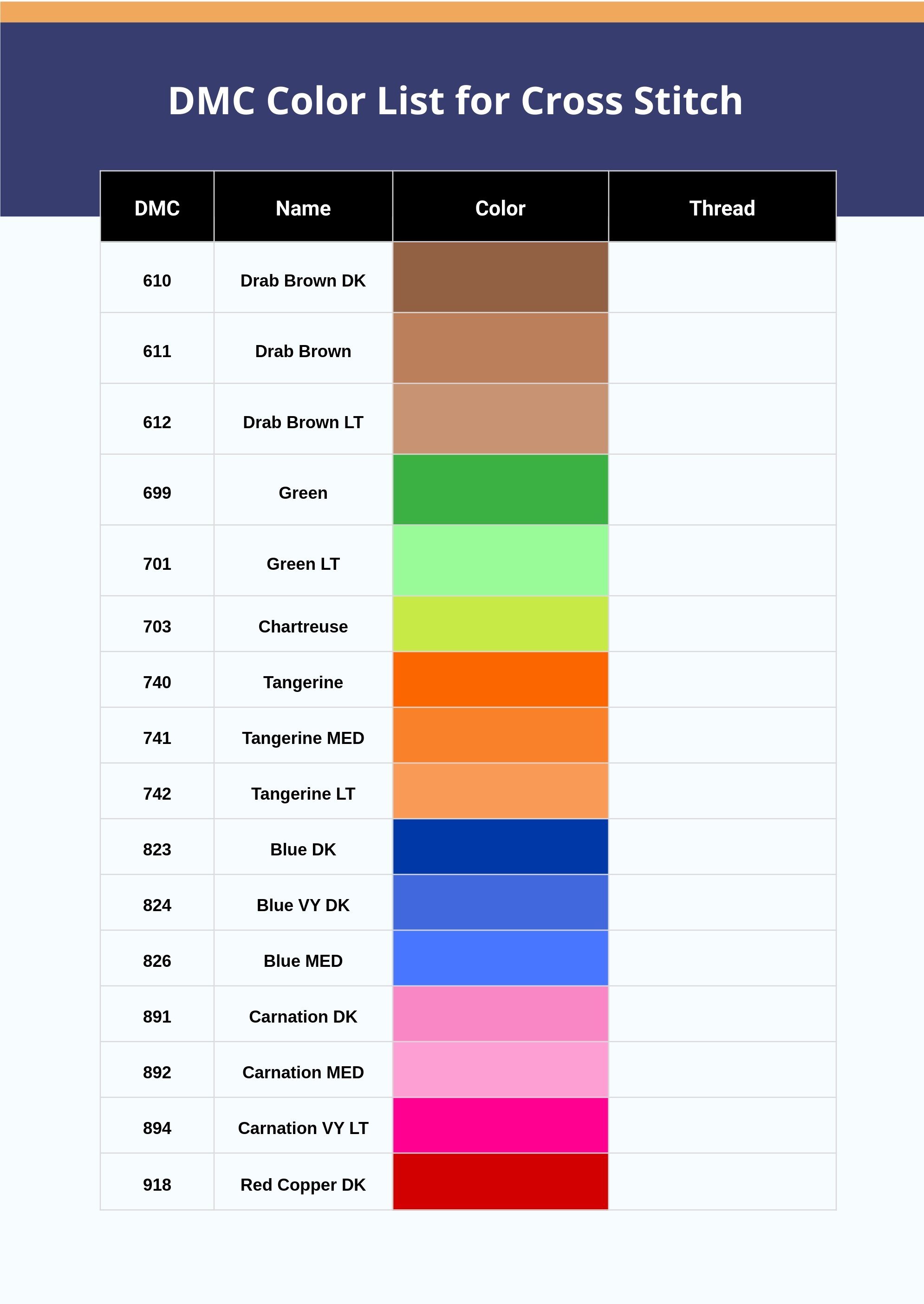
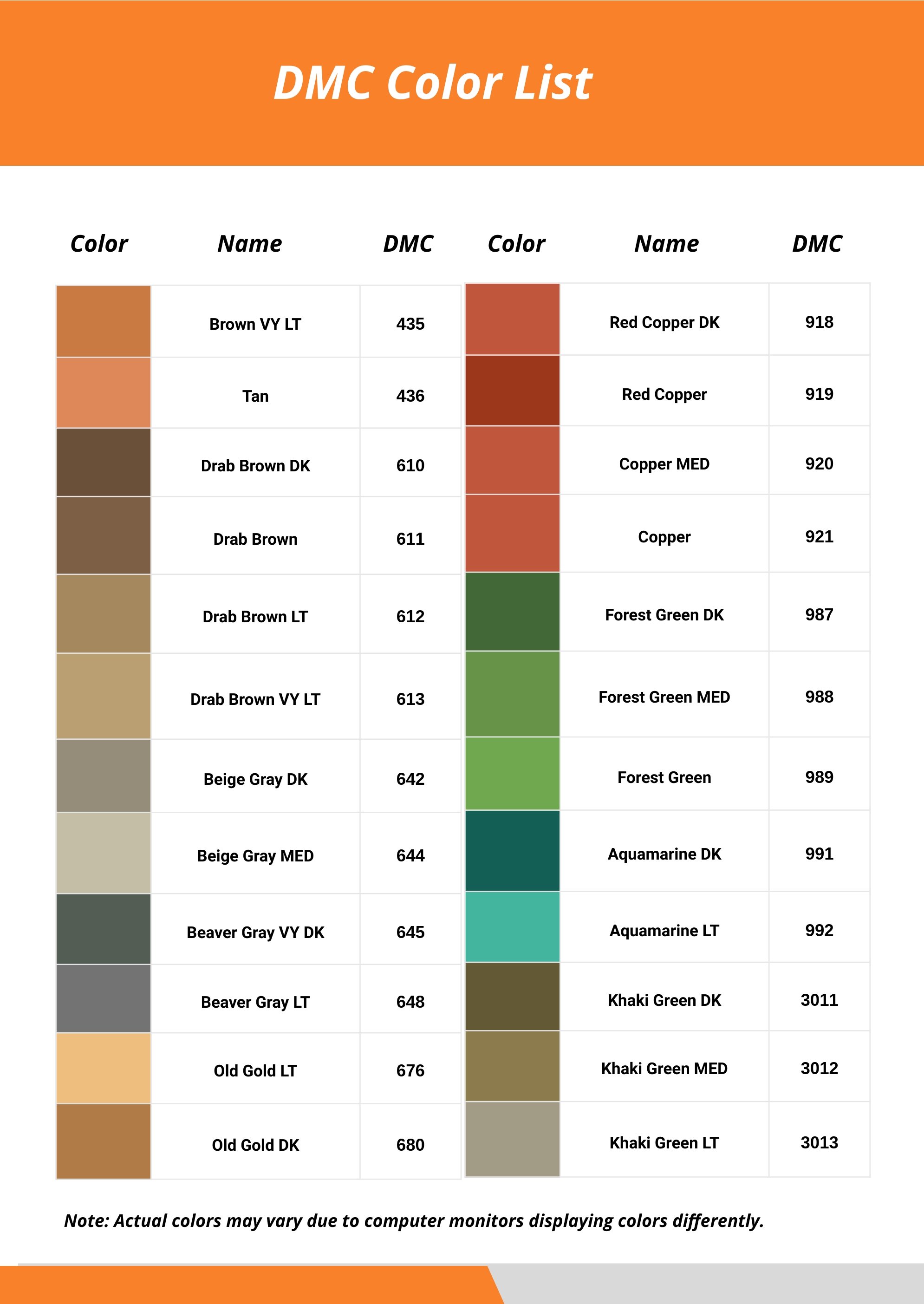
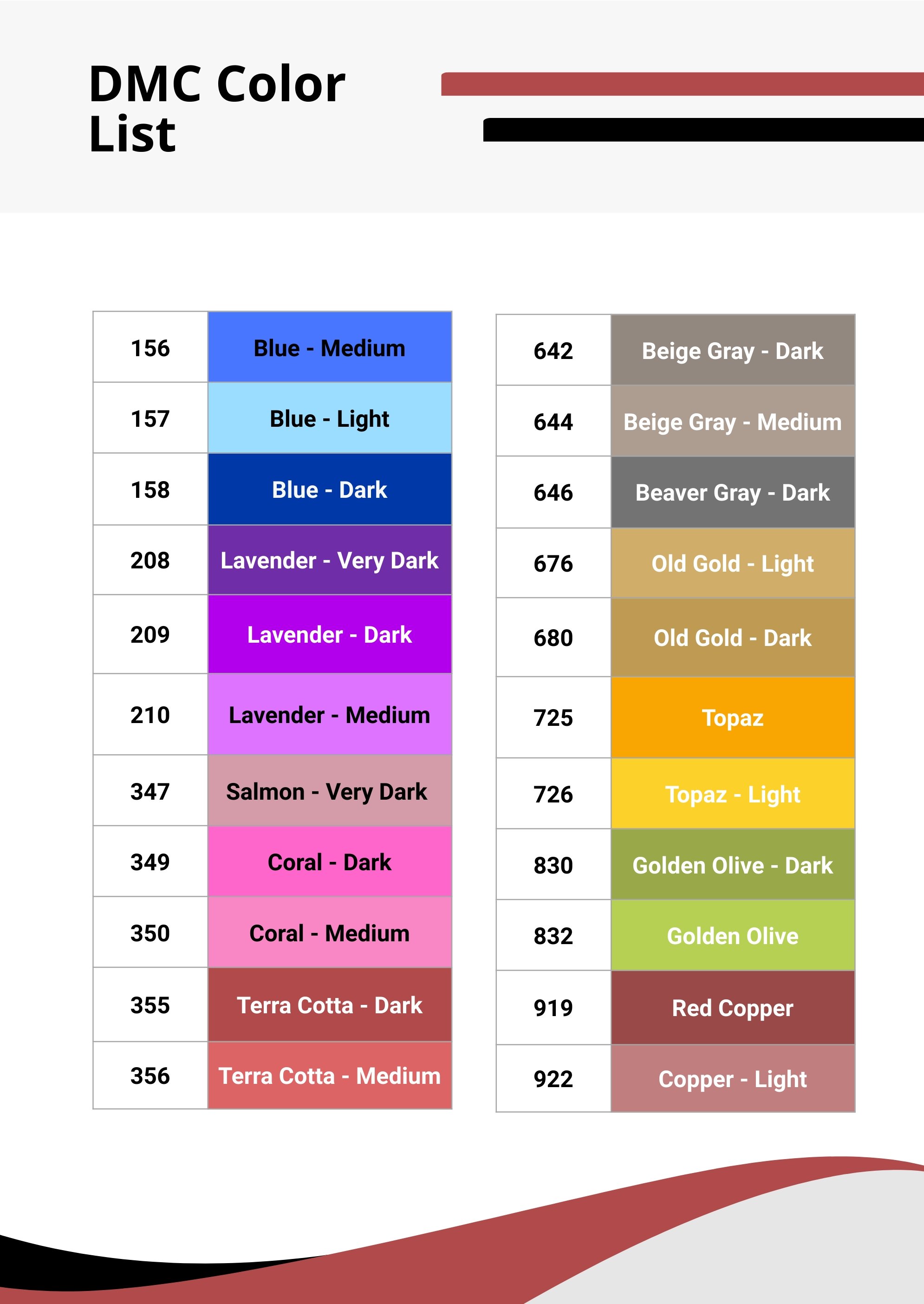
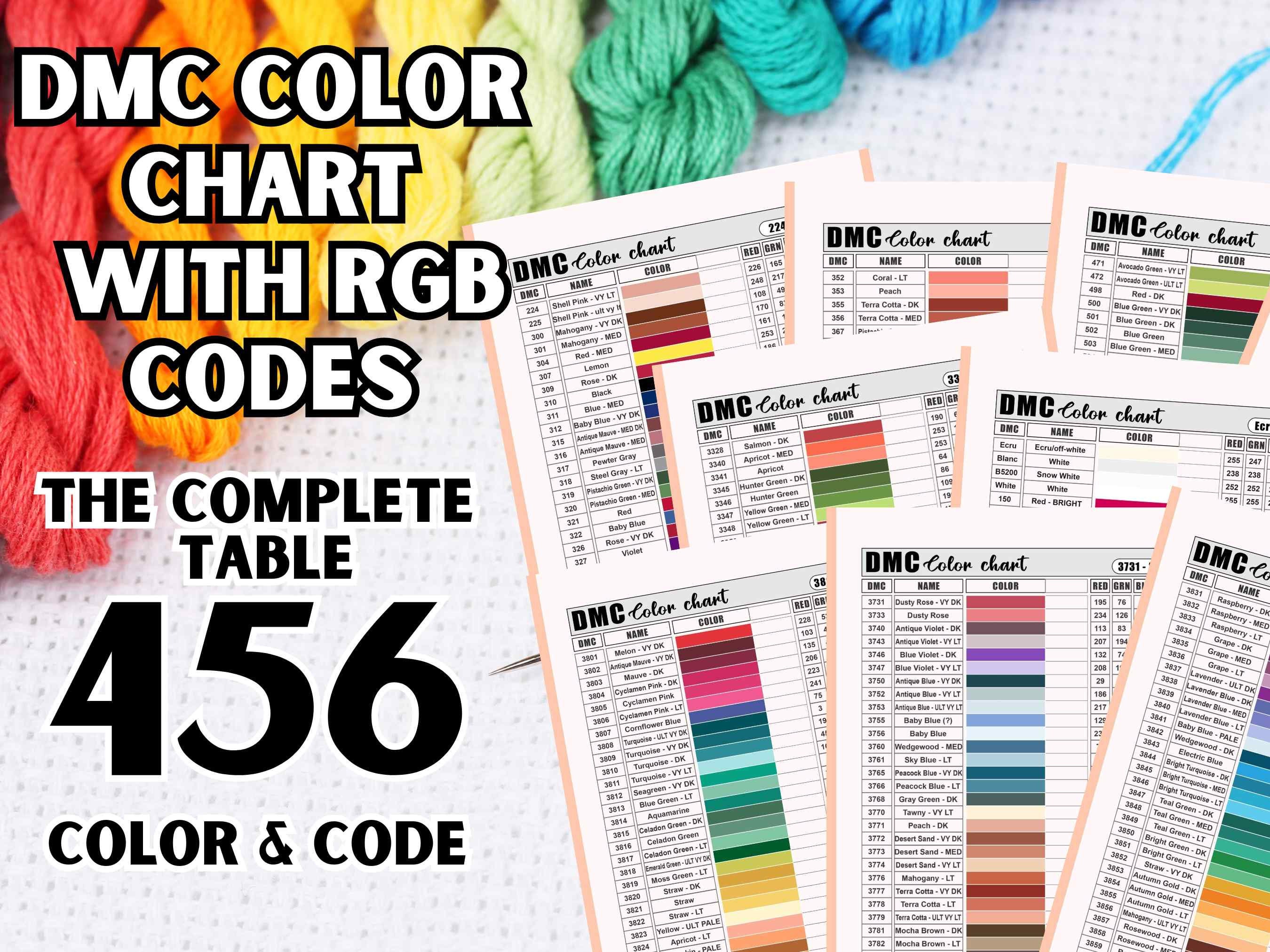
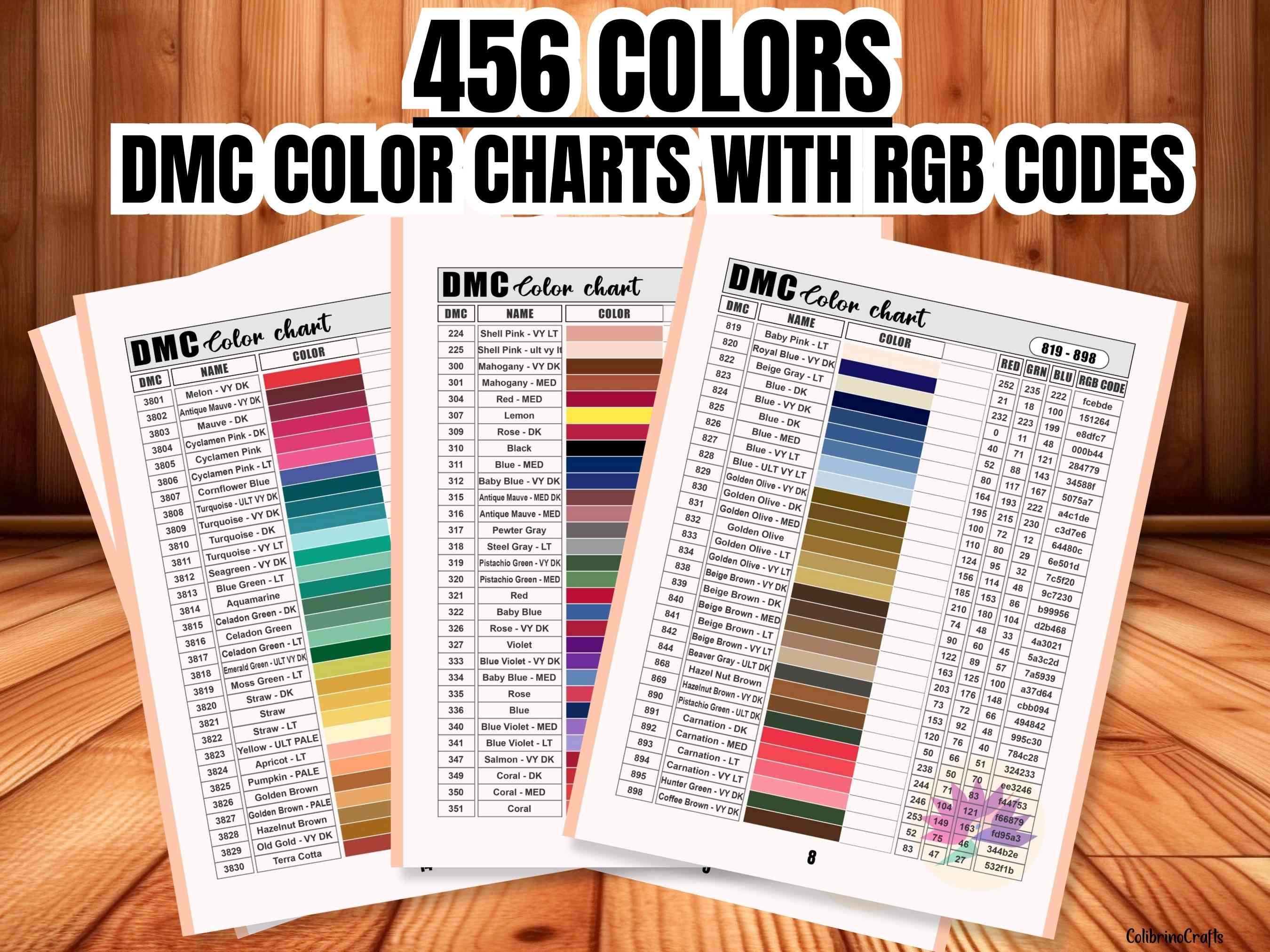
You're likely here because you need a reliable dmc color chart to guide your creative project, be it embroidery, cross-stitch, or another craft. This chart is a crucial tool, offering a clear and organized display of colors, often in the form of a thread or floss color guide. With various formats and standards, it's essential to find the right reference for your specific needs, ensuring an accurate and satisfying result.
Understanding the DMC Color Chart
The DMC color chart is an essential tool for embroidery enthusiasts and professionals. It serves as a comprehensive guide to the vast range of DMC thread colors, providing a visual reference and accurate color codes. This chart is your key to unlocking the full potential of DMC embroidery threads.
Comparing Color Standards and Formats
DMC offers a standardized color system, ensuring consistency across their thread range. The chart typically displays a color swatch with its corresponding DMC color code. These codes are unique identifiers, allowing you to easily specify and match colors accurately.
Step-by-Step Guide to Using the DMC Color Chart
- Begin by identifying the color you wish to use. Look for the desired shade on the chart, which is usually organized by color family.
- Once you've located the color, note its DMC color code. This code is essential for referencing and ordering the correct thread.
- Use the chart as a guide when selecting threads for your embroidery projects. It ensures you achieve the intended color scheme and maintain consistency.
Avoiding Common Misreadings
It's important to note that lighting conditions can affect how colors appear. Ensure you view the chart in natural light to get an accurate representation of the shades. Additionally, be mindful of the difference between on-screen colors and physical thread colors, as screens may not always display true-to-life shades.
Factors Affecting Accuracy
Several factors can influence the accuracy of color representation on the DMC color chart. These include the type of paper or fabric used for the swatches, as well as the printing process. It's advisable to cross-reference colors with actual thread samples whenever possible to ensure precise color matching.
Choosing the Right Format
DMC provides various formats of their color chart to cater to different needs. You can opt for a physical color card, which is portable and convenient for on-the-go reference. Alternatively, digital versions are available for easy access on your device. Consider your preferred method of reference and choose the format that suits your embroidery workflow.
Maintaining Reliability for Future Projects
To ensure the longevity and reliability of your DMC color chart, handle it with care. Keep it away from direct sunlight and moisture to prevent fading or damage. Regularly update your chart to the latest version, as DMC may introduce new colors or make adjustments to their color range. By doing so, you'll always have an accurate and up-to-date reference for your embroidery endeavors.
Remember, the specifics of your DMC color chart may differ slightly, so it's always good to refer back to this guide for a quick refresh. Exact values can vary, so it's best to have your trusted reference at hand.
Feel free to bookmark this page for future use, and check out our other guides for more practical tips and insights. We aim to provide clear, concise information, so you can navigate these topics with ease. Happy crafting!