







Heart Coloring Sheets Printable Overview
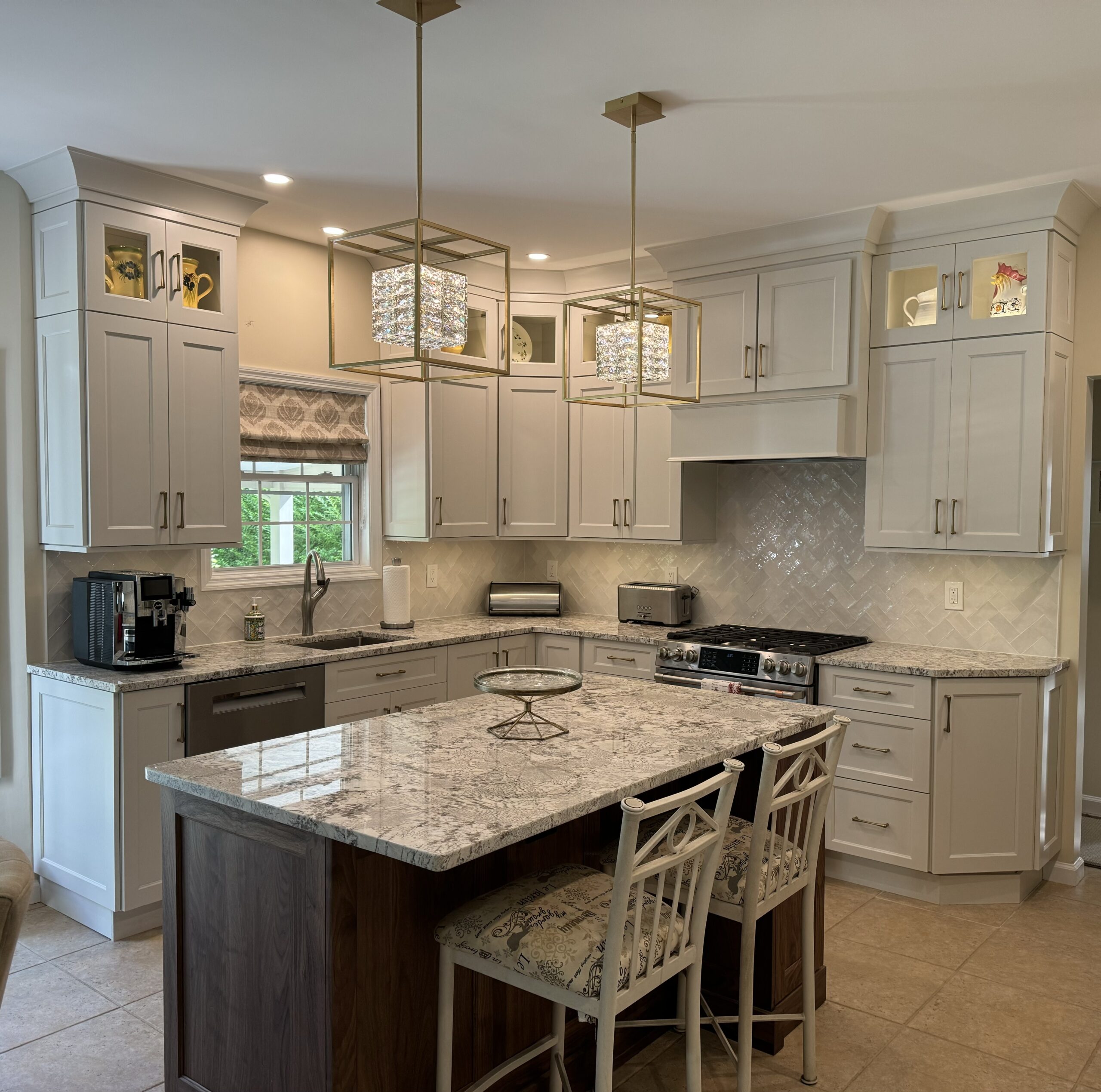
I just moved into a new place, and the kitchen is so tiny! I'm thinking about doing a small kitchen remodel to make it more functional and enjoyable to use. It's amazing how much a simple refresh can transform a space.
All About Your Small Kitchen Remodel
A small kitchen remodel is a great way to enhance your cooking and dining experience without a full-scale renovation. It focuses on improving the layout, storage, and overall functionality while keeping costs and disruption to a minimum. You can achieve a lot with some clever design and thoughtful upgrades.
First, assess your needs and budget. Decide what you want to achieve: more storage, a better workflow, or a brighter, more modern feel. Then, research materials and fixtures to find options that fit your style and price range. For example, new countertops and cabinet fronts can make a big difference, or you could consider a fresh coat of paint and some new hardware for a more affordable refresh.
When it comes to labor, you have a few options. If you're handy, you might be able to tackle some tasks yourself, like painting or installing new fixtures. But for more complex work, like plumbing or electrical, it's best to hire a professional. Look for local contractors or remodeling companies with good reviews and ask for quotes. Compare prices and ask about their experience with similar projects.
Finding the Right Contractor
Hiring a contractor is a crucial step in your small kitchen remodel. Check their licensing and insurance, and ask for references from past clients. A good contractor will listen to your vision and offer suggestions to make it a reality. They should provide a detailed quote outlining the work, materials, and expected timeline.
Get quotes from multiple contractors to compare prices and approaches. Don't just go for the cheapest option; consider their experience, reputation, and how well they understand your needs. A clear, itemized quote will help you spot any potential issues or hidden costs.
Construction and Remodeling Companies
Construction and remodeling companies come in all sizes, from sole proprietors to large firms. Smaller companies often offer more personalized service and may be more flexible with design and budget. Larger firms may have more resources and specialized teams, but they might be more rigid in their processes.
When choosing a company, consider your project's scope and complexity. For a simple refresh, a smaller local company might be ideal. But for a more extensive remodel, a larger firm with specialized departments could provide more comprehensive service.
Naming Your Business
If you're in the construction or remodeling business, your company name is key. It should be memorable, reflect your services, and stand out in a crowded market. Avoid generic names and opt for something unique and catchy. Here are a few ideas:
- Build-It-Better
- Renovate & Revive
- Home Transformation Pros
- Crafted Spaces
- Modern Makeovers
Remember to check name availability and secure the relevant local registrations and domains.
Final Thoughts
A small kitchen remodel is an exciting project that can transform your cooking space. By assessing your needs, researching options, and hiring the right help, you can create a functional and beautiful kitchen. It's a great way to add value to your home and make it a more enjoyable place to be. So, are you ready to get started?
Related: Best Construction Name Guide
"What's in a name?" I often wonder when it comes to best construction name. It's an important consideration for any business, especially in the construction industry. So, let's dive into this topic and uncover some insights!
The Significance of a Construction Business Name
Choosing the best construction name for your business is crucial. It's the first impression you make on potential clients and can leave a lasting impact. A well-chosen name can set the tone for your brand and reflect the values and services you offer. It's like a calling card, so you want it to be memorable and professional.
When selecting a name, consider the following:
- Simplicity: Keep it simple and easy to remember. Avoid complicated or lengthy names that might confuse customers.
- Relevance: Choose a name that hints at your construction expertise. It could incorporate words like "build," "construct," or "renovate" to give an immediate idea of your services.
- Uniqueness: Stand out from the crowd! Opt for a name that's distinctive and not easily confused with other businesses.
- Availability: Before finalizing, check if the name is available for registration. You don't want legal issues or confusion down the line.
Practical Tips for Choosing a Name
Here are some practical steps to help you find the perfect name:
- Brainstorm: Write down ideas and keywords related to your business. Think about your specialty, target audience, and unique selling points.
- Combine and Play: Experiment with different word combinations and see what resonates. You might find inspiration in unexpected places!
- Get Feedback: Share your top choices with friends, family, or colleagues. Their fresh perspectives can offer valuable insights.
- Research: Ensure the name isn't already trademarked or copyrighted. A quick online search can save you from potential legal headaches.
A Few Name Ideas to Inspire You
If you're stuck for ideas, here's a short list to spark your creativity:
- Build-Pro
- Construct-Rite
- HomeCrafters
- Renova Solutions
- BuildTech
- Crafted Spaces
Remember, these are just suggestions! Feel free to tweak, combine, or come up with your own unique twist.
Construction Jobs and Salaries
The construction industry offers a wide range of roles, from general contractors to specialized tradespeople. Salaries can vary depending on experience, location, and the specific job. When searching for construction jobs, consider the following:
- Experience: More experience often leads to higher pay. Highlight your skills and past projects to negotiate a competitive salary.
- Specialization: Specialized roles, like estimators or project managers, may command higher salaries due to their unique expertise.
- Location: Construction jobs in urban areas or regions with high demand may offer better compensation. Research local markets to understand the going rates.
Industry Tools and Data
Tools like RSMeans provide valuable data for construction professionals. It offers cost estimating services, helping contractors and businesses plan and budget accurately. By using such tools, you can stay informed about industry trends and make more informed decisions.
Wrapping Up
Choosing the best construction name is an important step in establishing your brand. It's a fun process, but it requires some thought and creativity. Remember, the right name can set the foundation for a successful business. So, take your time, consider your options, and don't be afraid to get creative!
Related: Learn Morris Code Chart: A Simple Reference Guide
You've stumbled upon the Morris Code Chart, a handy tool that's a real lifesaver for those seeking a quick and efficient way to decipher and master Morse code. This chart is your go-to reference, offering a straightforward visual guide to understanding the international Morse code alphabet and its unique frequency patterns. It's a simple yet powerful resource, and you'll soon see why it's so popular!
The Morris Code Chart: Your Quick Reference Guide
The morris code chart is a handy tool for anyone wanting to learn or use Morse code. It provides a visual representation of the Morse code alphabet, numbers, and special characters, making it an essential reference for beginners and a quick guide for experienced users. This chart is your go-to resource for decoding and encoding messages efficiently.
International Morse Code vs. Other Standards
There are different versions of Morse code, but the most widely recognized is International Morse Code. This standard is used globally and is what the morris code chart typically represents. Other variations, like the American Morse Code or Continental Morse Code, exist but are less common and often used for specific purposes or in certain regions. It's important to note that while the basic principles remain the same, the symbols and timings can vary between these standards.
Step-by-Step Guide to Using the Morris Code Chart
Using the morris code chart is straightforward:
- Identify the character you want to encode or decode. This could be a letter, number, or special character.
- Locate the character on the chart. The chart usually arranges characters in a logical order, making it easy to find what you need.
- Read the corresponding Morse code representation. Each character has a unique sequence of dots and dashes, which you can then use to transmit or interpret the message.
- Practice and familiarize yourself with the code. The more you use the chart, the quicker you'll become at recognizing and recalling the Morse code sequences.
Common Misreadings and How to Avoid Them
One of the challenges with Morse code is the potential for misreading or misinterpretation. Here are some common pitfalls:
- Confusing similar-sounding codes: For instance, the letters "E" and "T" have very similar Morse code sequences. Practice and familiarity can help you distinguish between them.
- Mistaking the length of dashes: Dashes can vary in length, so ensure you're consistent and accurate when interpreting or transmitting.
- Overlooking the spaces: The spaces between characters and words are just as important as the dots and dashes. Pay attention to these gaps to ensure accurate decoding.
Factors Affecting Accuracy in Real-World Use
When using the morris code chart in practical situations, several factors can influence accuracy:
- Transmission quality: Interference, static, or poor signal quality can make it challenging to interpret Morse code accurately.
- Operator skill: The experience and proficiency of the person sending or receiving the message play a significant role.
- Environmental conditions: Factors like weather, distance, and the presence of obstacles can impact the clarity of the signal.
- Equipment: The type and quality of the equipment used for transmission and reception can affect the accuracy of the Morse code interpretation.
Adapting the Morris Code Chart for Specific Needs
While the morris code chart provides a standard reference, it can be adapted for specific purposes:
- Custom abbreviations: You can create your own abbreviations or shortcuts for frequently used phrases or words, making communication faster.
- Specialized charts: For certain industries or applications, specialized Morse code charts may be available, tailored to their unique needs.
- Practice and customization: Regular practice and customization of your Morse code skills can lead to creating your own efficient communication system.
Remember, the morris code chart is a versatile tool, and with practice, you can become proficient in using it for various communication needs.
Well, there you have it! A comprehensive guide to morse code charts and their practical uses. Remember, when it comes to choosing and using these charts, it's always best to consider your unique needs and the specific context you're working in. Exact values and details may vary, so be sure to double-check and adapt as required.
Feel free to explore our other guides and resources on related topics. We've got plenty of useful content to help you on your way, so take a look around and find what works for you!