






Hello Kitty Coloring Pages Easter Overview
You're here because you need a reliable reference for my Norton chart, a trusted tool for material hardness testing. Whether it's a quick check or a detailed task, this chart is your go-to guide. It offers a clear, visual representation of hardness values, often using the Norton hardness scale, and can include various other scales like Rockwell and Brinell. While the specific values may vary depending on your region or industry standards, the chart's format remains a consistent and valuable resource.
My Norton Chart: An Overview
The My Norton Chart is a valuable tool used in material hardness testing, providing a quick and efficient way to determine the hardness of various materials. This chart is particularly useful for engineers, metallurgists, and quality control professionals who need to assess material properties. It offers a standardized scale, the Norton Hardness Scale, which allows for easy comparison and interpretation of results.
Comparing Hardness Scales and Formats
When it comes to material hardness testing, there are different scales and formats available. The My Norton Chart utilizes the Norton Hardness Scale, which is often compared to other popular scales like the Rockwell and Brinell hardness scales. Each scale has its own advantages and is suitable for specific applications. The Norton scale provides a unique and comprehensive approach, offering a wide range of values and categories.
Step-by-Step Guide to Using My Norton Chart
To accurately use My Norton Chart, follow these steps:
- Identify the material you wish to test. Different materials have varying hardness properties, so it's essential to know what you're working with.
- Select the appropriate test method. The Norton scale offers different test methods, such as indentation or rebound testing, depending on the material's characteristics.
- Perform the hardness test. Follow the specific procedure for your chosen method, ensuring accurate and consistent testing conditions.
- Record the test results. The Norton scale provides a reference table with corresponding hardness values. Match your test result to the appropriate value on the chart.
- Interpret the results. The hardness value obtained can be compared to standard specifications or material requirements to assess its suitability for your application.
Avoiding Common Misreadings and Pitfalls
While My Norton Chart is a reliable tool, there are a few potential pitfalls to be aware of:
- Ensure you are using the correct version of the chart for your region or industry. Different standards may have slight variations, so double-check the applicable standard for your specific application.
- Pay attention to the units of measurement. The Norton scale typically uses the HRC (Hardness Rockwell C) scale, but conversions to other scales like Brinell or Vickers may be necessary for certain materials.
- Understand the limitations of the chart. While it provides a comprehensive range of values, extremely hard or soft materials may require additional testing methods for accurate assessment.
Factors Affecting Accuracy and Real-World Use
The accuracy of My Norton Chart depends on several key factors:
- Test Conditions: Ensure consistent testing conditions, including temperature, pressure, and sample preparation, to minimize variability.
- Material Properties: Different materials have unique characteristics, and some may require specialized testing techniques to obtain accurate results.
- Calibration and Maintenance: Regularly calibrate your testing equipment and maintain it according to manufacturer guidelines to ensure reliable readings.
- Operator Skill: Proper training and experience are essential for accurate testing and interpretation of results.
Choosing the Right Format for Specific Needs
My Norton Chart is versatile and can be adapted to specific needs. Here are some considerations:
- Standardized Formats: For general applications, the standard Norton chart provides a comprehensive overview. However, for specialized industries or materials, customized charts or tables may be more suitable.
- Digital Tools: In addition to the physical chart, digital versions or software can offer enhanced features, such as automatic conversions and data analysis.
- Conversion Tips: If you work with multiple hardness scales, having a conversion chart or tool can simplify the process and ensure accurate comparisons.
- Practical Examples: Refer to real-world examples and case studies to understand how the Norton scale is applied in various industries, helping you choose the right format for your specific application.
Well, there you have it! My Norton Chart guide aims to provide a practical and accessible reference for your projects. Remember, while the fundamentals remain consistent, the exact details may shift slightly based on your specific context.
Feel free to explore our other guides; we've got a range of topics covered, each offering a unique perspective and practical insights. Happy reading and discovering!
Related: Media Room Renovation Cost Essential Guide
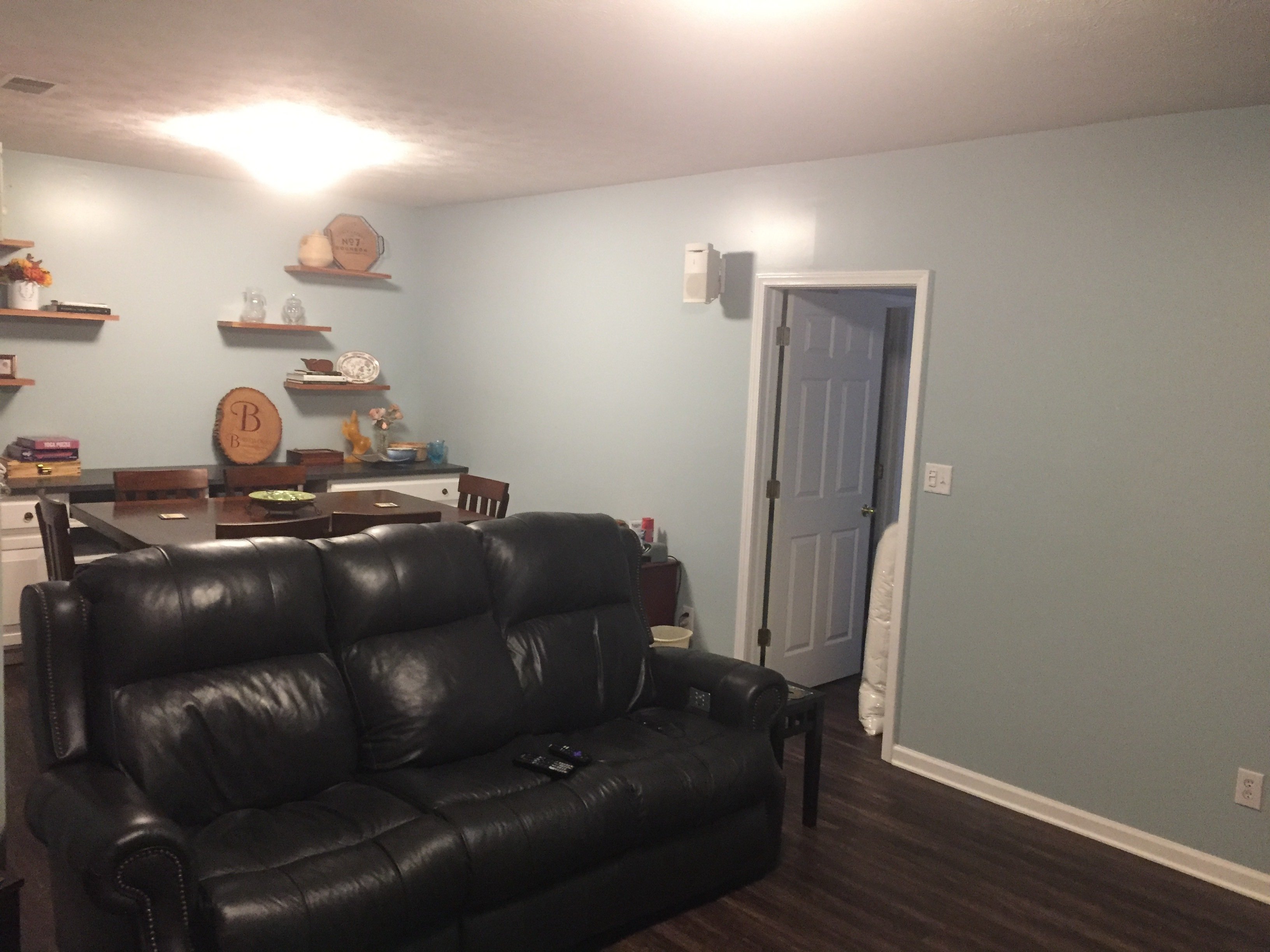
I've just finished a home project and was thinking about the next one. Media room renovation cost is something I'm curious about, as it's a big job and I want to get it right. I've heard it can be expensive, but I'm not sure what the typical costs are or how to plan for it. I need to know what to expect and how to make sure I get a good deal.
Understanding Media Room Renovation Costs
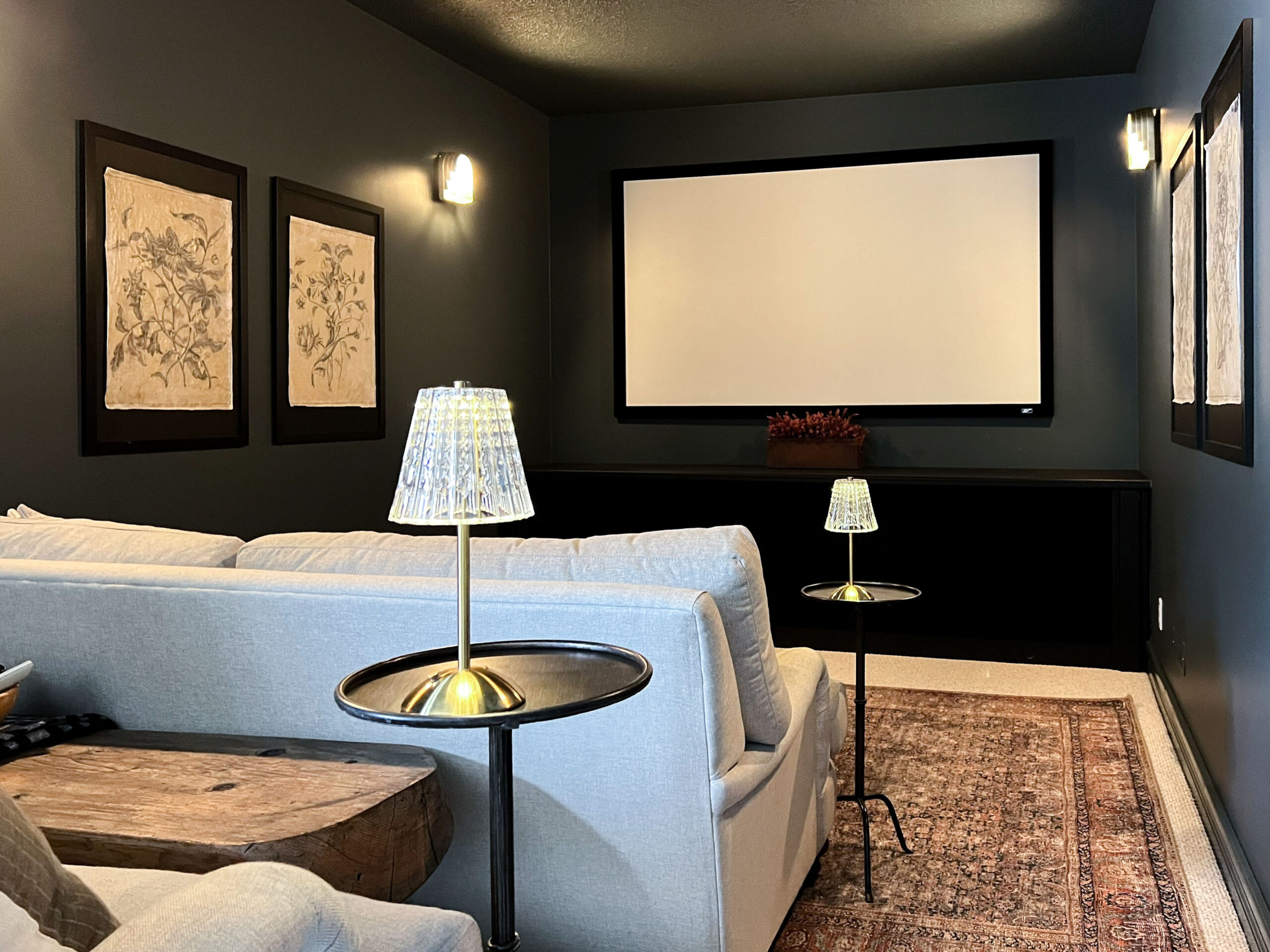
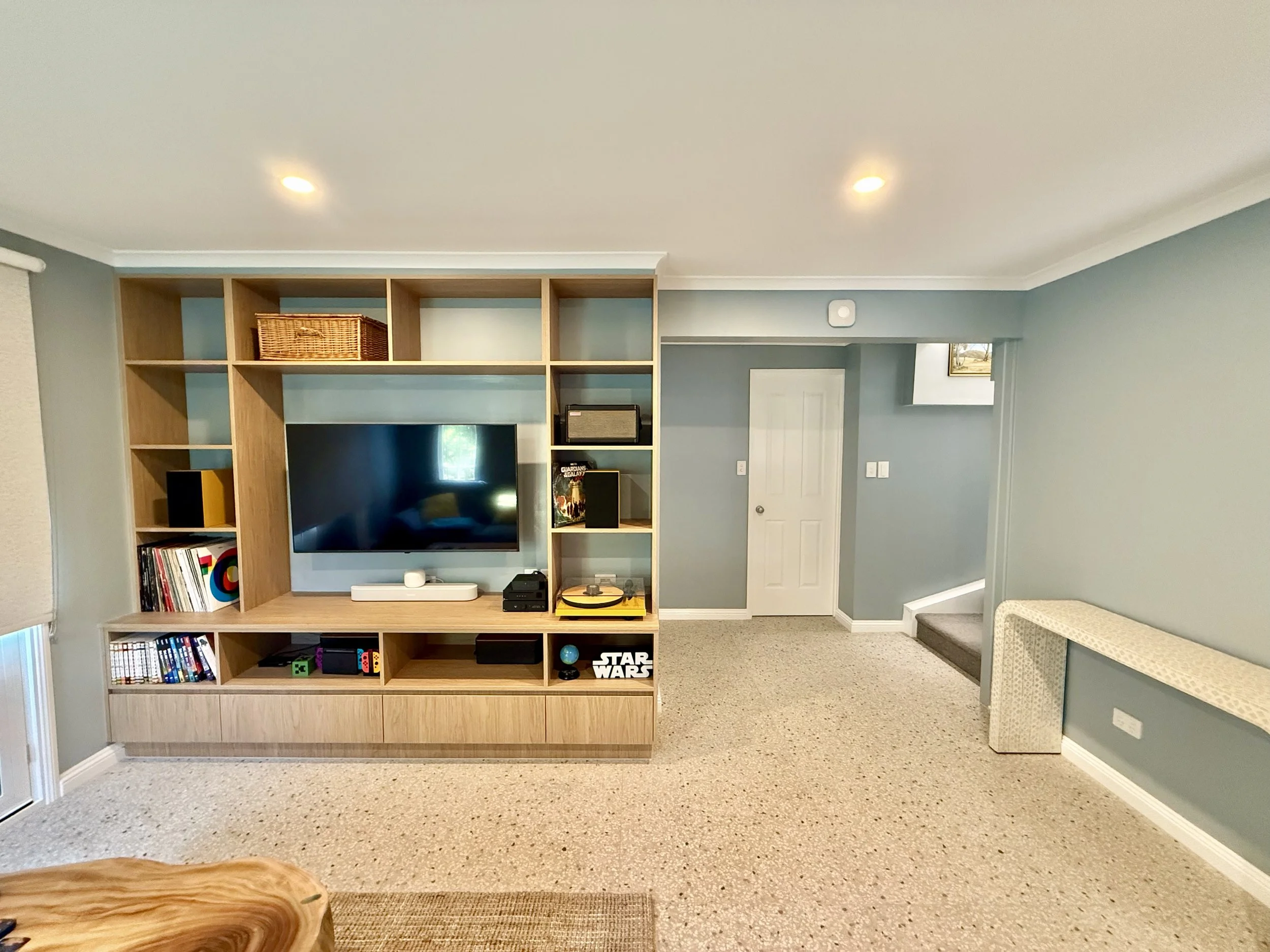
So, you're thinking about transforming your space into a media room haven? It's an exciting project, but media room renovation cost can be a big consideration. Let's break it down and explore what factors influence the price tag.
The cost of your media room renovation will depend on several key elements. Firstly, the size of the room and the scope of work required. Are you converting an existing space or starting from scratch? The more complex the design and the larger the room, the higher the cost will likely be.
Materials play a significant role too. From high-end audio-visual equipment to comfortable seating and stylish decor, the choices you make will impact the overall expense. It's a balance between your vision and your budget.
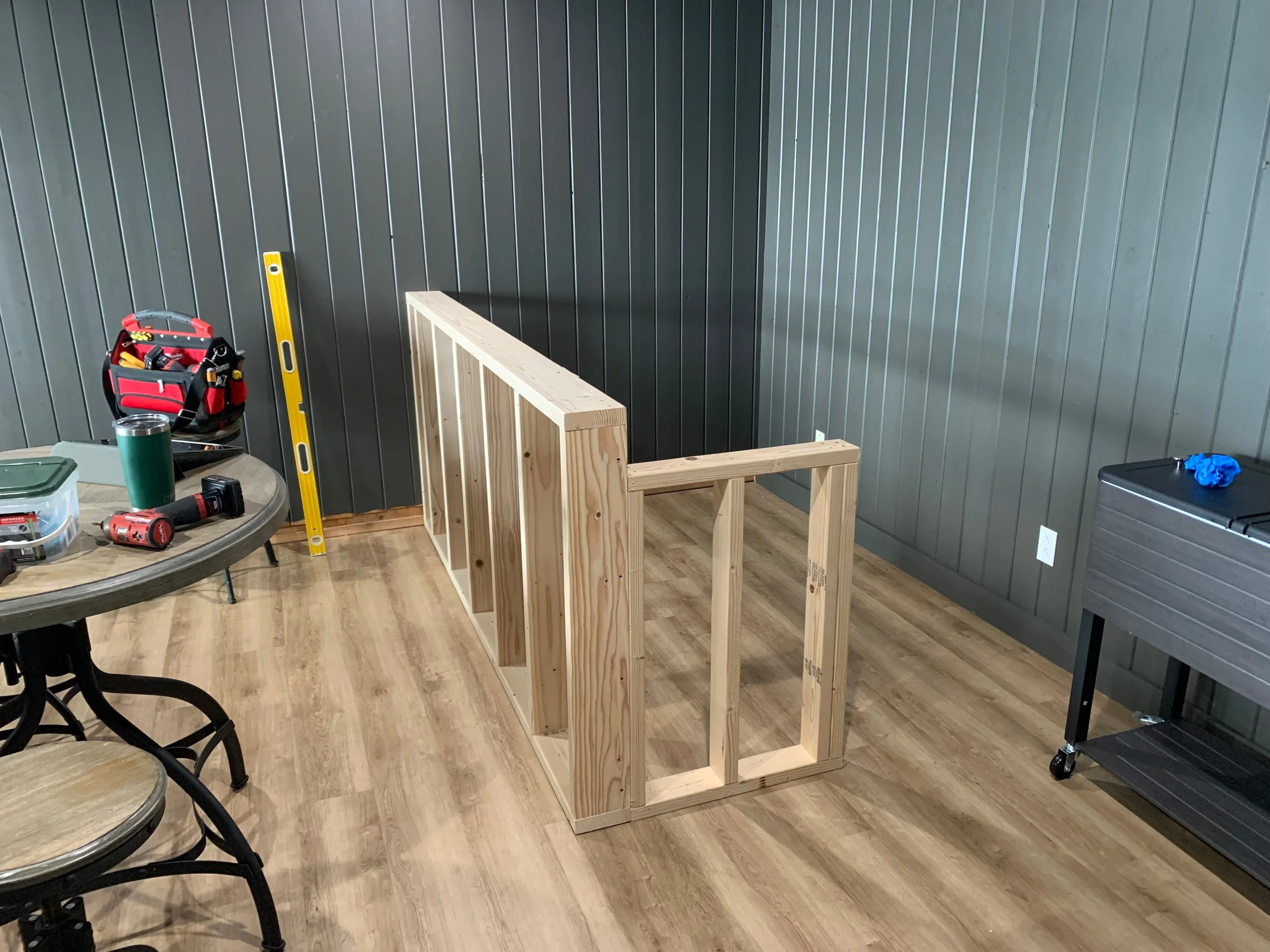
Labor costs are another crucial factor. Hiring skilled professionals to handle the electrical work, soundproofing, and installation of specialized equipment can add up. It's important to get quotes from reputable contractors to ensure a smooth and efficient renovation process.
Finding the Right Contractor
When it comes to hiring a contractor for your media room renovation, there are a few key things to consider. First, check their qualifications and experience. You want someone who specializes in home remodeling and has a proven track record. Ask for references and read reviews to get a sense of their work.
Get multiple quotes to compare prices and services. A good contractor will provide a detailed breakdown of costs, so you know exactly what you're paying for. Don't just go for the cheapest option; consider the value and quality of the work offered.
Construction Companies and Names
The construction industry is diverse, with companies of all sizes. When it comes to media room renovations, you'll likely be looking for a specialized home remodeling contractor. These companies focus on residential projects and can offer personalized services.
Choosing a name for your construction business is important. It should be memorable and reflect your brand. Some ideas could be:
- BuildCraft
- Home Innovation Group
- Remodel Pros
- Design & Build Co.
- The Renovators
- Modern Spaces
Remember to check name availability and secure the right domain and local registrations.
Industry Insights and Jobs
The construction industry offers a range of roles, from estimators who calculate costs to project managers overseeing renovations. These jobs are in demand and often involve working with various professionals.
As for salaries, they can vary based on experience and the company's size. Larger firms may offer competitive packages, while smaller businesses might provide a more personalized work environment. Job boards and industry-specific websites are great places to start your search.
Data and Tools for Estimating Costs
When it comes to estimating media room renovation cost, tools like RSMeans can be invaluable. These databases provide cost information for various construction projects, helping contractors and homeowners alike. They offer insights into material and labor expenses, ensuring accurate quotes.
For a media room renovation, you'll want to consider the cost escalation over time. This accounts for potential price increases due to market fluctuations and helps you budget effectively. It's a valuable tool for long-term planning.
Big Picture: Industry and Market
The construction industry is diverse, with a range of companies from small, family-run businesses to large corporations. Larger firms often have the resources for bigger projects and can offer competitive pricing. However, smaller companies might provide more personalized service and attention to detail.
The market outlook is an important consideration. Construction trends and economic factors can impact the industry. Staying informed about these changes can help you make smart decisions when planning your media room renovation.
Final Thoughts
Renovating a media room is an exciting project, and understanding the media room renovation cost is crucial. From materials to labor, there are many factors to consider. By researching and comparing quotes, you can make an informed decision and create your dream media room within your budget.
Related: Understand NEMA Plug Chart: A Quick Guide
You've got a project on your hands and need to make sure you're using the right equipment. You're probably thinking, "What's the deal with all these different plugs and connectors?" Well, my friend, the Nema plug chart is here to save the day! It's a handy reference tool that simplifies the world of electrical connections. This chart provides a clear overview of Nema plug types, dimensions, and ratings, ensuring you make the right choices for your project.
Understanding the Nema Plug Chart: A Quick Overview
The Nema plug chart is a handy reference tool that simplifies the process of identifying and selecting the right electrical plug for your needs. It provides a visual representation of various plug types, offering valuable insights into their unique characteristics. This chart serves as a guide, ensuring you choose the appropriate plug for your devices and appliances.
Comparing Nema Plug Standards, Formats, and Categories
The Nema plug chart covers a range of plug configurations, each designed for specific voltage and current requirements. These configurations are categorized based on factors like the number of pins, their arrangement, and the plug's overall shape. Common voltage ratings on the chart include 125V and 250V, indicating the plug's suitability for different electrical systems. It's essential to note that the chart may vary depending on the standard being used, so always check the relevant specifications.
A Step-by-Step Guide to Using the Nema Plug Chart
To make the most of the Nema plug chart, follow these simple steps:
Identify the plug type: Start by examining your device or appliance. Look for the plug type, which is often labeled or indicated by its shape.
Match the plug type: Refer to the Nema plug chart and locate the corresponding plug type. The chart typically provides visual representations or descriptions to help you identify the correct category.
Check voltage and current: Once you've found the right plug type, verify the voltage and current ratings. Ensure these match the requirements of your device to prevent any electrical issues.
Confirm wiring details: The Nema plug chart may also provide information on the wiring configuration. Check if the chart offers guidance on the wire gauge, color coding, or other relevant details.
Double-check specifications: While the chart is a valuable tool, it's always a good practice to cross-reference the exact specifications provided by the manufacturer or in the device's manual. This ensures accurate and safe usage.
Common Misreadings and How to Avoid Them
One common mistake is assuming that the Nema plug chart covers all possible variations. It's important to remember that while the chart provides a comprehensive overview, there may be exceptions or specific use cases that require additional research. Always refer to the device's manual or consult an expert if you encounter any uncertainties.
Another pitfall is neglecting to consider the region-specific standards. The chart may present information based on a particular standard, such as the Nema standard in the United States. If you're working with international devices or traveling abroad, ensure you're using the correct chart for the relevant region.
Factors Affecting Accuracy and Real-World Application
Voltage and Current Requirements: Different devices have varying electrical needs. Ensure the Nema plug you choose matches the voltage and current ratings of your appliance.
Plug Configuration: Pay attention to the number of pins and their arrangement. Mismatched configurations can lead to improper connections.
Wiring: The Nema plug chart may provide wiring details, but always confirm the wire gauge and color coding to avoid electrical hazards.
Regional Standards: Be mindful of the electrical standards in your region. The chart's information may be based on specific standards, so adapt accordingly.
Device Compatibility: Not all devices are compatible with every Nema plug. Check the manufacturer's guidelines to ensure a safe and proper connection.
Remember, the Nema plug chart is a valuable resource, but it's just one tool in your electrical toolkit. Stay informed, and always prioritize safety when working with electrical devices.
Hey there, we hope this guide has given you a clear understanding of the nema plug chart and its practical uses. Remember, while the basics remain the same, there might be slight variations in the details, so it's always good to refer to the specific standards and sources for your exact needs.
Our site offers a range of helpful guides and resources to explore, so feel free to browse and discover more practical tips and insights. Happy learning, and stay tuned for more!