




Hello Kitty Coloring Pages Printable Overview
An army ribbons chart is a handy tool for anyone wanting to quickly identify and understand military awards and decorations. This guide will give you a simple breakdown of what these charts are and how they work, covering the basics you need to know.
These charts, often referred to as an army awards chart or military ribbon rack, provide a visual representation of the various service ribbons and medals. While the specific values and formats may vary, they offer a clear and concise way to display and organize these awards, ensuring an accurate and efficient reference.
Understanding Army Ribbons Chart
An army ribbons chart is a visual guide that displays the various awards and decorations earned by military personnel. It provides a clear and organized way to showcase an individual's achievements and honors. This chart is an essential tool for understanding and appreciating the recognition given to service members.
Key Details and Categories
The chart typically includes different types of ribbons, each representing a specific award or decoration. These ribbons are arranged in a specific order, known as the "award and decoration order." The order is crucial as it indicates the seniority and importance of each award. Common ribbon categories include service ribbons, campaign ribbons, and achievement medals. Each ribbon has its own unique design and color scheme, making it easy to identify.
Reading the Rack: A Step-by-Step Guide
When reading an army ribbons chart, pay attention to the placement and arrangement of the ribbons. The chart often follows a standard format, with ribbons displayed in rows or columns. Start by identifying the top row, which usually represents the highest-ranking awards. Work your way down, noting the different ribbons and their positions. Each ribbon's position indicates its order of precedence, with the most prestigious awards placed higher.
Variations and Differences
It's important to note that army ribbons charts can vary depending on the military branch and the specific standards followed. Different countries and regions may have their own unique award systems and ribbon designs. Additionally, within the same military branch, variations can occur due to changes in regulations or the introduction of new awards. Common factors that cause variations include the individual's service record, unit-specific awards, and the time period in which the awards were earned.
To ensure accuracy, it's recommended to refer to official sources and guidelines provided by the relevant military branch. These sources will provide detailed information on the correct placement and order of ribbons, ensuring an accurate and respectful display. Remember, the army awards chart is a dynamic representation of an individual's achievements, and understanding these variations is key to interpreting it correctly.
Well, there you have it! A handy chart to keep close by for all your army ribbon queries. Remember, these are general guidelines, and it's always wise to confirm the specifics for your particular situation.
Feel free to explore our other resources on similar topics. We've got a bunch of guides and references to help you navigate these details with ease. Happy learning!
Related: Remodeling Companies Essential Guide
I was having a coffee with a friend the other day, and they were telling me about their plans to renovate their kitchen. It got me thinking about remodeling companies and how they can help transform a space. So, let's chat about what these companies do and how to navigate the world of home remodeling.
What's the Deal with Remodeling Companies?
Remodeling companies are the experts in transforming your living space. Whether you want to update your bathroom, add an extension, or give your entire home a facelift, these companies can help bring your vision to life. They handle the whole process, from design and planning to construction and finishing touches. It's a one-stop shop for your renovation needs!
When it comes to costs, it's a bit like a puzzle. The price can vary depending on the size of the project, the materials you choose, and the complexity of the work. It's always a good idea to get multiple quotes to compare and ensure you're getting a fair deal. Don't be afraid to ask questions and understand what's included in the quote.
Hiring the Right Team
Choosing the right remodeling company is key. You want a team that listens to your ideas, offers expert advice, and provides a clear plan and timeline. Check their credentials, ask for references, and look at their past projects. A good contractor will guide you through the process and ensure your vision is realized. Don't be rushed into a decision; take your time to find the right fit.
Naming the Business
If you're thinking of starting your own remodeling company, the name is important. It needs to be memorable and reflect your business. Keep it simple, catchy, and easy to remember. Some fun and unique name ideas could be:
- Build-It-Better
- Renovate and Revive
- Home Transformation Team
- The Remodelers
- Space Makers
- Dream Builders
Remember to check the availability of the name and secure your domain and local registration.
Jobs and Opportunities
The remodeling companies industry offers a range of roles. From estimators who calculate costs to project managers who oversee the entire process, and skilled tradespeople who bring the plans to life. These jobs are in demand, and you'll often find opportunities through online job boards or by reaching out to local companies. It's a great field to be in if you love creating and transforming spaces.
Industry Tools and Insights
There are some handy tools and resources used in the industry. For example, RSMeans is a popular cost-estimating tool that helps contractors and estimators calculate project costs accurately. It's a valuable resource for the trade. There are also cost databases and indexes that provide up-to-date information on construction costs, helping to ensure fair pricing. These tools keep the industry informed and efficient.
Large vs. Small Firms
The remodeling companies industry has a mix of large and small businesses. Larger firms often have more resources and can take on bigger projects, but smaller companies can offer a more personalized service. It's a balance between scale and attention to detail. Both have their advantages, so it's about finding the right fit for your needs.
So, there you have it! A little insight into the world of remodeling companies. Whether you're planning a renovation or thinking of joining the industry, it's a fascinating and rewarding field. Remember, it's all about finding the right team and creating a space you love.
Related: Get Your Accurate Inch to MM Chart
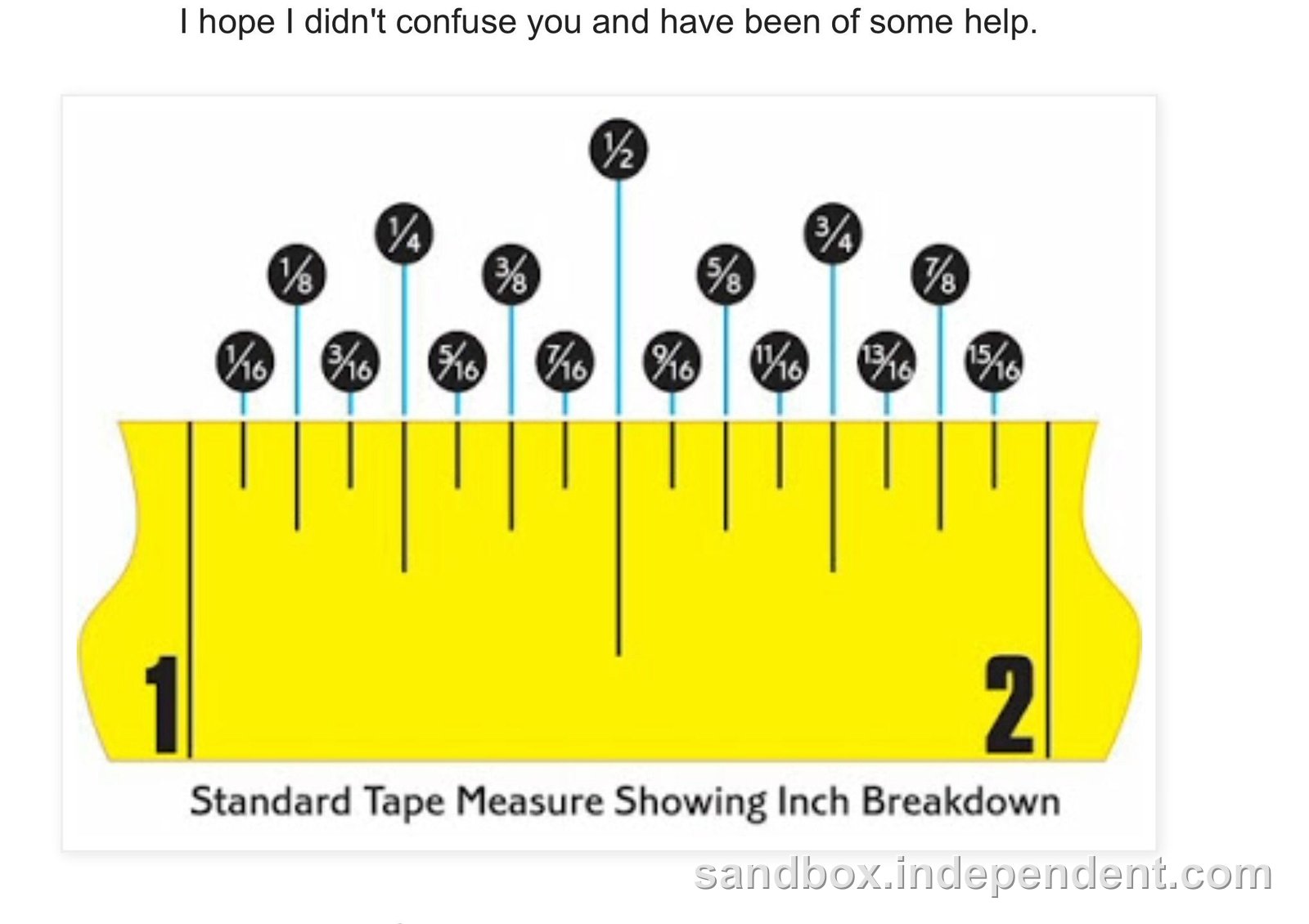
You're probably here because you need a quick conversion fix, and who can blame you? The inch to mm chart is your go-to resource for an accurate and fast length conversion. It's a handy tool, especially when you're in a pinch and need to understand measurements across different systems. This chart is a simple yet effective way to ensure you get your conversions right, whether you're dealing with inches to centimeters or imperial to metric.
Understanding the Inch to mm Chart
The inch to mm chart is a handy reference tool for quickly converting inch measurements to millimeters. It's a practical way to ensure accurate conversions, especially when working with different measurement systems. This chart provides a simple visual guide, making it accessible for everyday use.
Key Details and Units
Before we dive in, let's clarify some basics. The chart typically displays inches on one axis and millimeters on the other, with corresponding values for each unit. You'll find a range of values, often starting from 0 and going up in small increments, like 0.1 inches or 1 mm. It's essential to know that the chart follows a specific standard, usually the imperial to metric conversion, ensuring consistency.
Step-by-Step Conversion Process
Using the inch to mm chart is straightforward. First, locate the inch value you want to convert on the chart. Then, follow the corresponding line or column to find the equivalent millimeter value. For instance, if you have 2 inches, find the 2-inch mark and read across to see it equals approximately 50.8 mm. That's it! Simple and quick.
Variations and Differences
While the inch to mm chart is a reliable tool, variations can occur due to different standards and contexts. For example, some charts might offer more precise conversions, especially for smaller increments. Additionally, certain industries or regions might have specific requirements, leading to slight variations. It's crucial to double-check if you're working with precise measurements or specialized fields.
- Here are some key factors that can cause variations:
- Standard deviations: Different countries or industries might use slightly different conversion factors.
- Precision needs: More detailed charts are available for precise measurements.
- Specialized fields: Certain professions, like engineering, might require unique charts.
Common Mistakes and How to Avoid Them
One common mistake is misreading the chart, especially when dealing with small increments. Always ensure you're following the correct line or column for your measurement. Another pitfall is assuming all charts are the same. Remember, variations exist, so double-check if precision is critical. Lastly, be aware of the conversion direction. The chart usually converts inches to mm, so be clear on which unit you're starting with.
To summarize, the inch to mm chart is a valuable tool for quick and accurate conversions. By understanding the basics, following a simple step-by-step process, and being aware of potential variations, you can ensure precise measurements. Remember, when in doubt, always refer to the specific standards or guidelines for your field. Happy converting!
Hey there! I hope this inch to mm chart has been a helpful resource for you. It's always good to have these handy conversions at your fingertips, especially when you need to quickly reference measurements.
Remember, while this chart provides a reliable guide, exact values can vary slightly depending on the standard or source you use. So, it's always a good idea to double-check your specific requirements and context before finalizing any measurements.
Feel free to bookmark this page for future reference. It's a simple yet practical tool to have in your back pocket for those unexpected measurement needs!