Hello Kitty Valentine Coloring Pages Overview
You're here because you need a quick guide to understanding dog dental charts and their purpose. Maybe you're a dog owner wanting to learn more about your pet's oral health, or perhaps you're a professional seeking a reliable reference.
These charts are a handy tool, offering a visual representation of a dog's teeth, often with additional details like tooth names, positions, and even growth patterns. While the exact format and content can vary, they provide an accessible way to learn about canine dentition, a fascinating and important aspect of dog health.
Understanding the Dog Dental Chart
The dog dental chart is a handy tool for dog owners and vets, providing a visual guide to a dog's teeth. It offers a simple way to identify and understand the different teeth, their positions, and any potential issues. This chart is a great reference for oral care and can help you keep your furry friend's teeth healthy.
Key Details and Categories
The canine dentition chart typically follows a standard tooth numbering system. This system assigns numbers or letters to each tooth, making it easy to refer to specific teeth. The chart usually covers all the teeth in a dog's mouth, from the tiny incisors at the front to the powerful molars at the back. It might also include a dental formula, which is a simple way to represent the number and type of teeth a dog has.
How to Read and Use the Chart
Reading the dog dental chart is straightforward. Each tooth is labeled with a unique identifier, often a number or a combination of letters and numbers. For example, the upper right canine tooth might be labeled "URC" or "404." The chart might also indicate the tooth's position, size, and any special features. To use the chart, simply match the tooth you want to identify with its corresponding label. You can then refer to the chart's key or legend to learn more about that specific tooth. It's a quick way to check for any abnormalities or to plan dental procedures.
Variations and Differences
While the dog dental chart provides a standard reference, there can be variations across different standards and contexts. For instance, the tooth numbering system may differ between regions or even among vets. Additionally, dog teeth diagrams might not account for all the unique dental anatomy of every breed. Some dogs, especially those with brachycephalic (short-nosed) skulls, may have variations in tooth placement or even missing teeth. It's important to be aware of these potential differences and to consult with a vet for precise information about your dog's specific dental measurements and needs.
Remember, while this dog dental chart is a handy reference, it's always best to consult with your vet for specific guidance tailored to your pup's needs. Exact values can vary, so it's a good idea to double-check and ensure you have the right information for your context.
Consider bookmarking this page for future reference. It's a simple yet effective tool to have on hand, and you never know when you might need a quick reminder about dog dental health!
Related: How to Read a Cake Serving Chart?
Many people often assume that a cake serving chart is a rigid, one-size-fits-all guide, but in reality, it is a flexible tool with some room for adjustment. While it provides a helpful framework, the chart's values can vary depending on factors like the cake's density and the desired portion size.
Understanding and utilizing a cake serving chart effectively ensures you have the right quantities for any occasion, be it a wedding or a simple celebration. It's a simple yet powerful tool to ensure your cake serves the perfect number of people.
The Cake Serving Chart: A Guide to Portion Sizes
The cake serving chart is a valuable tool for anyone planning a special event, from weddings to birthday parties, to ensure they have the right amount of cake for their guests. This chart provides a practical guide to estimating portion sizes, helping you avoid the common pitfall of having too much or too little cake.
Key Details and Units
The cake serving chart typically displays two main categories: the size of the cake and the number of servings it provides. Cake sizes are often measured in inches or centimeters, with standard round cakes ranging from 6 to 14 inches in diameter. Each cake size is then assigned a serving range, indicating the approximate number of portions it can yield. These serving sizes are usually given in whole numbers, such as slices per person, with some charts also providing fractional amounts for more precise estimates.
Reading the Chart: Step-by-Step Guide
To use the cake serving chart effectively, follow these simple steps:
Identify the size of your cake. Measure the diameter of your cake, ensuring it aligns with the standard sizes provided on the chart.
Locate the corresponding serving range. The chart will indicate the approximate number of servings for the cake size you've chosen. For instance, a 10-inch cake may serve 18-24 slices, depending on the desired portion size.
Adjust for your needs. Consider the appetite of your guests and the other food items served. If you expect larger portions or a more substantial meal, err on the side of fewer servings per person. Conversely, for a lighter meal or a larger crowd, you may need to increase the serving size.
Plan for leftovers. It's always a good idea to have a little extra, especially for a wedding cake or a special occasion. Aim for a slightly higher serving estimate to ensure everyone gets a taste and there's some cake left for photos and memories.
Common Variations and Differences
While the cake serving chart provides a useful guideline, it's important to note that serving sizes can vary based on several factors:
Cake type: Different cake styles, such as layer cakes, sheet cakes, or tiered cakes, may have varying densities and serving recommendations.
Guest preferences: Consider the age range and cultural backgrounds of your guests, as these can influence portion sizes and preferences.
Event style: A casual gathering may allow for larger servings, while a formal event might require more delicate portions.
Additional food: If you're serving a full meal, adjust the cake servings accordingly to avoid overwhelming your guests.
Avoiding Common Mistakes
To ensure accurate portion estimates, avoid these common pitfalls:
Overlooking the cake's height: The height of a cake can impact its volume and, consequently, the number of servings. Ensure you consider both diameter and height when estimating portions.
Ignoring guest diversity: Every crowd is unique. Consider the appetite and preferences of your guests, especially if you have a wide age range or cultural mix.
Forgetting about leftovers: Always plan for some extra cake, especially for special occasions. It's better to have a little left over than to run out unexpectedly.
Relying solely on the chart: While the cake serving chart is a great starting point, it's essential to use it as a guide and adjust portions based on your specific needs and preferences.
By understanding the cake serving chart and its applications, you can confidently plan your cake servings, ensuring a delightful and memorable experience for your guests.
Well, I hope that cake serving chart has left you feeling prepared and confident for your next baking adventure. Remember, when it comes to these guides, it's always a good idea to cross-reference and ensure you're using the right measurements for your specific needs.
Feel free to explore our other practical guides; we've got a whole host of resources to ensure your baking and entertaining endeavors are a success. Happy baking, and don't forget to adapt and adjust as needed!
Related: How to use the Vans size chart?
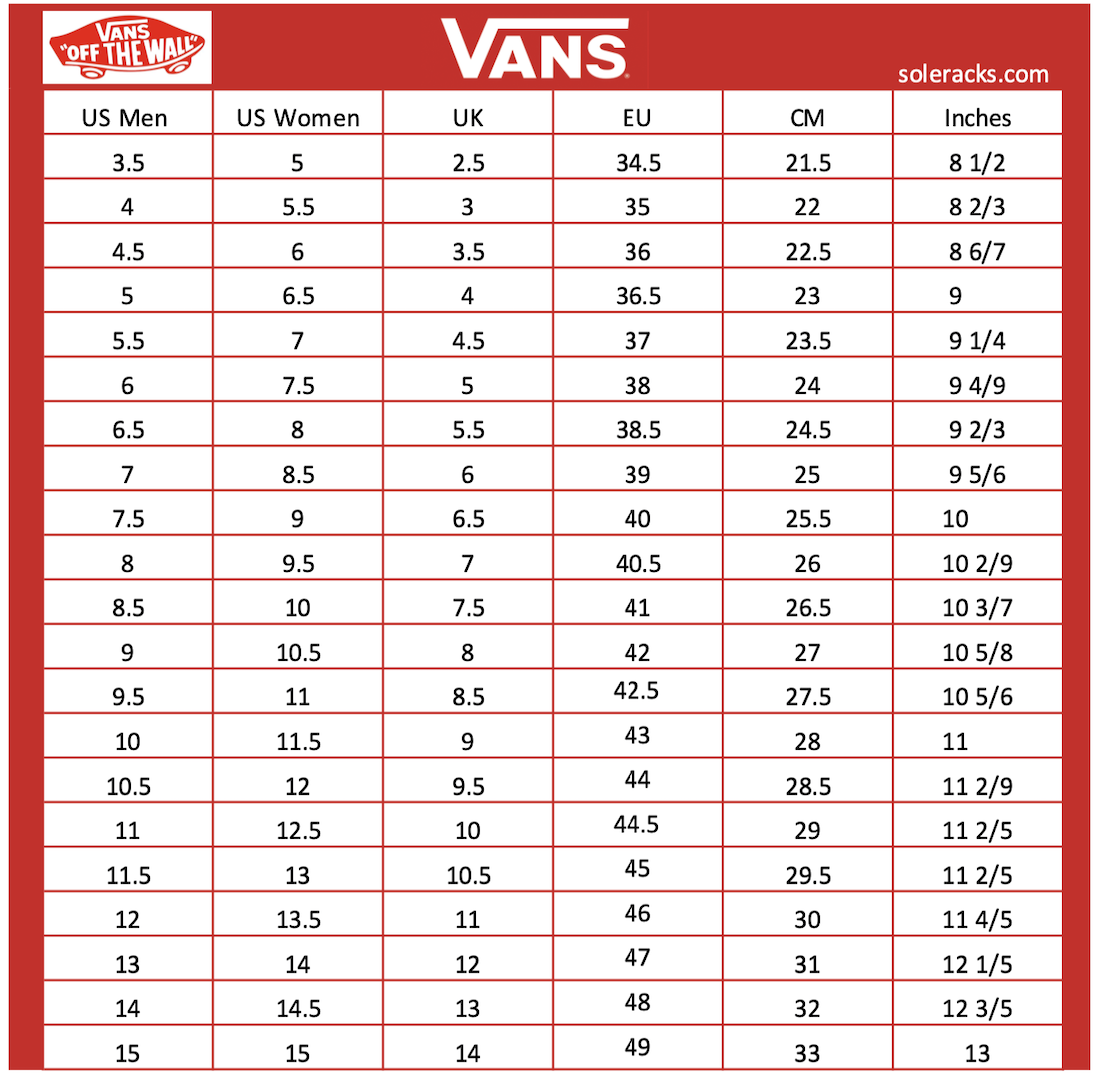
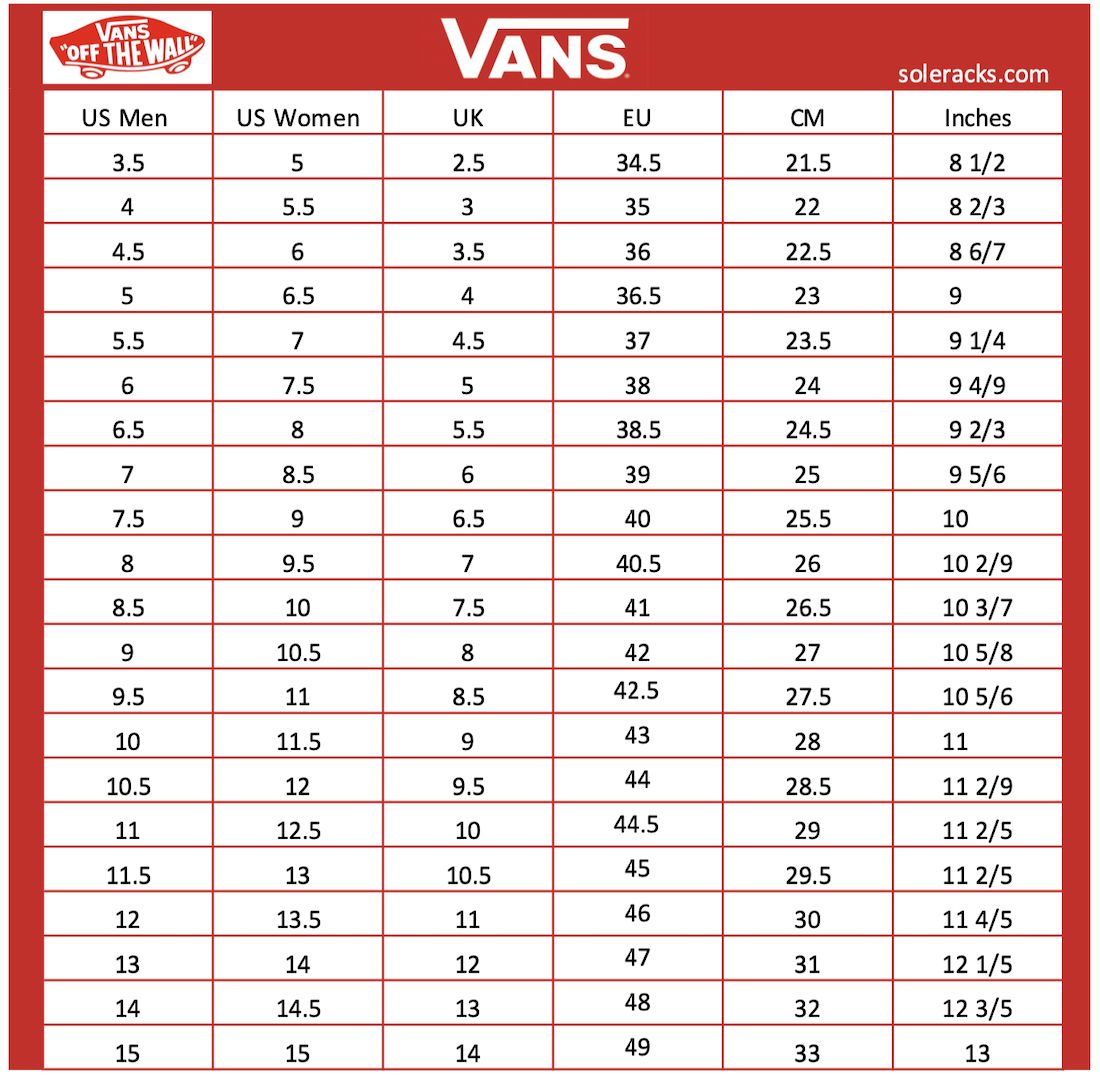
You're on a mission to find the perfect fit for your new Vans, and the Vans size chart is your trusty guide. It's a simple yet effective tool, offering a quick and reliable way to ensure you get the right size. This chart, a handy reference, provides an easy-to-read overview of men's and women's sizes, with length and width measurements to help you match your feet to the ideal pair. While the values may vary slightly depending on the style and region, the Vans size chart is a great starting point for an accurate fit.
Understanding Vans Size Chart
The Vans size chart is your go-to guide for finding the perfect fit for your favorite Vans sneakers. It's a handy tool that simplifies the sizing process, ensuring you get the right size for a comfortable and stylish stride.
Key Details and Categories
This chart provides a comprehensive breakdown of Vans shoe sizes, covering both men's and women's styles. The sizes are typically presented in US standard measurements, with length and width dimensions for each size. You'll find a clear table or diagram, making it easy to locate your ideal size.
Step-by-Step Guide to Reading the Chart
Here's a simple guide on how to navigate the Vans size chart:
- Identify your gender: The chart often separates men's and women's sizes, so start by locating the relevant section.
- Find your US size: Look for the column or row labeled with your US shoe size.
- Check the length and width: The chart will provide measurements for both length and width, ensuring a precise fit.
- Convert if needed: If you're more familiar with international sizes, use the conversion chart provided to find your equivalent US size.
- Choose your style: Different Vans styles might have slight variations, so ensure you're referring to the correct style guide.
Variations and Differences
It's important to note that shoe sizing can vary slightly between brands and even within the same brand for different styles. Vans, like many other shoe manufacturers, may have slight variations in their sizing charts to accommodate different foot shapes and preferences. These variations ensure a comfortable fit for a wide range of wearers.
Common Mistakes and How to Avoid Them
One common mistake is assuming that your Vans size will be the same as your regular shoe size. Always refer to the Vans shoe size chart specifically, as it may differ from other brands you wear. Another pitfall is neglecting to measure your foot properly. Ensure you follow the provided guidelines for accurate measurements.
Tips for Accurate Sizing
To ensure an accurate fit, consider these practical tips:
- Measure your foot regularly, especially if you're between sizes or notice any changes.
- Try on multiple sizes if possible, especially if you're new to Vans or have unique foot characteristics.
- Pay attention to the width measurements; a wide foot might require a different size than what you usually wear.
- Consider the style of Vans you prefer; some styles might fit slightly differently due to their design.
Double-Checking and Handling Exceptions
While the Vans size chart is a reliable guide, it's always a good idea to double-check the specific style and model you're interested in. Some Vans styles might have unique features or fit preferences, so referring to the detailed sizing guide for that particular style is recommended. Additionally, if you have unique foot characteristics, such as a wide or narrow foot, you may need to adjust your size accordingly. Always trust your comfort and fit preferences.
Well, there you have it! A comprehensive guide to understanding the Vans size chart. It's always best to be prepared and know your size, especially when it comes to finding the perfect fit.
Remember, while this guide provides a solid foundation, it's always wise to check the specific size chart for the style you're interested in. Vans, like many brands, may have slight variations, so double-checking ensures you get the right size for your feet. Happy shopping, and don't forget to explore our other helpful guides to enhance your shoe-buying experience!