






Highschool Dxd R34 Overview
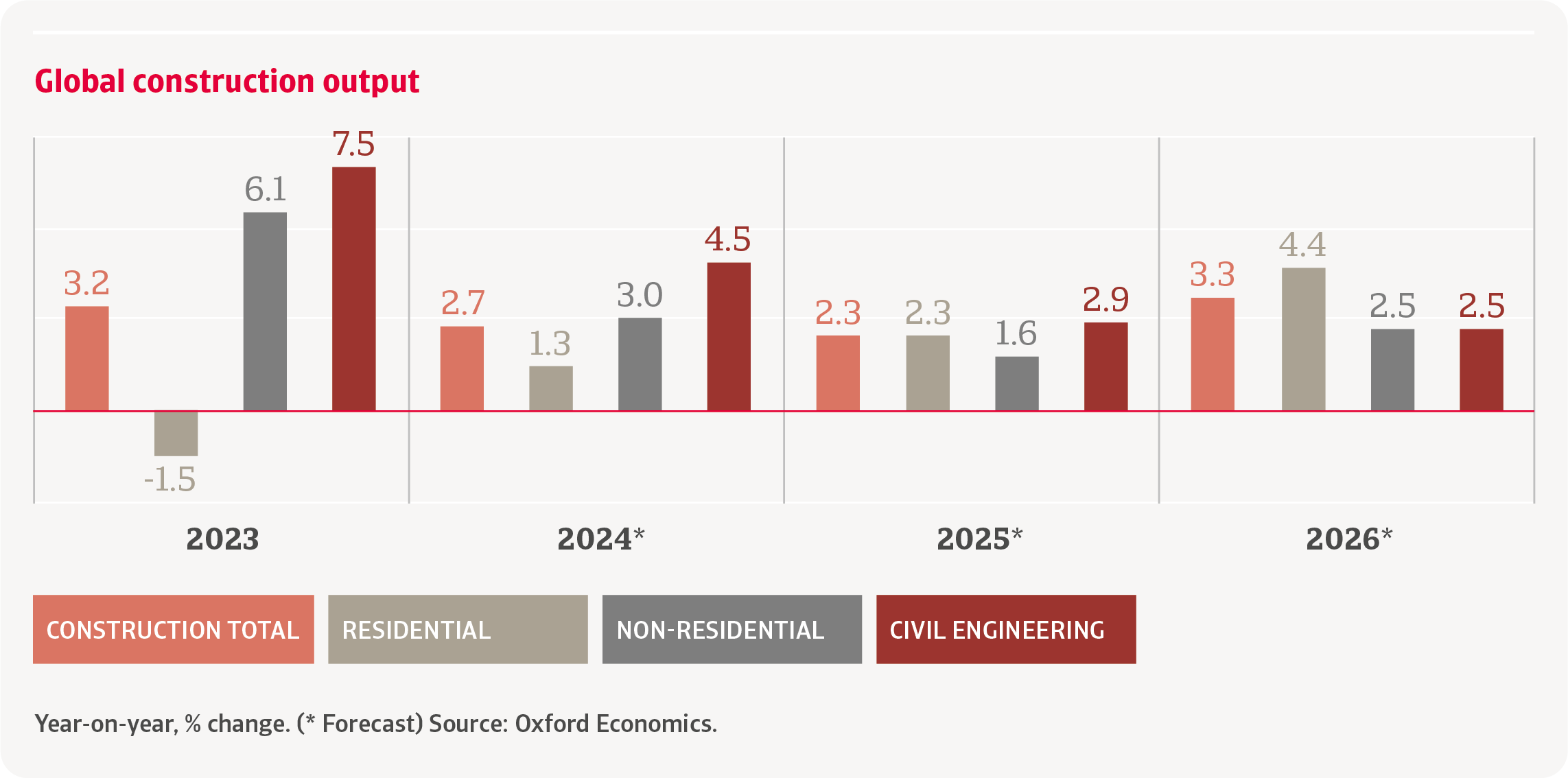
I was walking through my neighborhood the other day, and it struck me how many construction projects are underway. 2026 construction outlook might be on your mind too, whether you're a homeowner, a business owner, or just curious about the industry. So, let's break it down and see what's in store.
The Big Picture
When we talk about the "2026 construction outlook," we're looking at the future of building and remodeling. It's about understanding the trends and changes that will shape the industry in the coming years. This outlook is important for anyone planning a construction project, as it can impact costs, timelines, and the overall success of your venture.
One key aspect is the cost of materials and labor. These costs can fluctuate, and keeping an eye on the outlook helps you prepare for any potential price hikes or drops. It's also about the availability of skilled workers and the demand for certain types of construction. For example, the rise of eco-friendly building practices might influence the skills and materials needed for future projects.
Hiring and Costs
If you're planning a construction project, one of your main concerns will be finding the right contractor. It's important to do your research and compare quotes. When you're getting quotes, look for detailed breakdowns of costs. This should include materials, labor, and any additional fees. Be cautious of quotes that seem too good to be true; they might cut corners or leave out important costs.
Ask for references and check their past work. A good contractor will be happy to provide this information. It's also a good idea to get multiple quotes to compare. This way, you can ensure you're getting a fair price and the right skills for your project.
Business Names and the Industry
For those in the construction business, or thinking of starting a business, choosing a name is an important step. A good name should be memorable, reflect your business values, and stand out in a crowded market. It might be a play on words, a reference to your location, or a unique combination of words that captures your business's essence.
Here are a few examples:
- Build-it-Right Construction
- Eco-Friendly Builders
- Solid Foundations
- Skyward Solutions
- HomeCrafters
- The Building Blocks
Remember to check name availability and secure the right domains and local registrations to protect your business identity.
Jobs and Opportunities
The construction industry offers a wide range of job roles, from general contractors and estimators to specialized tradespeople. These jobs can be found through local job boards, construction company websites, and industry-specific job sites. It's a diverse industry, and the skills required can vary greatly depending on the role.
For those looking for a career in construction, it's a good idea to research the different roles and the qualifications needed. Many roles offer on-the-job training and apprenticeships, providing a great way to learn and earn at the same time.
Tools and Resources
Tools like RSMeans can be a great resource for construction professionals. RSMeans provides cost data and estimating tools, helping contractors and businesses plan and manage their projects effectively. It's a valuable tool for staying on top of industry trends and ensuring accurate cost estimates.
Other resources, like cost databases and industry reports, can also provide valuable insights. These tools can help you understand the market, plan your projects, and make informed decisions.
Wrapping Up
So, there you have it, a glimpse into the 2026 construction outlook. It's an exciting time in the industry, with new technologies, materials, and practices constantly emerging. Whether you're a homeowner, a business owner, or a construction professional, keeping an eye on these trends and changes can help you make informed decisions and stay ahead of the curve.
I hope this has given you some useful insights. Happy building!
Related: Diamond Color Chart: A Simple Guide
The diamond color chart is a handy tool for anyone wanting to understand and evaluate the color of diamonds. This guide will give you a quick overview, covering the basics of reading and using this chart effectively.
It's a simple yet powerful reference, providing a visual scale to grade diamonds, from the rare, colorless gems to the vibrant fancy colors. The chart's format may vary, but it offers a consistent way to assess and compare diamonds, ensuring you can make informed choices.
What is the Diamond Color Chart?
The diamond color chart is a handy tool that helps us understand and categorize the color of diamonds. It provides a standardized way to assess and compare diamonds based on their color intensity and tone. This chart is an essential reference for anyone interested in diamonds, from jewelers to collectors and buyers.
Key Details and Categories
The diamond color chart typically follows a scale that ranges from D to Z. D represents the highest color grade, indicating a colorless diamond, while Z indicates a light yellow or brown hue. This scale is widely recognized and used by industry professionals and grading laboratories. Each letter grade represents a specific range of color, with subtle variations between them.
How to Read and Apply the Chart
Using the diamond color chart is straightforward. Here's a step-by-step guide:
- Identify the diamond's color: Examine the diamond under proper lighting conditions. Look for any visible tints or hues, especially in the face-up position.
- Compare with the chart: Refer to the diamond color chart and match the diamond's color to the closest grade. The chart often provides a range of colors for each grade, so find the best fit.
- Consider the lighting: Lighting can affect the perceived color. Ensure consistent lighting conditions when comparing diamonds or referencing the chart.
- Seek expert advice: If you're unsure, consult a gemologist or jewelry professional. They can provide accurate assessments and guidance.
Variations and Differences
It's important to note that the diamond color chart may vary slightly depending on the grading system used. The most common and widely accepted system is the GIA color grading scale, but other laboratories and regions may have slight variations. These differences are usually minimal and won't impact the overall color assessment.
Common Misperceptions and Mistakes
One common mistake is assuming that a higher color grade always indicates a better diamond. While a colorless diamond (D grade) is often considered ideal, many people find the subtle warmth of lower color grades (e.g., J-K range) more appealing. It's a matter of personal preference, and lower color grades can offer excellent value.
Practical Tips for Accurate Results
- Consistency is key: Ensure you use the same lighting conditions and viewing angle when comparing diamonds or referencing the chart.
- Seek professional guidance: If you're new to diamonds, consult an expert. They can educate you and provide valuable insights.
- Understand your preferences: Consider the intended use and your personal taste. Some diamond shapes and settings can enhance or minimize color.
Double-Checking and Handling Exceptions
While the diamond color chart is a valuable tool, it's not foolproof. Some diamonds may have unique characteristics or treatments that affect their color. In such cases, it's essential to consult a professional gemologist for an accurate assessment. They can identify any treatments, natural color variations, or other factors that might impact the diamond's value and appearance.
Hey there, diamond enthusiasts! We hope this guide has given you a clear understanding of the diamond color chart and its practical uses. Remember, while the basics remain consistent, the exact details can vary slightly, so always double-check the specific standards and sources you're working with.
Don't forget to bookmark this page for future reference. We've got more helpful guides on various topics, so feel free to explore and discover more practical knowledge!
Related: How to Read an R22 PT Chart?
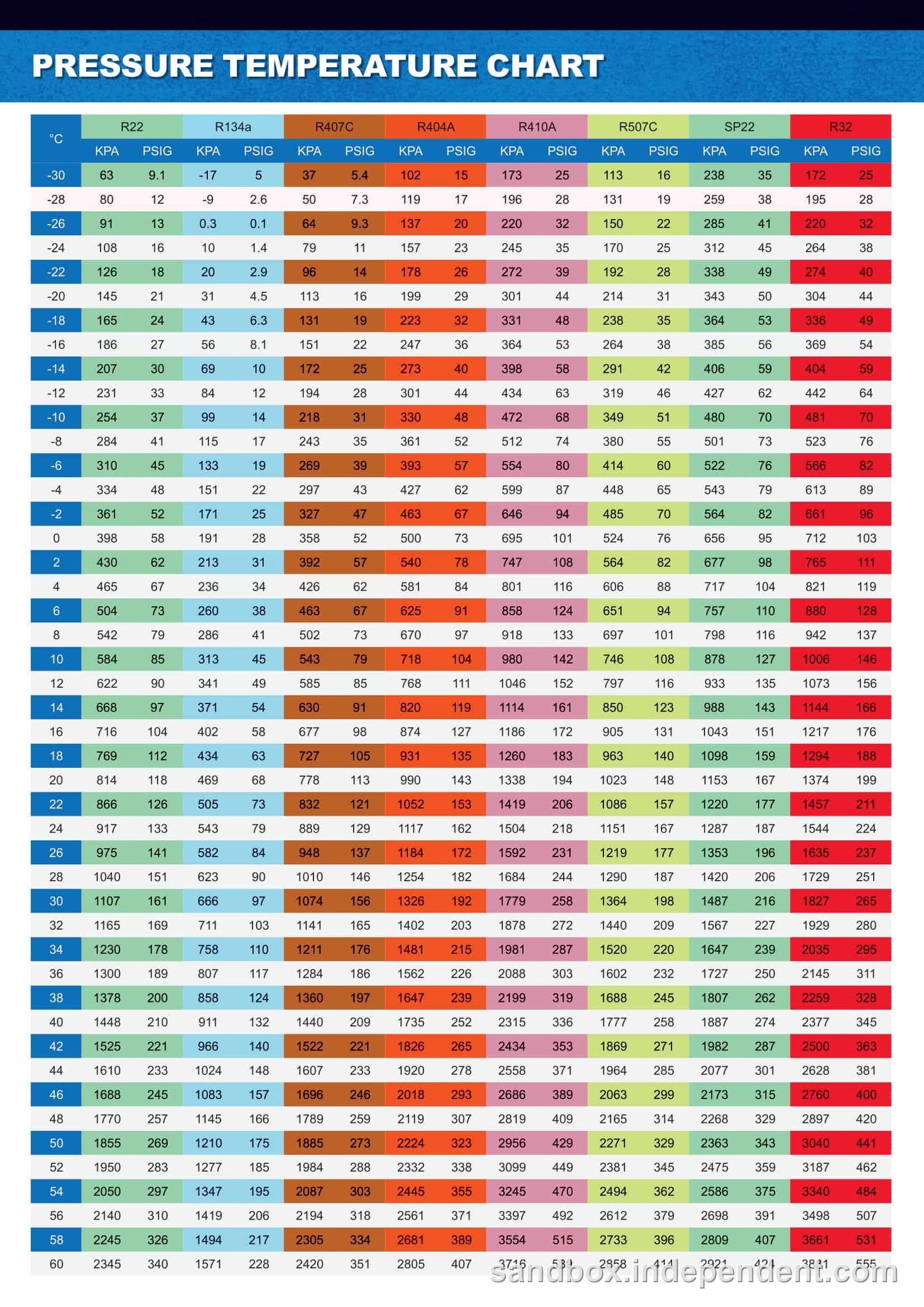
The R22 PT chart is a handy tool for anyone working with refrigeration or air conditioning systems. It's a simple yet powerful visual guide, providing essential information at a glance. This guide will walk you through the basics, ensuring you can read and interpret the chart like a pro. From understanding the pressure-temperature relationship to grasping the concepts of superheat and subcooling, we'll cover it all.
Understanding the R22 PT Chart: A Quick Overview
The R22 PT chart, or the R22 pressure-temperature chart, is a valuable tool for anyone working with refrigeration or air conditioning systems. It provides a visual representation of the relationship between pressure and temperature for R22 refrigerant, a commonly used coolant. This chart is your guide to understanding how these two critical factors interact and how to interpret them accurately.
Comparing R22 PT Chart Standards and Variations
It's important to note that R22 PT charts can vary slightly depending on the standard or region. Some charts may use different pressure units, like psi (pounds per square inch) or bar, while others might display temperature in Fahrenheit or Celsius. However, the core information remains the same: the relationship between pressure and temperature for R22 refrigerant. Always ensure you are using the correct chart for your specific application and region.
Step-by-Step Guide to Reading the R22 PT Chart
- Identify the Pressure Unit: The chart will typically display pressure in either psi or bar. Ensure you are familiar with the unit used on your chart.
- Locate the Temperature Axis: The temperature range is usually displayed on the y-axis, with the scale in either Fahrenheit or Celsius.
- Find the Intersection: For a given pressure and temperature, find the point where the corresponding lines intersect. This intersection represents the state of the refrigerant.
- Interpret the State: The point of intersection provides valuable information. It indicates whether the refrigerant is in a saturated vapor, saturated liquid, or superheated/subcooled state.
- Use the Information: This data is crucial for various applications, such as charging or troubleshooting refrigeration systems. It helps ensure the system is operating efficiently and safely.
Common Mistakes and How to Avoid Them
- Using the Wrong Chart: Always double-check you are using the correct R22 PT chart for your specific refrigerant and region. Using the wrong chart can lead to inaccurate readings and potentially dangerous situations.
- Misinterpreting the State: The chart provides a visual representation, but it's essential to understand the state of the refrigerant accurately. Misinterpreting this can result in incorrect system adjustments.
- Ignoring Tolerances: R22 PT charts provide general guidelines. Always refer to the specific tolerances and specifications for your system to ensure accurate and safe operation.
Getting the Most Accurate Results
- Regular Calibration: Ensure your pressure gauges and temperature sensors are calibrated regularly to maintain accuracy.
- Use Reliable Sources: Obtain your R22 PT charts from reputable sources to ensure the data is up-to-date and accurate.
- Stay Informed: Keep yourself updated on any changes or updates to the standards and regulations regarding refrigerant charts. This ensures you are always working with the most current and reliable information.
By following these guidelines and understanding the R22 PT chart, you can effectively interpret and utilize this valuable tool in your refrigeration or air conditioning work. Remember, accurate readings and interpretations are crucial for efficient and safe system operation.
Well, there you have it, a handy guide to your R22 PT chart needs. We've covered the basics, compared some options, and given you a simple process to follow. Remember, it's always a good idea to double-check your specific requirements and context, as exact values may differ slightly between standards and sources.
Consider bookmarking this page for future reference; it's a quick and easy way to ensure you have the right info at your fingertips when you need it. Happy charting!