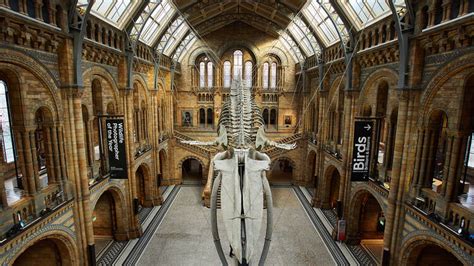
The study of natural history, which encompasses the observation, description, and classification of the natural world, has a rich and fascinating history that spans thousands of years. From ancient civilizations to modern times, the pursuit of understanding the natural world has been a driving force behind scientific discovery and exploration.
One of the earliest recorded attempts to study and document the natural world was by the ancient Greek philosopher Aristotle (384-322 BCE). Aristotle’s work in biology and natural history laid the foundation for future scientific inquiry, as he categorized plants and animals into groups based on their characteristics and behaviors. His observations on the natural world, compiled in his seminal work “Historia Animalium” (History of Animals), remained a cornerstone of natural history studies for centuries.
The Roman naturalist Pliny the Elder (23-79 CE) further expanded the scope of natural history with his encyclopedic work “Naturalis Historia”. This comprehensive tome covered a wide range of topics, including botany, zoology, geology, and astronomy, and remained a standard reference for over a thousand years. Pliny’s work not only demonstrated the breadth of human curiosity about the natural world but also highlighted the importance of observation, description, and classification in understanding the complexities of nature.
During the Middle Ages, the study of natural history continued, albeit at a slower pace. The works of Aristotle and Pliny were preserved and built upon by scholars such as Albertus Magnus (1206-1280 CE) and Thomas of Cantimpré (1201-1272 CE). These medieval naturalists expanded the scope of natural history to include studies on anatomy, physiology, and the behavior of living organisms.
The Renaissance marked a significant turning point in the history of natural history, as scientists such as Leonardo da Vinci (1452-1519 CE) and Andreas Vesalius (1514-1564 CE) made groundbreaking observations and discoveries about the natural world. The invention of the printing press facilitated the dissemination of knowledge, and the publication of works such as Conrad Gesner’s (1516-1565 CE) “Historia Animalium” helped to establish natural history as a distinct scientific discipline.
The 17th and 18th centuries saw the emergence of some of the most influential naturalists in history, including John Ray (1627-1705 CE), Carolus Linnaeus (1707-1778 CE), and Georges-Louis Leclerc, Comte de Buffon (1707-1788 CE). Ray’s work on plant classification and Linnaeus’s development of the binomial nomenclature system, which is still used today, revolutionized the field of natural history. Buffon’s “Histoire Naturelle” (Natural History), a 44-volume encyclopedia of the natural world, set a new standard for comprehensive and systematic documentation of the natural world.
The 19th century saw the rise of evolutionary theory, as scientists such as Charles Darwin (1809-1882 CE) and Alfred Russel Wallace (1823-1913 CE) proposed groundbreaking ideas about the origins and diversity of life on Earth. The publication of Darwin’s “On the Origin of Species” in 1859 CE marked a paradigm shift in the field of natural history, as it introduced the concept of natural selection and provided a framework for understanding the evolution of species over time.
In the 20th century, the study of natural history continued to evolve, with advances in fields such as ecology, conservation biology, and molecular biology. The development of new technologies, such as DNA sequencing and remote sensing, has enabled scientists to study the natural world in unprecedented detail and has led to a greater understanding of the complex interactions between organisms and their environments.
Today, natural history remains a vibrant and dynamic field, with scientists, researchers, and enthusiasts working together to document, understand, and protect the natural world. The study of natural history has come full circle, from ancient civilizations to modern times, and continues to inspire new generations of scientists, explorers, and conservationists.
The study of natural history is not just about understanding the natural world; it is also about understanding our place within it. By examining the complex relationships between organisms and their environments, we can gain valuable insights into the delicate balance of ecosystems and the importance of conservation efforts.
Historical Timeline of Natural History
| Time Period | Key Figures | Significant Events |
|---|---|---|
| Ancient Greece | Aristotle | Classification of plants and animals |
| Roman Empire | Pliny the Elder | Publication of “Naturalis Historia” |
| Middle Ages | Albertus Magnus, Thomas of Cantimpré | Preservation and expansion of natural history knowledge |
| Renaissance | Leonardo da Vinci, Andreas Vesalius | Groundbreaking observations and discoveries |
| 17th-18th centuries | John Ray, Carolus Linnaeus, Georges-Louis Leclerc | Development of binomial nomenclature and comprehensive documentation of the natural world |
| 19th century | Charles Darwin, Alfred Russel Wallace | Emergence of evolutionary theory and publication of “On the Origin of Species” |
| 20th century | Advances in ecology, conservation biology, and molecular biology | Development of new technologies and greater understanding of complex interactions between organisms and their environments |
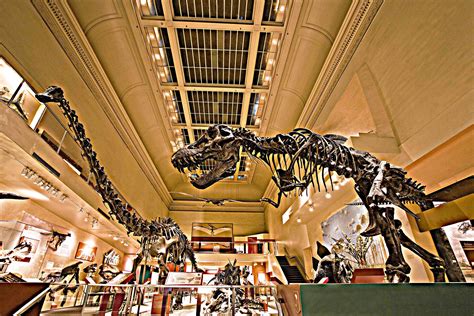
What is the significance of Aristotle's work in natural history?
+Aristotle's work in biology and natural history laid the foundation for future scientific inquiry, as he categorized plants and animals into groups based on their characteristics and behaviors. His observations on the natural world, compiled in his seminal work "Historia Animalium", remained a cornerstone of natural history studies for centuries.
How did the development of the printing press impact the study of natural history?
+The invention of the printing press facilitated the dissemination of knowledge, and the publication of works such as Conrad Gesner's "Historia Animalium" helped to establish natural history as a distinct scientific discipline. The widespread availability of printed materials enabled scientists and scholars to share their findings and build upon each other's work, accelerating the pace of discovery and advancement in the field.
What is the importance of conservation biology in the context of natural history?
+Conservation biology is a critical component of natural history, as it seeks to understand and protect the complex interactions between organisms and their environments. By studying the delicate balance of ecosystems and the impact of human activities on the natural world, conservation biologists can develop effective strategies for preserving biodiversity and maintaining the health of ecosystems.
The study of natural history is a rich and fascinating field that continues to evolve and expand our understanding of the natural world. From ancient civilizations to modern times, the pursuit of knowledge about the natural world has driven scientific discovery and exploration, and will undoubtedly continue to inspire new generations of scientists, researchers, and enthusiasts.