


Hoka Size Chart Free Printable Overview
A quilt size chart is a handy tool for quilters and crafters, offering a quick guide to standard quilt dimensions. This simple reference ensures your projects turn out perfectly sized, every time.
The chart covers a range of common quilt sizes, from crib quilts to king-size creations. It's a useful resource, especially when you're working with different quilt patterns and want consistent results. Keep in mind that quilt sizes can vary slightly between regions and standards, so it's a good idea to check the chart's source for any specific details.
Quilt Size Chart: A Guide to Standard Sizes
Quilt size charts are a handy tool for quilters and crafters, providing a quick reference for the standard dimensions of quilts. These charts offer a practical guide to ensure your quilts fit the intended purpose, whether it's a cozy bed cover or a baby crib quilt. Let's dive into understanding this chart and how to use it effectively.
Key Details and Units
The quilt size chart typically includes a range of common quilt sizes, from crib quilts to king-size bed quilts. It provides the length and width measurements in inches, which are standard units for quilt sizes. Some charts may also include metric measurements for international use. The chart categories often cover crib, twin, full, queen, and king sizes, along with their respective dimensions.
Reading the Chart: A Step-by-Step Guide
Using the quilt size chart is straightforward. First, identify the purpose of your quilt. Are you making a baby quilt, a bed cover, or a unique size for a specific project? Once you know the intended use, locate the corresponding category on the chart. For instance, if you're making a queen-size bed quilt, find the "Queen" category. The chart will provide the recommended length and width measurements for that size. Simply follow these dimensions when cutting and assembling your quilt top, backing, and batting.
Variations and Differences
While the quilt size chart offers standard measurements, variations can occur due to different standards and contexts. For example, some regions may use metric measurements, leading to slight differences in dimensions. Additionally, quilt sizes can vary based on the intended use. A crib quilt for a baby might have different dimensions compared to a decorative wall hanging quilt. It's essential to consider the purpose and any specific requirements when using the chart.
Common Mistakes and How to Avoid Them
One common mistake is assuming that all quilts must adhere strictly to the chart's measurements. Remember, the quilt size chart provides guidelines, but your personal preferences and the project's needs may vary. Another mistake is overlooking the intended use. Always consider whether you're making a bed quilt, a throw, or a unique size for a specific purpose. Misinterpreting the chart's categories can also lead to errors. Ensure you understand the difference between crib, twin, and other sizes before selecting your measurements.
Practical Tips for Accurate Sizing
To ensure accurate sizing, double-check the specific requirements for your project. If you're making a quilt for a bed, measure the bed's dimensions and consider the desired overhang. For unique projects, measure the intended space and adjust the quilt size accordingly. It's also beneficial to have a basic understanding of fabric widths and yardage requirements. This knowledge will help you calculate the fabric needed for your quilt size accurately. Lastly, consider the quilt's purpose and any personal preferences for thickness or design elements that might impact the overall size.
By following these practical tips and understanding the quilt size chart, you'll be well-equipped to create quilts that fit perfectly for their intended use. Happy quilting!
Hey there, quilter! Now that we've covered the ins and outs of quilt sizes, remember that these details can shift a bit depending on your specific project and the resources you're using. So, keep an eye out for any variations and adapt as needed.
If you're new to quilting or just want a handy reference guide, be sure to bookmark this page for future use. It's a great way to ensure your quilts turn out perfectly sized every time!
Related: Chart Square Roots: A Simple Reference Guide
Many individuals may mistakenly believe that chart square roots are solely for advanced mathematical pursuits. However, this couldn't be further from the truth! These charts are incredibly accessible tools, offering a simple and visual way to understand and calculate square roots. A chart square root provides an organized layout, allowing users to quickly reference and identify the square root values they need.
A Quick Overview
The chart square roots is a valuable tool for quickly finding the square root of a given number. It is a reference guide, often presented as a table, that displays a range of numbers and their corresponding square roots. This chart is an efficient way to estimate and calculate square roots without the need for complex calculations.
Comparing Formats and Standards
Square root charts can vary in their presentation and format. While the core concept remains the same, you might encounter different layouts and styles. Some charts are designed for specific number ranges, while others cover a broader spectrum. It's essential to choose a chart that aligns with your needs and the standards you are working with. Common variations include charts with decimal places or those tailored for scientific or engineering applications.
Step-by-Step Guide to Using the Chart
Using a chart square root is straightforward. Here's a simple guide:
- Identify the number for which you need to find the square root. Let's say you want to find the square root of 16.
- Locate the number on the chart. In this case, you'll find 16 in the number column.
- Read across the row to find the corresponding square root value. For 16, the square root is 4.
- If your number is not an exact match, you can estimate the square root by interpolation. For instance, if you need the square root of 16.5, you can estimate it as a value between the square roots of 16 and 25.
Avoiding Common Misreadings and Pitfalls
While the chart square roots is a user-friendly tool, there are a few common mistakes to avoid. Firstly, ensure you are using the correct chart for your number range. Using a chart designed for larger numbers might not provide accurate results for smaller values. Additionally, be cautious when reading decimal places. Some charts may display rounded values, so it's essential to check the chart's precision.
Factors Affecting Accuracy and Real-World Use
The accuracy of a square root chart depends on various factors. The chart's precision, the number range it covers, and the specific application all play a role. For critical calculations, it's advisable to double-check results using a square root calculator or the square root formula. While charts provide quick estimates, they might not account for all real-world variations and tolerances.
Choosing the Right Format for Your Needs
When selecting a chart square root, consider your specific requirements. If you often work with large numbers, a chart designed for extensive ranges might be more practical. For educational purposes or basic calculations, simpler charts with a limited number range can be sufficient. Additionally, think about the units you need. Some charts display results in different units, so choose one that aligns with your measurement system.
Well, there you have it! A comprehensive guide to chart square roots, covering all the bases. We've explored the different formats, walked through the process, and even addressed some common pitfalls.
Remember, when it comes to accuracy, your specific context matters. Double-check the standards and sources relevant to your needs, as exact values may differ slightly. It's always good to be precise! Feel free to explore our other guides; we've got plenty of resources to keep you informed and inspired. Happy learning!
Related: What's the Right Bolt Size? A Quick Chart Guide
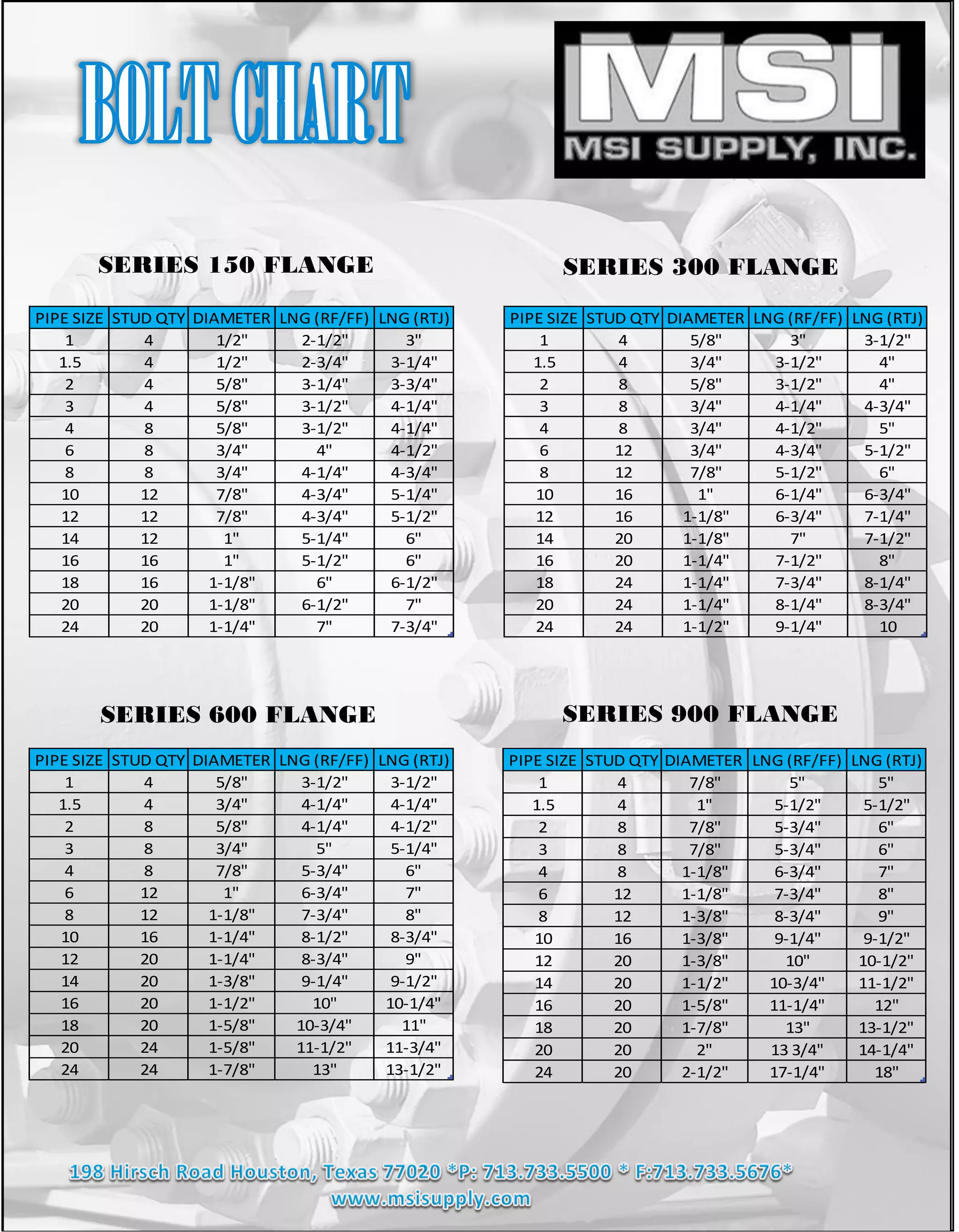
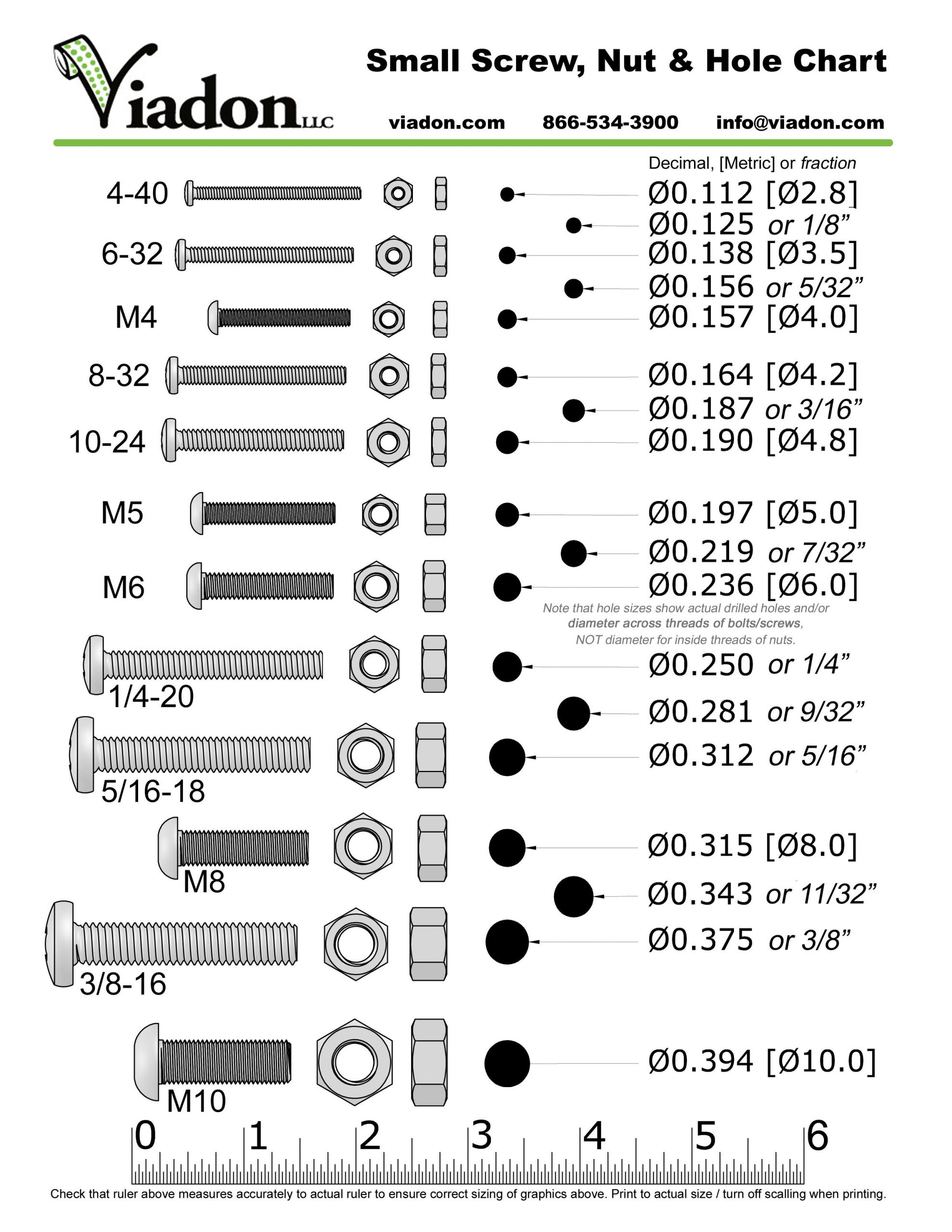
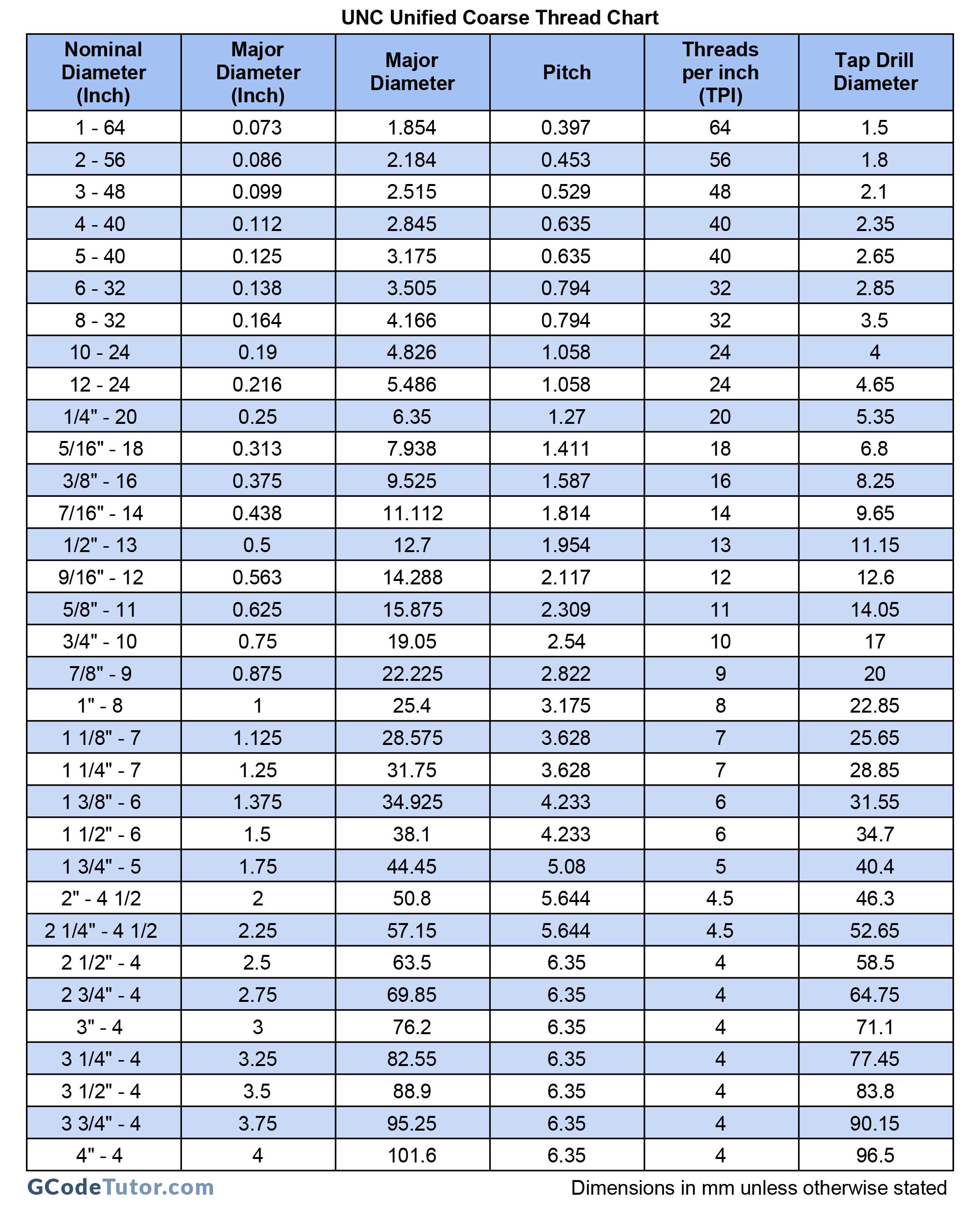
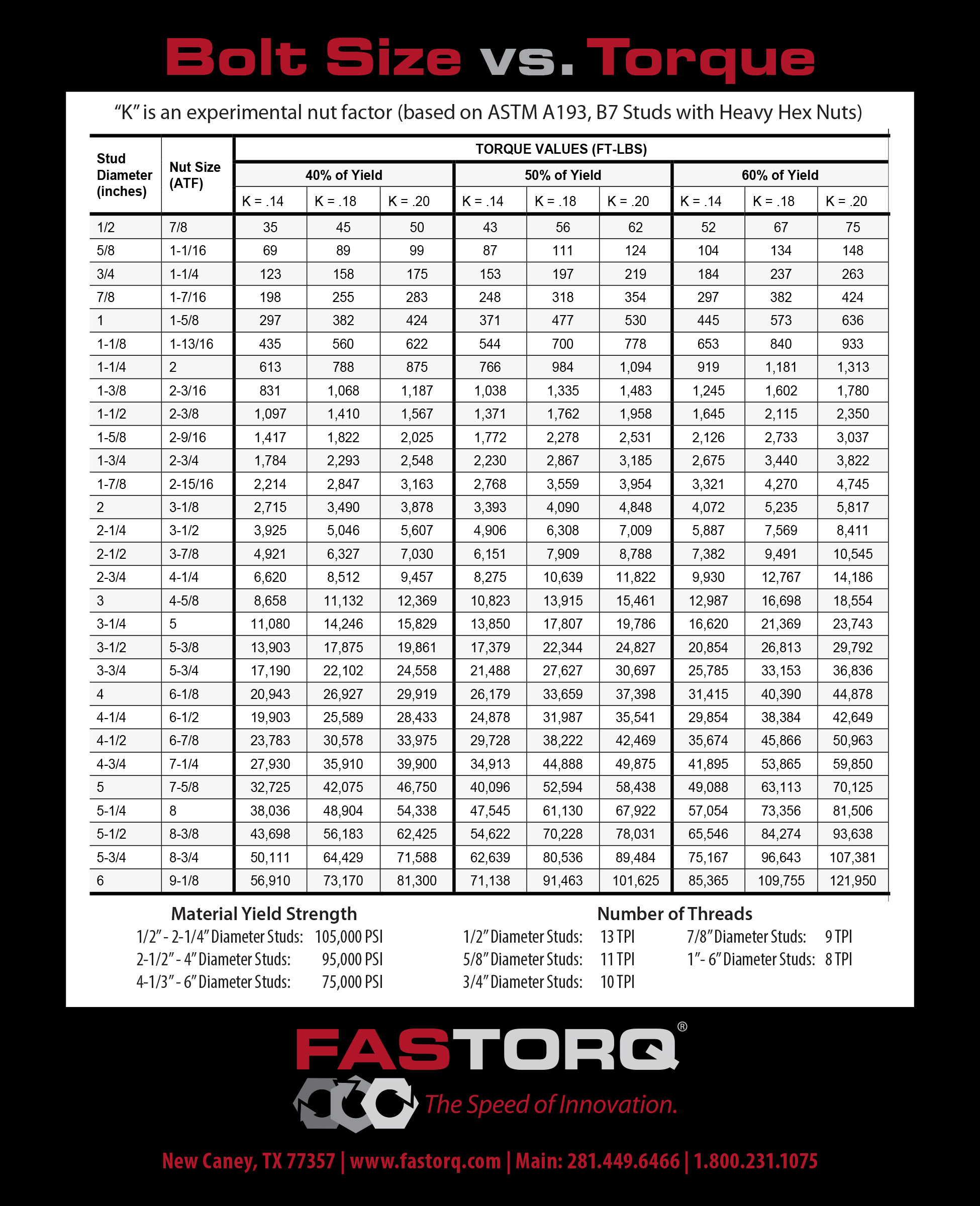
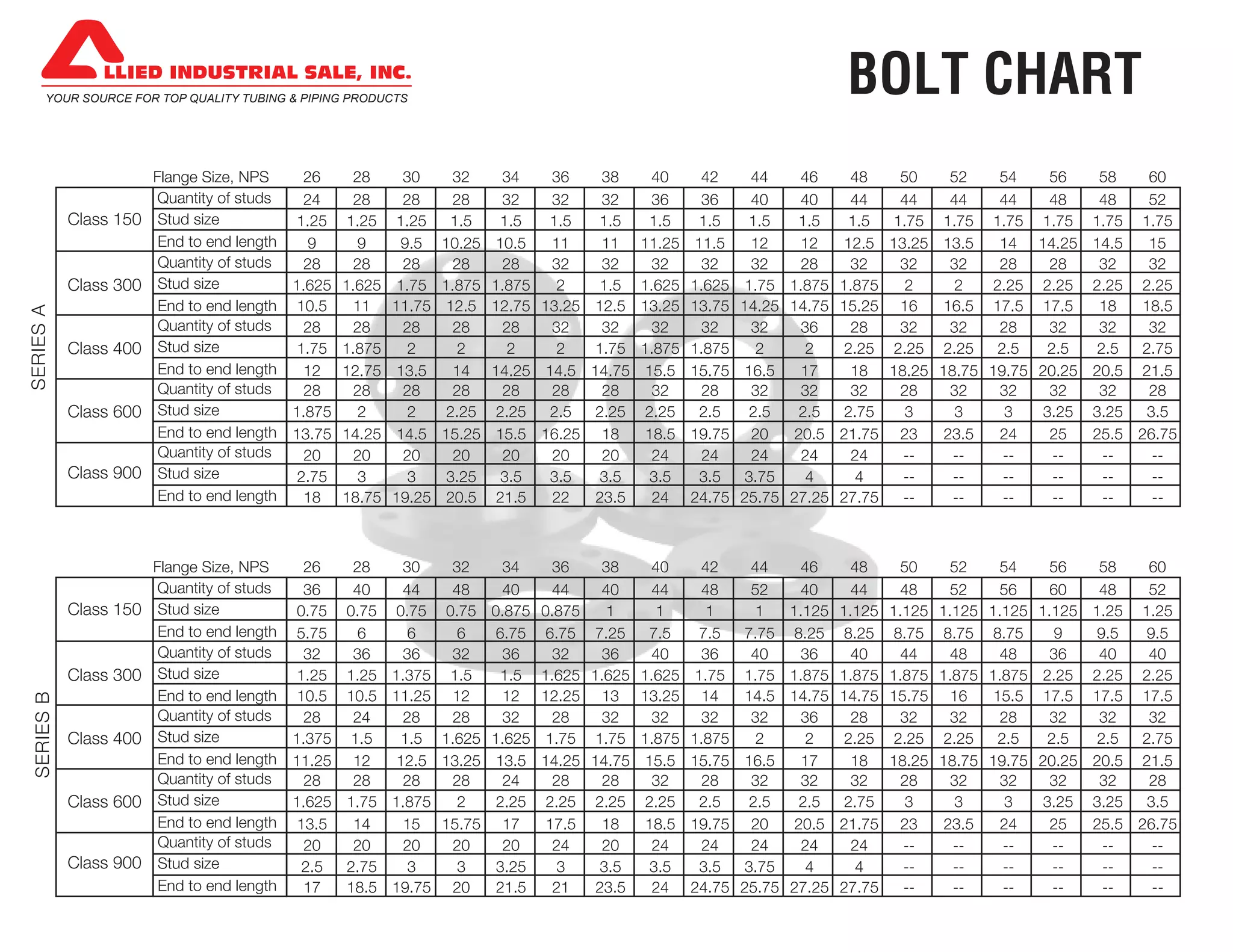
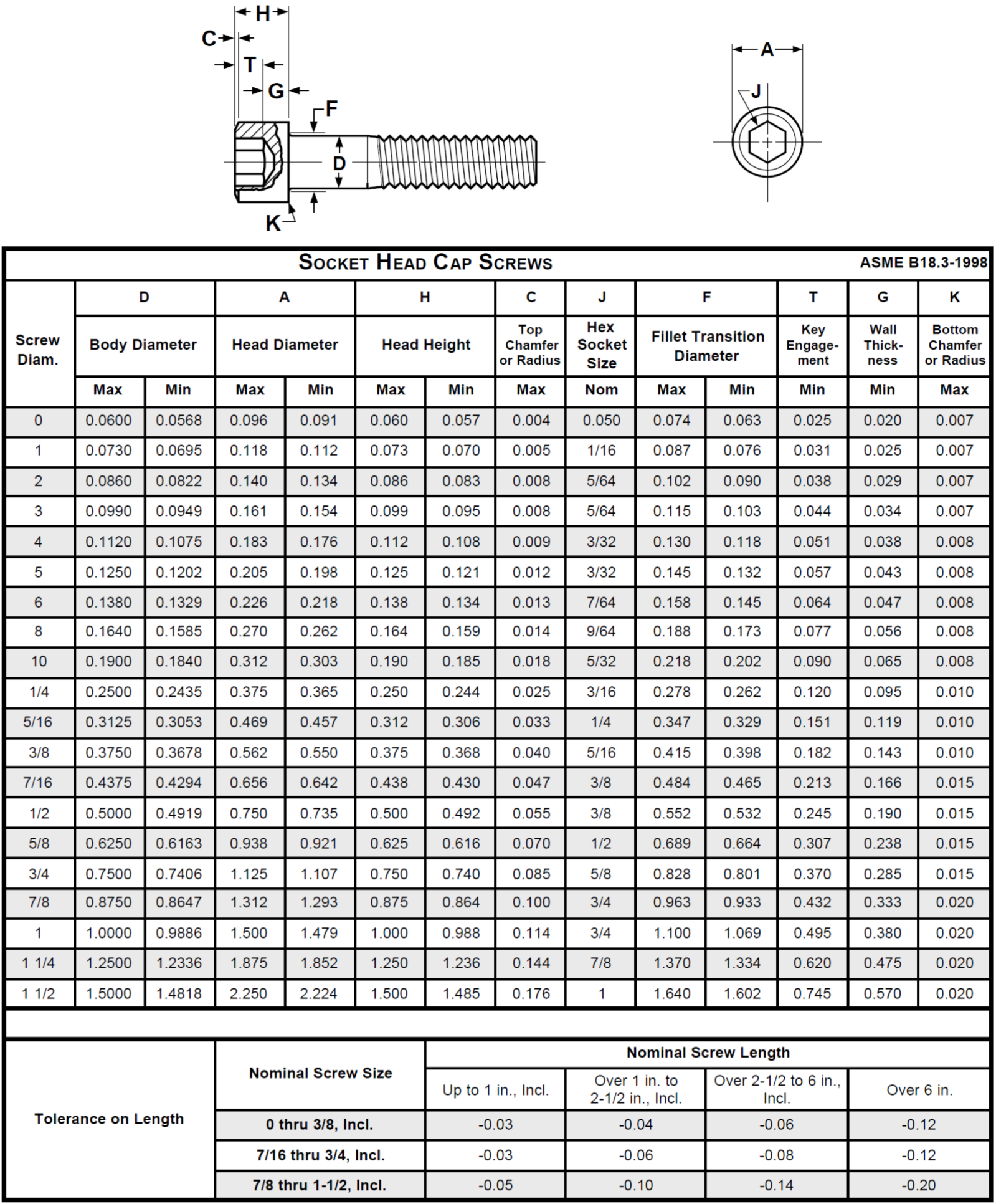
A bolt size chart is a handy tool for anyone working with bolts and fasteners. It's a simple yet effective way to ensure you're using the right size and type of bolt for your project. This guide will cover the basics of reading and using a bolt size chart, so you can tackle any fastening task with confidence.
These charts provide a quick reference for bolt dimensions, including length, diameter, and thread pitch. While the values may vary depending on the standard and region, a good chart will offer a clear and organized layout, making it easy to identify the bolt you need.
Understanding Bolt Size Charts
Bolt size charts are your practical guide to choosing the right bolt for any project. These charts provide a quick reference to help you match the bolt's size and specifications to your needs. It's like having a map to navigate the world of fasteners!
Key Details and Units
A bolt size chart typically includes essential information such as the bolt's diameter, length, thread pitch, and head type. These charts often follow specific standards, like the metric or imperial systems, so you'll find different charts for different regions and industries. The units used can vary, so it's crucial to know whether you're dealing with millimeters or inches.
Reading and Applying the Chart: A Step-by-Step Guide
- Start by identifying the bolt's primary purpose and the material it will fasten. This helps narrow down the options.
- Locate the diameter column on the chart. This is usually the first critical factor. Match the required diameter with the chart's values.
- Next, consider the length. The chart will provide a range of lengths for each diameter. Choose the length that best suits your project's needs.
- Thread pitch is the distance between threads. Different materials and applications may require specific thread pitches. Refer to the chart to select the appropriate pitch.
- Finally, identify the head type. Common head types include hex, socket cap, and flat. The chart will guide you on the available head types for your chosen diameter and length.
Variations and Differences
Bolt size charts can vary depending on the standard and the intended use. For instance, metric bolt sizes may have different thread pitches compared to imperial bolt standards. Additionally, specialized bolts for unique applications might have custom dimensions not found on standard charts. Always refer to the specific chart relevant to your project's needs.
Common Mistakes and How to Avoid Them
One common mistake is assuming all bolts are created equal. Different materials and applications require specific bolt dimensions. Always refer to the bolt size chart for the correct specifications. Another pitfall is ignoring the thread pitch. Using the wrong thread pitch can lead to stripped threads or poor fastening. Take the time to understand and select the right pitch.
Practical Tips for Accurate Results
When using a bolt size chart, always double-check the units. Mistakes can happen when converting between metric and imperial systems. Additionally, pay attention to the thread class, which indicates the thread's tolerance and fit. Using the wrong class can impact the bolt's performance and durability.
Double-Checking and Handling Exceptions
While bolt size charts are incredibly useful, they might not cover every edge case. For unique or specialized applications, it's best to consult the manufacturer's specifications. These can provide precise details and tolerances to ensure the bolt's performance and safety. Always err on the side of caution and double-check when dealing with critical applications.
Hey there! We've covered a lot of ground with this bolt size chart, and I hope it's given you a clear understanding of the basics. Remember, while the fundamentals remain the same, exact details might shift a little based on your specific situation or the standard you're working with.
So, the next time you're tackling a project and need a quick reference, feel free to bookmark this page. It's a handy tool to have in your back pocket, and you never know when you might need to size up those bolts!