

Homeschool Curriculum Christian Based Overview
A tread depth chart is a handy tool for anyone wanting to keep an eye on their tire health. It's a simple yet effective way to visualize and understand the wear and tear of your tires. This guide will show you how to read and interpret these charts, ensuring you can quickly identify when it's time to replace your tires.
The chart provides a clear indication of tire tread depth, often using visual aids or measurements, which can vary depending on the type of vehicle and region. It's an essential reference for keeping your vehicle safe and road-worthy, and we'll cover all you need to know to use it effectively.
Understanding Tread Wear: What's the Deal with Tread Depth Charts?
Tread depth charts are your go-to guides for keeping an eye on your tire's health. They show you the wear and tear of your tires, helping you stay safe and avoid unexpected breakdowns. These charts are like a map, guiding you through the life of your tires.
Comparing the Standards: Metric vs. Imperial
When it comes to tread depth charts, you'll often find two main standards: metric and imperial. The metric system, used internationally, measures tread depth in millimeters (mm). On the other hand, the imperial system, common in the US, uses inches. So, depending on where you are or the manufacturer's specifications, you'll need to know which standard to follow.
Reading Tread Depth: A Step-by-Step Guide
Using a tread depth chart is simple once you know how. Here's a quick guide:
- Find the right chart for your tire's specifications. This could be based on the tire's make, model, or the standard (metric or imperial) it follows.
- Locate the tread wear indicator bars on your tire. These are usually small raised bars across the tread pattern.
- Compare the depth of the tread grooves to the indicator bars. If the tread is level with or below the bars, it's time to consider replacing the tire.
- Check the tread depth chart for the corresponding depth measurement. This will give you an idea of how much tread life is left and whether it meets legal requirements.
Common Tread Depth Issues and How to Avoid Them
While tread depth charts are straightforward, there are a few potential pitfalls to watch out for:
- Tire rotation can affect tread wear patterns. Regularly rotating your tires according to the manufacturer's recommendations will help ensure even wear and a more accurate reading.
- Environmental factors like road conditions and driving habits can also impact tread wear. Be aware of these variables when interpreting your tread depth chart.
- Always double-check the specifications for your specific tire make and model. While tread depth charts provide a general guide, exact tolerances may vary.
Remember, staying on top of your tire's tread depth is crucial for safety and performance. By understanding and correctly using the tread depth chart, you can ensure your tires are always in top shape!
Hey there, tread depth chart enthusiasts! We hope you found this guide helpful and that it sheds some light on this practical reference tool. Remember, the specifics might differ slightly, as there are various standards and formats out there, so it's always good to double-check the source and your particular needs.
Feel free to explore our other guides; we've got plenty of practical tips and tricks to offer. Happy learning, and stay tuned for more!
Related: What is the Sileo Dosing Chart?
You've landed here, searching for a clear and concise resource, and the Sileo dosing chart is exactly that: a straightforward guide to ensure accurate dosing. This chart, a trusted tool for many, offers a visual representation of the recommended doses, often tailored to different weights and ages. It's a quick reference, ensuring you can administer Sileo with confidence, and it's designed to be user-friendly, with variations depending on regional standards and specific needs.
Understanding the Sileo Dosing Chart
The Sileo dosing chart is a valuable tool for determining the appropriate dosage of Sileo, a medication often used to treat specific conditions. This chart provides a clear and concise guide to ensure accurate dosing, especially when considering factors like weight and age.
Key Details and Categories
Before delving into the chart, it's essential to understand its structure. The Sileo dosing chart typically displays dosage information based on weight categories, usually in kilograms. These weight ranges are divided into common age groups, ensuring a tailored approach to dosing. The chart provides recommended doses in micrograms, offering precise guidance for each weight category.
Interpreting the Chart: A Step-by-Step Guide
- Identify the patient's weight. Ensure you have an accurate measurement, as this is the primary factor influencing the dose.
- Locate the corresponding weight category on the chart. These categories are often color-coded or labeled for easy identification.
- Within the selected weight category, find the recommended dose in micrograms. This value represents the ideal dosage for that specific weight range.
- Administer the medication as directed, following the dosage guidelines. It's crucial to adhere to the recommended dose to ensure safety and effectiveness.
Variations and Safety Considerations
While the Sileo dosing chart provides a standardized guide, variations may occur due to individual factors. Different regions or healthcare settings might have slightly different charts or guidelines, so it's important to refer to the specific chart relevant to your location. Additionally, certain conditions or patient characteristics might require adjustments to the standard dose, emphasizing the need for professional medical advice. Always consult with a healthcare provider to ensure the safe and effective use of Sileo.
Remember, while this dosing chart serves as a valuable tool, it's always a good idea to double-check the specific guidelines and recommendations relevant to your situation. The exact values and units might vary slightly across different contexts and standards, so it's essential to refer to the most appropriate resources for your needs.
Feel free to explore our collection of guides; we have a range of practical resources to help you navigate various topics with ease and confidence. Happy reading and learning!
Related: Find Your Perfect Tire Size: A Comprehensive Chart
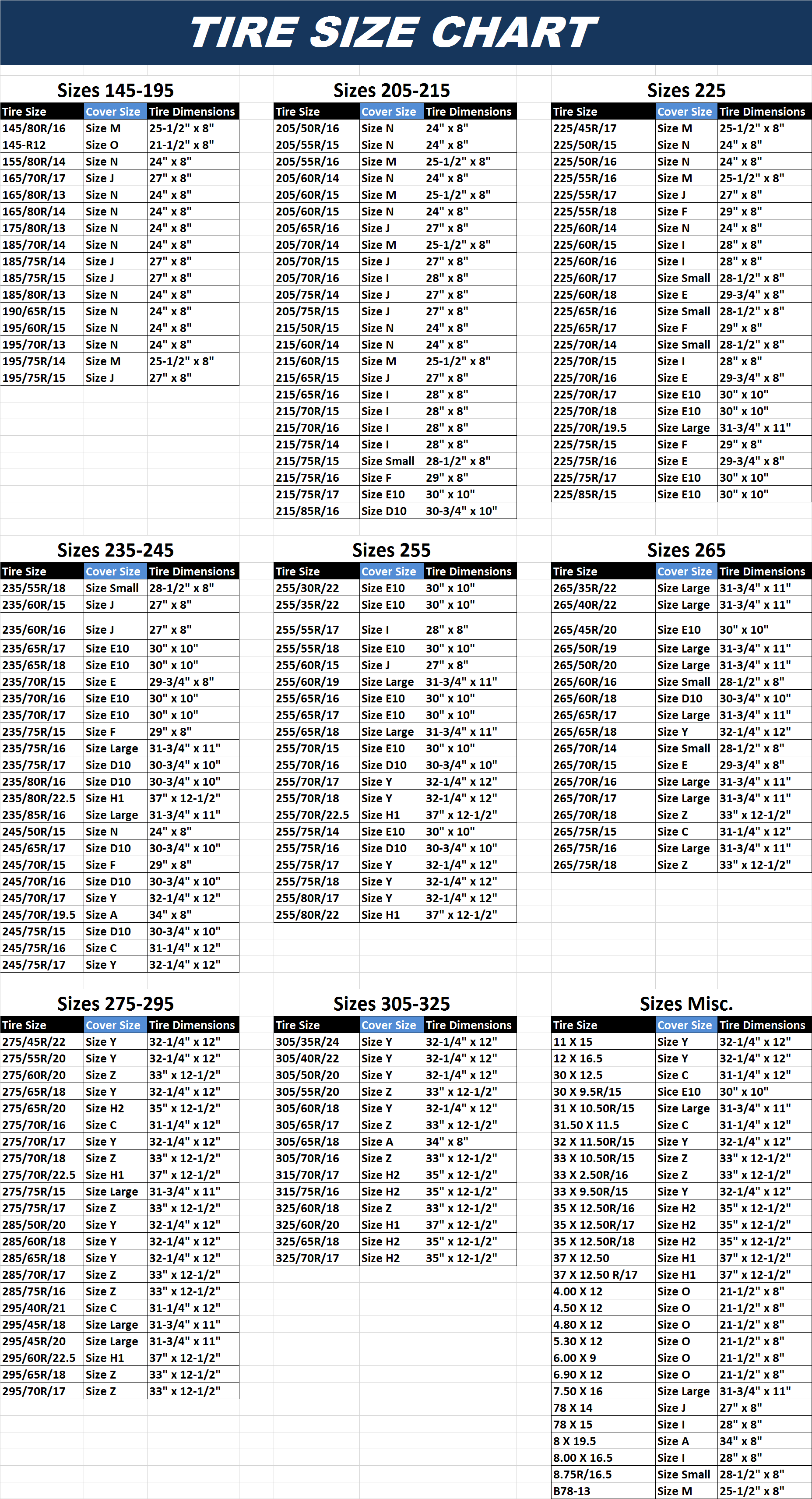
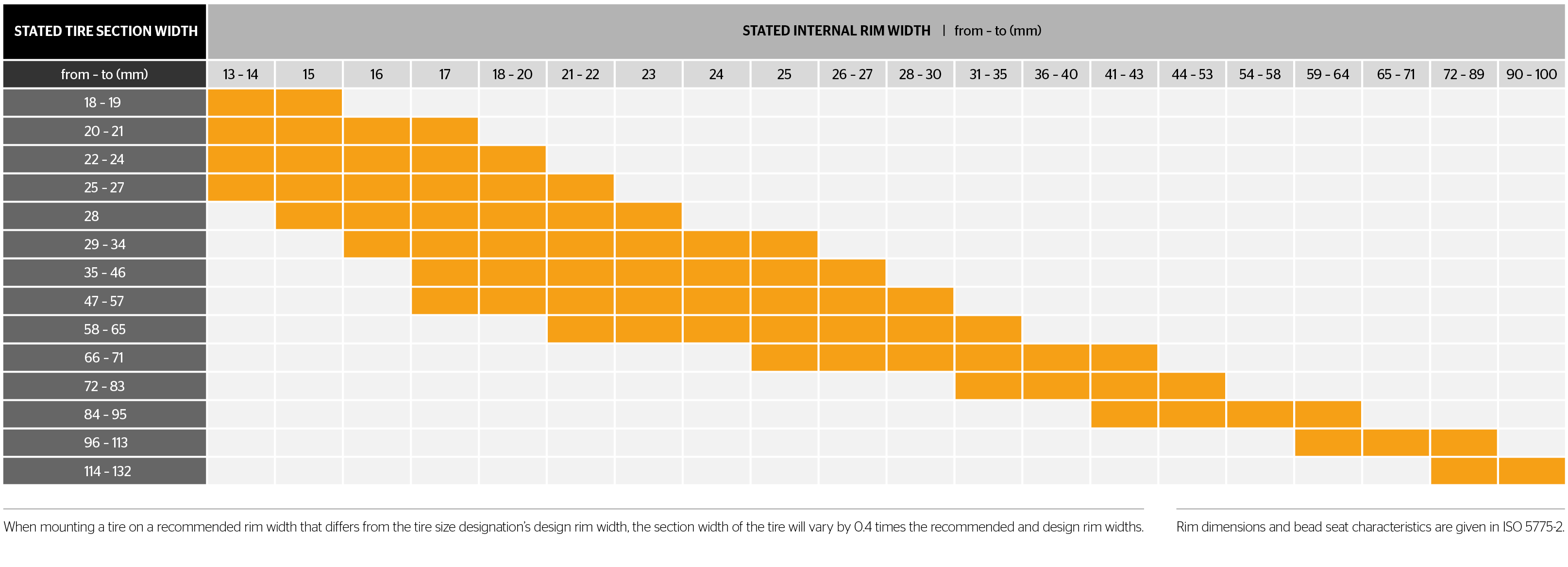
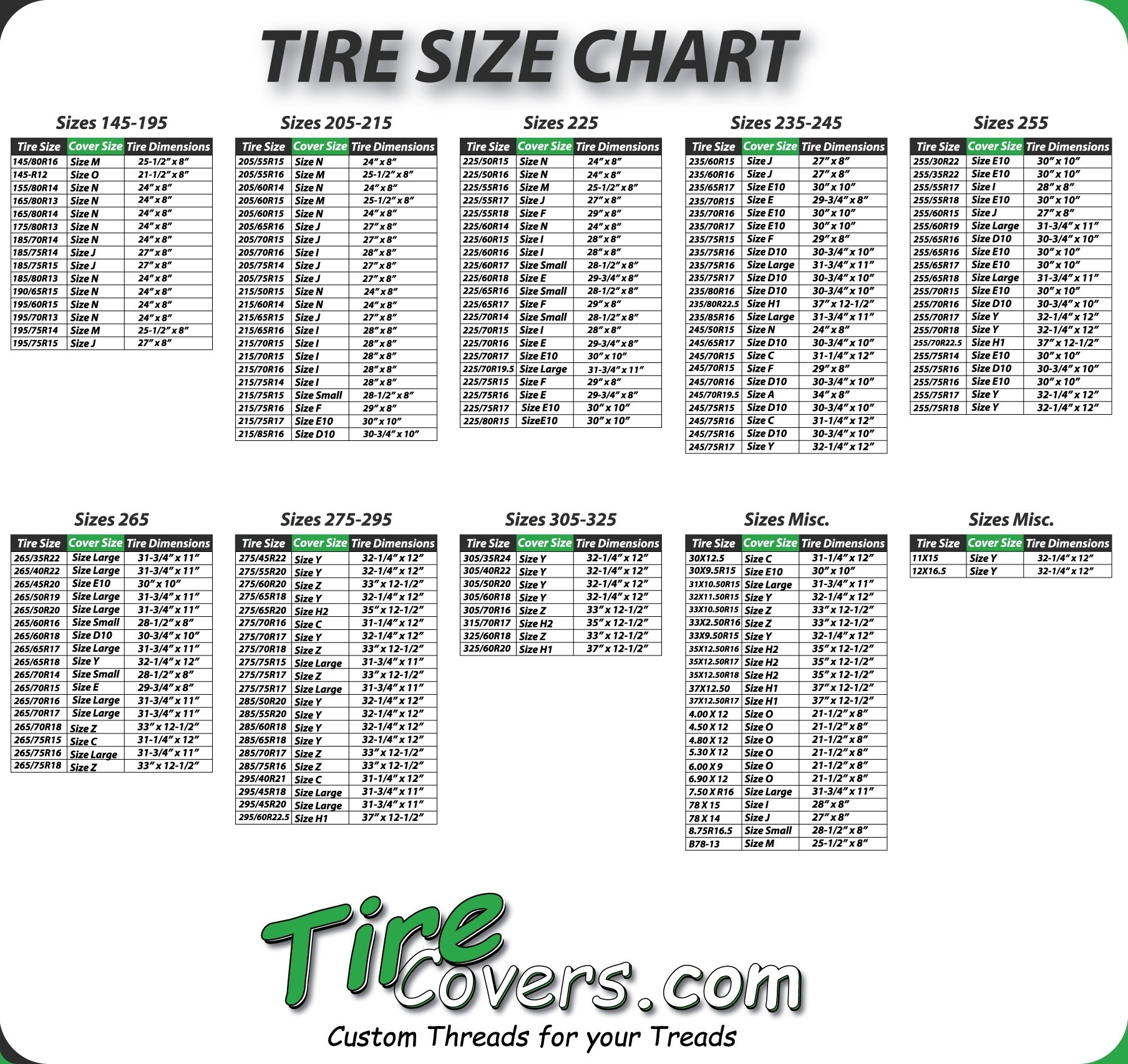
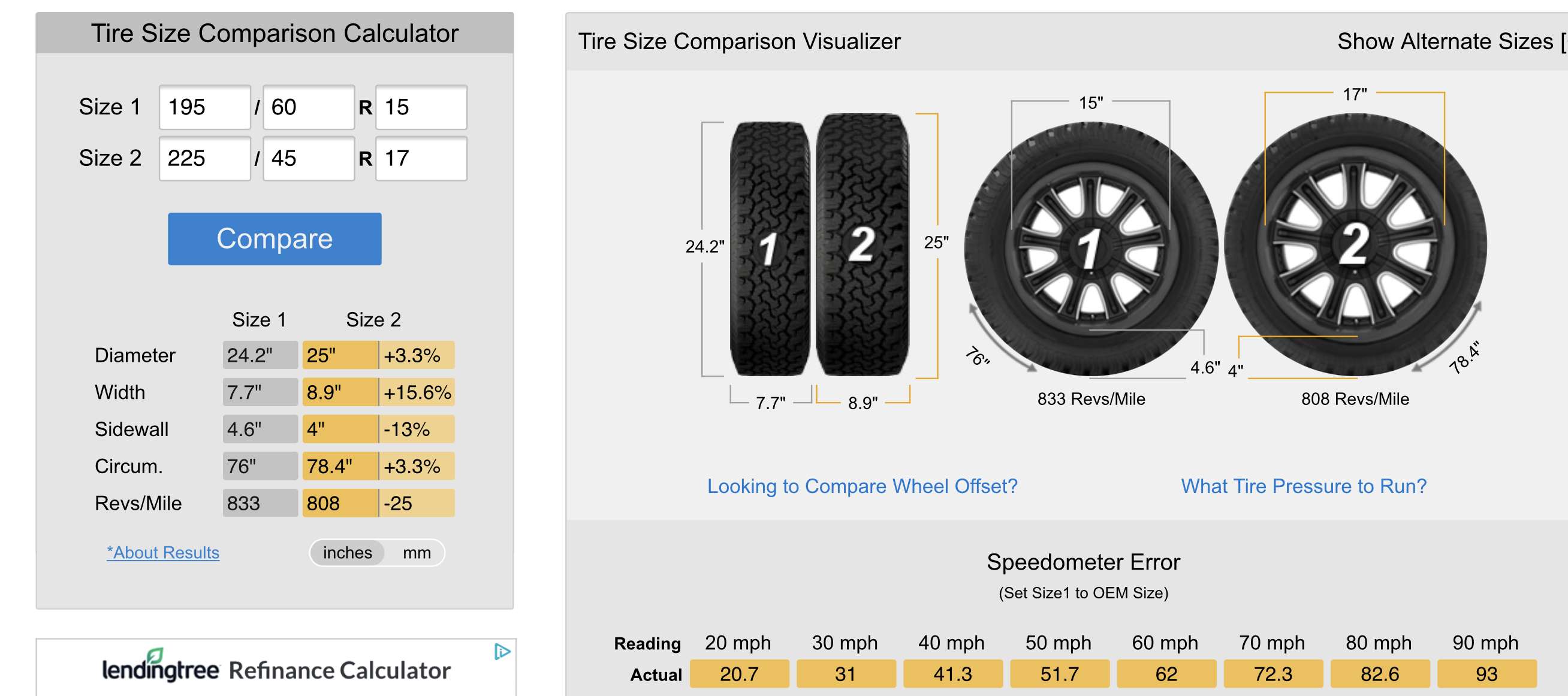
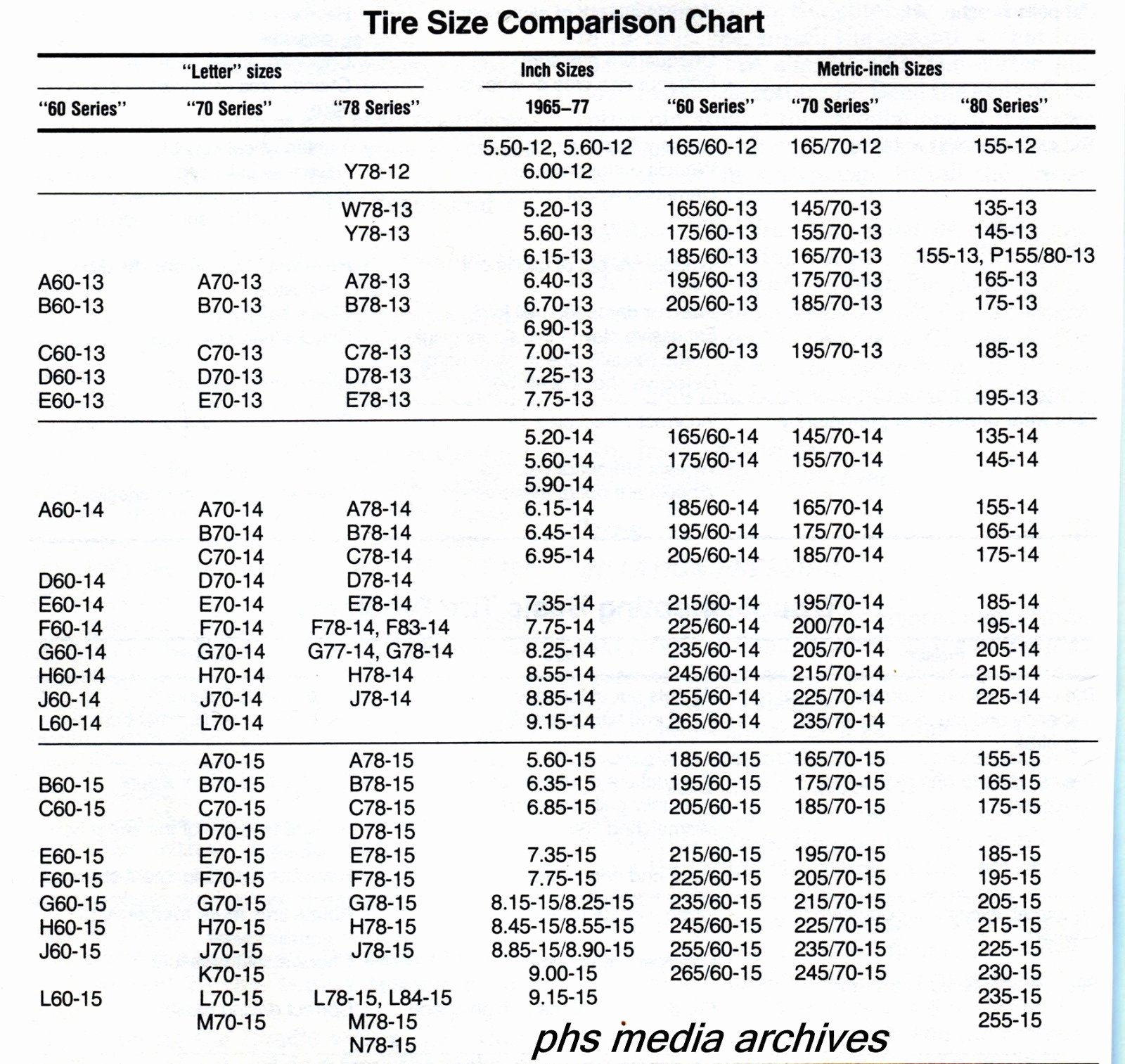
Finding the right tire size can be a straightforward process with the right tools. A tire size chart is an essential reference, offering a clear overview to help you make an informed decision. This chart, a simple yet powerful tool, provides a quick and reliable way to match your needs with the right tire specifications. From tire diameter charts to rim size guides, these resources offer a comprehensive view, ensuring you find the perfect fit for your vehicle.
Understanding Tire Size Charts: A Quick Overview
A tire size chart is an essential tool for anyone dealing with tires, offering a comprehensive guide to tire dimensions and specifications. It provides a clear, visual representation of various tire sizes, helping you make informed choices for your vehicle.
Comparing Tire Size Chart Standards and Formats
There are different standards and formats for tire size charts, primarily the metric tire size chart and the one based on imperial units. The metric system is widely used internationally, while the imperial system is more common in the US. These charts may also vary based on the tire manufacturer's specific guidelines.
Practical Guide to Reading Tire Size Charts
To use a tire size chart accurately, follow these steps:
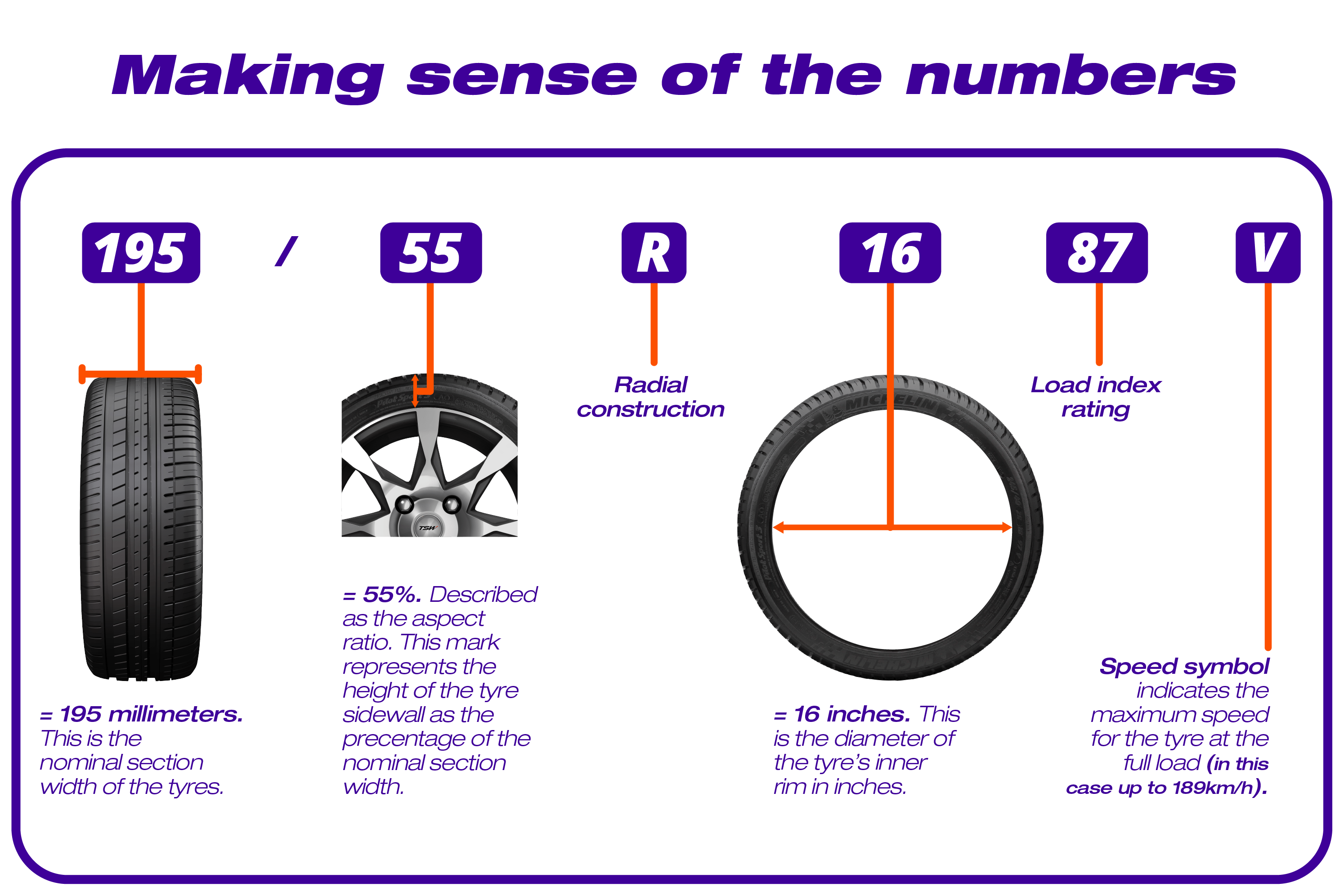
Identify the tire size code on your existing tire. This code typically starts with a letter (e.g., P for passenger vehicle) followed by numbers indicating the width in millimeters, aspect ratio, and rim diameter in inches.
Locate the corresponding size on the chart. Most charts are organized with tire width on one axis and aspect ratio on the other, with rim sizes indicated along the edges.
Cross-reference the size code with the chart to find the tire's diameter, load index, and other relevant specifications.
Ensure the tire size you choose is compatible with your vehicle's make and model, as well as the intended use (e.g., off-road vs. highway driving).
Common Misreadings and How to Avoid Them
Tire size charts can be misinterpreted if you confuse the tire width with the rim size. Always check the chart's labels to ensure you're reading the correct values.
Aspect ratio, which represents the tire's sidewall height, is often misunderstood. It's a percentage of the tire width, not an absolute value.
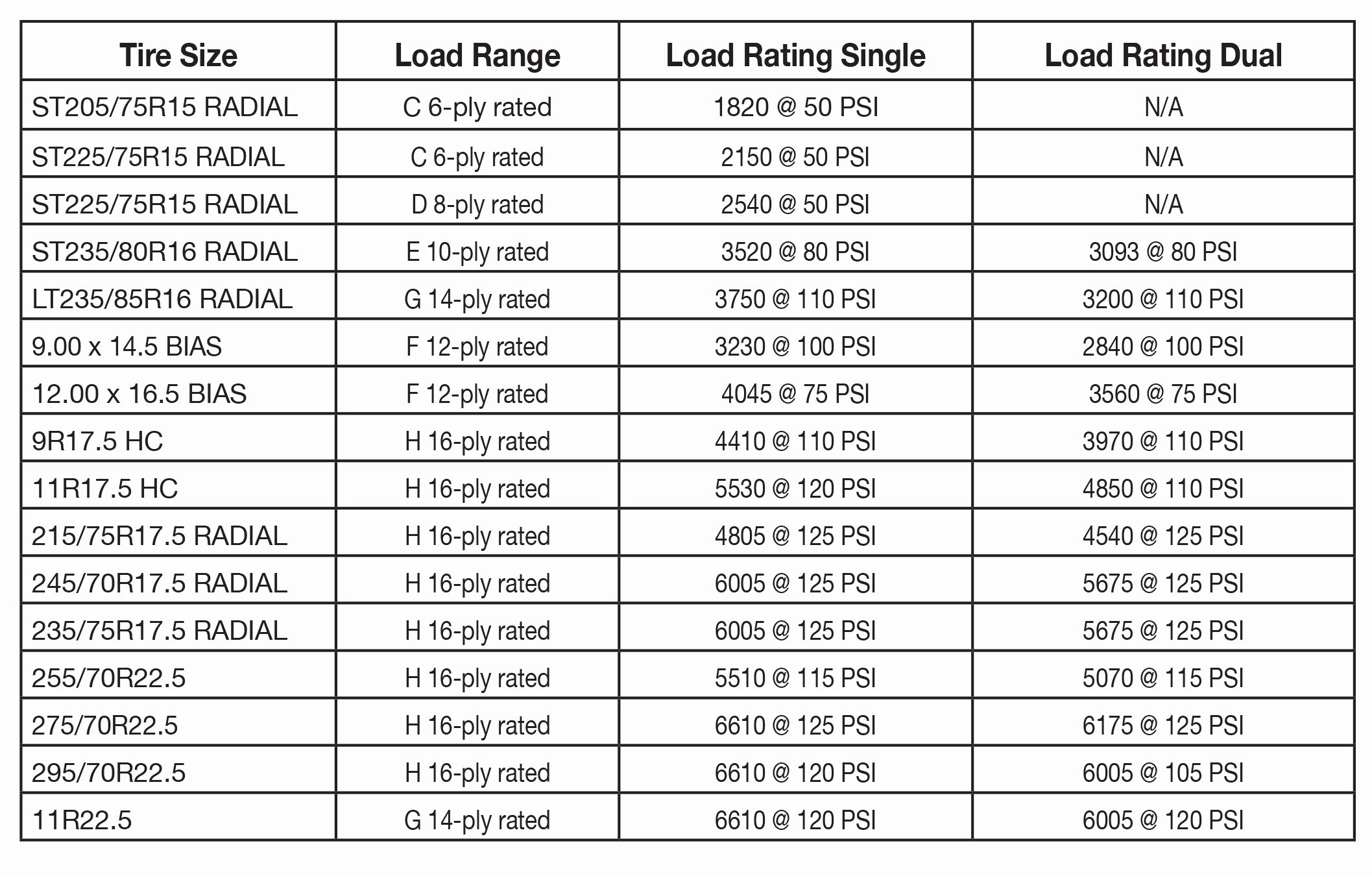
Load index, indicating the maximum weight a tire can carry, is another critical specification. Ensure you understand the load index range for your vehicle and choose tires within this range.
Remember, while tire size charts provide valuable guidance, they may not cover every possible variation. Always double-check exact specifications, especially when dealing with specialized tires or unique vehicle requirements.
While the chart provides a comprehensive guide, it's important to remember that tire sizing can have slight variations, so always double-check the specifics for your vehicle. These details might differ based on your region and the tire manufacturer's standards.
Feel free to explore our other guides for more practical tips and insights. We've got a range of topics covered, so you can find the information you need to make informed decisions. Happy reading!