








Homeschool Curriculum Ireland Overview
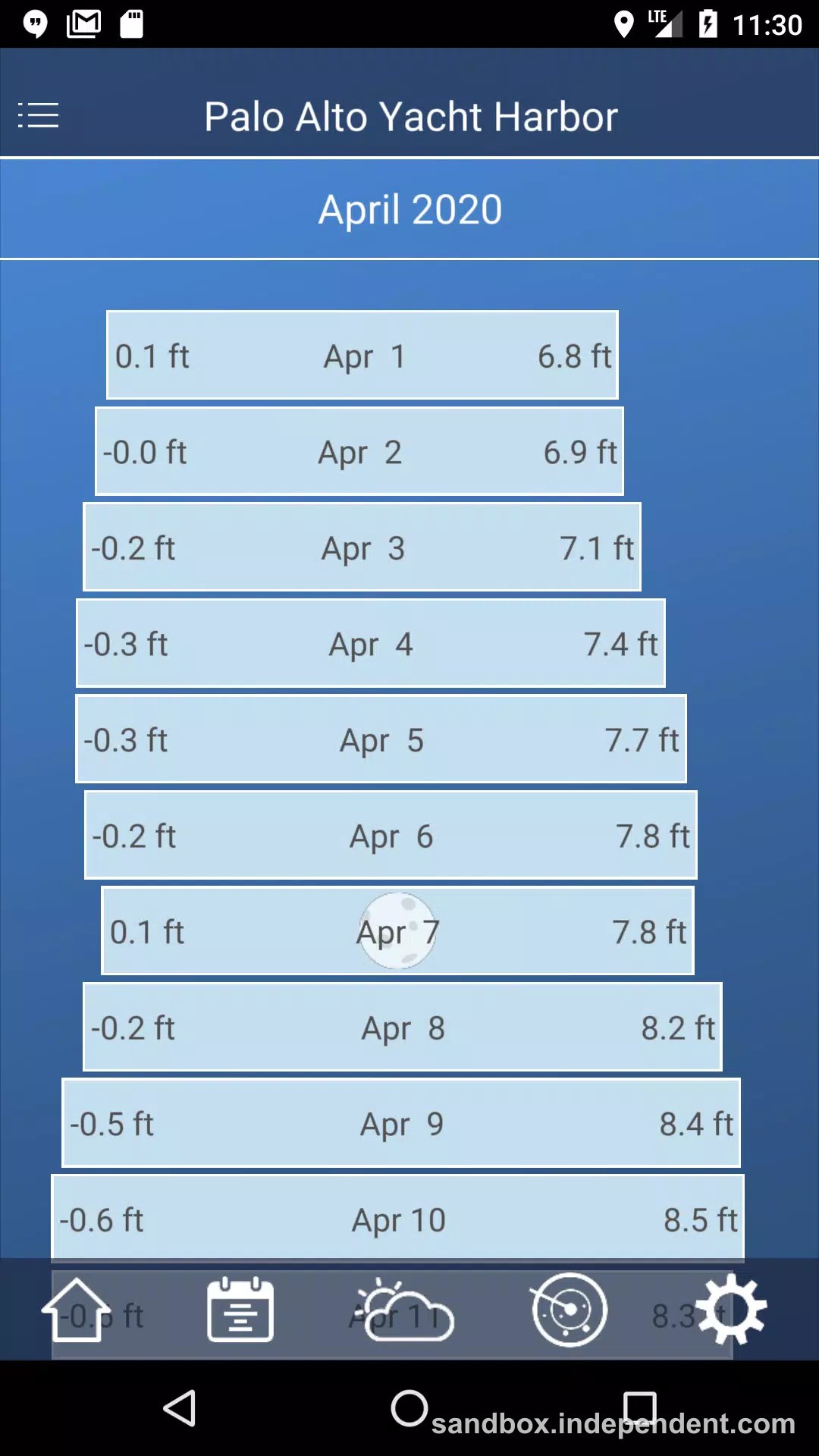
A Hilo tide chart is a handy tool for anyone wanting to plan their coastal adventures or understand the ocean's rhythm. This guide will walk you through the basics, ensuring you can read and use these charts with confidence.
The charts provide a snapshot of tide times and heights for a specific location, like Hilo, Hawaii. You'll find these resources invaluable for planning activities like surfing, fishing, or even just a beach stroll, as they offer a quick reference to the Pacific Ocean's tides.
Understanding Hilo Tide Charts
A Hilo tide chart is a valuable tool for anyone interested in exploring the beautiful Hawaiian island of Hilo. It provides a visual representation of the daily tide cycles, offering insights into the rise and fall of the ocean's waters. By understanding this chart, you can plan your beach days, water activities, and even fishing trips with ease.
Key Details and Categories
The Hilo tide chart typically displays two main categories: tide heights and times. Tide heights are represented in feet and indicate how high or low the tide will be at a specific moment. You'll see values like 0 feet (low tide) or 6 feet (high tide). The times are given in 24-hour format, showing the exact hour and minute when the tide reaches its peak or lowest point.
Reading Tide Graphs Step-by-Step
To read a Hilo tide chart, follow these simple steps:
Identify the date and time range covered by the chart. This information is usually displayed at the top or bottom of the graph.
Locate the vertical axis, which represents tide heights in feet. The higher the value, the higher the tide.
Find the horizontal axis, showing the 24-hour time scale. Each hour is marked, making it easy to identify specific times.
Look for the tide's high and low points, indicated by peaks and troughs on the graph. These represent the highest and lowest tide heights during the period covered by the chart.
Note the times corresponding to these high and low points. This information is crucial for planning activities that depend on specific tide conditions.
Common Tide Patterns and Variations
Tide patterns can vary depending on several factors. While the Hilo tide chart provides a general guide, certain natural phenomena can cause deviations:
Moon Phases: The moon's gravitational pull significantly influences tides. During full and new moon phases, tides tend to be more extreme, resulting in higher high tides and lower low tides.
Weather Conditions: Storms and strong winds can impact tide levels. High winds may push water towards the shore, causing higher tides, while calm weather might result in more moderate tides.
Seasonal Changes: Tides can also vary with the seasons. In some regions, winter tides might be higher due to increased rainfall and runoff, while summer tides might be lower due to drier conditions.
Avoiding Common Mistakes
To ensure accurate readings from your Hilo tide chart, avoid these common mistakes:
Time Zone Confusion: Always ensure you're using the correct time zone when referring to the chart. Hilo operates on Hawaii-Aleutian Standard Time (HST), so double-check your device's settings to avoid any confusion.
Failing to Account for Weather: While the chart provides a general guide, it's essential to consider current weather conditions. Strong winds or storms can cause unexpected changes in tide levels.
Neglecting Moon Phases: Don't forget the influence of the moon. During full or new moon phases, tides can be more extreme, so plan your activities accordingly.
Practical Tide Tips for Accurate Results
For the most accurate use of your Hilo tide chart, consider these practical tips:
Check Multiple Sources: While the chart is a reliable guide, cross-referencing with other tide resources or apps can provide additional insights and confirm the accuracy of the data.
Consider Tidal Currents: Tides not only affect water levels but also create strong currents. Be mindful of these currents, especially when swimming or boating, as they can be unpredictable.
Plan Ahead: When organizing activities that depend on specific tide conditions, plan well in advance. This allows you to account for potential variations and ensure a successful outing.
Remember, the Hilo tide chart is a valuable tool, but it's always wise to stay informed about current conditions and potential variations. Enjoy your time exploring the beautiful shores of Hilo!
Hey there! We've covered a lot of ground with the Hilo tide chart, and I hope it's given you a clear understanding of this practical tool. Remember, while the basics remain the same, exact details can differ slightly, so it's always good to double-check and adapt to your specific needs.
Feel free to explore other guides on similar topics; there's always more to discover and learn. And don't forget to bookmark this page for future reference—it's a handy resource to have at your fingertips!
Related: Understand Teeth Color Chart: A Quick Guide
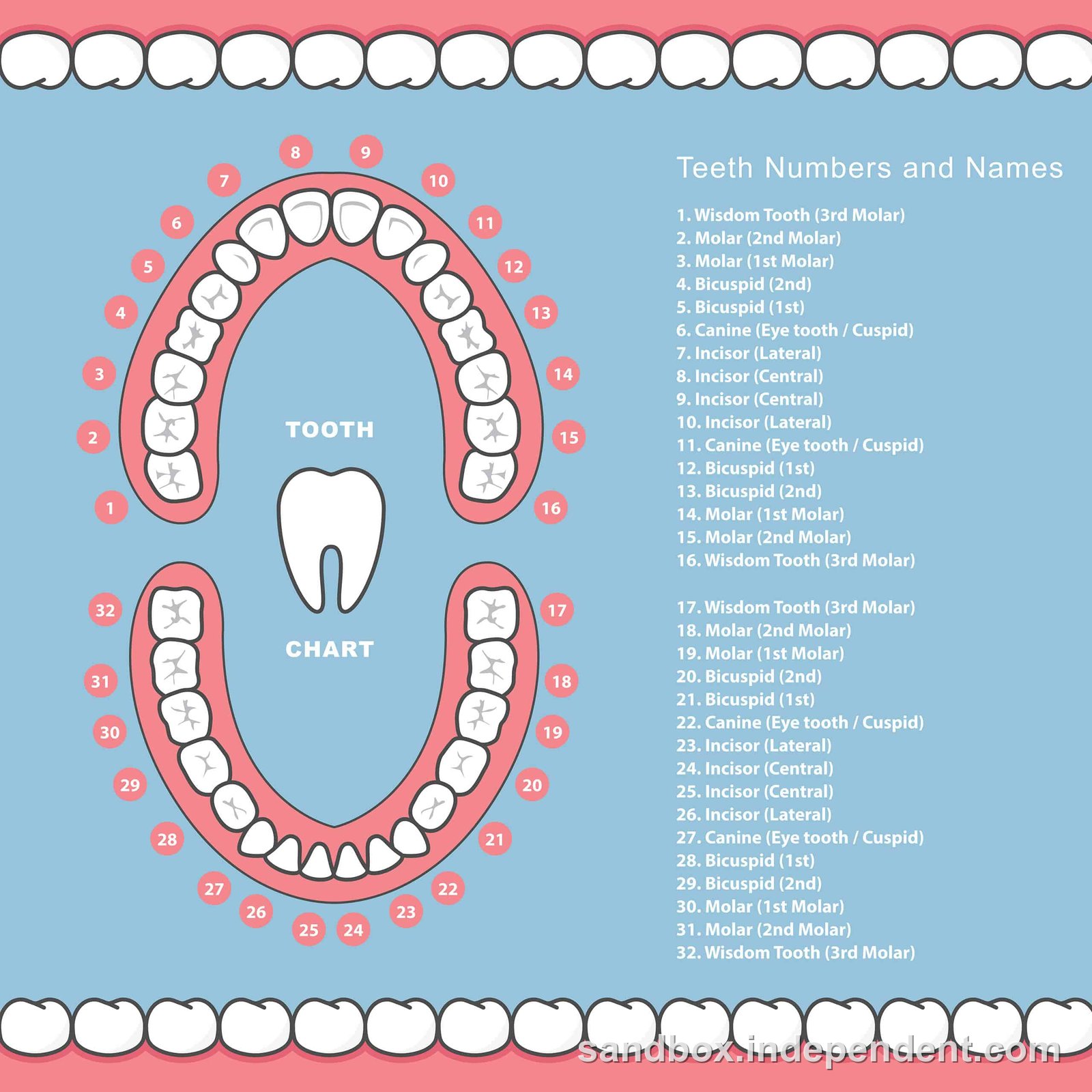
A teeth color chart is a handy tool for anyone seeking a quick and accurate way to assess and match tooth shades. This guide will walk you through the basics, covering what these charts are and how to use them effectively.
These charts, often in the form of a simple table or visual guide, provide a reference for tooth shade comparison. While the specific values and formats may vary, the concept remains the same: an easy-to-read resource for dental shade matching.
What is a Teeth Color Chart?
A teeth color chart is a visual guide that helps dental professionals and patients understand and communicate tooth shade accurately. It provides a standardized reference for comparing and matching tooth colors, ensuring consistency in dental procedures and treatments.
Key Details and Categories
The chart typically consists of a range of tooth shades, often organized in a grid or tabulated format. Each shade is represented by a unique code or label, making it easy to identify and communicate. The shades are usually based on a recognized standard, such as the Vitapan Classical Shade Guide, which is widely used in dentistry. This guide categorizes tooth colors into various groups, with each group further divided into sub-shades, providing a comprehensive and precise color reference.
Reading and Applying the Teeth Color Chart
To use the teeth color chart effectively, follow these steps:
- Prepare the teeth for shade matching by cleaning and drying them thoroughly. Natural light or specialized lighting can enhance color accuracy.
- Compare the patient's teeth with the shades on the chart. Hold the chart close to the teeth and observe the color match.
- Identify the closest shade match. Consider the overall color and any subtle variations.
- Confirm the shade with the patient and document it for future reference.
- Repeat the process for multiple teeth if needed, ensuring consistency across the dental arch.
Understanding Shade Variations
Shade variations can occur due to several factors. Natural tooth color can differ based on genetics, age, and lifestyle factors like diet and oral hygiene. External factors like staining from food, drinks, or tobacco can also impact tooth color. Additionally, lighting conditions and the observer's perception can influence shade matching. It's essential to consider these variables when using a teeth color chart to ensure accurate results.
Common Mistakes and How to Avoid Them
When working with a teeth color chart, it's crucial to avoid these common pitfalls:
- Relying solely on memory: Always refer to the chart for an accurate shade match. Avoid guessing or relying on past experiences.
- Inconsistent lighting: Ensure consistent lighting conditions to minimize errors. Natural daylight or specialized dental lighting is recommended.
- Neglecting patient feedback: Involve the patient in the shade selection process. Their perception and feedback are valuable for an accurate match.
- Overlooking oral health: Ensure the teeth are clean and free from debris or stains before shade matching.
- Using outdated charts: Keep your teeth color chart up-to-date to reflect the latest standards and shades. Regularly check for new versions or updates.
Well, there you have it! A teeth color chart is a handy tool, and now you know how to navigate it like a pro. Remember, the exact shades and values might differ slightly depending on the source or standard, so always double-check.
Feel free to explore other guides on our site for more practical tips and tricks. We've got you covered with a range of topics, so take a look and discover something new!
Related: Construction Industry Sustainability Essential Guide
Construction industry sustainability is a buzzword these days, but it's more than just a trend. It's about building a better future, literally and figuratively. So, let's break it down and see what it's all about.
Building a Greener Future
Construction industry sustainability is all about creating a more environmentally friendly and socially responsible approach to building. It's not just about the end result, but the entire process, from design to completion. By adopting sustainable practices, the construction industry aims to reduce its environmental impact and create a more sustainable world.
This means considering the long-term effects of construction projects and finding ways to minimize waste, conserve resources, and promote energy efficiency. It's about using materials that are eco-friendly, durable, and locally sourced whenever possible. Sustainable construction also involves thinking about the well-being of workers and the community, ensuring fair practices and minimizing disruptions.
Practical Steps for a Sustainable Build
So, how can you ensure your construction project is sustainable? Here are some key considerations:
Materials: Opt for sustainable and recycled materials. Look for certifications like LEED or Energy Star to guide your choices. Consider the lifespan and maintenance needs of materials to reduce future costs and environmental impact.
Energy Efficiency: Focus on insulation, efficient HVAC systems, and smart design to minimize energy consumption. Proper insulation and energy-efficient appliances can significantly reduce a building's carbon footprint.
Waste Management: Implement a waste reduction plan. Separate and recycle construction waste, and consider donating or reusing materials where possible. Proper waste management not only benefits the environment but can also save costs.
Water Conservation: Install water-efficient fixtures and consider rainwater harvesting systems. These practices can reduce water usage and lower utility costs.
Green Spaces: Incorporate green roofs or walls to improve air quality, reduce urban heat, and provide habitat for local wildlife. Green spaces also enhance the aesthetic appeal of a building.
Choosing the Right Contractor
When hiring a contractor, sustainability should be a key factor. Ask about their experience with sustainable practices and their commitment to environmental initiatives. Look for certifications or memberships with green building organizations. Ensure they have a track record of successful sustainable projects.
Get detailed quotes that break down costs and materials. Compare quotes, but remember, the cheapest option might not always be the most sustainable or reliable. Ask for references and check their past work to ensure they deliver on their promises.
The Future of Construction
Construction industry sustainability is not just a passing trend; it's a necessary evolution. As the industry adapts, we can expect to see more innovative materials, efficient technologies, and a greater focus on renewable energy integration.
Large construction firms are already leading the way with ambitious sustainability goals and innovative projects. However, small and medium-sized businesses are also crucial to this movement, as they can adapt quickly and bring sustainable practices to a wider range of projects.
So, whether you're planning a home renovation or a large-scale development, consider the long-term benefits of construction industry sustainability. It's an investment in our planet's future and a step towards a more responsible and resilient industry.