





Homeschool Curriculum Oklahoma Overview
A lexile score chart is a handy tool that simplifies the process of understanding reading levels and text complexity. This guide will provide you with a straightforward overview, ensuring you can navigate and utilize these charts effectively.
The chart acts as a visual guide, offering a quick reference for determining the difficulty of books and texts. While the specific values and formats may vary depending on the context and region, the core purpose remains the same: to provide a lexile measure, helping readers find suitable materials and track their reading progress.
Understanding Lexile Scores: A Quick Overview
The lexile score chart is a valuable tool for educators, parents, and readers to understand and match reading abilities with appropriate text complexity. It provides a simple, standardized way to measure and communicate reading levels, making it easier to select books that are neither too easy nor too challenging.
Comparing Lexile Levels and Text Complexity
The chart presents a range of lexile measures, typically from beginner levels like 0L to advanced levels exceeding 1700L. These scores indicate the text's complexity, considering factors like sentence length, word frequency, and syntax. Higher lexile scores mean more challenging texts, suitable for advanced readers.
Selecting Appropriate Texts: A Step-by-Step Guide
- Identify the reader's current lexile level. This can be done through standardized tests or by assessing their reading abilities.
- Use the lexile score chart to find the corresponding lexile range. For instance, a reader with a lexile level of 800L would fall within the range of 750L to 900L.
- Select books or materials within this range. You can use online lexile finders or check the lexile level on the book's cover or inside flap.
- Adjust as needed. If the reader finds the text too easy or too hard, consider books at the higher or lower end of the range.
Common Misconceptions and How to Avoid Them
One pitfall is assuming that higher lexile levels always indicate better reading ability. While it's true that more advanced readers will have higher lexile scores, it's essential to remember that reading ability is not solely determined by lexile level. Other factors, like reading speed, comprehension, and personal interest, also play a role.
Factors Affecting Accuracy and Real-World Use
Several variables can impact the accuracy of lexile scores and their real-world application. These include the reader's age, prior knowledge of the subject, and personal reading goals. For instance, a young reader with a high lexile level might still prefer easier books for recreational reading. Additionally, the lexile framework may not capture the complexity of certain genres or formats, like poetry or graphic novels. It's crucial to consider these factors when using the lexile score chart to ensure a well-rounded and enjoyable reading experience.
Well, there you have it! A handy lexile score chart can be a powerful tool, but it's essential to remember that these scores are just a guide. Each person's reading journey is unique, so ensure you tailor your approach to suit your goals and interests.
Before you go, take a moment to ensure you've considered your specific needs. These charts provide a great starting point, but the exact values may differ slightly depending on the source. Bookmark this page for a quick reminder, and you'll always have a helpful reference at your fingertips!
Related: Cat Poop Chart: Your Quick Reference Guide
You're likely here because you've heard of the cat poop chart and are curious about what it entails. Perhaps you're a pet owner seeking a quick reference guide to understand your cat's health or maybe you're a veterinary professional looking for a reliable tool. This chart, also known as the feline stool scoring system, offers a simple yet effective way to monitor a cat's well-being. It provides a visual representation, often with a color-coded guide, to assess the consistency and color of cat feces, which can indicate potential health issues. While the specific values and formats may vary, the cat poop chart serves as a valuable resource for anyone seeking a straightforward method to keep an eye on their cat's health.
Understanding the Cat Poop Chart: A Practical Guide
The cat poop chart, also known as the feline stool scoring system, is a valuable tool for cat owners and veterinary professionals. It provides a visual guide to assess the consistency and overall appearance of cat feces, offering insights into a cat's digestive health. This chart is an essential reference for monitoring and maintaining your feline friend's well-being.
Comparing Chart Formats and Standards
There are several versions of the cat poop chart available, each with its own set of categories and standards. The most common formats include a 7-point scale and a 5-point scale. The 7-point scale provides a more detailed assessment, covering a broader range of stool consistencies, from very firm to liquid diarrhea. The 5-point scale is a simplified version, focusing on the key variations in stool appearance. Both formats are widely used and offer accurate assessments when applied correctly.
Step-by-Step Guide to Using the Chart
Using the cat poop chart is a straightforward process:
- Collect a fresh sample of your cat's feces. Ensure it is intact and not contaminated.
- Refer to the chart and identify the closest match to the sample's consistency and appearance.
- Note the corresponding score or category on the chart.
- Interpret the score: a lower score indicates healthier, well-formed stools, while higher scores may suggest digestive issues.
- Repeat this process regularly to monitor any changes over time.
Avoiding Misinterpretations and Pitfalls
While the cat poop chart is a reliable tool, misinterpretations can occur. Here are some common mistakes to avoid:
- Relying solely on color: The chart considers overall consistency and texture, so focus on these aspects rather than just color.
- Ignoring other symptoms: Changes in stool consistency may indicate an underlying issue. Observe your cat for any other signs of illness or discomfort.
- Overinterpreting: Remember, the chart is a guide. If you have concerns, consult a veterinarian for a professional assessment.
Key Factors Affecting Accuracy
Several factors can influence the accuracy of your assessment using the cat poop chart:
- Diet: Changes in your cat's diet can impact stool consistency. Ensure a consistent, high-quality diet to maintain stable results.
- Hydration: Adequate water intake is crucial. Dehydration can lead to firmer stools, so monitor your cat's water consumption.
- Stress and Environment: Stressful situations or changes in the cat's environment can affect digestion. Consider these factors when interpreting the chart.
- Medication: Certain medications may impact stool consistency. Be aware of any recent changes in your cat's medication.
Adapting the Chart for Specific Needs
The cat poop chart can be tailored to specific situations or individual cats. If your cat has unique dietary needs or medical conditions, you may need to adjust the chart's categories or scores. Consult with your veterinarian to determine the most suitable format and interpretation for your cat's specific health needs.
Maintaining Reliable Reference
To ensure the cat poop chart remains a reliable tool, consider the following:
- Regular Updates: Stay informed about any updates or revisions to the chart's standards. Veterinary organizations may release new versions, so keep your reference materials current.
- Consistent Observation: Observe your cat's stool regularly and note any significant changes. This helps you identify trends and potential issues early on.
- Professional Guidance: If you notice persistent changes or have concerns, seek advice from a veterinarian. They can provide expert interpretation and guidance.
By following these practical tips and understanding the key factors, you can effectively utilize the cat poop chart to monitor your cat's digestive health and ensure their overall well-being.
While the cat poop chart offers a valuable and practical tool, it's important to remember that variations can occur. Exact details may differ slightly based on the context and specific guidelines you follow. So, it's always a good idea to refer to reliable sources and adapt the chart to suit your needs.
Feel free to explore other guides and resources on our platform to uncover more helpful insights and practical tools. We've got a range of topics covered, so you can find the information you need with ease.
Related: Whole Home Remodeling Essential Guide
I've got a whole house to remodel. From top to bottom, I want to give it a fresh look and feel. Whole home remodeling is a big project, but I'm ready to dive in and make it happen.
What's Involved in a Whole Home Remodel?
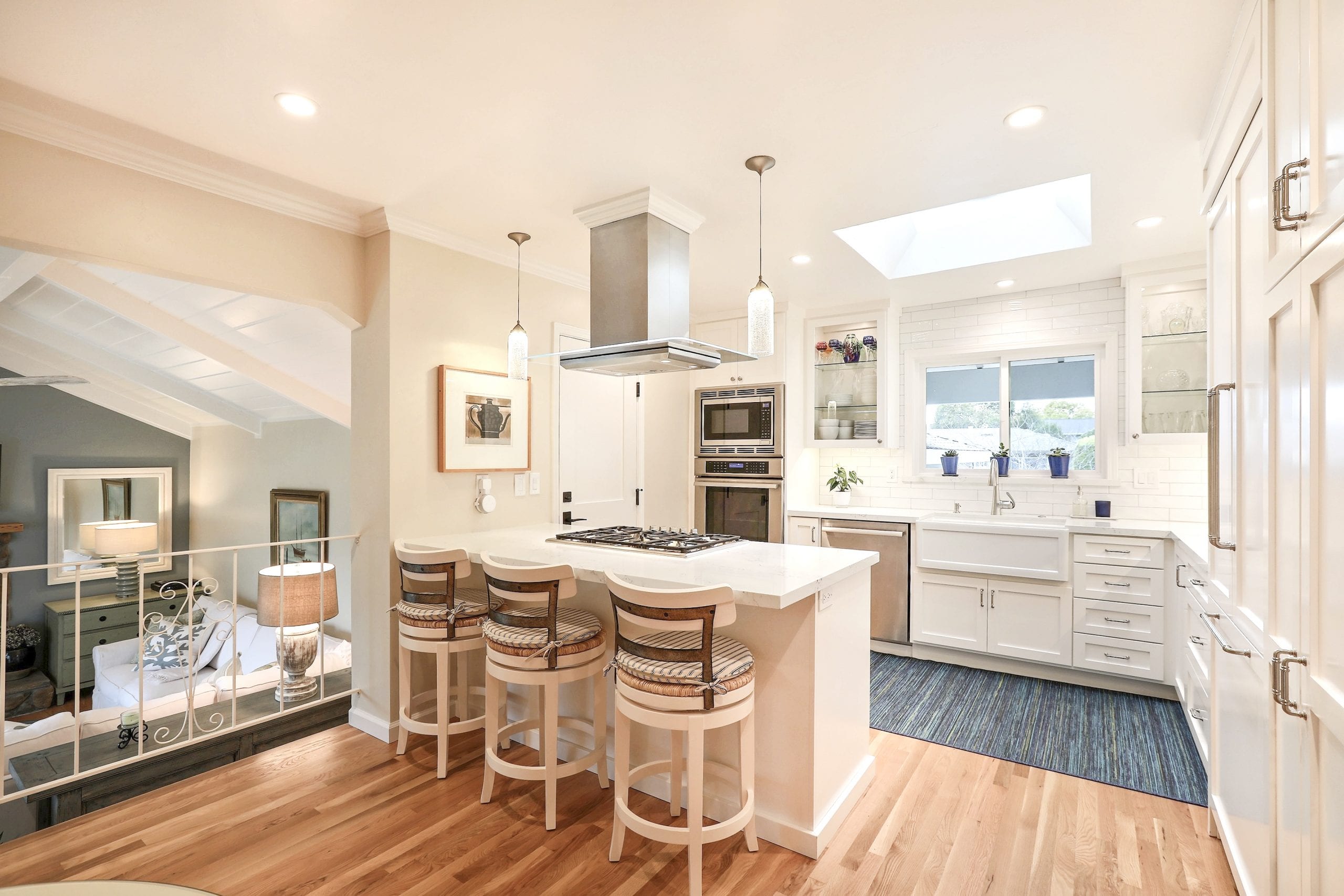
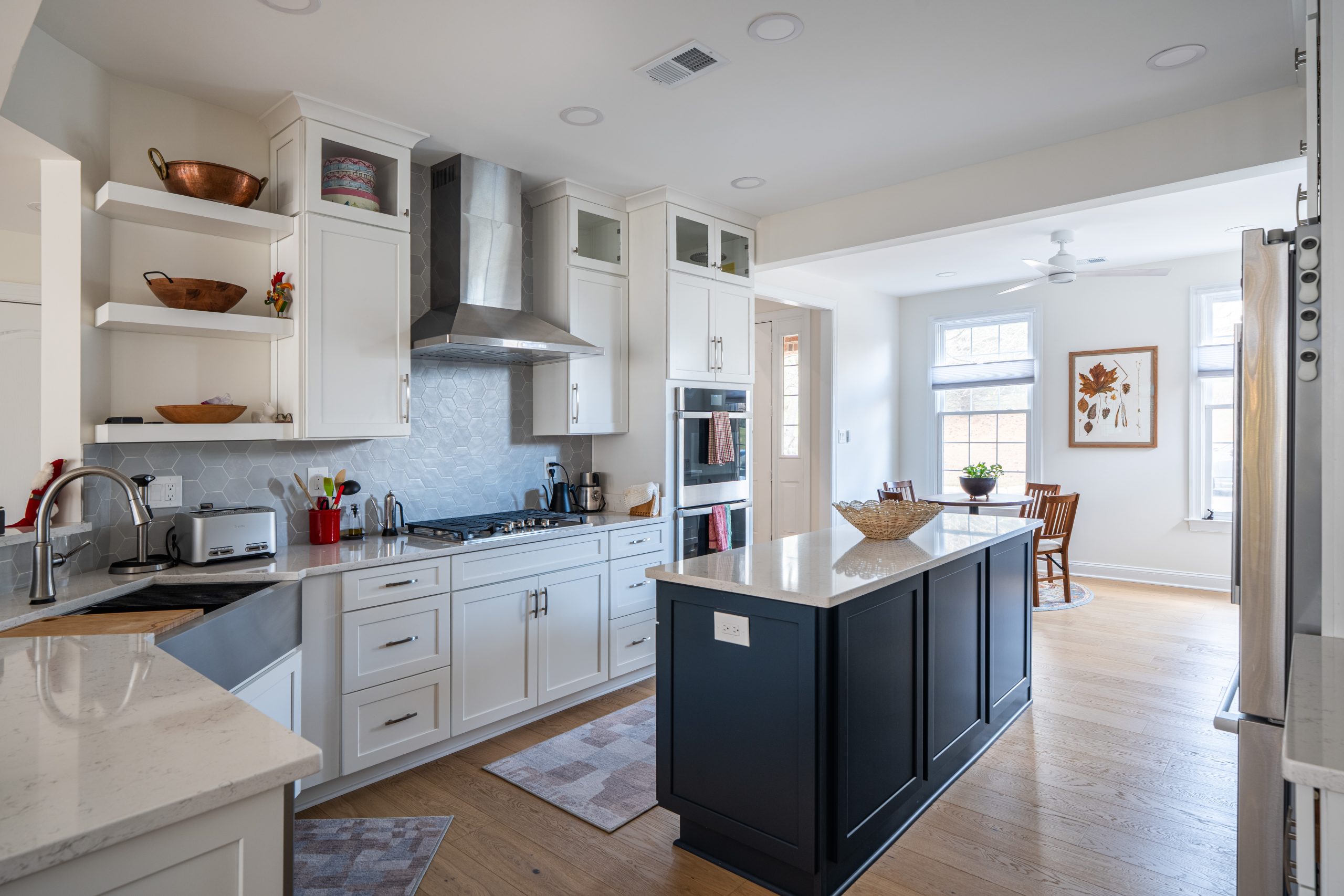
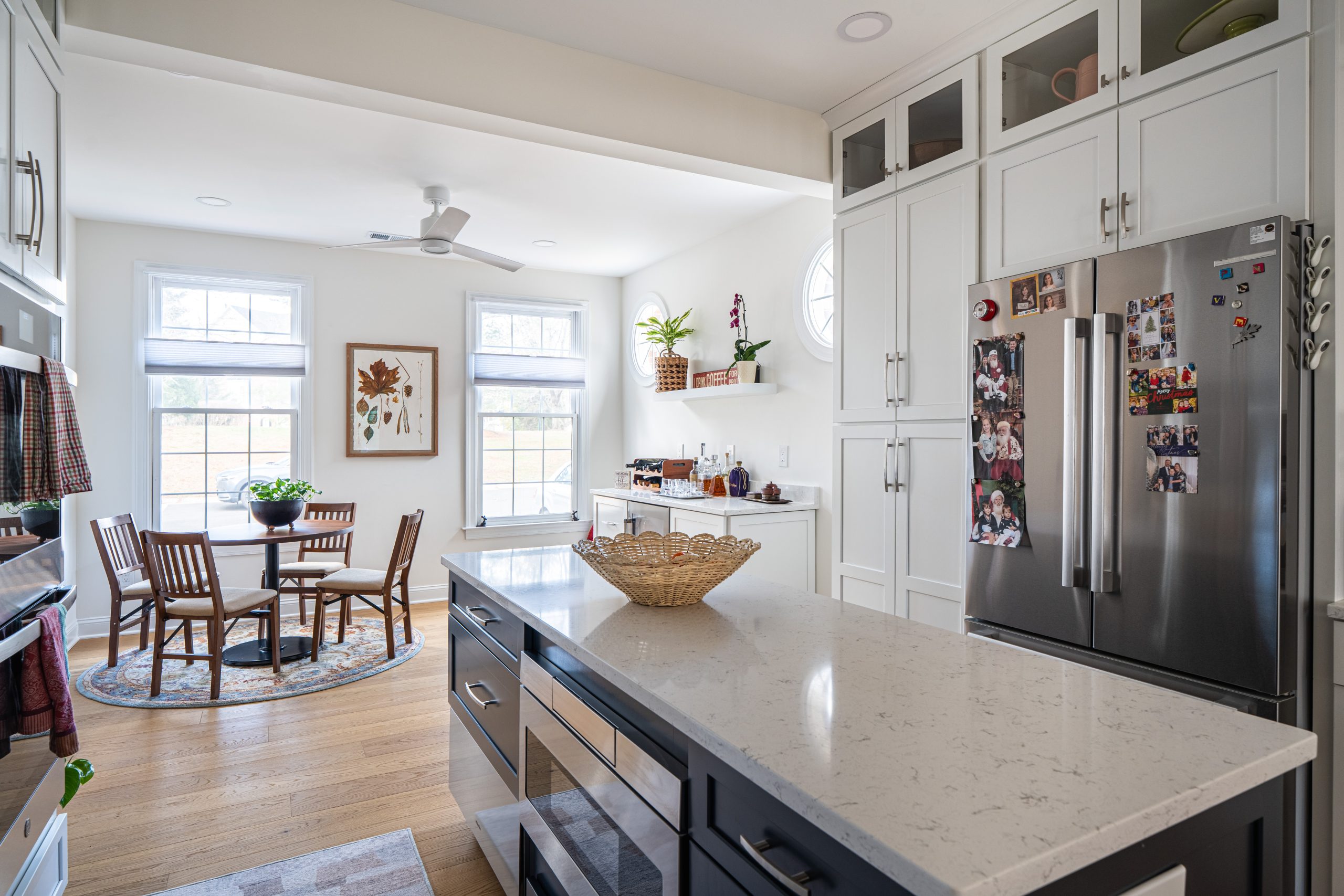
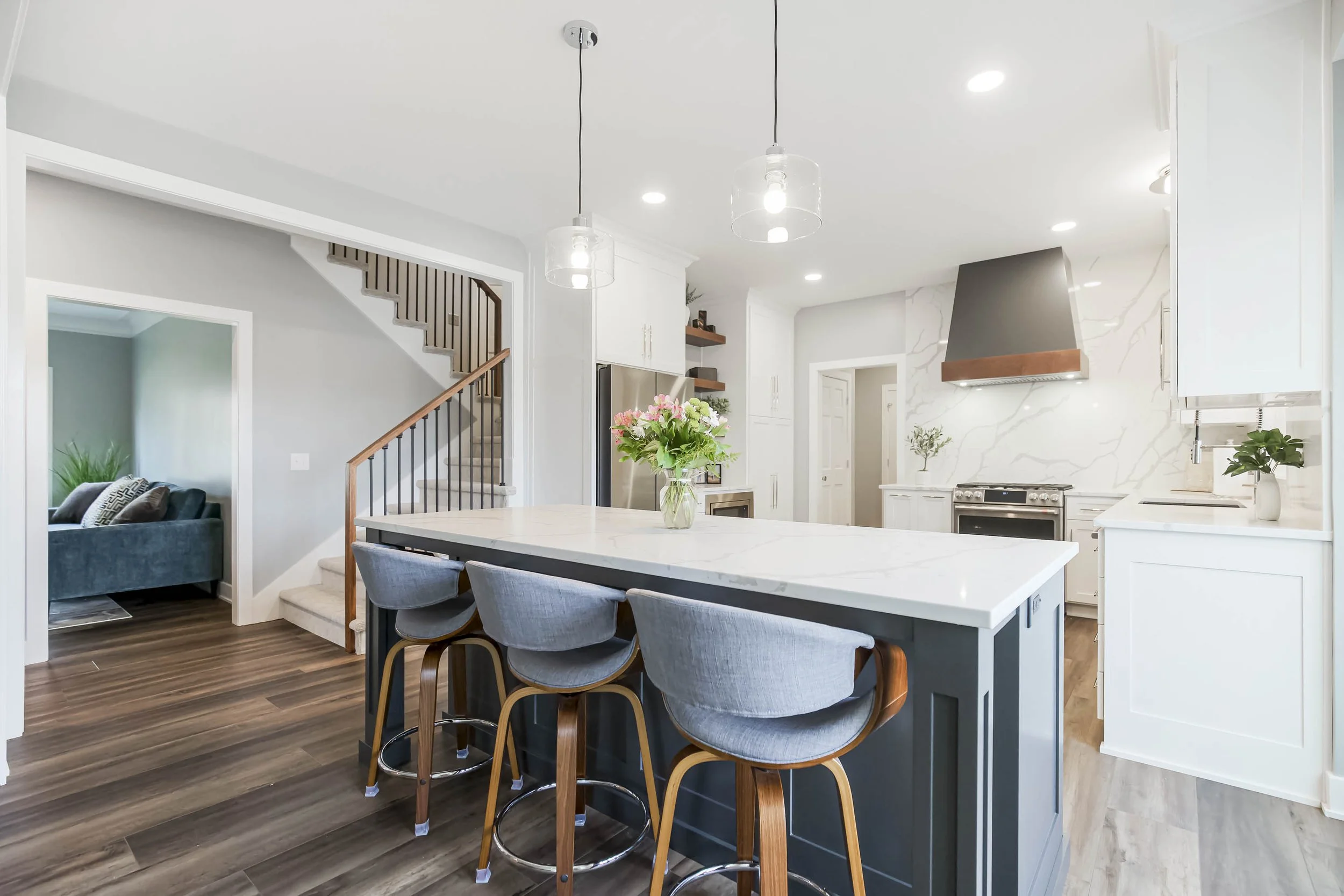
Whole home remodeling is a comprehensive process, transforming your entire living space. It's more than just a room refresh; it's about updating and modernizing your entire home. This could mean new kitchens and bathrooms, updated flooring, fresh paint, and even structural changes to create an open-plan layout. It's a chance to personalize your space and make it truly yours.
When you embark on a whole home remodel, you're likely to encounter various professionals. From general contractors who oversee the project to specialized tradespeople like plumbers, electricians, and carpenters, there's a whole team involved. They'll work together to bring your vision to life, ensuring everything is up to code and meets your expectations.
Finding the Right Contractor
Hiring the right contractor is crucial for a successful whole home remodeling project. You want someone reliable, experienced, and with a good reputation. Check their references and previous work. Ask about their process, timeline, and how they handle unexpected issues. A good contractor will provide a detailed quote, outlining the scope of work and any potential additional costs.
Get multiple quotes to compare. While price is important, it's not the only factor. Consider their expertise, communication style, and how well they understand your vision. Remember, a whole home remodel is a significant investment, so take your time to find the right fit.
Construction Company Names
Choosing a name for your construction business is an important step. It should be memorable, reflect your services, and stand out. Some unique and catchy names could be:
- BuildPro
- HomeCrafters
- Constructive Creations
- Renova
- BuildSmart
- HouseWorks
Before settling on a name, check its availability for registration and domain purchase. You want to ensure your business name is unique and can be easily found online.
Jobs in the Industry
The construction and remodeling industry offers a range of roles. From project managers who oversee the entire process to estimators who calculate costs, there are various specialized positions. Tradespeople like carpenters, plumbers, and electricians are also in high demand.
If you're looking for a career in this field, consider your skills and interests. Many professionals start as apprentices, learning on the job, while others pursue formal education or training programs. The industry offers great opportunities for growth and specialization.
Industry Tools and Data
Tools like RSMeans provide valuable data for construction professionals. They offer cost databases and escalation tools, helping contractors and estimators accurately price projects. These resources are essential for creating detailed quotes and managing costs throughout a project.
While the data is useful, it's important to remember that costs can vary. Factors like location, materials, and labor rates can impact the final price. Always get multiple quotes and compare them to ensure you're getting a fair deal.
Large vs. Small Companies
The construction industry has a mix of large and small companies. Larger firms often have more resources and can take on bigger projects. They may have specialized departments and a broader range of services. However, smaller companies can offer personalized attention and a more tailored approach.
When choosing, consider the size and scope of your project. Larger companies might be better equipped for extensive renovations, while smaller firms can provide a more intimate and focused service.
Final Thoughts
Whole home remodeling is an exciting journey, transforming your space into a home that reflects your style and needs. It's a significant undertaking, but with the right team and a well-planned approach, you can achieve amazing results. Remember, it's all about finding the right fit for your vision and budget. So, take your time, do your research, and enjoy the process!