










Homeschool Curriculum Workbooks Overview
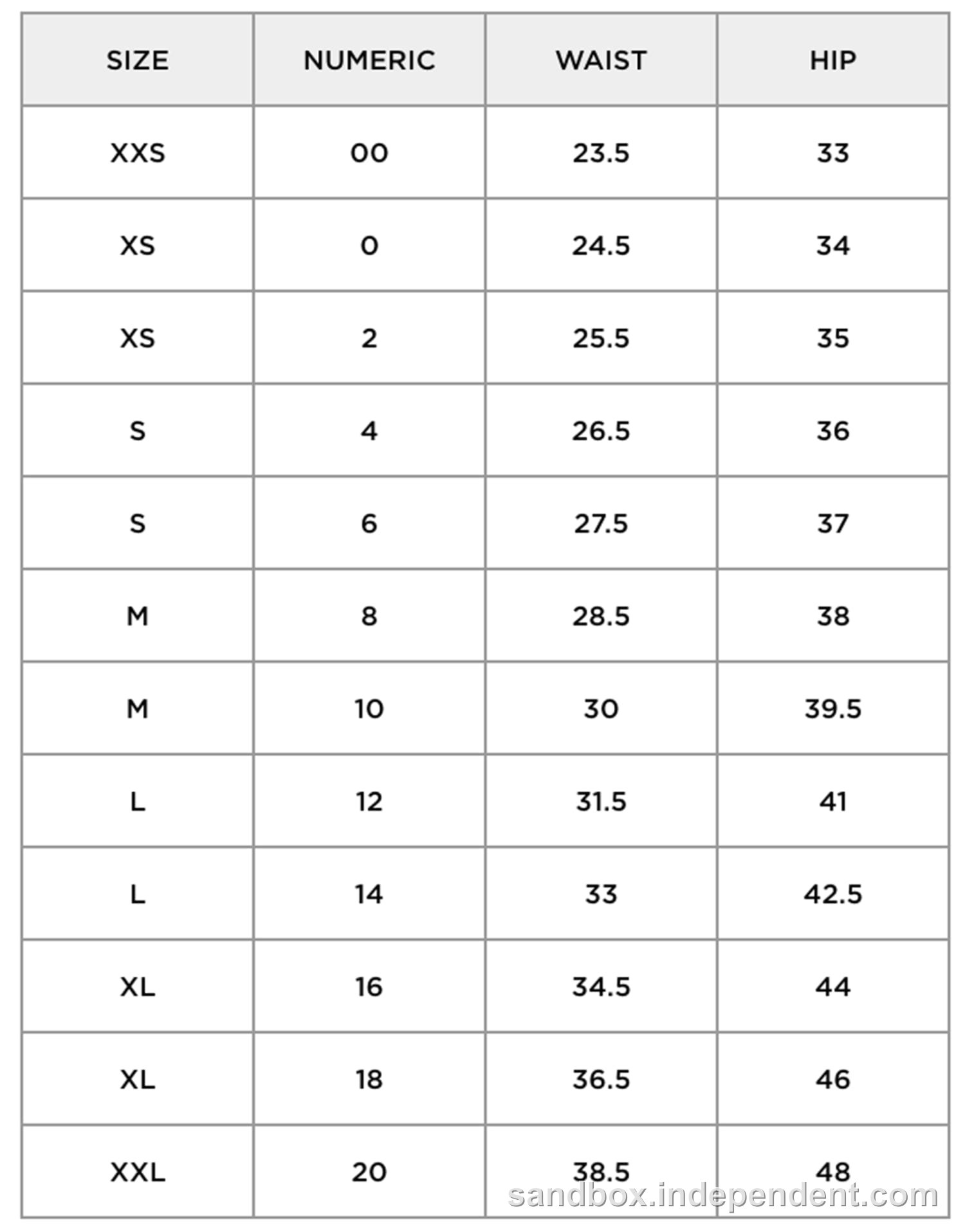
A glove size chart is a handy tool to ensure you get the perfect fit for your hands. This guide will show you how to navigate these charts and find your ideal glove size with ease.
Glove sizing can vary depending on the type and purpose of the glove, so having a reliable chart is key. It's a simple process to measure your hand and find your size, and we'll cover the steps to ensure you get it right. With a glove size chart, you'll be able to choose the right gloves for any task, from gardening to safety gear.
Glove Size Chart: A Quick Overview
A glove size chart is your handy guide to finding the perfect fit for your hands. It's a simple yet effective tool that ensures your gloves are neither too loose nor too tight, offering comfort and functionality. This chart typically includes measurements for hand length and width, helping you choose the right size for various glove types.
Comparing Standards and Formats
Glove size charts can vary depending on the standard used. Common standards include the US sizing system and the international glove size standards. These standards provide different measurement categories and ranges. For instance, the US system often uses letter sizes like S, M, L, while international standards may employ numerical sizes with more precise measurements. It's essential to know which standard your chart follows to ensure accurate sizing.
Step-by-Step Guide to Using the Chart
Using a glove size chart is straightforward. First, measure your hand length from the tip of your middle finger to the base of your palm. Then, measure your hand width across your palm at its widest point. These measurements will guide you to the right size on the chart. For instance, if your hand length is 7.5 inches and your hand width is 3.5 inches, you'd likely need a medium-sized glove according to the US standard. Always refer to the chart's legend or key to understand the measurements and categories.
- Measure your hand length and width accurately.
- Locate these measurements on the chart.
- Identify the corresponding glove size.
- Cross-check with the glove's product description or packaging for any specific sizing details or recommendations.
- Try on the gloves to ensure a comfortable fit.
Common Misreadings and Pitfalls
Misreading a glove size chart can lead to an inaccurate fit. One common mistake is assuming all glove types follow the same sizing standards. For example, safety gloves might have different measurements than regular gloves. Always check the chart's specific use case or purpose. Another pitfall is neglecting to measure both hand length and width. Both measurements are crucial for an accurate fit. Lastly, remember that hand shapes can vary, so a size that fits one hand perfectly might not fit the other.
Factors Affecting Accuracy
Several factors can influence the accuracy of a glove size chart. Here are some key considerations:
- Hand Shape: Hands come in various shapes, and some gloves might fit certain shapes better than others.
- Material Stretch: The material of the glove can affect its stretch and fit. For instance, leather gloves might have less give than fabric gloves.
- Safety Features: Gloves with extra padding or safety features might have a different fit compared to standard gloves.
- Personal Preferences: Some people prefer a tighter or looser fit, so personal preference plays a role in sizing.
- Manufacturing Tolerances: Gloves from different manufacturers might have slight variations in sizing, so always check the brand's specific measurements.
Always refer to the glove sizing guide provided by the manufacturer for the most accurate fit.
So, there you have it, a handy guide to glove sizing. Remember, it's always a good idea to double-check your specific needs and consider any unique factors that might impact your glove choice.
We've covered a lot of ground, but there's always more to explore. If you found this helpful, why not check out some of our other practical guides? We've got a range of topics to keep you informed and ensure you're always making the right choices. Happy reading!
Related: Atlanta Construction Jobs Essential Guide
Atlanta construction jobs is a phrase that might pop up in your search bar when you're looking to hire someone to build or remodel your home. It's a pretty straightforward term, but there's a lot to unpack when it comes to finding the right people for the job and understanding the costs involved. So, let's dive in and explore what Atlanta construction jobs really means and how to navigate this world effectively.
Understanding the Scope
When you search for Atlanta construction jobs, you're essentially looking for professionals who can help you with various construction projects, from building a new home to remodeling an existing one. This could involve hiring general contractors, specialized tradespeople, or even companies that offer a range of construction services. It's important to define your project's scope before diving into the search, as this will guide your choices and help you find the right fit.
Hiring the Right Team
Finding the right construction team for your project is crucial. You'll want to do your research and ask around for recommendations. Check online reviews and ask friends or family who have recently undergone similar projects. Once you have a few potential contractors or companies in mind, reach out and ask for quotes. Compare these quotes, but remember that the cheapest option isn't always the best. Look for detailed quotes that cover all aspects of the job, including materials, labor, and any potential extras.
Company Names and Reputation
Many construction businesses in Atlanta have creative names that reflect their services or location. A good business name should be memorable, unique, and give a hint about what they do. For instance, names like "Atlanta Build & Remodel" or "The Home Renovators" are straightforward and descriptive. When choosing a name for your construction business, it's essential to check its availability for registration and domain names to avoid any legal issues or confusion. Here are a few original name ideas:
- "Craftsman's Corner"
- "Build-It-Right"
- "Atlanta Home Makeovers"
- "Renovation Revolution"
- "The Construction Crew"
Construction Roles and Salaries
Atlanta construction jobs encompass a wide range of roles, from general contractors who oversee the entire project to specialized tradespeople like plumbers, electricians, and carpenters. The salaries for these roles can vary greatly depending on experience, the scope of the project, and the company's size. It's always a good idea to check online job boards and construction-specific websites to get an idea of the going rates for different roles in your area.
Industry Tools and Data
In the world of construction, tools like RSMeans can be incredibly useful. RSMeans is a cost database that provides accurate and up-to-date information on construction costs, helping contractors and clients understand the financial aspects of a project. It takes into account various factors, such as materials, labor, and escalation, which refers to the potential increase in costs over time. Using tools like RSMeans can help ensure that quotes and estimates are fair and realistic.
Big Companies vs. Small Businesses
The construction industry in Atlanta, like many places, has a mix of large companies and smaller, independent businesses. Large firms often have the resources to take on bigger projects and may have a broader range of services. They might also have more specialized equipment and a larger team. On the other hand, smaller businesses can offer a more personalized experience and may be more flexible in their approach. It's a matter of finding the right balance for your specific project and preferences.
Final Thoughts
Navigating the world of Atlanta construction jobs can seem daunting, but with the right approach and some research, you can find the perfect team for your project. Remember to define your needs, compare quotes, and don't be afraid to ask questions. Whether you're building a dream home or remodeling your bathroom, the right construction crew can make all the difference. So, take your time, do your due diligence, and you'll be on your way to a successful construction project.
Related: Get Your Accurate Inch to MM Chart
You're probably here because you need a quick conversion fix, and who can blame you? The inch to mm chart is your go-to resource for an accurate and fast length conversion. It's a handy tool, especially when you're in a pinch and need to understand measurements across different systems. This chart is a simple yet effective way to ensure you get your conversions right, whether you're dealing with inches to centimeters or imperial to metric.
Understanding the Inch to mm Chart
The inch to mm chart is a handy reference tool for quickly converting inch measurements to millimeters. It's a practical way to ensure accurate conversions, especially when working with different measurement systems. This chart provides a simple visual guide, making it accessible for everyday use.
Key Details and Units
Before we dive in, let's clarify some basics. The chart typically displays inches on one axis and millimeters on the other, with corresponding values for each unit. You'll find a range of values, often starting from 0 and going up in small increments, like 0.1 inches or 1 mm. It's essential to know that the chart follows a specific standard, usually the imperial to metric conversion, ensuring consistency.
Step-by-Step Conversion Process
Using the inch to mm chart is straightforward. First, locate the inch value you want to convert on the chart. Then, follow the corresponding line or column to find the equivalent millimeter value. For instance, if you have 2 inches, find the 2-inch mark and read across to see it equals approximately 50.8 mm. That's it! Simple and quick.
Variations and Differences
While the inch to mm chart is a reliable tool, variations can occur due to different standards and contexts. For example, some charts might offer more precise conversions, especially for smaller increments. Additionally, certain industries or regions might have specific requirements, leading to slight variations. It's crucial to double-check if you're working with precise measurements or specialized fields.
- Here are some key factors that can cause variations:
- Standard deviations: Different countries or industries might use slightly different conversion factors.
- Precision needs: More detailed charts are available for precise measurements.
- Specialized fields: Certain professions, like engineering, might require unique charts.
Common Mistakes and How to Avoid Them
One common mistake is misreading the chart, especially when dealing with small increments. Always ensure you're following the correct line or column for your measurement. Another pitfall is assuming all charts are the same. Remember, variations exist, so double-check if precision is critical. Lastly, be aware of the conversion direction. The chart usually converts inches to mm, so be clear on which unit you're starting with.
To summarize, the inch to mm chart is a valuable tool for quick and accurate conversions. By understanding the basics, following a simple step-by-step process, and being aware of potential variations, you can ensure precise measurements. Remember, when in doubt, always refer to the specific standards or guidelines for your field. Happy converting!
Hey there! I hope this inch to mm chart has been a helpful resource for you. It's always good to have these handy conversions at your fingertips, especially when you need to quickly reference measurements.
Remember, while this chart provides a reliable guide, exact values can vary slightly depending on the standard or source you use. So, it's always a good idea to double-check your specific requirements and context before finalizing any measurements.
Feel free to bookmark this page for future reference. It's a simple yet practical tool to have in your back pocket for those unexpected measurement needs!