








Homeschool English Worksheets Overview
I've got a friend who's been looking for work in jobs hiring construction, and it got me thinking about how many people are out there searching for these roles. So, I decided to look into it and share what I found.
Construction Jobs: What's Out There?
When you hear jobs hiring construction, you might think of the big-name building companies, but there's a whole lot more to it than that. Construction covers a massive range of roles, from general contractors to specialized trades like plumbing or electrical work. It's not just about building new stuff, either; remodeling and home renovation are huge parts of the industry.
So, what does this mean for job seekers? Well, there are plenty of opportunities, but it's not always easy to know where to look or what to ask. Let's break it down.
Finding the Right Role
First, consider the type of work you want to do. Are you more interested in the hands-on side of construction, like carpentry or bricklaying? Or do you prefer the planning and management side, perhaps as a project coordinator or estimator? The great thing about construction is that there are roles for all kinds of skills and interests.
Once you've got an idea of the type of work you want, it's time to start looking. Online job boards are a good place to start, but don't forget about local companies and smaller businesses. They might not always advertise roles online, so it's worth giving them a call or popping in to see if they're hiring.
Hiring a Contractor: What to Look For
If you're on the other side of the fence and need to hire a contractor for a project, there are a few things to keep in mind. First, get quotes from several companies. This will give you an idea of the going rate and help you spot any outliers.
When comparing quotes, look beyond the price. Check the scope of the work, the materials and labor included, and the timeline. A cheaper quote might not be the best value if it excludes key elements or takes much longer to complete.
Company Names and Branding
For those starting their own construction business, choosing a name is a big deal. It needs to be memorable, reflect your services, and stand out from the competition. Some examples of catchy construction company names include:
- Build-it-Right
- Hammer Down Solutions
- Pro-Fit Renovations
- Crafted Spaces
- Blue Collar Builders
Before settling on a name, check its availability for registration and domain purchase. You don't want to get too far down the line only to find out someone else has already taken the name.
Industry Tools and Data
Construction professionals often use tools like RSMeans to estimate costs and track escalation. These databases provide valuable data on labor and material costs, helping contractors and companies price their services accurately.
While these tools are great, they're just a starting point. Local conditions, permit requirements, and the scope of your project will all impact the final cost. Always get several quotes and compare them carefully.
Wrapping Up
There's a lot to uncover when you start looking into jobs hiring construction. Whether you're seeking work or hiring a contractor, it's a complex but rewarding industry. I hope this has given you some useful insights and ideas to get you started. Happy job hunting, and good luck with those projects!
Related: Decoding Theme Anchor Charts: A Simple Guide
You've stumbled upon the theme anchor chart, a handy tool that's a real lifesaver for quick reference and understanding. It's like having a secret weapon, a simple yet powerful visual guide that keeps you on track.
This chart is your go-to for theme-related queries, offering a clear and concise way to navigate and apply themes. While some details may vary depending on context, the theme anchor chart provides a solid foundation, ensuring you're equipped with the right knowledge.
What is a Theme Anchor Chart?
A theme anchor chart is a visual tool designed to help identify and understand the underlying themes in a text or story. It provides a structured framework to analyze and interpret narratives, making it a valuable resource for readers, writers, and educators alike. These charts are particularly useful for literary analysis, helping to uncover the deeper meanings and messages within a piece of writing.
Comparing Theme Anchor Chart Formats
There are various formats and styles of theme anchor charts, but they generally share common elements. The charts often feature a central theme or topic, with supporting details and examples branching out. These details can include character motivations, setting influences, symbolic elements, and recurring motifs. The structure allows users to visually connect these elements to the main theme, aiding in a comprehensive understanding of the text's message.
Step-by-Step Guide to Using a Theme Anchor Chart
Using a theme anchor chart is a straightforward process:
Identify the Main Theme: Start by determining the primary theme or idea that the text revolves around. This could be a moral lesson, a social issue, or an emotional journey, for instance.
Gather Supporting Details: Look for elements in the text that reinforce or relate to the main theme. This could include specific scenes, character actions, or even word choices that contribute to the overall message.
Plot on the Chart: Place the identified theme at the center of your chart. Then, branch out with supporting details, creating a visual representation of how these elements connect to and reinforce the theme.
Analyze and Interpret: Review your completed chart to gain a deeper understanding of the text. Consider how the various elements work together to convey the theme and the overall message the author intended.
Common Misinterpretations and How to Avoid Them
While theme anchor charts are a powerful tool, they can be misinterpreted if not used correctly. One common mistake is over-simplifying the theme. Themes are often complex and multi-faceted, so it's essential to consider various aspects and not reduce them to simplistic interpretations. Another pitfall is focusing solely on the chart and neglecting the text itself. The chart is a tool to enhance understanding, but the analysis should always be grounded in the text's content and context.
Factors Affecting Theme Anchor Chart Accuracy
The accuracy of a theme anchor chart depends on several factors. Firstly, the chart's effectiveness relies on a thorough understanding of the text. Readers must carefully analyze the narrative, considering its nuances and subtleties. Additionally, the chart's structure and design can impact its usefulness. A well-designed chart should be clear, organized, and flexible enough to accommodate various themes and texts.
Adapting Theme Anchor Charts for Specific Needs
Theme anchor charts are versatile and can be adapted for different purposes. For instance, educators can create customized charts to align with specific learning objectives or curriculums. Writers can use them as a tool to develop and refine their themes, ensuring a coherent and impactful narrative. Moreover, charts can be tailored to different genres, with variations for poetry, fiction, non-fiction, or even visual narratives like films or graphic novels.
Maintaining Reliability for Future Use
To ensure the reliability of theme anchor charts for future use, it's essential to maintain a consistent approach. This includes using a standardized format, ensuring clarity in labeling and categorization, and regularly updating charts to reflect new insights or interpretations. Additionally, encouraging open dialogue and feedback can help refine and improve the chart's effectiveness over time. By treating the chart as a living document, it can evolve to meet the changing needs and understandings of its users.
Well, there you have it! A comprehensive guide to theme anchor charts and their practical use. You should now feel equipped to create your own chart, tailor it to your needs, and avoid any potential pitfalls.
Remember, while this guide offers a solid framework, your specific context matters. Double-check your requirements and adapt the chart to suit your unique situation.
If you're keen to explore more practical tips and guides, feel free to browse our other resources. We've got a range of topics covered, so you're sure to find something useful. Happy learning!
Related: How do I use a ski sizing chart?
Many people assume that a ski sizing chart is a one-size-fits-all guide, but it's actually a bit more nuanced than that! While these charts offer a great starting point, they're not always an exact science. It's a common mistake to think that your height alone determines your ski size, when in fact, there are several factors to consider.
The ski sizing chart is a useful tool, but it's important to remember that ski size recommendations can vary slightly depending on your skiing ability, personal preference, and even the type of terrain you typically ski on. So, while it's a great reference, it's always worth seeking a little extra advice to ensure you get the perfect fit.
Ski Sizing Chart: A Practical Guide
Ski sizing charts are your go-to tool for finding the perfect ski length. They provide a simple way to match your height, weight, and skill level with the right ski size. This chart is a handy reference, but it's important to understand how to use it accurately.
Key Details: Understanding the Chart
The ski size guide typically shows a range of heights and corresponding ski lengths. It often includes categories like beginner, intermediate, and advanced skiers. The units used are usually inches or centimeters, depending on the standard. For example, a common recommendation might be a ski length of 160-170 cm for a skier who is 170-180 cm tall. These charts are a great starting point, but they're not one-size-fits-all.
Reading and Applying the Chart: Step-by-Step
Here's a simple process to follow:
- Identify your height and skill level.
- Locate your height range on the chart.
- Choose a ski length within the recommended range.
- Consider your personal preference and adjust slightly if needed.
For instance, if you're an intermediate skier and the chart suggests 165-175 cm skis for your height, you might opt for 170 cm skis. Remember, this is a guide, so feel free to experiment within the suggested range.
Variations: Why Ski Sizing Charts Differ
Several factors can cause variations in ski size recommendations:
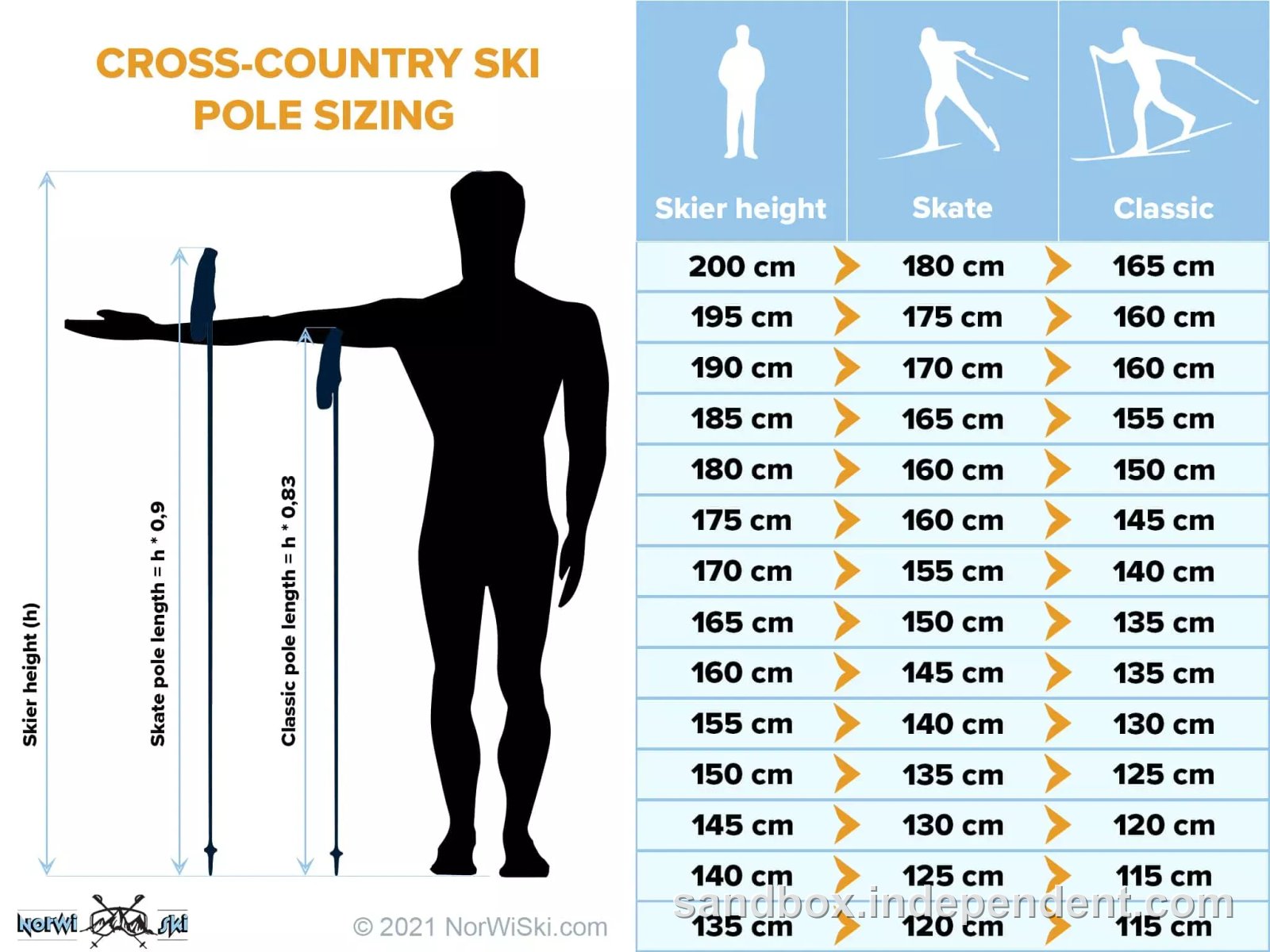
- Ski height to length ratio: This ratio can vary based on the type of skiing (e.g., alpine vs. cross-country).
- Ski size by ability: Advanced skiers often prefer longer skis, while beginners might find shorter ones more manageable.
- Ski size by weight: Heavier skiers might benefit from slightly longer skis for better float and stability.
- Manufacturer preferences: Different brands may have unique recommendations.
- Regional standards: Some charts might use metric units, while others use imperial.
Common Mistakes and How to Avoid Them
A few simple errors to watch out for:
- Assuming one chart fits all: Always check if the chart is relevant to your skill level and the type of skiing you plan to do.
- Ignoring personal preference: While the chart is a guide, your comfort and confidence are key. Don't be afraid to adjust within the recommended range.
- Relying solely on height: Skill level and weight also play a role, so consider all factors.
Practical Tips for Accurate Results
To ensure you get the best fit:
- Double-check the chart's units and ensure they match your measurements.
- If you're between sizes, consider your skill level and the type of skiing.
- When trying skis, take a few runs to get a feel for the length.
- Remember, the chart is a starting point, but your comfort and performance are the ultimate goals.
By understanding the ski sizing chart and its variations, you can make an informed decision and enjoy your skiing experience. Happy trails!
Well, there you have it! Finding the perfect ski size is an important step to ensure your comfort and safety on the slopes. Remember, while this guide provides a great starting point, it's always a good idea to consult with experts or try out different sizes to find your ideal fit.
Feel free to explore our other guides and resources to enhance your skiing experience. We've got plenty of tips and tricks to help you become a pro!