



Hook Size Chart For Kids Overview
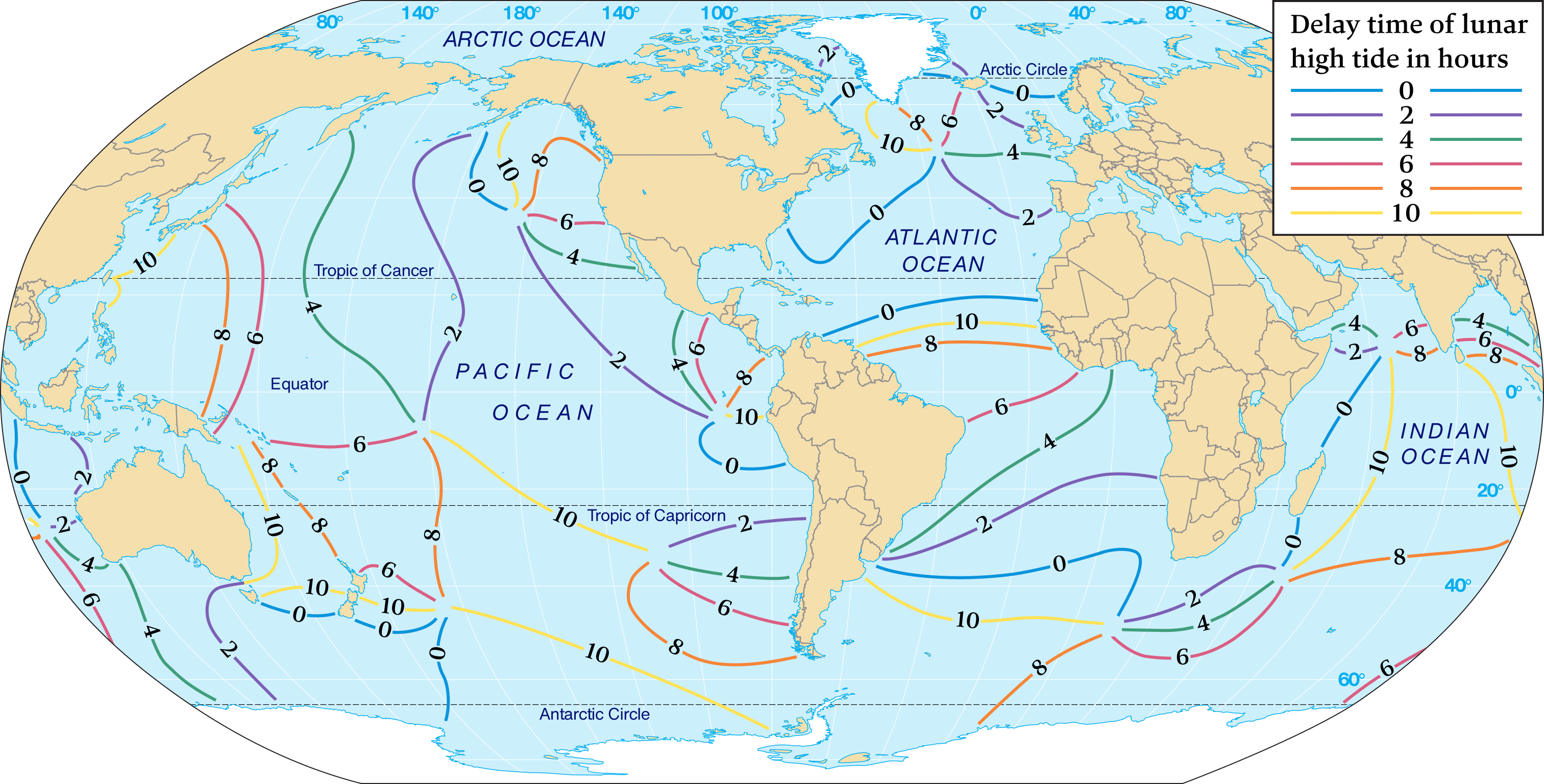
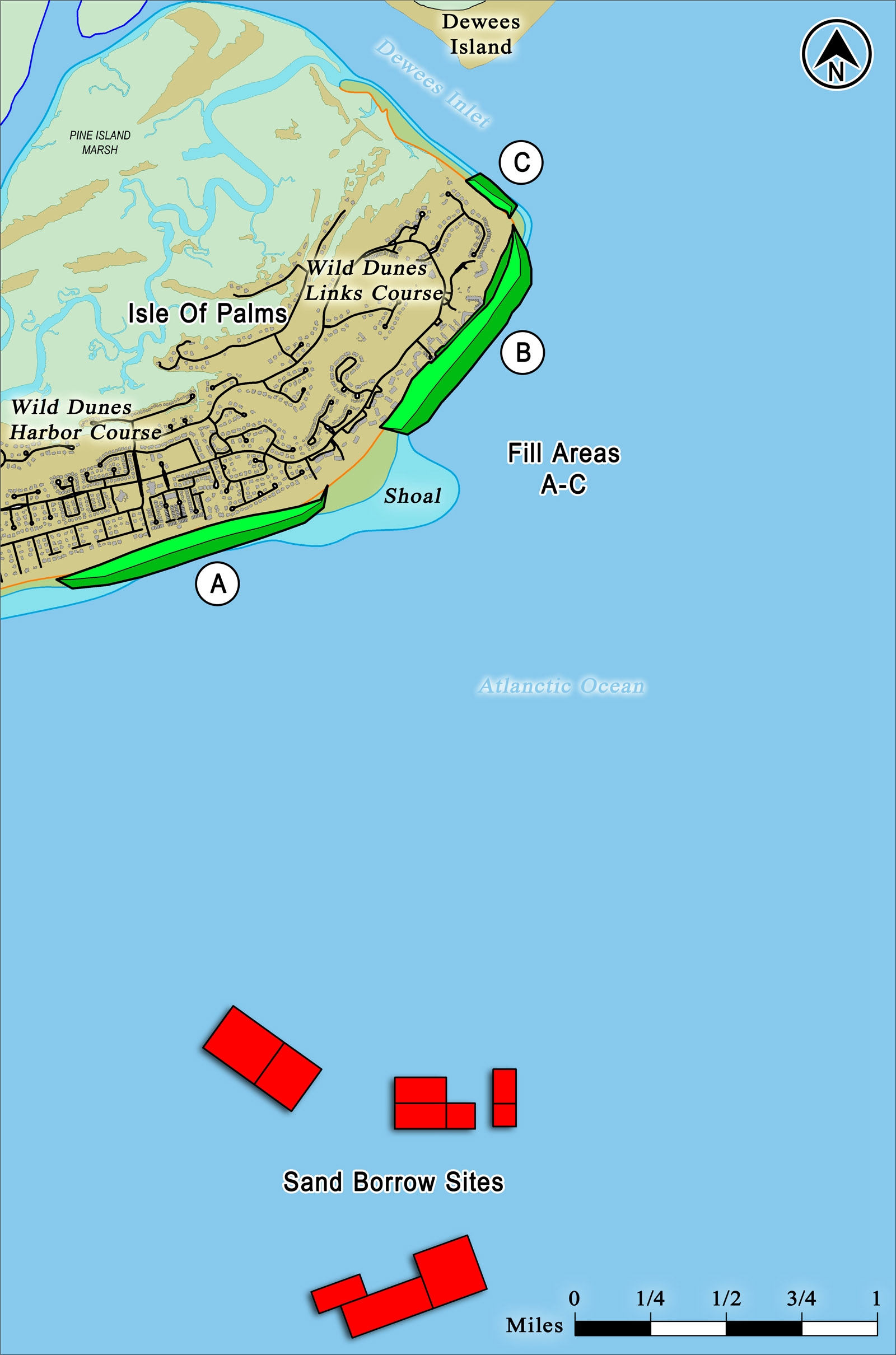
Many people mistakenly assume that all tide charts are the same, but this is far from the truth. While iop tide chart may seem like a simple tool, it offers a unique and specific set of data. This chart provides a precise and reliable reference for understanding tidal movements, and it's essential to know how to interpret it accurately. By familiarizing yourself with the iop tide chart, you'll gain valuable insights into the ebb and flow of tides, especially in regions like the Thames Estuary, where tidal variations are significant.
Understanding the IOP Tide Chart
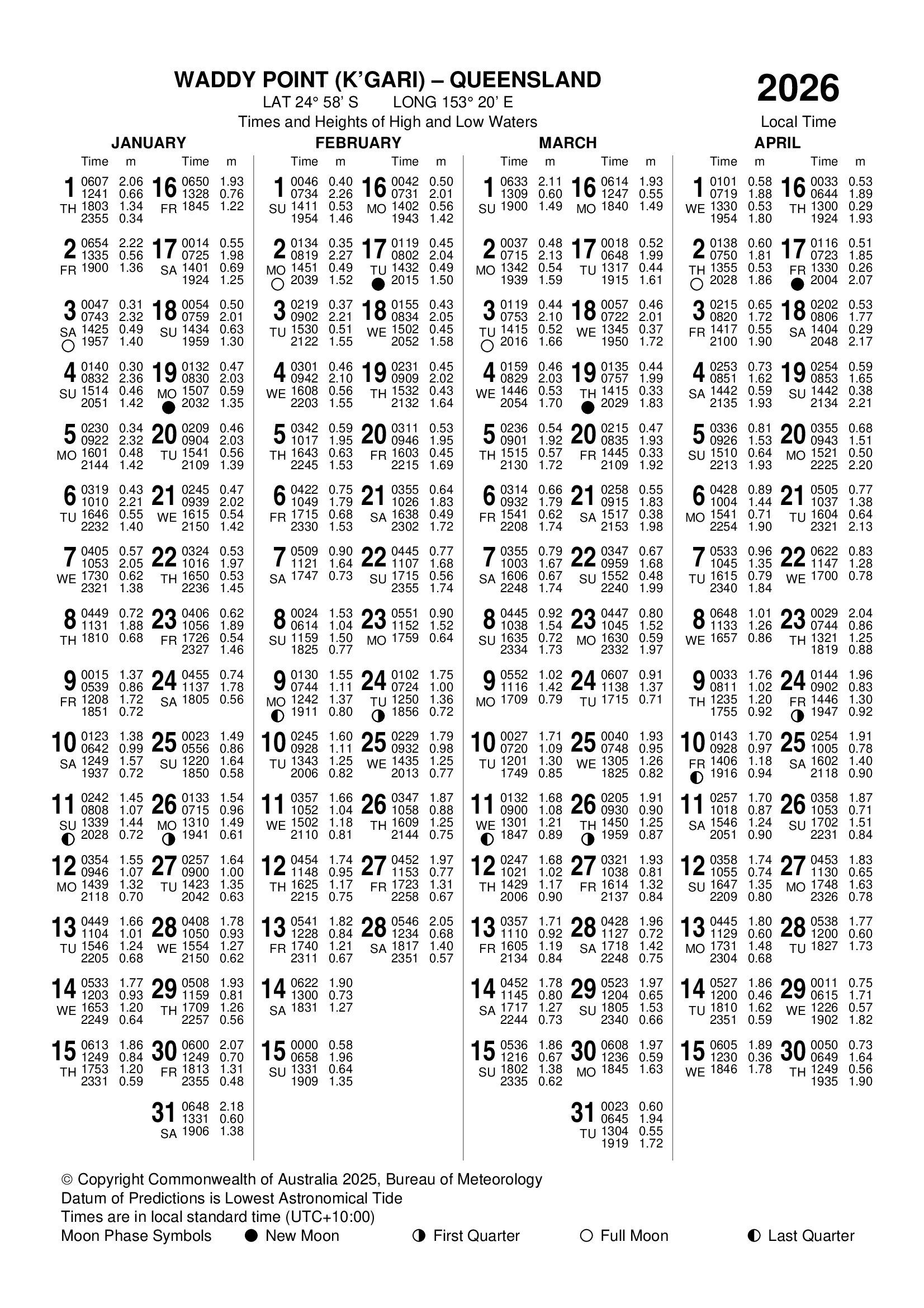
The iop tide chart is a valuable tool for anyone planning activities or operations along the coast, especially in the Thames Estuary region. It provides a visual representation of tidal patterns, offering crucial information about tide times and heights. By understanding this chart, you can make informed decisions and ensure your plans align with the dynamic nature of the tides.
Key Measurements and Categories
The iop tidal data presented on the chart typically follows standard port tide height measurements. These measurements are expressed in feet and indicate the height of the tide above a specific reference point, often sea level. The chart categorizes tide heights into different ranges, providing a clear visual guide. Common categories include low tide, mid-tide, and high tide, each with its own color or symbol for easy identification.
Practical Steps to Read and Use the IOP Tide Chart
To utilize the iop tide chart effectively, follow these steps:
Identify the Date and Time: Locate the specific date and time for which you need tide information. This is usually indicated along the chart's horizontal axis.
Find the Corresponding Tide Height: Look for the vertical line or marker that intersects with your chosen date and time. The height of this line represents the predicted tide level.
Interpret the Tide Category: Refer to the color-coded legend or key provided on the chart. Match the color of the line or marker with the corresponding category, such as low tide or high tide.
Plan Accordingly: With the predicted tide height and category in mind, you can now plan your activities. Consider the implications of the tide height for your specific location and activity. For example, low tide may expose certain areas, while high tide could limit access or present challenges.
Check for Special Events: Occasionally, the chart may include notes or indicators for exceptional tidal events, such as spring tides or neap tides. These occur during specific lunar phases and can result in higher or lower tides than usual.
Avoiding Misinterpretations and Pitfalls
While the iop tide chart is a reliable guide, it's important to be aware of potential pitfalls:
Remember that tides can vary slightly from day to day, so always check the chart for the specific date and time you need.
Pay attention to the scale and units used on the chart. Ensure you are interpreting the measurements correctly, especially when comparing different charts or sources.
Be cautious during exceptional tidal events, as these can significantly impact your plans. Always double-check the predicted tide heights during these periods.
Consider local factors that may influence tides, such as weather conditions or river flows. These variables can cause slight deviations from the predicted tide heights.
Factors Affecting Accuracy and Real-World Use
The accuracy of the iop tide chart relies on several key factors:
Tidal Predictions: The chart is based on sophisticated tidal prediction models, which consider lunar and solar influences. These models are highly accurate but may have slight variations due to local conditions.
Local Conditions: The Thames Estuary is a dynamic environment, and local factors like river currents, wind, and atmospheric pressure can influence tide heights. These factors are challenging to predict with absolute precision.
Chart Updates: Ensure you are using the most recent version of the chart. Tidal patterns can change over time, and updates ensure you have the most accurate information.
Human Error: While rare, human errors during data collection or chart creation can occur. Always cross-reference critical information with other reliable sources.
By understanding these factors and following the practical steps outlined, you can make the most of the iop tide chart, ensuring your coastal activities are well-timed and safe.
Remember, while this guide offers a comprehensive overview, it's always wise to tailor your approach to your unique circumstances. The specific details of your situation may require a slight adjustment, so be sure to double-check and adapt as needed.
Consider bookmarking this page for future reference. It's a handy tool to have at your fingertips, and with a quick glance, you can ensure you're on the right track.
Related: Need the Torrid Size Chart? A Quick Guide?
Frustrated by the lack of clarity in size guides? You're not alone! Many of us have been there, staring at a Torrid size chart, wondering if the numbers align with our bodies. It's a common struggle, especially when shopping for plus-size clothing. But fear not! Understanding these charts is easier than you think.
The Torrid size guide, for instance, offers a simple solution. It provides a clear breakdown of measurements, ensuring you find the perfect fit. Whether you're after a Torrid dress size chart or a Torrid jeans size chart, the key is to take your time and measure accurately.
Understanding the Torrid Size Chart
The torrid size chart is your go-to guide for finding the perfect fit in Torrid clothing. It's a simple yet effective tool that helps you navigate their range of sizes and styles, ensuring you get a comfortable and flattering look every time.
Key Details and Categories
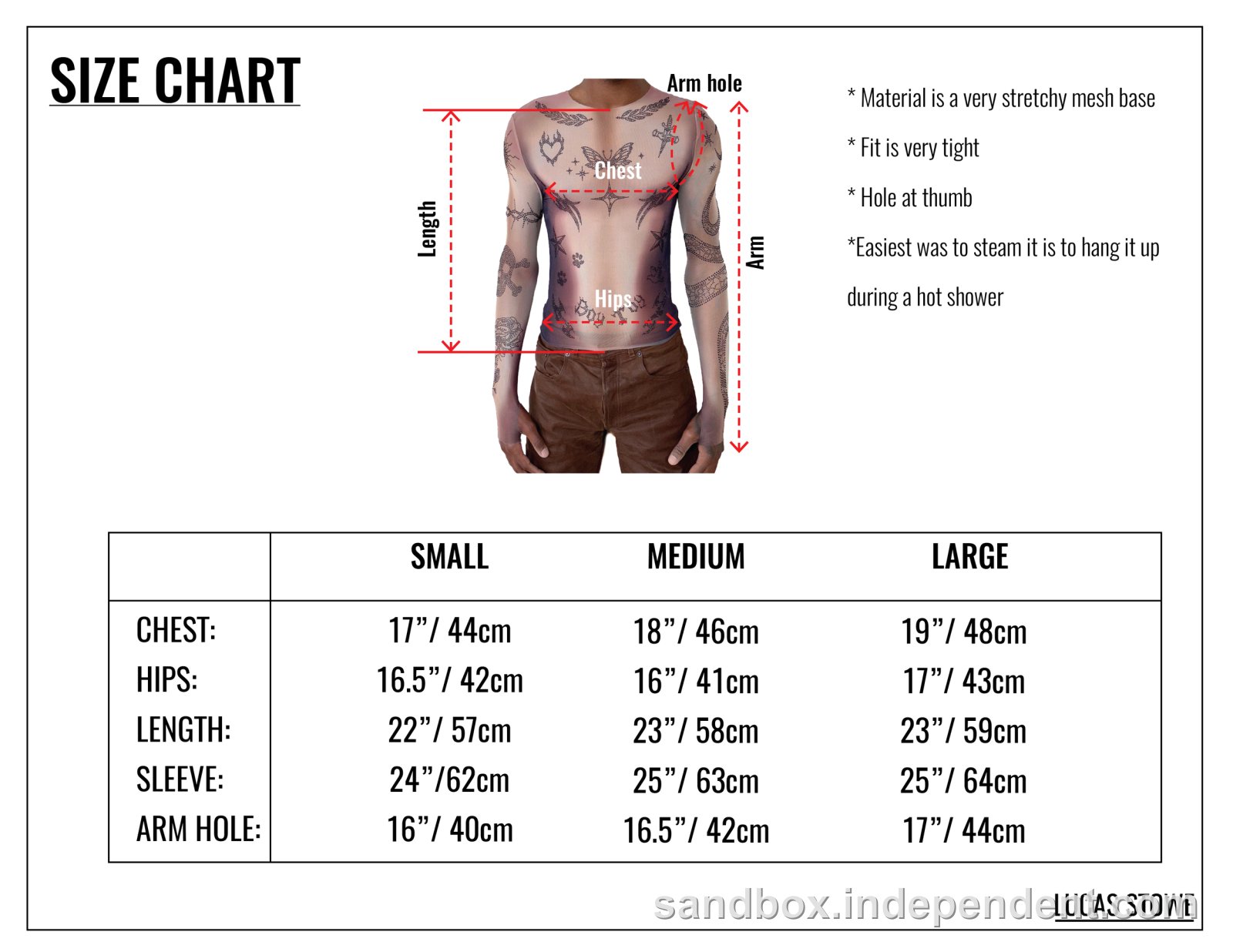
The chart provides a clear breakdown of measurements for different body parts, typically including bust, waist, hips, and inseam. These measurements are presented in a table format, with sizes ranging from 00 to 6X, covering a wide range of body types. The units used are inches, a standard measurement system. It's important to note that the chart is designed specifically for Torrid's clothing line, so it may differ from other size guides.
Step-by-Step Guide to Reading the Chart
Here's a simple process to follow when using the torrid size chart:
- Identify your body type and the specific item of clothing you're interested in.
- Locate the relevant size guide for that item on the chart.
- Measure your body according to the guide's instructions. Ensure you're measuring the right body parts accurately.
- Compare your measurements to the size chart. Find the size that most closely matches your measurements across all relevant body parts.
- If you fall between sizes, consider the fabric and style of the garment. Some fabrics have more give, and certain styles may be more forgiving.
- Don't forget to check the reviews and fit notes provided by Torrid and other customers. These can offer valuable insights into how the garment fits in real life.
Size Chart Variations and Differences
It's important to remember that size charts can vary across brands and even within a brand for different clothing types. Torrid clothing size charts may differ slightly for jeans compared to dresses or bras, as these items have unique fit requirements. Additionally, Torrid, like many brands, offers size guides for both US and international (metric) measurements, so ensure you're using the correct guide for your region.
Common Mistakes and How to Avoid Them
- Measuring inaccurately: Ensure you're using a flexible measuring tape and following the instructions precisely.
- Assuming sizes are universal: Remember, each brand's size chart is unique. Don't assume your Torrid size will be the same as another brand.
- Not considering fabric and style: The fit of a garment can vary significantly based on fabric and design.
- Neglecting to check reviews: Customer reviews often provide valuable insights into how an item fits in practice.
- Forgetting to account for personal preferences: If you prefer a looser fit, size up; if you like it snug, size down.
- Relying solely on the size chart: While the chart is a great guide, it's always a good idea to check the fit notes and reviews for a more accurate picture.
Hey there, I hope this guide has been helpful in understanding the Torrid size chart and its practical use. Remember, while the core principles remain the same, the exact details can differ slightly, so it's always good to refer to the specific chart you're using.
Don't hesitate to explore other guides on our site, where you'll find more tips and tricks to enhance your shopping experience and make informed choices. Happy shopping, and stay stylish!
Related: Need a coat size chart?
A coat size chart can be a tricky business, and many of us have experienced the frustration of getting it wrong. It's easy to assume that one size fits all, but that's not the case!
This simple reference tool, whether a table or diagram, is your friend and can save you time and potential sizing disasters. While the values and formats may vary depending on the brand and region, the coat size chart offers a reliable guide to ensure you find the perfect fit. It's a quick and easy way to navigate the often confusing world of garment sizing.
Understanding the Coat Size Chart: A Quick Overview
The coat size chart is your practical guide to finding the perfect fit for your coats and jackets. It's a reference tool that simplifies the process of selecting the right size, ensuring comfort and style. This chart provides a standardized way to match your body measurements with the corresponding coat size, making shopping easier and more accurate.
Comparing Standard Sizing Systems and Formats
Coat size charts can vary depending on the standard used. The most common systems are the US standard sizes and the international or metric sizes. These systems have different measurements and categories, so it's essential to know which standard the chart follows. US sizes often use alphabetical letters (e.g., S, M, L) and numerical sizes (e.g., 6, 8, 10), while international sizes typically use numerical ranges (e.g., 36, 38, 40) and may include additional letters (e.g., XS, XL).
Practical Steps to Use the Coat Size Chart Accurately
Using the coat size chart is straightforward:
- Measure your body: Take accurate measurements of your chest, waist, and hips. These are the key areas for coat sizing.
- Find your size: Locate your measurements on the chart. Match your chest measurement to the corresponding size column. If your waist and hip measurements fall within the same size range, great! If not, choose the size that best fits your chest and consider adjusting the fit with a belt or tailoring.
- Consider the style: Different coat styles may have varying fits. Some are designed to be more relaxed and loose-fitting, while others are tailored and fitted. Check the product description or consult the size guide for specific style recommendations.
- Double-check: Always refer to the product's size guide or specifications. Some brands may have slight variations in their sizing, so it's best to confirm the exact measurements and tolerances.
Common Misreadings and Pitfalls to Avoid
Here are some key factors to keep in mind to avoid sizing mistakes:
- Garment measurement standards can vary: Coats and jackets may have different fit preferences, so always check the product's specific size guide.
- International clothing sizes may differ: If you're shopping internationally, be aware of the size conversions. Some countries use different sizing systems, so a size 10 in one country might not be the same as a size 10 elsewhere.
- Body measurement guide: Ensure you measure yourself accurately. Loose or tight clothing during measurement can affect the result. Stand upright and measure snugly but comfortably.
- Consider the fabric: The stretch and drape of the fabric can impact the fit. Natural fibers like wool may have more give, while synthetic fabrics might be more structured.
- Personal preference: Sizing is not one-size-fits-all. Some people prefer a looser fit, while others like a more tailored look. Consider your personal style and comfort when choosing a size.
Hey there! We hope this coat size chart guide has been helpful in your quest for the perfect fit. Remember, while we've covered the basics, the exact values might differ slightly depending on the brand or standard you're referring to. It's always a good idea to check the specific guidelines for each item you're eyeing.
Feel free to explore our other guides on similar topics. We've got a range of practical resources to help you navigate the world of fashion and sizing with ease. Happy browsing and happy shopping!