The allure of the ocean’s bounty is undeniable, with its diverse array of seafood offering a culinary journey that can tantalize even the most discerning palate. Mastering seafood recipes is an art that requires a deep understanding of the unique characteristics of each seafood type, from the delicate flavor of freshly caught fish to the rich, velvety texture of a perfectly cooked lobster. In this comprehensive guide, we delve into the world of seafood recipes, exploring techniques, ingredients, and expert tips to elevate your cooking to the next level.
Understanding Seafood Types
Before diving into the recipes, it’s essential to understand the various types of seafood and how they can be prepared. Fish, shellfish, and crustaceans each have their unique cooking requirements and pair well with different ingredients. For instance, delicate fish like sole or flounder are best prepared with light, aromatic flavors to avoid overpowering their natural taste, while heartier fish like salmon or tuna can withstand bolder seasonings and cooking methods.
Freshness Matters
The quality of your seafood is paramount. Fresh seafood not only tastes better, but it’s also safer to eat. When purchasing seafood, look for fish with shiny, firm flesh and a pleasant ocean smell. Shellfish should be closed tightly, and any that don’t close when tapped should be discarded. For crustaceans like crabs and lobsters, look for those that are active and have no signs of damage or decay.
Essential Cooking Techniques
Mastering a few essential cooking techniques can significantly enhance your seafood dishes.
- Grilling: Perfect for fish and shellfish, grilling adds a smoky flavor. Make sure to oil the grates to prevent sticking.
- Pan-Searing: Excellent for achieving a crispy crust on fish and scallops. Use a hot skillet with a small amount of oil.
- Steaming: Ideal for delicate flavors and preserving the texture of seafood. Lemon, garlic, and herbs can be added to the steamer for extra flavor.
- Baking: A healthier option that allows for a variety of seasonings and toppings. It’s great for fish and can be used for shellfish and crustaceans as well.
Seafood Recipes to Try
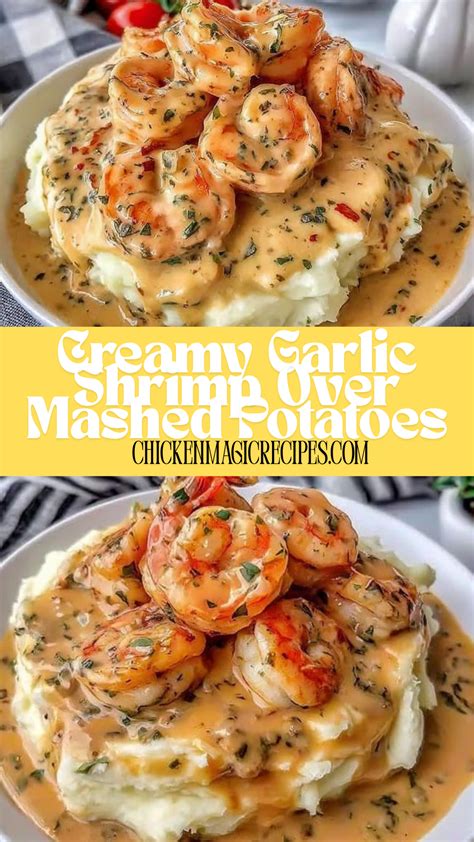
1. Garlic Butter Shrimp
A classic and simple recipe that showcases the richness of butter and garlic paired with succulent shrimp.
Ingredients: - 1 pound large shrimp, peeled and deveined - 4 cloves of garlic, minced - 2 tablespoons butter - 1⁄2 cup white wine - 1⁄4 cup lemon juice - Salt and pepper to taste - Fresh parsley, chopped (optional)
Instructions: 1. In a large skillet, melt butter over medium heat. 2. Add garlic and cook until fragrant. 3. Add the shrimp and cook until they turn pink. 4. Add white wine and lemon juice, simmering until the liquid is slightly reduced. 5. Season with salt and pepper. 6. Serve hot, garnished with parsley if desired.
2. Baked Salmon with Dill
A light and flavorful dish perfect for salmon, combining the brightness of lemon with the freshness of dill.
Ingredients: - 4 salmon fillets - 1⁄4 cup olive oil - 2 tablespoons freshly chopped dill - 2 cloves garlic, minced - 2 lemons, sliced - Salt and pepper to taste
Instructions: 1. Preheat the oven to 400°F (200°C). 2. Line a baking sheet with parchment paper. 3. Place the salmon fillets on the prepared baking sheet. 4. Mix olive oil, dill, and garlic, then brush the mixture over the salmon. 5. Place a slice of lemon on top of each fillet. 6. Season with salt and pepper. 7. Bake for 12-15 minutes or until cooked through.
3. Seafood Paella
A hearty and flavorful Spanish dish that combines a variety of seafood with saffron-infused rice.
Ingredients: - 1 cup uncooked Arborio rice - 2 cups water - 1 tablespoon saffron threads, soaked in 2 tablespoons hot water - 1 pound mixed seafood (shrimp, mussels, clams) - 1 onion, diced - 2 cloves garlic, minced - 1 teaspoon smoked paprika - Salt and pepper to taste - Olive oil
Instructions: 1. Heat olive oil in a large paella pan or skillet. 2. Add onion and garlic, cooking until the onion is translucent. 3. Add the mixed seafood and cook until the seafood starts to turn color. 4. Add the Arborio rice, stirring to coat the rice in oil and mix with the seafood. 5. Add water, saffron (with its soaking water), and smoked paprika. Bring to a boil. 6. Reduce heat to low, cover, and simmer for about 20 minutes or until the rice is cooked and the liquid is absorbed. 7. Season with salt and pepper to taste.
Advanced Techniques for the Ambitious Chef
For those looking to push the boundaries of their culinary skills, advanced techniques such as sous vide, smoking, and molecular gastronomy can offer unparalleled control and creativity in seafood preparation.
- Sous Vide: Provides precise temperature control, ensuring that your seafood is cooked to the perfect doneness every time. It’s particularly useful for delicate fish.
- Smoking: Adds a deep, rich flavor to seafood. It can be done at home with a smoker or even a charcoal grill with wood chips.
- Molecular Gastronomy: Involves using science to create unique dining experiences. Techniques like spherification can turn liquids into bite-sized balls, offering a fascinating way to serve seafood broth or sauces.
Conclusion
Mastering seafood recipes is a journey that combines technique, creativity, and a deep respect for the ingredients. Whether you’re a seasoned chef or a culinary beginner, the world of seafood offers endless possibilities for exploration and discovery. By understanding the types of seafood, mastering essential cooking techniques, and experimenting with new recipes and advanced methods, you can unlock a culinary treasury that will leave your guests in awe and your palate craving for more.
FAQ Section
What is the safest way to thaw frozen seafood?
+The safest way to thaw frozen seafood is by leaving it in the refrigerator overnight. You can also thaw it under cold running water or in the microwave, following the manufacturer’s defrosting instructions. Never thaw seafood at room temperature, as this can lead to bacterial growth.
How do I know if seafood is fresh?
+Fresh seafood smells like the ocean, has firm, shiny flesh, and in the case of shellfish, closes tightly when tapped. Avoid seafood with a strong, unpleasant odor, slimy texture, or that appears damaged.
Can I cook seafood from frozen?
+Yes, many types of seafood can be cooked from frozen. However, the cooking time may be longer. It’s recommended to follow a trusted recipe and ensure that the seafood is cooked to a safe internal temperature to avoid foodborne illness.