



Horizontal Monthly Planner Overview
A capsule size chart is a handy tool for anyone working with capsules, whether it's for medication, supplements, or even food products. This guide will help you navigate and understand these charts, ensuring you can quickly find the right capsule size for your needs.
The chart provides a clear overview of capsule dimensions, typically showing both metric and imperial sizes. It's a simple reference, but one that can vary slightly depending on the standard or region, so it's good to know how to read and interpret them accurately.
A Quick Overview
The capsule size chart is your go-to guide for understanding and selecting the right capsule size for your needs. It's a handy reference tool that simplifies the process of identifying and working with different capsule sizes, especially when dealing with various standards and formats.
Comparing Capsule Size Standards
When it comes to capsule sizes, there are two main standards to consider: the metric system and the imperial system. The metric system, used internationally, employs a straightforward numbering system for capsule sizes, ranging from 000 to 5. Each size corresponds to specific dimensions, with the larger numbers indicating smaller capsules. On the other hand, the imperial system, commonly used in the US, utilizes lettered sizes (A to E) and has its own set of dimensions. It's crucial to know which standard you're working with to ensure accurate selection.
Step-by-Step Guide to Using the Chart
Using the capsule size chart is simple:
- Identify the standard: Determine whether you're working with metric or imperial capsules. This information is typically provided by the manufacturer or can be found on the packaging.
- Locate the size: Refer to the chart and find the corresponding size based on the standard. The chart will provide you with the specific dimensions for each size, including length and diameter.
- Consider your needs: Evaluate the capsule's intended use and the amount of content it needs to hold. This will help you choose the appropriate size.
- Double-check: Always confirm the exact specifications, especially if you're working with sensitive or specialized formulations. Some manufacturers may have slight variations, so it's best to verify.
Common Misreadings and How to Avoid Them
One common mistake is assuming that all capsules within a size category are identical. While the capsule size chart provides standard measurements, there can be minor variations between brands or even within the same brand. Always refer to the specific product details to ensure accuracy. Additionally, be cautious when converting between metric and imperial sizes; direct conversions may not always provide an exact match, so it's best to consult the chart for the closest equivalent.
Factors Affecting Real-World Accuracy
Several factors can influence the accuracy of your capsule selection and filling process:
- Capsule Type: Gelatin vs. hard capsules can have slight size variations.
- Manufacturer: Different brands may have unique specifications, so always check.
- Content Volume: Ensure the capsule size accommodates the intended dosage or content.
- Environmental Conditions: Humidity and temperature can affect capsule dimensions over time.
- Filling Technique: Proper filling techniques ensure accurate dosing and avoid overpacking.
Remember, while the capsule size chart provides a valuable reference, it's essential to consider these factors and double-check specific product details for precise results.
Hey there! I hope this capsule size chart has been a handy reference for you. Remember, these values can vary slightly, so always double-check your sources and standards to ensure you're getting the right information for your specific needs.
Feel free to explore our other guides and resources; we've got plenty of practical tips and tricks to help you navigate various topics with ease. Happy learning, and keep those capsules organized!
Related: Find the Right Duct Size: Easy Chart Guide
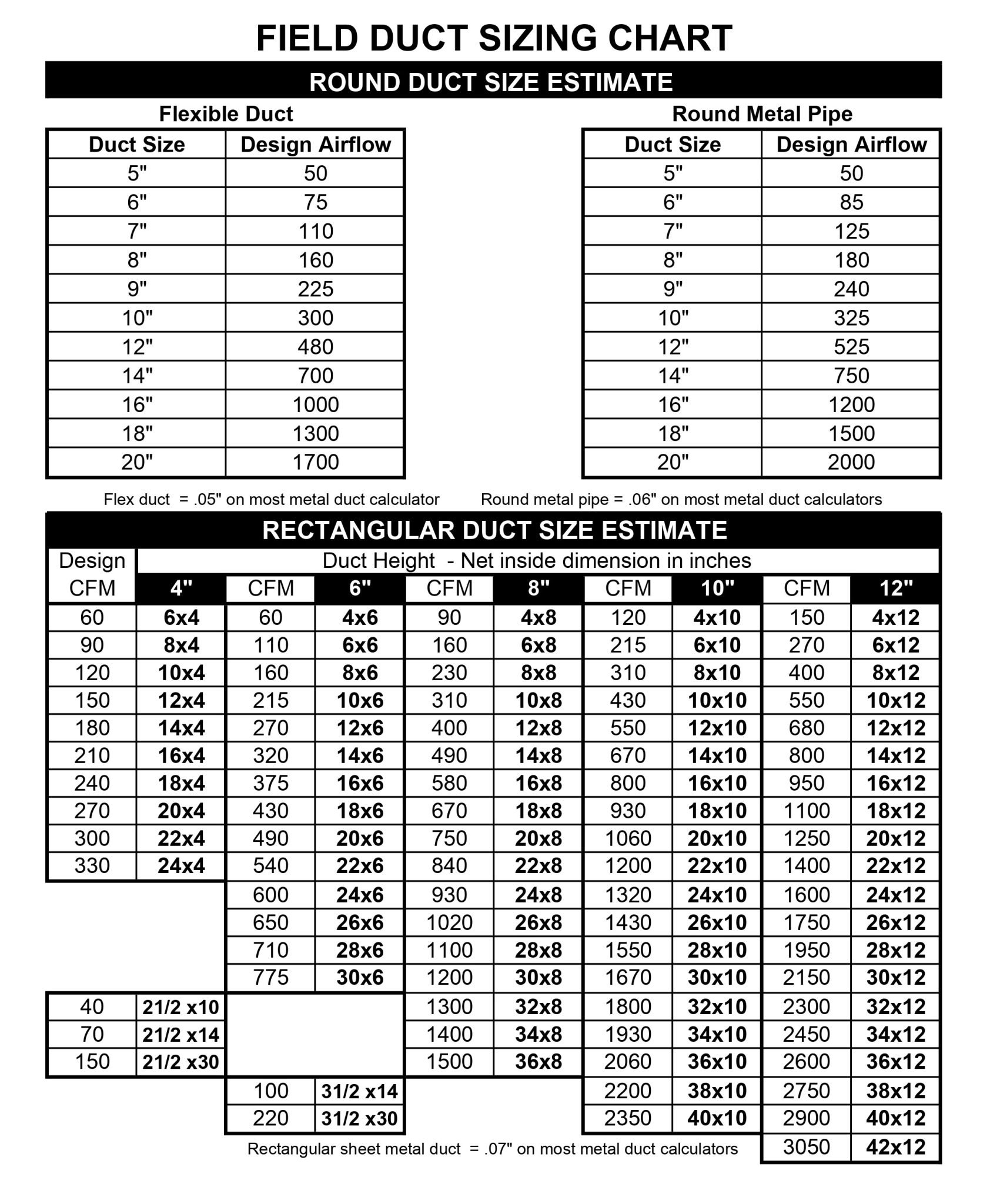
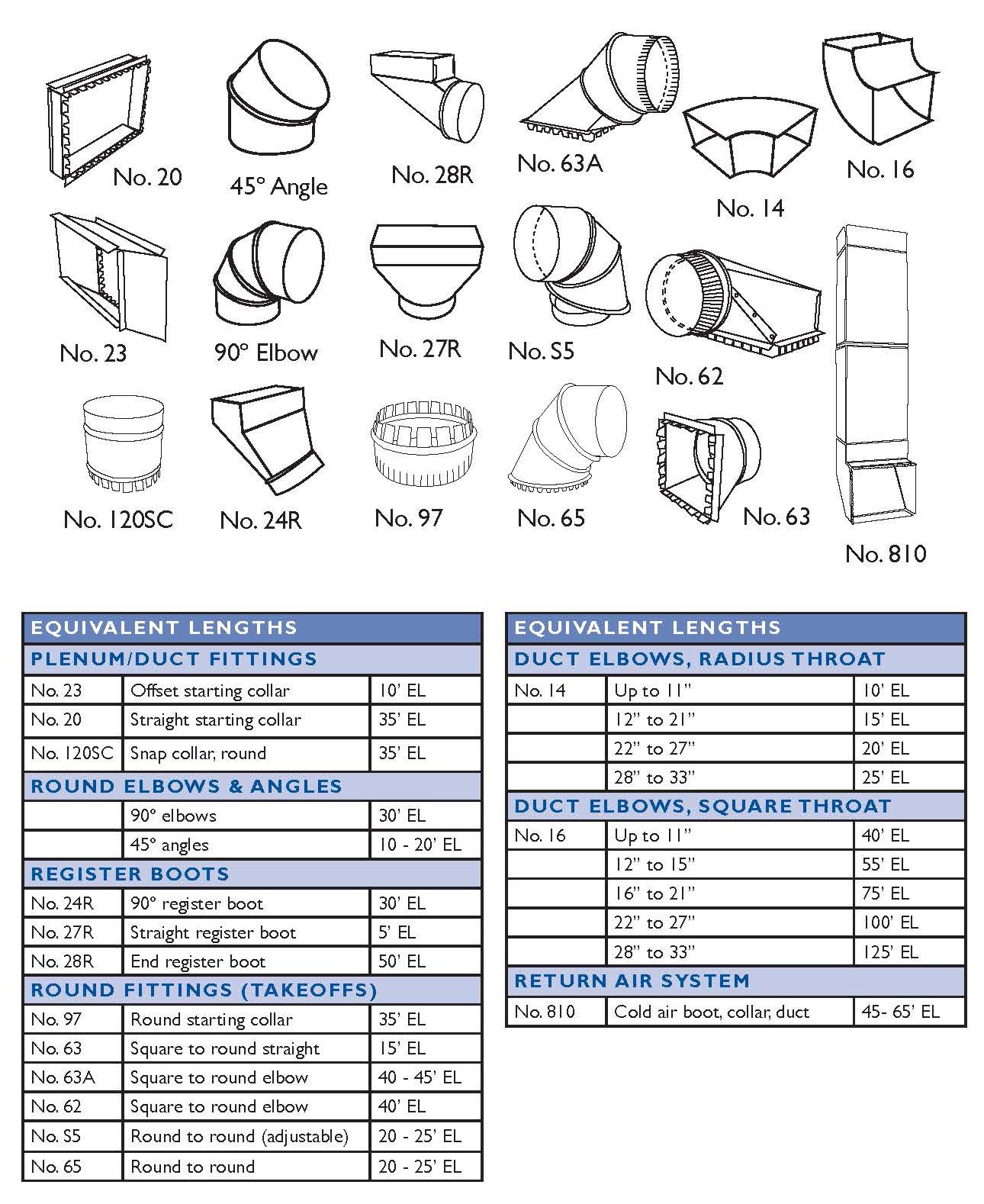
Many people often assume that a duct size chart is a complex and confusing tool, but it's actually a simple and incredibly useful reference for anyone dealing with HVAC systems. While it may look like a basic chart, it's an essential guide to ensure your ductwork is sized correctly. A duct size chart provides a clear overview of standard dimensions, helping you navigate the process with ease.
Duct Size Chart: Your Practical Guide
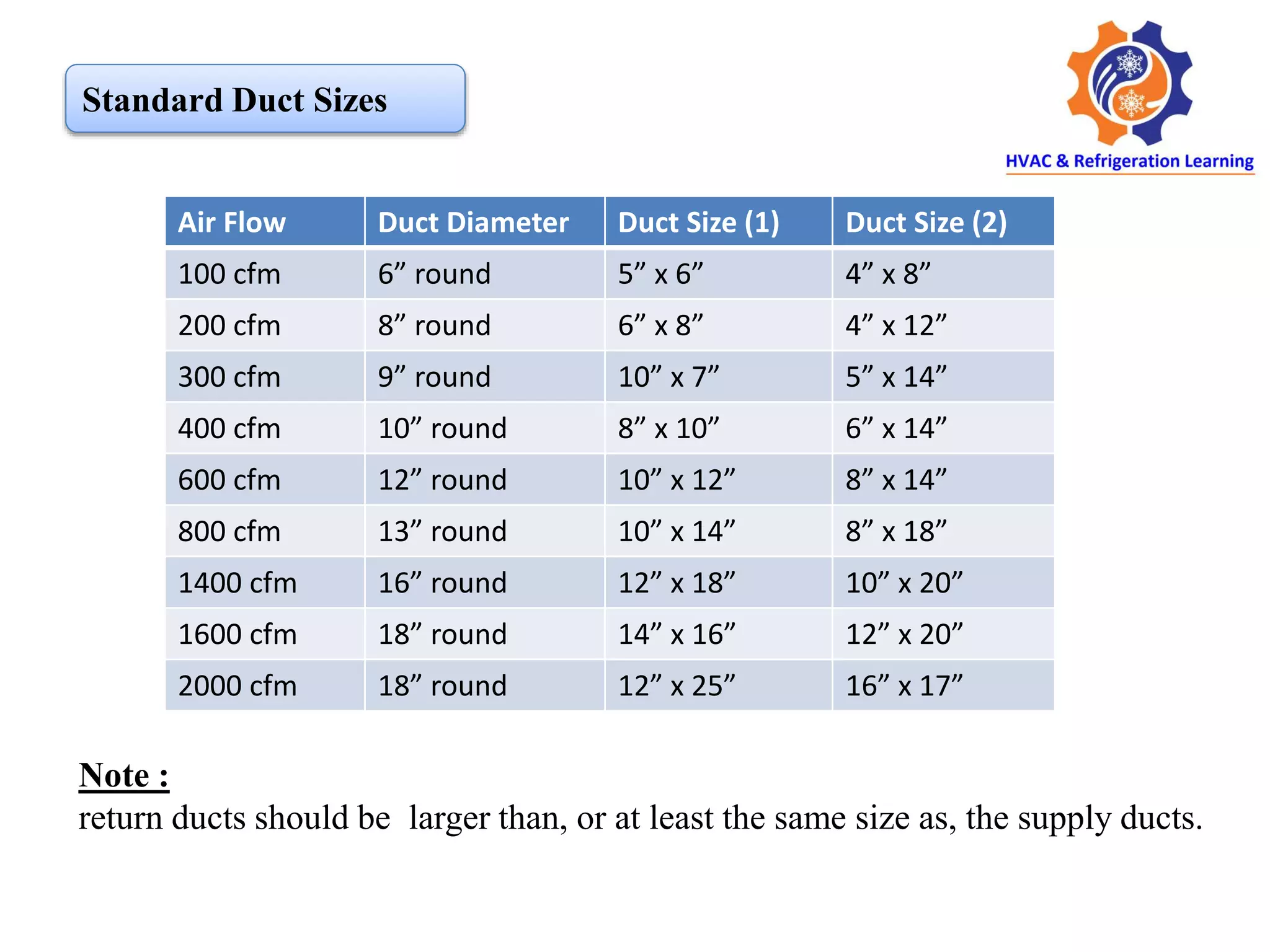
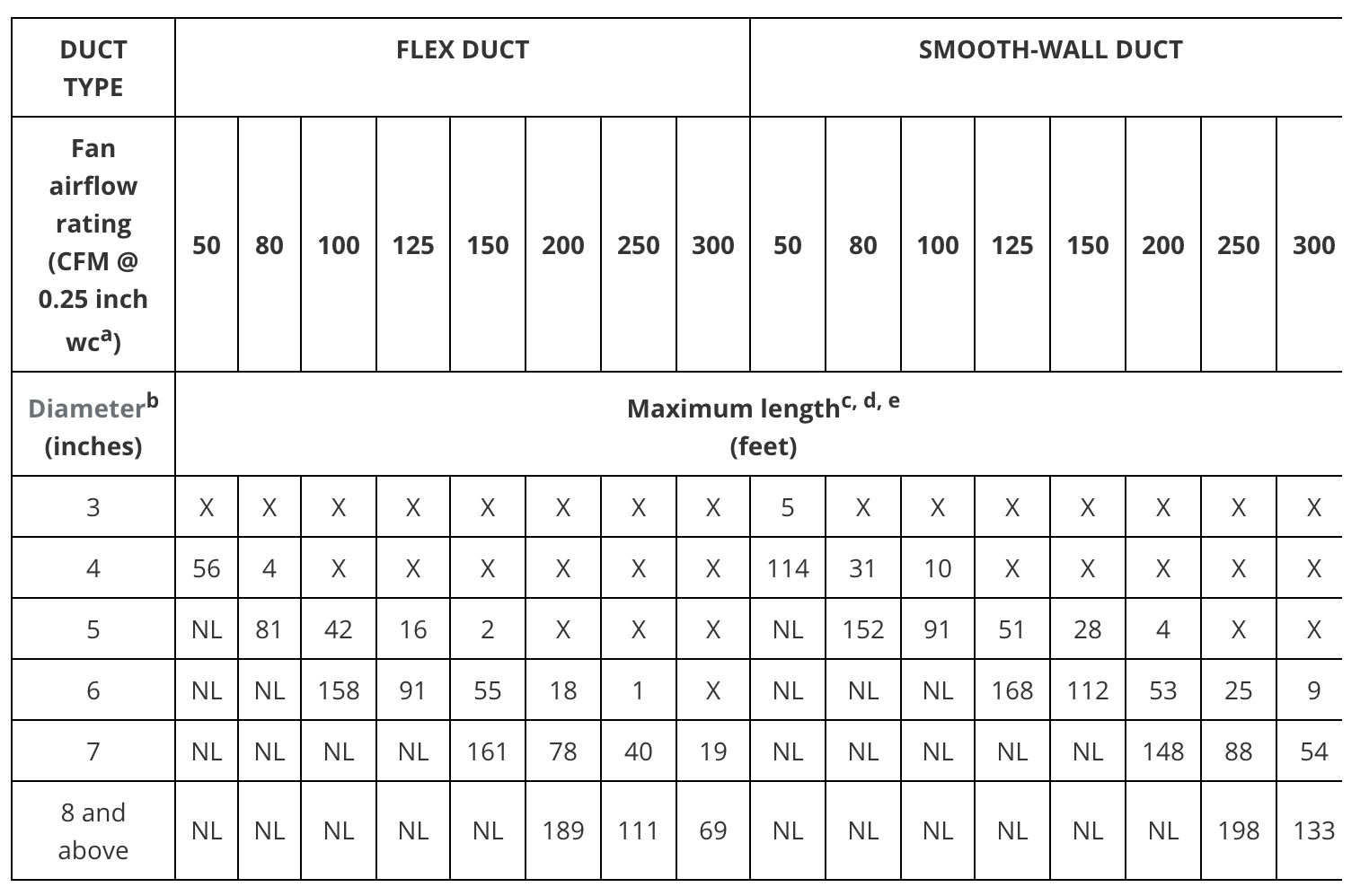
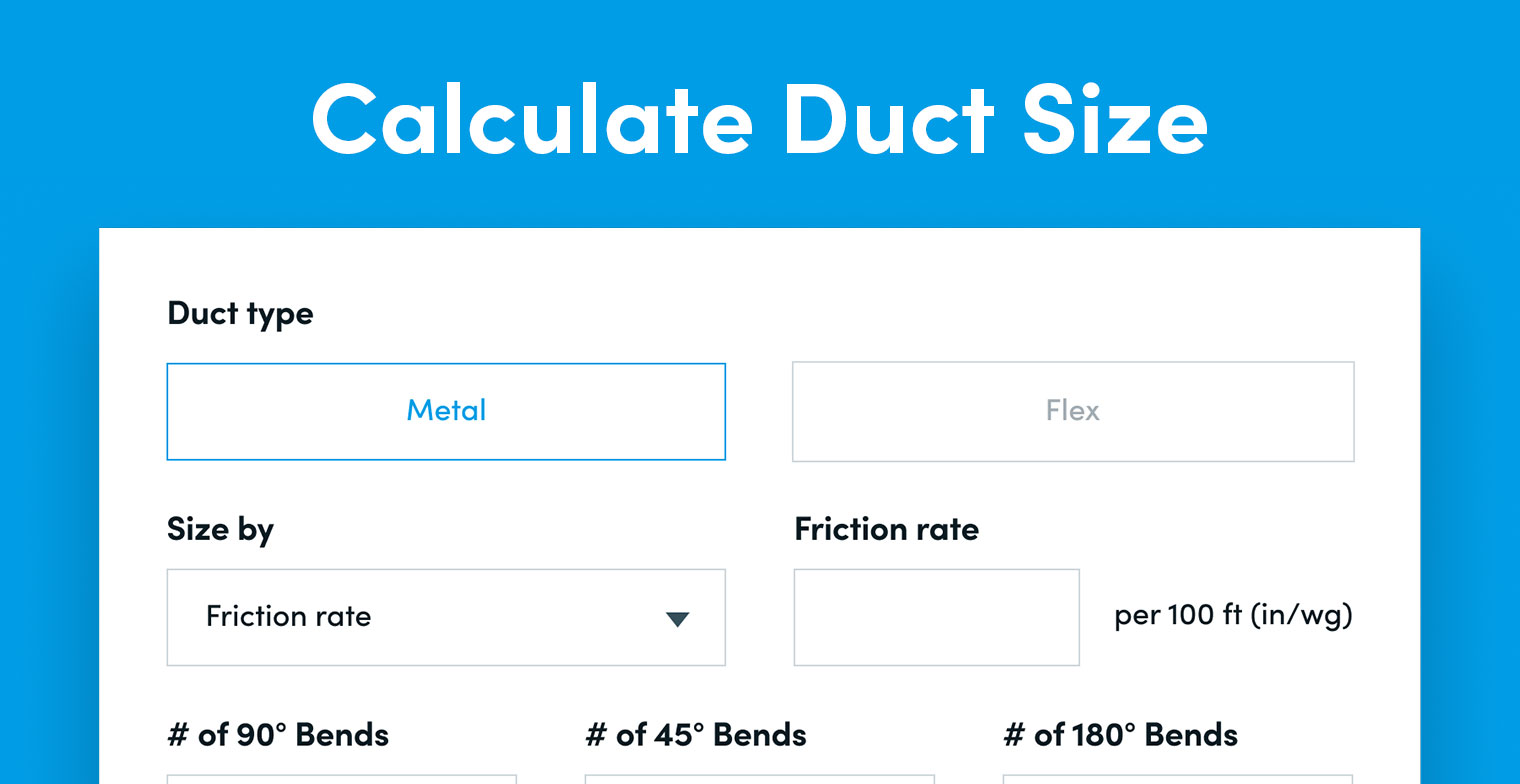
A duct size chart is an essential tool for anyone involved in HVAC (Heating, Ventilation, and Air Conditioning) systems or ductwork installation. It provides a standardized overview of duct dimensions, ensuring consistency and accuracy in design and construction. This chart is your go-to reference for understanding and specifying the right duct sizes for your projects.
Key Details and Categories
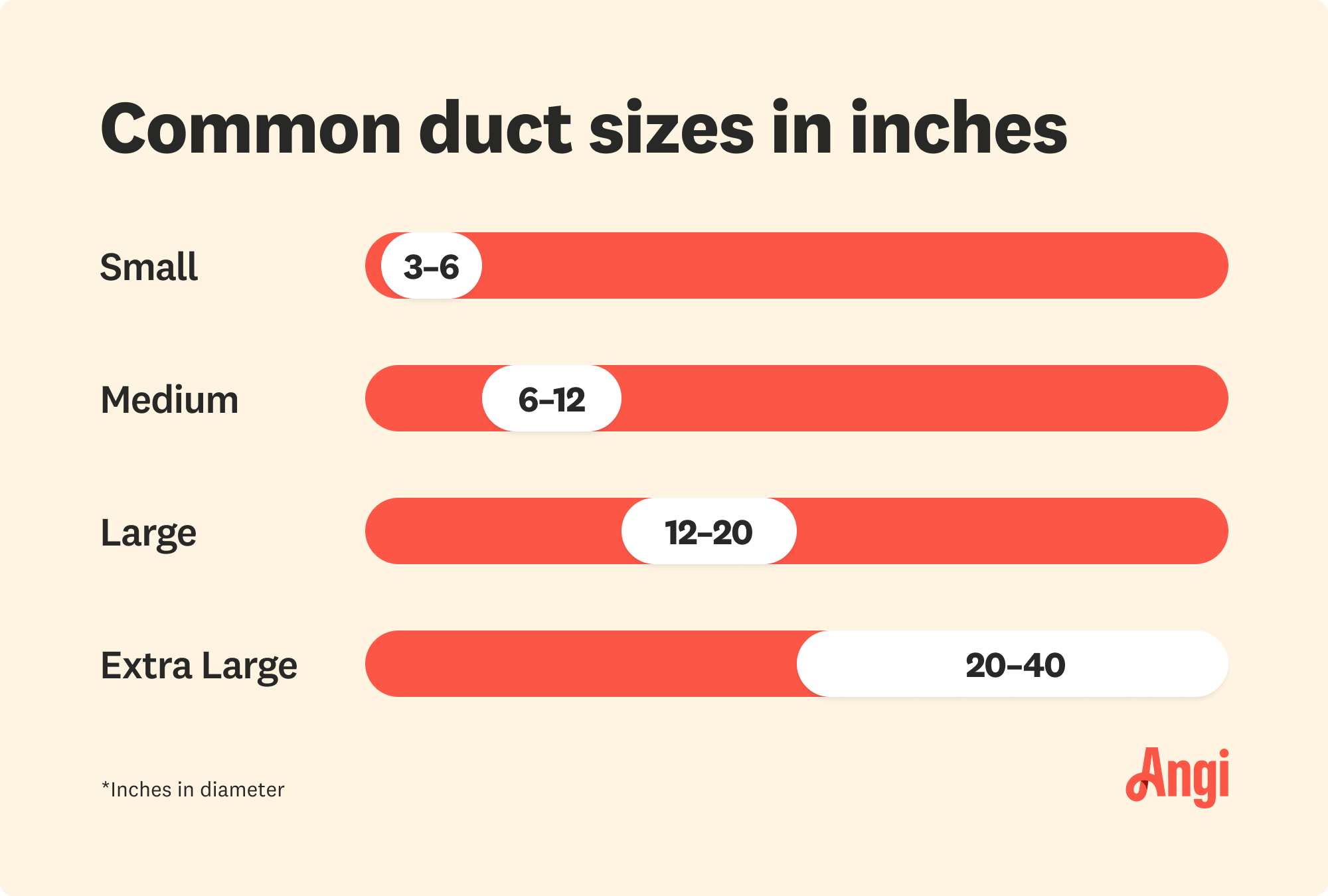
The duct size chart typically displays a range of standard duct sizes, with measurements given in both imperial and metric units. These sizes are categorized based on the cross-sectional area and shape of the ducts, with common categories including rectangular, round, and oval. The chart provides a quick reference for selecting the appropriate duct size, ensuring optimal airflow and system efficiency.
Reading the Measurements: A Step-by-Step Guide
Identify the Type: Start by determining the shape of your duct - rectangular, round, or oval. Each shape has its own set of measurements and considerations.
Choose the Standard: Duct size charts often follow specific standards, such as the Imperial or Metric systems. Ensure you are referencing the correct standard for your region or project requirements.
Locate the Size: Find the desired duct size on the chart. The chart will typically list the dimensions, such as width and height for rectangular ducts, or diameter for round ducts.
Verify the Area: Check the cross-sectional area of the duct, which is often provided in square inches or square feet for imperial units, and square centimeters or square meters for metric units. This ensures you are selecting a duct with the right capacity for your airflow needs.
Consider Additional Factors: While the chart provides standard sizes, real-world installations may require adjustments. Factors like insulation thickness, duct material, and system design can influence the final duct dimensions.
Variations and Differences: Understanding the Standards
Duct size charts can vary depending on the standard or region they adhere to. For instance, the Imperial system, commonly used in the United States, has its own set of standard duct sizes, while the metric system, used internationally, follows a different set of measurements. These variations ensure that ductwork installations meet local building codes and industry standards. It's crucial to reference the correct chart for your specific context to avoid errors and ensure compliance.
Well, there you have it! A duct size chart is a handy tool, but remember, it's always best to check the specific requirements and standards relevant to your project. These charts provide a great starting point, but exact values can vary, so it's wise to double-check.
Feel free to explore our other guides; we've got plenty of practical resources to help you navigate various aspects of your projects. Happy planning, and remember to keep those ducts in check!
Related: Need a canvas size? Check our chart!
You've stumbled upon the canvas sizes chart, a handy tool for artists and creators, and you're eager to dive right in. This chart is your quick reference guide, offering a clear overview of canvas dimensions, from the standard sizes to the more unique formats. It's a simple yet effective way to ensure you choose the right canvas for your next masterpiece, and it can vary depending on your region and preferences.
Understanding the Canvas Sizes Chart
The canvas sizes chart is your go-to guide for all things related to canvas dimensions. It's a handy reference tool that simplifies the process of choosing the right canvas size for your art or project. This chart provides a clear overview of standard canvas sizes, helping you make informed decisions and avoid any potential sizing headaches.
Standard Sizes Explained
When you look at a canvas sizes chart, you'll notice a range of sizes, each represented by a specific code or label. These codes often consist of numbers and letters, like '12x16' or 'M4'. The numbers indicate the dimensions in inches or centimeters, depending on the standard being used. The letters, if present, often represent a specific format or ratio, such as 'M' for metric or 'S' for a standard ratio. It's important to note that the units and categories can vary based on the standard, so always double-check the specific chart you're using.
Practical Size Selection: A Step-by-Step Guide
Selecting the right canvas size is a breeze with this simple process:
Identify the purpose: Are you painting a landscape, a portrait, or something abstract? Different subjects may require specific ratios or sizes.
Choose your standard: Decide if you prefer the metric system or imperial measurements. This choice will determine the units used on your chart.
Refer to the chart: Locate the desired dimensions on the canvas sizes chart. The chart will provide the corresponding code or label for that size.
Cross-reference: If needed, check the dimensions against your specific project requirements. Ensure the size aligns with your vision and any practical constraints.
Variations and Differences
While the canvas sizes chart provides a comprehensive guide, variations can occur due to different standards and contexts. For instance, the metric and imperial systems have distinct measurement units, which can lead to slight differences in size. Additionally, some manufacturers may have their own unique sizing systems, especially for larger or specialized canvases. It's crucial to be aware of these variations and ensure you're using the correct chart for your needs.
Common Mistakes and How to Avoid Them
One common pitfall is assuming that all canvas sizes are universal. Always check the standard being used to avoid confusion. Another mistake is neglecting to consider the aspect ratio. Different ratios can significantly impact the final look of your artwork, so choose wisely. Lastly, don't forget to account for the thickness of the canvas itself, as this can affect the overall dimensions.
Tips for Accurate Results
To ensure precision, always measure your workspace or display area before selecting a canvas size. This step is especially crucial for larger projects. Additionally, consider the scale of your subject matter. A small, intricate painting may require a different size canvas than a bold, large-scale piece. Trust your artistic instincts and let the chart guide you towards the perfect size.
Double-Checking and Edge Cases
While the canvas sizes chart covers a wide range of standard sizes, it's important to remember that exceptions exist. If you have a unique or non-standard project, you may need to customize your canvas size. In such cases, consult with a professional framer or artist who can guide you through the process and ensure your specific requirements are met.
Hey there, I hope this canvas sizes chart has been a helpful reference for your projects. Remember, while the basics are covered here, exact values can vary slightly depending on the context and the source you're working with, so always double-check if you're unsure.
Feel free to explore other guides on our site for more practical tips and insights. We've got a range of topics covered, so you can find the information you need to tackle any creative challenge!