





Horse Colors Chart A4 Overview
Many people mistakenly believe that vocal ranges charts are complex and intimidating, but in reality, they are a simple and powerful tool for singers and vocal enthusiasts. These charts, often presented as visual guides, provide a clear overview of the different voice types and their respective ranges. While the specifics may vary slightly depending on the source, the vocal ranges chart serves as an accessible reference, helping singers navigate and understand their vocal potential.
Understanding the Chart: An Overview
The vocal ranges chart is a handy reference tool for singers and vocal enthusiasts. It provides a visual representation of the different vocal ranges, helping you identify and understand your voice type and its capabilities. This chart is a great starting point for anyone wanting to explore their singing potential and improve their vocal technique.
Comparing Voice Types and Ranges
The chart typically categorizes vocal ranges into several standard types, including soprano, mezzo-soprano, alto, tenor, baritone, and bass. Each category has a specific range of notes, shown as a visual scale, that defines the voice's capabilities. For instance, a soprano voice, often associated with higher pitches, has a range that extends to the higher end of the scale.
How to Read and Use the Chart
Using the vocal ranges chart is straightforward:
- Identify your voice's general range by singing through a scale or using a pitch-detecting app.
- Locate your lowest and highest comfortable notes.
- Refer to the chart and match your range with the closest vocal type.
- Use this information to choose songs that suit your voice and explore your vocal potential.
For example, if your range aligns with the soprano category, you'll know you can comfortably sing higher-pitched songs.
Common Misconceptions and Pitfalls
One common mistake is assuming that the chart provides an exact, rigid definition of your voice type. In reality, vocal ranges can overlap, and some voices may not fit neatly into one category. It's essential to understand that the chart is a guide, and your voice may have unique characteristics that set it apart. Additionally, factors like age, training, and vocal health can influence your range, so regular assessment is beneficial.
Factors Affecting Accuracy and Real-World Use
Several key factors can impact the accuracy of the vocal ranges chart and its real-world application:
- Age and Development: Vocal ranges can change as you age, especially during puberty and early adulthood.
- Training and Practice: Consistent vocal training can expand your range and improve your technique.
- Vocal Health: Illness, strain, or damage to the vocal cords can temporarily alter your range.
- Musical Style and Genre: Different music genres may require specific vocal ranges or techniques.
Adapting the Chart for Specific Needs
While the standard vocal ranges chart is a great starting point, it might not cater to everyone's needs. For instance, some charts provide more detailed subdivisions for specific voice types, offering a more precise guide. Others might use different measurement systems or cater to non-traditional vocal styles. It's essential to choose a chart that aligns with your musical goals and preferences. If you're unsure, consulting a vocal coach or expert can provide valuable guidance.
Hey there! I hope this vocal ranges chart guide has been a helpful tool for you. Remember, these charts are a great reference, but they are not set in stone; the exact details might differ slightly based on your specific needs and the context.
Feel free to explore other guides and resources to deepen your understanding. And don't forget to bookmark this page for future reference; it's always handy to have these tools at your fingertips!
Related: Understand Wrist Size Chart: A Quick Guide
You're probably here because you need a quick answer, and the wrist size chart is a handy tool for just that. It's a simple yet effective way to get accurate measurements, whether you're sizing up for a new watch or jewelry. This chart, a sizing guide, provides a reliable reference, and it's worth noting that the values may vary slightly depending on your region or the brand's standards.
Understanding the Wrist Size Chart
A wrist size chart is a handy tool that helps you determine the right size for various accessories like watches, bracelets, and even medical equipment. It's a simple yet effective guide, often presented as a table or diagram, that provides a quick reference for wrist measurements.
Key Details and Units
The wrist size chart typically includes two main columns: wrist circumference and corresponding size categories. The wrist circumference is measured in centimeters (cm) or inches, depending on the standard being used. You'll find a range of values, usually from around 12 cm to 22 cm, with each value representing a specific wrist size. Alongside these measurements, you'll see size categories, often labeled with letters or numbers, which indicate the appropriate accessory size.
How to Read and Apply the Chart
Using the wrist size chart is straightforward:
Measure your wrist circumference. This is done by wrapping a flexible tape measure around your wrist at the point where you'd wear a watch or bracelet. Ensure the tape is snug but not too tight.
Locate your measurement on the chart. Find the value that matches your wrist circumference.
Determine your size category. The chart will provide a letter or number corresponding to your measurement. This is your size category.
Select the right accessory. When shopping for watches, bracelets, or other wrist-worn items, refer to the size category you've identified. Most manufacturers will provide a size guide, ensuring you choose the perfect fit.
Variations and Differences
It's important to note that wrist size charts may vary slightly depending on the standard or region. Some charts might use different units of measurement, like millimeters (mm) or even a combination of cm and inches. Additionally, certain manufacturers or brands might have their own unique sizing systems, so always double-check the specific guidelines provided by the brand you're interested in.
Common Mistakes and How to Avoid Them
When using a wrist size chart, one common mistake is measuring your wrist incorrectly. Ensure you follow the instructions precisely to get an accurate reading. Another pitfall is assuming all charts are universal. Always check the units and standards used on the chart to ensure it aligns with your needs. Additionally, be aware that some accessories, like medical equipment, might require more precise measurements, so always refer to the specific guidelines provided. Finally, remember that wrist sizes can change slightly throughout the day due to factors like temperature and activity levels, so consider measuring at different times for the most accurate result.
Hey there! I hope this guide has been helpful in understanding wrist size charts and their practical use. Remember, while the basics remain the same, exact values can vary, so always double-check your source.
Don't forget to bookmark this page for future reference. It's a handy tool to have at your fingertips, and you never know when you might need to measure a wrist or two!
Related: What's the bit size chart I need?
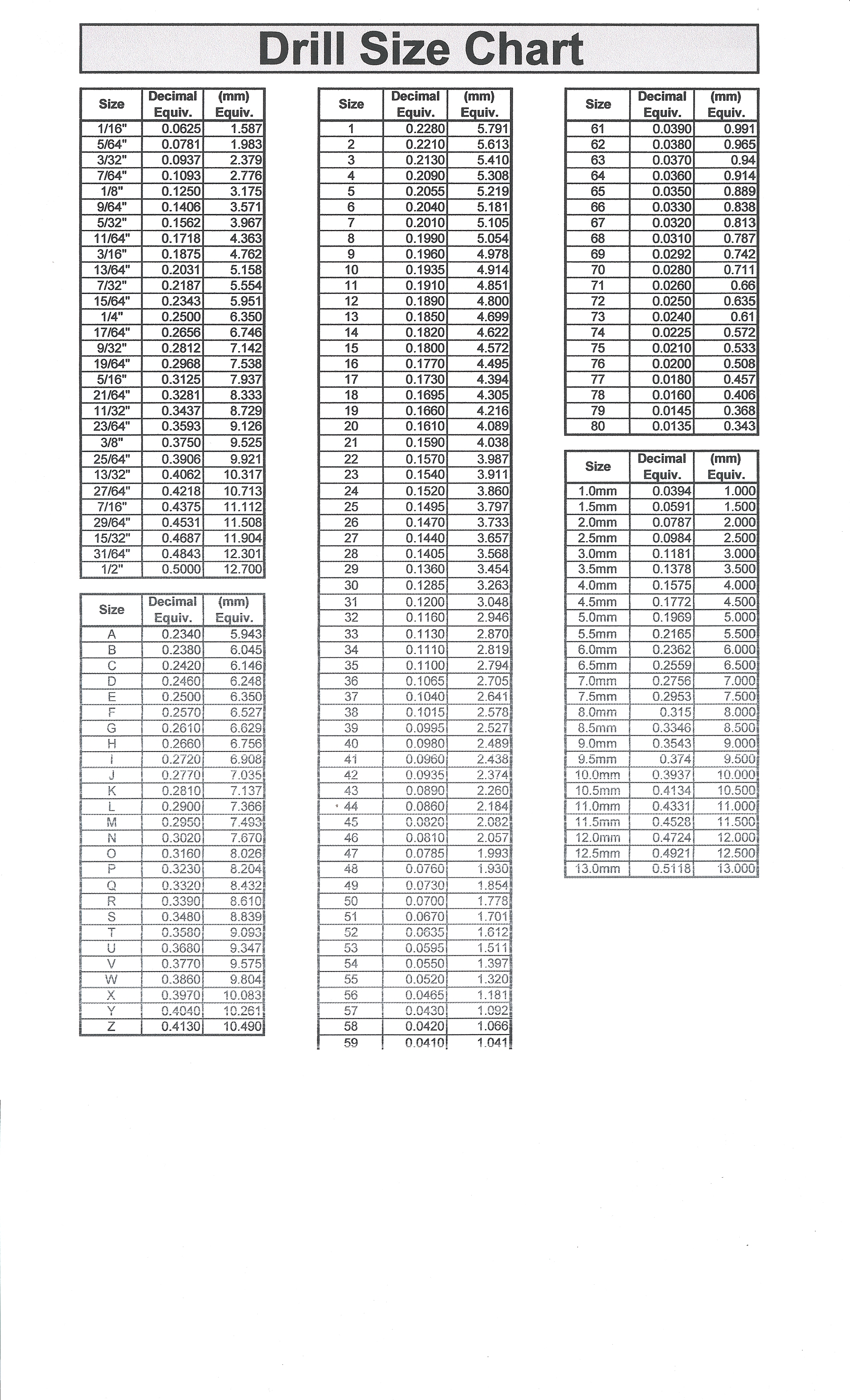
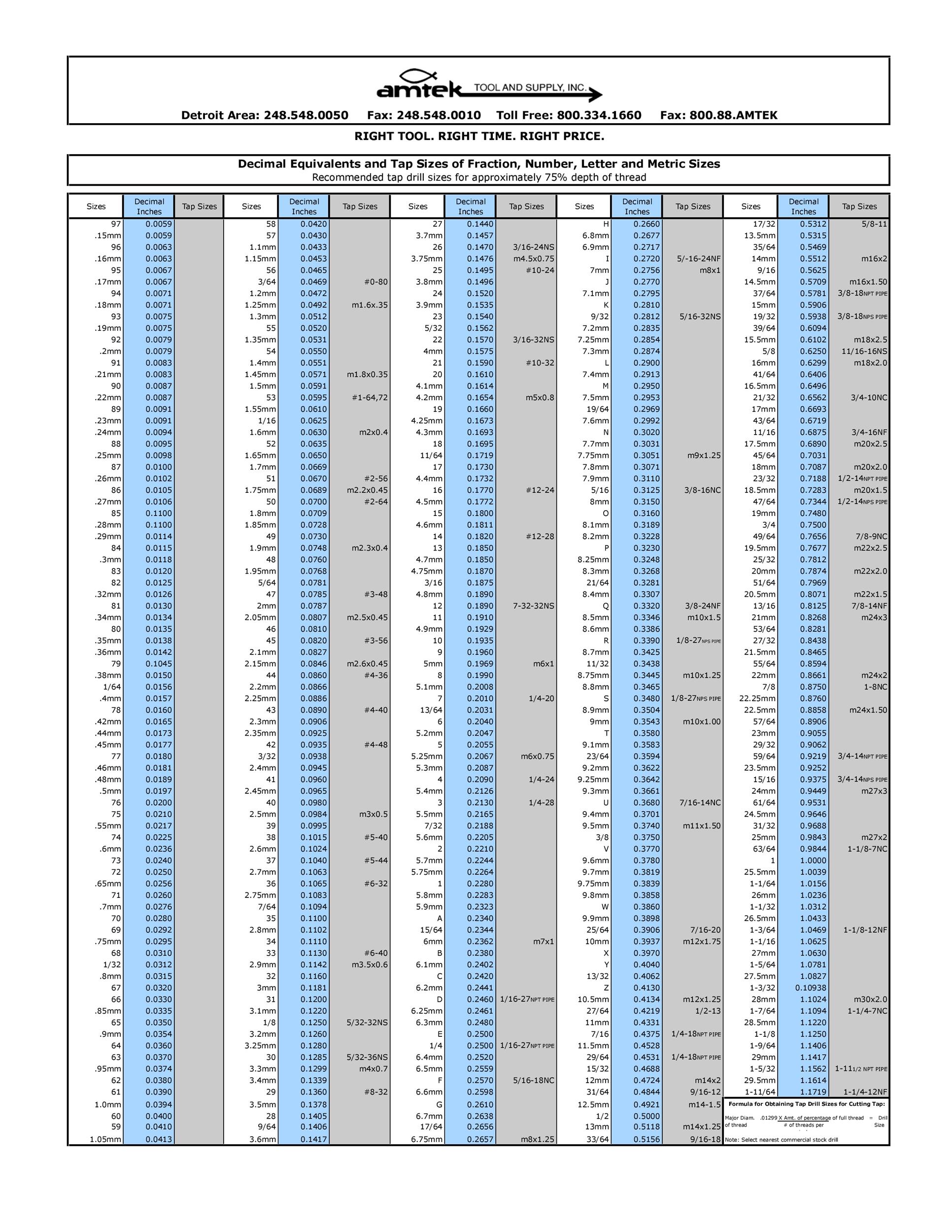
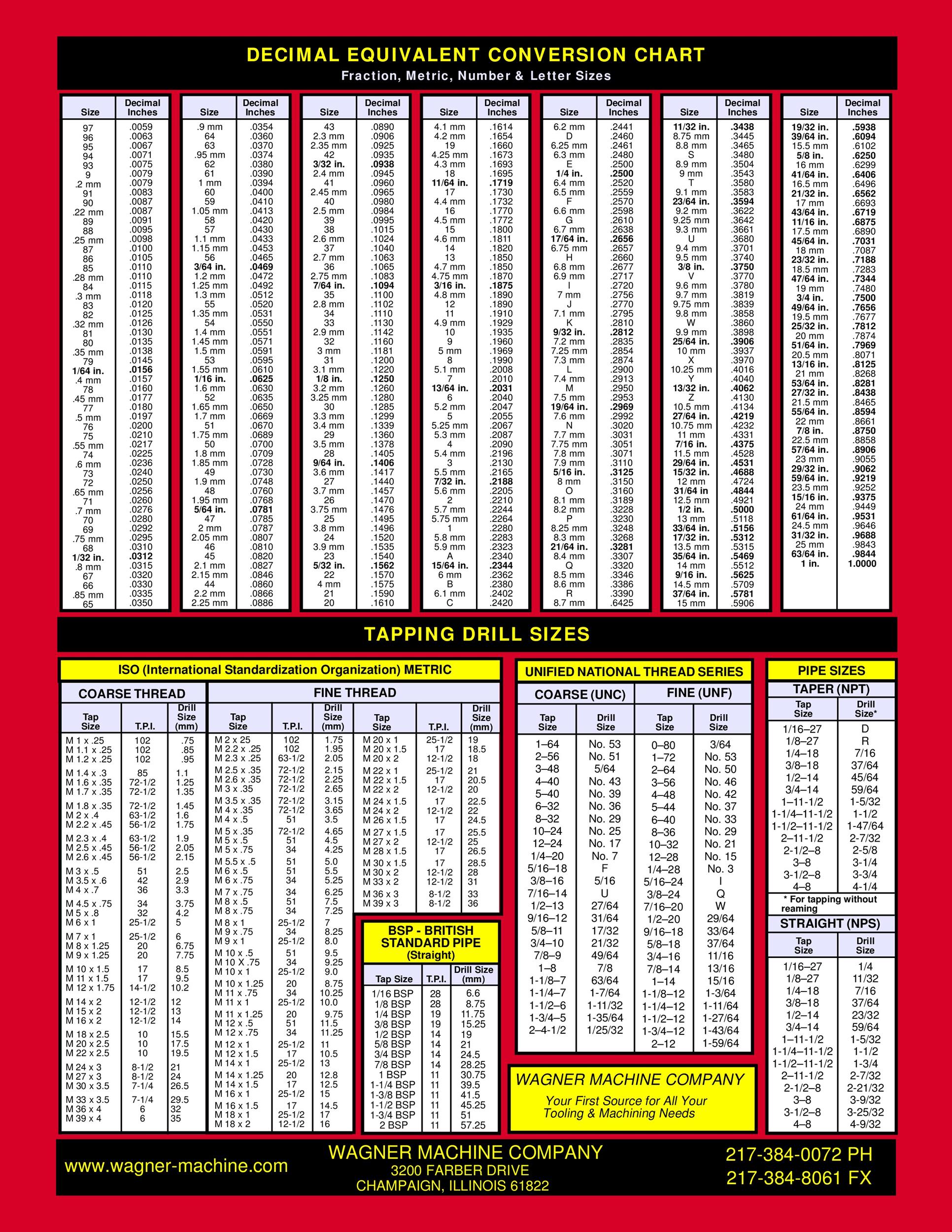
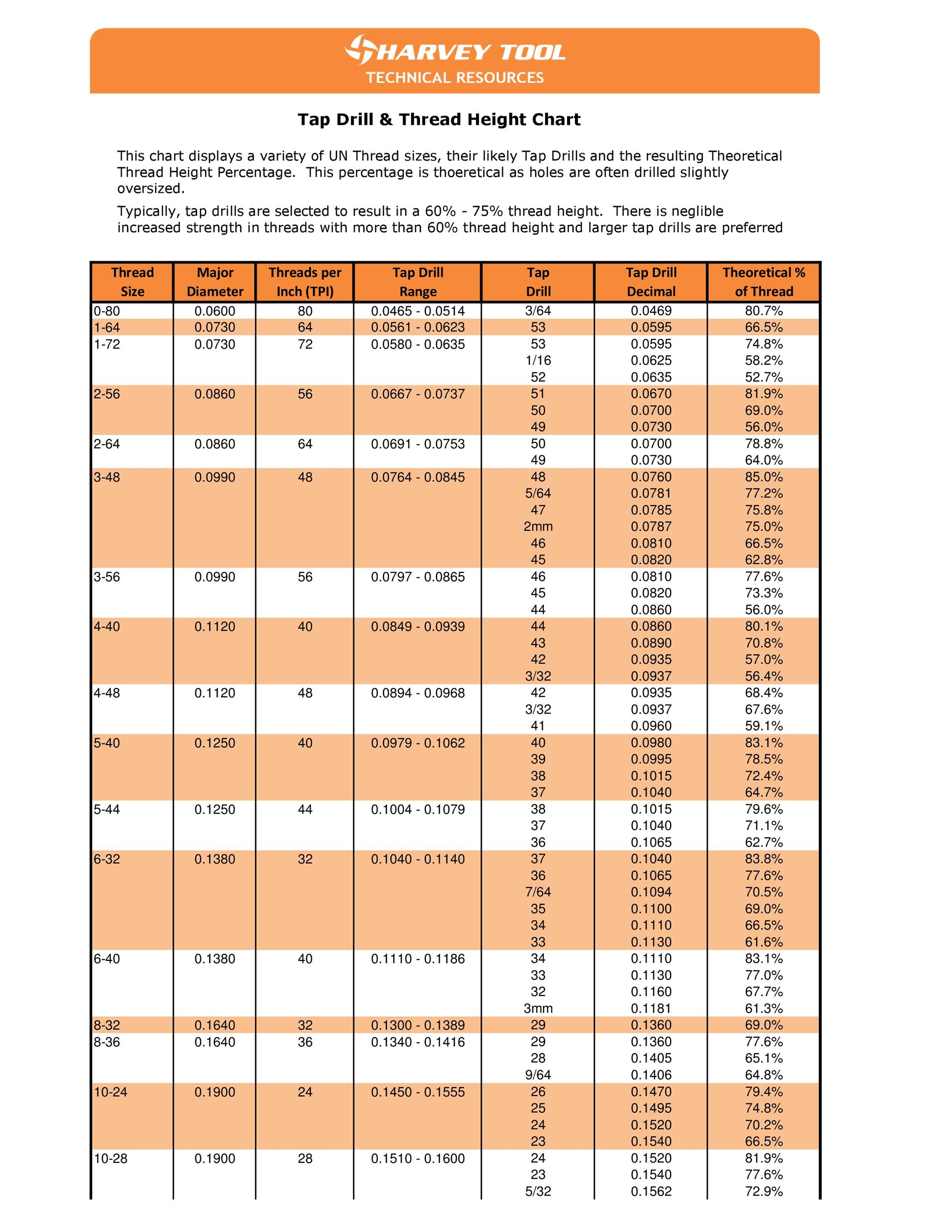
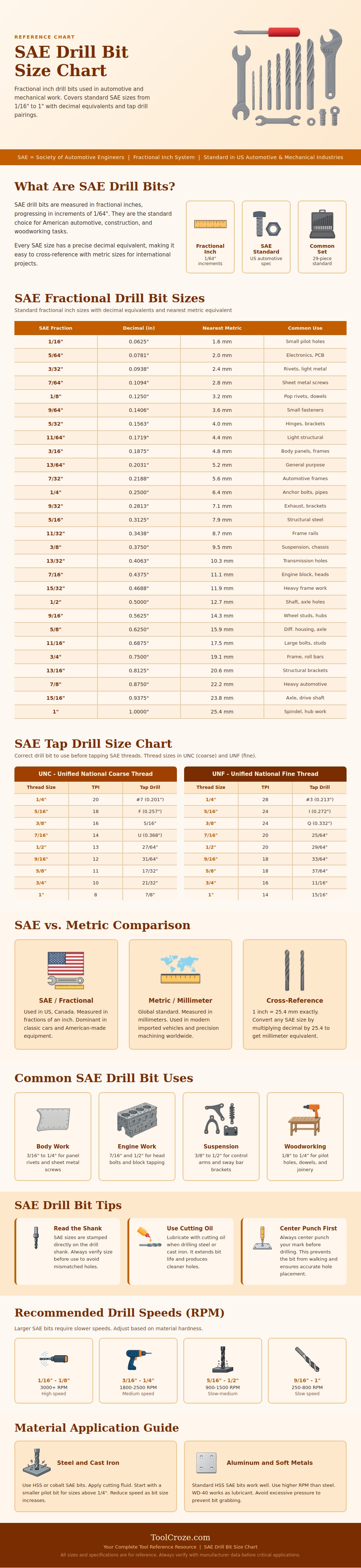
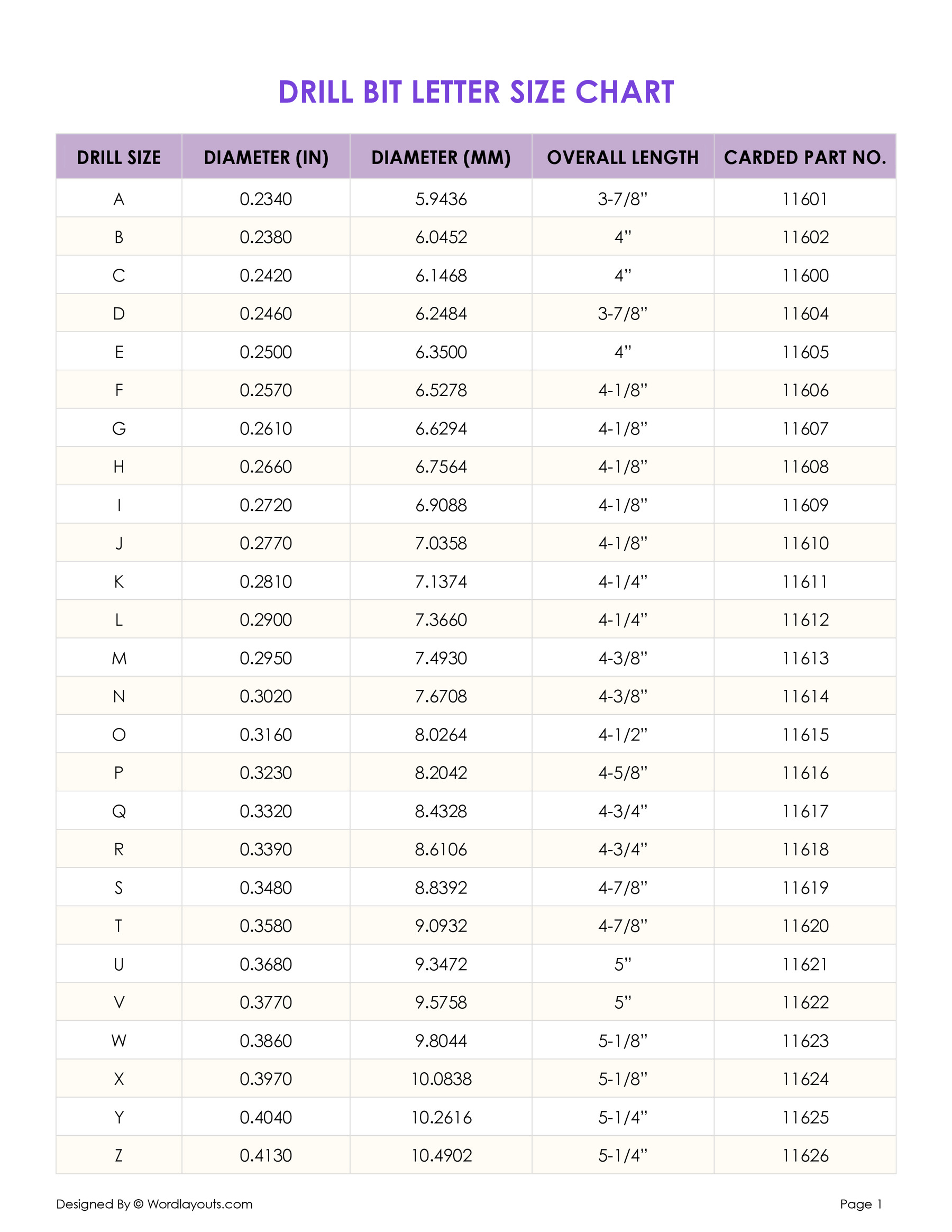
Many people approach the bit size chart with some confusion, often mistaking it for a complex and intimidating tool. In reality, it is a simple and incredibly useful reference guide, designed to provide clarity and precision. This chart, a trusted companion for many, offers a straightforward way to determine and compare various bit sizes, be it for drill bits, screws, or other applications. While the values and formats may vary depending on the context, the bit size chart remains a reliable starting point, ensuring you choose the right size for your specific needs.
Understanding the Bit Size Chart
The bit size chart is a practical tool that provides a visual reference for various bit sizes used in drilling and fastening applications. It offers a quick and easy way to identify and select the appropriate bit for your project, ensuring precision and efficiency.
Key Details and Categories
The chart typically includes two main categories: fractional and metric bit sizes. Fractional sizes are commonly used in the US and are expressed in fractions of an inch, such as 1/4" or 3/8". Metric sizes, on the other hand, use millimeters and are more prevalent internationally. These categories further break down into specific sizes, each with its unique measurements and applications.
Reading the Measurements: A Step-by-Step Guide
- Identify the Type: Determine whether you need a fractional or metric bit size. This depends on your location and the standard used in your region.
- Locate the Chart: Find a reliable bit size chart that covers both fractional and metric sizes. Ensure it includes the specific range of sizes you require.
- Match the Size: Compare the size of the fastener or hole you are working with to the chart. Look for the closest match, keeping in mind that some sizes may have slight variations.
- Select the Bit: Once you've identified the size, choose the corresponding bit from your collection or purchase one if needed. Ensure it is designed for the material you are working with, such as wood, metal, or concrete.
- Double-Check: Always verify the bit size with the actual fastener or hole to avoid errors.
Common Size Variations and Their Causes
Size variations can occur due to several factors:
- Screw Head Size: Different screw head types, like Phillips or flat head, may require specific bit sizes.
- Material: The hardness and type of material can influence the bit size needed. For instance, drilling into hardwood may require a different bit than for softwood.
- Standard Screw Sizes: While the bit size chart covers a wide range, some projects may use non-standard screw sizes, requiring additional research or custom bits.
- Drill Bit Conversion: In cases where you need to convert between fractional and metric sizes, a drill bit conversion chart can be helpful.
- Tolerances: Manufacturing tolerances can lead to slight variations in bit sizes, so always refer to the specific tolerances for your application.
- Bit Size for Wood Screws: When working with wood screws, the chart may provide guidance, but it's essential to consider the screw's thread pitch and material.
So, with your new understanding of bit sizes and their applications, you're well-equipped to tackle any project that comes your way. Remember, while this guide provides a solid foundation, it's always wise to verify the specific requirements for your task, as exact values may differ slightly across standards.
Feel free to explore our other resources on the site; we've got plenty of practical guides to enhance your skills and knowledge. Happy learning, and keep those projects rolling!