



Hot Air Balloon Printable Overview
Many people approach hair colors charts with a bit of trepidation, assuming they are complex and confusing. But fear not! These charts are your friends and can be incredibly useful tools.
They provide a simple, visual way to understand and choose hair colors. While the specific values and formats may vary, the hair colors chart remains a reliable guide, offering a clear path to achieving your desired hair color. Think of it as a map, leading you to your perfect shade, with the color wheel and hair color levels acting as your compass.
Hair Colors Chart: A Visual Guide to Hair Dye Shades
The hair colors chart is a handy reference tool for anyone looking to experiment with hair dye. It's a visual representation of different hair colors, shades, and tones, helping you choose and understand the various options available. This chart is a great starting point for anyone new to hair coloring or those seeking a specific shade.
Key Details and Categories
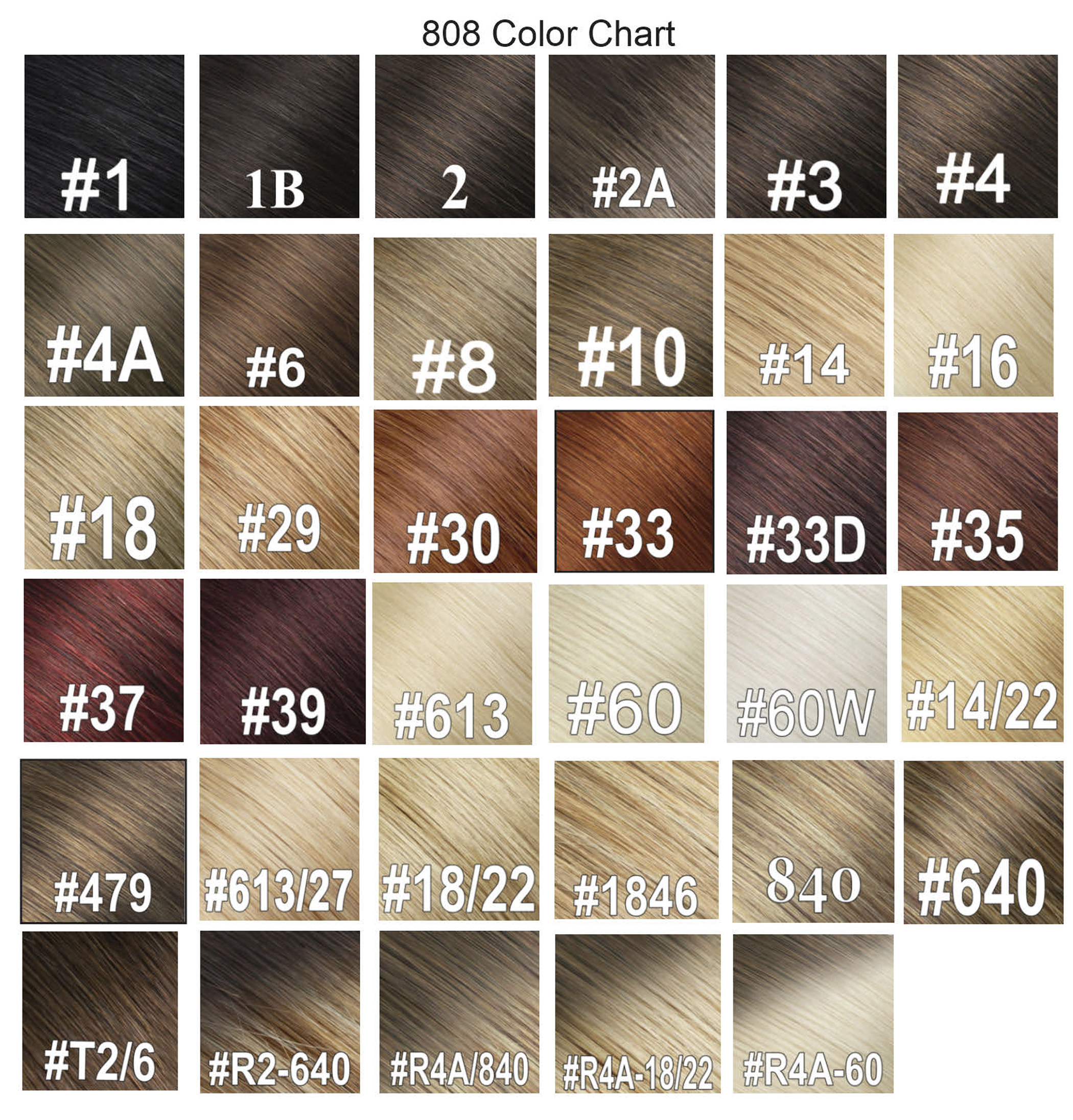
The hair color guide typically features a range of colors, organized into sections or families. You'll often find categories like "blonde," "brunette," "red," and "black," with further subdivisions for specific shades. Each color is usually represented by a swatch or a small square, showing the exact shade. Additionally, the chart may include a color wheel or a visual representation of color theory, which helps understand the relationships between colors.
Reading and Applying the Chart
To use the hair colors chart, start by identifying the color family you're interested in. Let's say you're looking for a specific shade of brown. Locate the "brunette" section and explore the various shades within. Each shade will have a unique code or number, which represents the specific formulation of that color. These codes are essential when purchasing hair dye, as they ensure you get the exact shade you want.
Here's a step-by-step guide:
- Identify the color family.
- Locate the specific shade you desire.
- Note the corresponding code or number.
- Use this code when purchasing hair dye to ensure an accurate match.
Variations and Differences
It's important to note that hair color charts may vary depending on the brand or manufacturer. Different companies may use slightly different shades or numbering systems. Additionally, the way hair reacts to dye can vary based on individual hair types and previous coloring treatments. Here are some key factors that can cause variations:
- Tone and depth: Hair color can appear different depending on the natural tone and depth of your hair.
- Previous coloring: If your hair has been dyed before, the new color may interact with the existing dye, resulting in a unique outcome.
- Hair type: The porosity and texture of your hair can affect how it absorbs and holds color.
- Environmental factors: Sun exposure and water quality can impact the longevity and vibrancy of your hair color.
When using a hair color chart, it's always a good idea to consult with a professional stylist, especially if you're aiming for a specific look or have unique hair characteristics. They can guide you towards the best shade and provide tips for achieving and maintaining your desired hair color.
Hey there! So, we've covered a lot of ground with this hair color chart, and I hope it's given you a clear picture of what you need to know. Remember, these charts are a great starting point, but exact details can differ slightly, so it's always good to double-check.
Feel free to explore our other guides; we've got plenty of practical tips and tricks to help you navigate the world of hair care and styling. Happy coloring!
Related: Understand the Blonde Hair Chart: A Simple Guide
A common misconception about the blonde hair chart is that it's solely for professionals; however, this handy tool is accessible and beneficial for anyone interested in hair coloring. The chart, a simple yet effective visual aid, offers a clear path to understanding and achieving desired blonde shades. It provides an organized system, often using a level system and tone guide, to navigate the world of blonde hair colors.
Understanding the Blonde Hair Chart
The blonde hair chart is a visual guide that helps you navigate the world of blonde hair colors. It provides a comprehensive overview of various blonde shades, their characteristics, and how they can be achieved. This chart is an essential tool for anyone looking to explore and experiment with blonde hair, whether you're a professional stylist or an individual seeking the perfect blonde.
Key Details and Categories
The blonde hair chart typically consists of a color wheel or a grid-like layout, with each section representing a specific blonde shade. These shades are categorized based on their level of lightness or darkness, often referred to as the "level system." The levels range from 1 to 10, with 1 being the darkest blonde and 10 being the lightest, almost white blonde. Additionally, the chart may include sub-categories to indicate the tone, such as ash, golden, or platinum. Each shade is further described using a combination of numbers and letters, providing a unique code for each color.
Reading and Applying the Blonde Hair Chart
To use the blonde hair chart, follow these steps:
- Identify your current hair color's level and tone. This will help you determine the starting point for your blonde journey.
- Choose your desired blonde shade from the chart. Consider the level and tone that appeal to you and match your personal style.
- Understand the required process. The chart may indicate if a simple tone change is enough or if you need a more extensive color transformation.
- Consult a professional. While the chart provides a guide, a qualified stylist can offer personalized advice and ensure a safe and successful hair color change.
- Maintain your blonde. Follow aftercare instructions and use specialized products to preserve the color and health of your hair.
Variations and Differences
It's important to note that blonde hair charts may vary depending on the standard or brand being used. Different manufacturers may have slightly different level systems or tone guides. Additionally, individual hair types and previous color treatments can affect the final result. Here are some key factors that can cause variations:
- Hair porosity: The ability of hair to absorb and retain moisture can impact color uptake.
- Natural hair color: Starting from a darker base may require multiple processes to achieve a light blonde.
- Previous color history: Hair that has been previously colored may react differently to new color applications.
- Environmental factors: Sun exposure and water quality can affect the longevity of blonde shades.
Remember, while the blonde hair chart is a valuable tool, it's always recommended to seek professional advice for the best results and to ensure the health of your hair.
Before you put this chart into action, remember to tailor it to your specific needs. While we've covered the basics, the exact values and categories may vary slightly between different sources and standards. So, take a moment to ensure you have the right references for your context.
Consider bookmarking this page for future reference. It's a handy tool to have at your fingertips, and with a quick refresh, you'll be ready to navigate the world of blonde hair tones with confidence!
Related: Understand the Hair Shade Chart: A Simple Guide
You're here because you need a quick fix, right? A simple, reliable reference for your hair color adventure. Well, the hair shade chart is your trusty guide, a visual map to navigate the world of hair colors. It's a handy tool, a quick-glance reference, offering a range of shades and tones to explore. From natural hues to bold, vibrant choices, the chart lays it all out. You'll find tone levels, hair dye shades, and even a color wheel to help you match and create your desired look.
Understanding the Hair Shade Chart: Your Guide to Hair Color
The hair shade chart is a handy tool that helps you navigate the world of hair color. It's a visual reference, often in the form of a color wheel or a detailed table, that displays a range of hair colors and their corresponding shades. This chart is your friend when you want to achieve a specific hair color or match a particular shade.
Comparing Hair Color Standards and Formats
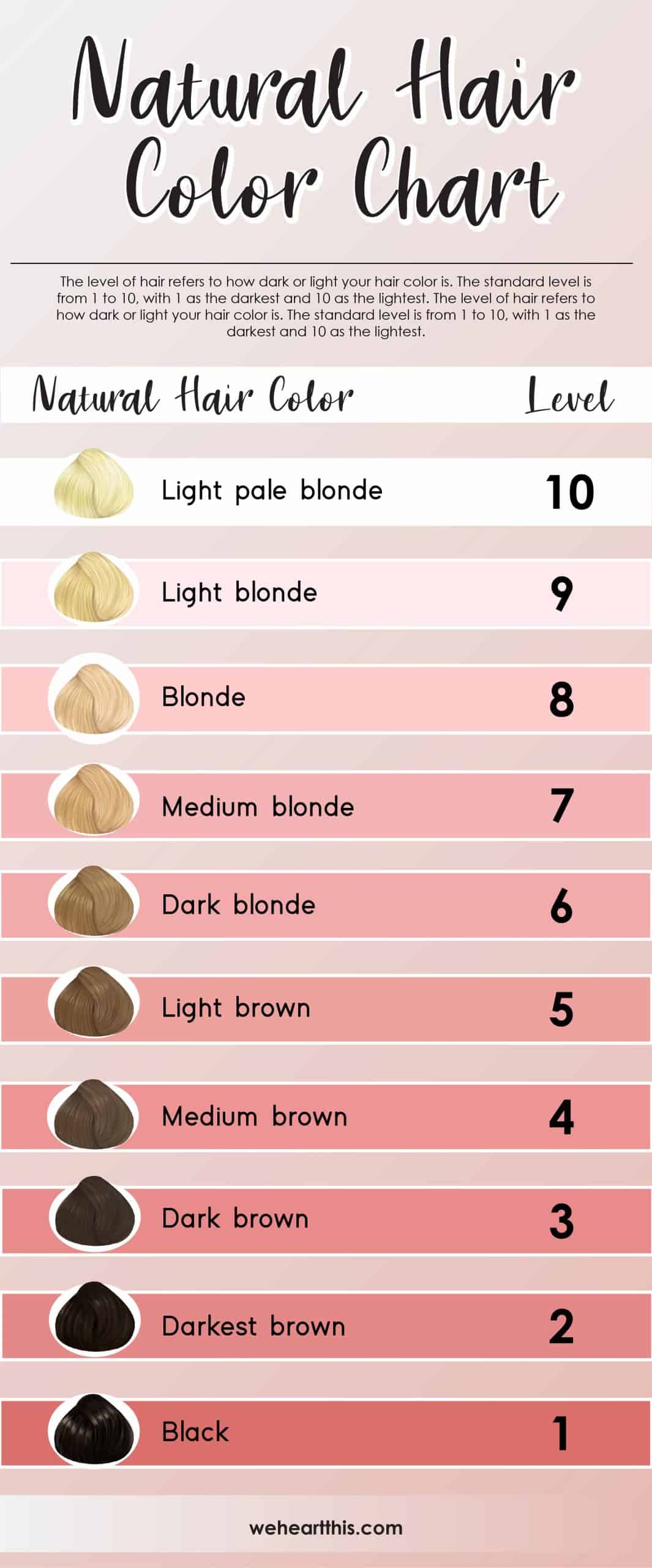
There are different standards and formats for hair color charts, which can vary based on the region and the manufacturer. The most common ones are the hair dye shades charts, which use a numerical system to represent different tones. These charts often have a range of numbers, like 1 to 10 or 1 to 12, with each number representing a distinct shade. For instance, a level 1 might be the darkest black, while a level 10 could be a light blonde.
Using the Hair Shade Chart: A Step-by-Step Guide
Using the hair shade chart is simple once you know how. First, identify the standard or brand you're working with. This ensures you're using the right chart for your hair color products. Next, locate your current hair color on the chart. This gives you a starting point. Then, decide on your desired hair color. The chart will help you visualize the difference and choose the right shade.
For example, if you have dark brown hair (let's say a level 4) and want to go lighter, you might aim for a level 6 or 7, which could be a beautiful, warm medium brown. Always remember to consider your natural hair color and its condition. If your hair is very dark, achieving a light blonde might require multiple sessions and a professional's expertise.
Avoiding Missteps: Common Pitfalls and How to Avoid Them
One common mistake is not considering your natural hair color's base. The hair shade chart often shows the results on pre-lightened hair, so if your hair is darker, the result might be different. Always check the chart's instructions or consult a professional for guidance.
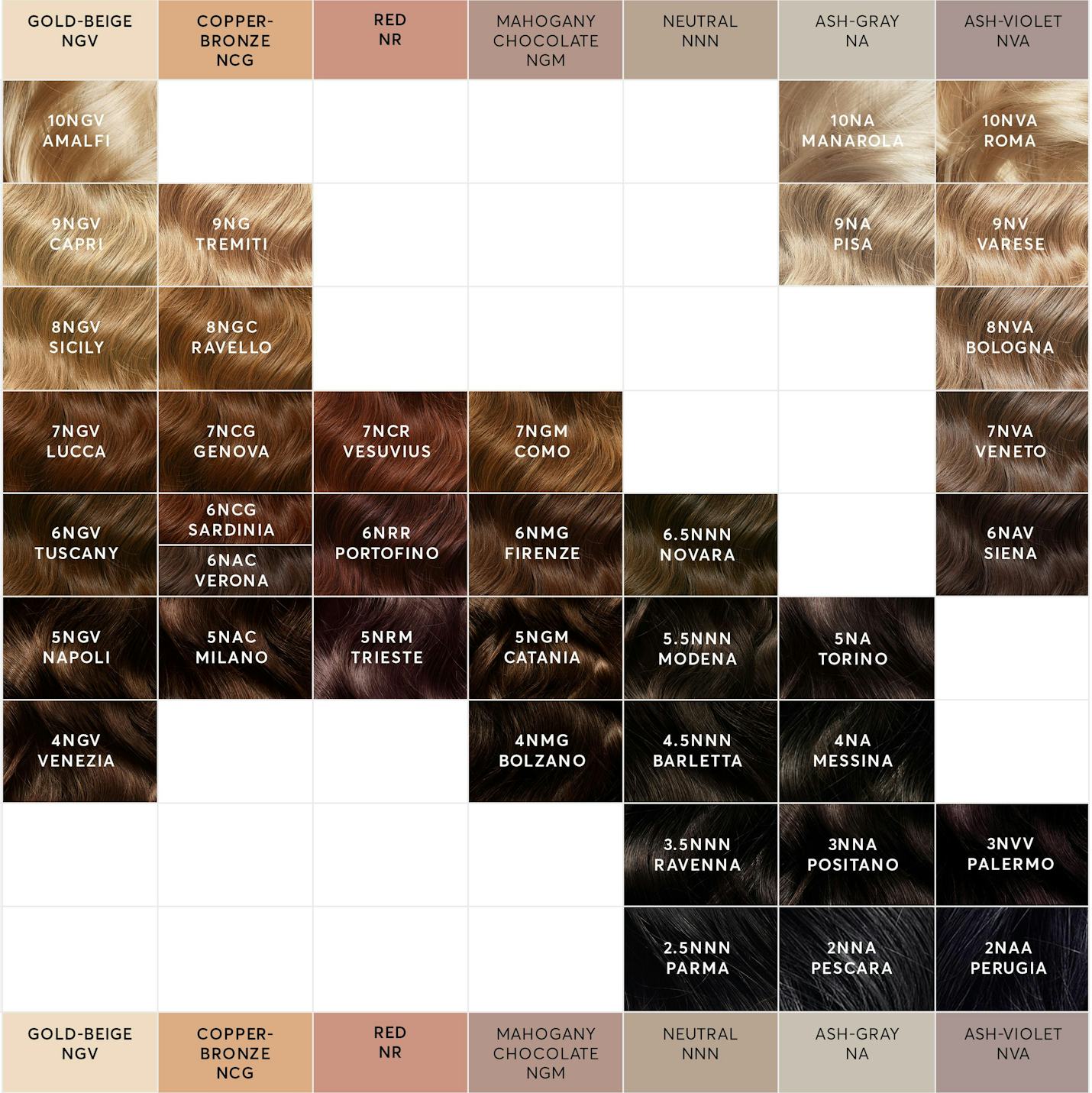
Another pitfall is not accounting for tone. The chart might show a single number for a shade, but in reality, there are often variations within that shade, like ash, golden, or warm tones. These subtle differences can make a big impact on the final result, so choose wisely!
Factors Affecting Accuracy: Key Considerations
- Hair tint: Your natural hair color and its condition play a significant role. Pre-lightened or bleached hair will react differently to dye compared to virgin hair.
- Tone levels: The tone of your desired shade matters. A warm tone, for instance, will look different on someone with cool undertones.
- Shade guide: Always refer to the specific shade guide provided by the dye manufacturer. These guides often offer more detailed information about the results on different hair types and tones.
Choosing the Right Chart: Adapting to Your Needs
There are various charts available, each with its own system and range. Some charts might use letters or even a combination of numbers and letters. It's essential to choose the right chart for your needs. If you're using a specific brand of hair dye, they often provide their own shade chart. Alternatively, you can find generic charts that offer a broader range of shades.
Keeping Your Reference Reliable for Future Use
To ensure you can rely on your hair shade chart in the future, it's important to keep it in a safe place. Consider making a digital copy or taking a photo of the chart for easy reference. This way, you can quickly access it whenever you need to choose or match a hair color. Additionally, stay updated with the latest charts and standards. Hair color trends and technologies evolve, so having the most current reference ensures accurate results.
Hey there! I hope this guide has been helpful in navigating the world of hair shade charts. Remember, these charts are a great tool, but the specifics can vary, so always double-check the source and standard you're using.
Feel free to explore other guides on our site to learn more about related topics and discover practical tips for your hair journey. We've got you covered with simple, straightforward advice!