









Hourly Billing Invoice Template Overview
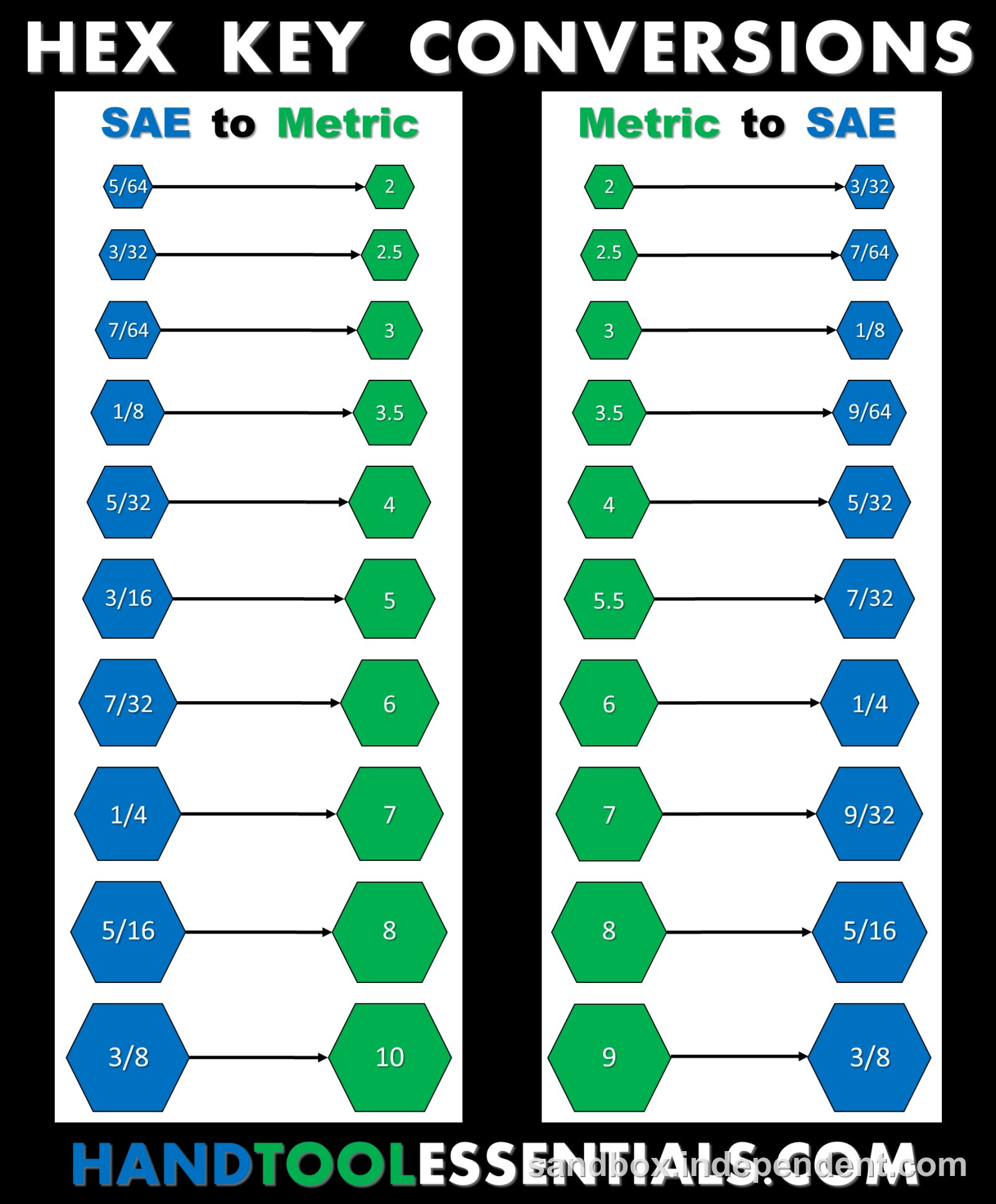
A bolt sizes chart is a handy tool for anyone seeking precise information about bolt dimensions. This guide aims to provide a clear overview, offering a quick reference for those who need to interpret and utilize such charts effectively.
The chart presents a visual representation of bolt sizes, typically including details like length, diameter, and thread pitch. While the values may vary depending on the standard or region, this guide will help you navigate and understand the key measurements, ensuring you can make accurate comparisons and selections.
Understanding the Bolt Sizes Chart
The bolt sizes chart is a comprehensive guide that provides a standardized overview of various bolt dimensions. It offers a quick reference for engineers, builders, and DIY enthusiasts to select the right bolt for their projects. This chart simplifies the process of identifying and specifying bolts, ensuring accurate and compatible fastening solutions.
Key Details and Units
The chart typically includes columns for bolt diameter, length, thread pitch, and sometimes head style. Diameter is measured across the threads, while length refers to the overall length of the bolt, excluding the head. Thread pitch represents the distance between threads and is crucial for compatibility with nuts and threaded holes. The units used in the chart depend on the standard followed, such as inches or millimeters.
Reading Bolt Specs: A Step-by-Step Guide
To use the bolt sizes chart, follow these steps:
- Identify the required bolt diameter. This is often determined by the size of the hole or the object being fastened.
- Determine the necessary bolt length. Consider the thickness of the materials being joined and any additional space needed for the nut.
- Select the appropriate thread pitch. This ensures compatibility with existing threads or the intended application.
- Cross-reference the chosen diameter, length, and thread pitch on the chart to find the corresponding bolt size.
- Verify the head style if needed. Some charts include this information, offering a complete specification.
Variations and Differences
While the bolt sizes chart provides a standardized reference, variations exist due to different standards and contexts. For instance, metric and imperial systems have distinct units and measurements. Additionally, specific industries or applications may require non-standard bolt sizes or unique head styles. It's essential to consult the relevant standard or specification for your project to ensure accuracy.
Common Mistakes and How to Avoid Them
- Failing to consider the thread pitch can lead to incompatible connections. Always check the thread pitch, especially when working with existing threads.
- Neglecting to account for head style may result in poor fit or functionality. Some bolts have unique head designs for specific purposes.
- Relying solely on the chart without considering the project's specific requirements can lead to oversights. Always double-check the exact specifications and tolerances for your application.
- Not verifying the standard being followed can cause confusion. Ensure you are using the correct chart for your region or industry.
Remember, while the bolt sizes chart is a valuable tool, it is essential to cross-reference and verify the information with the relevant standards and specifications for your project.
While the information provided in this guide offers a solid foundation, it's important to remember that bolt sizes and standards can vary slightly between different industries and applications. Exact values may differ based on the specific context and source you're working with.
Feel free to explore our other guides for more detailed insights and practical tips. We've got a range of resources to help you navigate various aspects of construction and engineering, so take a look and find what works best for your projects!
Related: Best Construction Name Guide
"What's in a name?" I often wonder when it comes to best construction name. It's an important consideration for any business, especially in the construction industry. So, let's dive into this topic and uncover some insights!
The Significance of a Construction Business Name
Choosing the best construction name for your business is crucial. It's the first impression you make on potential clients and can leave a lasting impact. A well-chosen name can set the tone for your brand and reflect the values and services you offer. It's like a calling card, so you want it to be memorable and professional.
When selecting a name, consider the following:
- Simplicity: Keep it simple and easy to remember. Avoid complicated or lengthy names that might confuse customers.
- Relevance: Choose a name that hints at your construction expertise. It could incorporate words like "build," "construct," or "renovate" to give an immediate idea of your services.
- Uniqueness: Stand out from the crowd! Opt for a name that's distinctive and not easily confused with other businesses.
- Availability: Before finalizing, check if the name is available for registration. You don't want legal issues or confusion down the line.
Practical Tips for Choosing a Name
Here are some practical steps to help you find the perfect name:
- Brainstorm: Write down ideas and keywords related to your business. Think about your specialty, target audience, and unique selling points.
- Combine and Play: Experiment with different word combinations and see what resonates. You might find inspiration in unexpected places!
- Get Feedback: Share your top choices with friends, family, or colleagues. Their fresh perspectives can offer valuable insights.
- Research: Ensure the name isn't already trademarked or copyrighted. A quick online search can save you from potential legal headaches.
A Few Name Ideas to Inspire You
If you're stuck for ideas, here's a short list to spark your creativity:
- Build-Pro
- Construct-Rite
- HomeCrafters
- Renova Solutions
- BuildTech
- Crafted Spaces
Remember, these are just suggestions! Feel free to tweak, combine, or come up with your own unique twist.
Construction Jobs and Salaries
The construction industry offers a wide range of roles, from general contractors to specialized tradespeople. Salaries can vary depending on experience, location, and the specific job. When searching for construction jobs, consider the following:
- Experience: More experience often leads to higher pay. Highlight your skills and past projects to negotiate a competitive salary.
- Specialization: Specialized roles, like estimators or project managers, may command higher salaries due to their unique expertise.
- Location: Construction jobs in urban areas or regions with high demand may offer better compensation. Research local markets to understand the going rates.
Industry Tools and Data
Tools like RSMeans provide valuable data for construction professionals. It offers cost estimating services, helping contractors and businesses plan and budget accurately. By using such tools, you can stay informed about industry trends and make more informed decisions.
Wrapping Up
Choosing the best construction name is an important step in establishing your brand. It's a fun process, but it requires some thought and creativity. Remember, the right name can set the foundation for a successful business. So, take your time, consider your options, and don't be afraid to get creative!
Related: What is the pork temp chart and how do I use it?
You're in the middle of cooking a delicious pork dish and need to ensure it's cooked perfectly. A pork temp chart is your reliable guide, offering a simple visual reference to nail the ideal internal temperature. This handy tool ensures your pork is cooked safely and to your preferred doneness. While values may vary slightly, the pork temp chart is a trusted companion in the kitchen, helping you achieve culinary success with ease.
Understanding the Chart: A Quick Overview
The pork temp chart is your handy guide to achieving perfectly cooked pork every time. It's a simple reference tool that shows the ideal internal temperatures for different cuts of pork and their doneness levels. This chart ensures your pork dishes are not only delicious but also safely cooked to avoid any foodborne illnesses.
Comparing Standards and Formats
Pork temp charts can vary slightly depending on the standard used. The most common ones follow either the USDA (United States Department of Agriculture) guidelines or international food safety standards. These charts typically provide temperature ranges and doneness categories like rare, medium, and well-done. However, it's crucial to note that some charts may offer more precise temperature readings for specific cuts, ensuring an even more accurate cook.
Using the Chart: A Step-by-Step Guide
Choose the Right Cut: Different pork cuts have varying cooking times and temperatures. The pork temp chart will guide you on the ideal internal temperature for your chosen cut, whether it's a tenderloin, chop, or roast.
Insert the Thermometer: Use a reliable meat thermometer and insert it into the thickest part of the meat, avoiding any bones. This ensures an accurate reading of the internal temperature.
Check the Temperature: Refer to the pork temp chart and match the temperature reading with the recommended range for your chosen cut. If it's below the minimum, continue cooking until it reaches the desired doneness.
Rest and Serve: After cooking, let the pork rest for a few minutes before serving. This resting period allows the juices to redistribute, ensuring a juicy and flavorful meal.
Common Misreadings and Pitfalls
One common mistake is relying solely on cooking times without checking the internal temperature. Remember, pork cooking times can vary due to factors like thickness and cooking method. Always use a meat thermometer to ensure accuracy. Additionally, some charts may provide a range of temperatures for each doneness level. It's best to aim for the middle of this range for the perfect cook. If you're cooking a large roast, consider checking the temperature in multiple spots to ensure even cooking.
The pork temp chart is a valuable tool, but it's essential to double-check specific guidelines for rare or exotic cuts of pork. Some cuts may require higher temperatures to ensure food safety. Always prioritize your health and follow the recommended temperatures for a safe and delicious meal. With a reliable thermometer and this handy chart, you'll become a master of cooking pork to perfection!
Well, there you have it! A handy pork temp chart can be a real game-changer in the kitchen. It's a simple yet effective tool to ensure your pork dishes are cooked to perfection every time.
Remember, while this guide provides a solid framework, it's always a good idea to consider your specific needs and preferences. Exact values may vary slightly, so it's worth double-checking the recommended temperatures for your chosen cut and cooking method.
Consider bookmarking this page for future reference. It's a quick and easy way to ensure you always have the right information at your fingertips! Happy cooking, and don't forget to enjoy the delicious results.