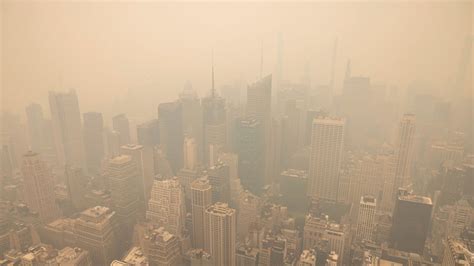
The picturesque city of Santa Barbara, California, known for its stunning coastline, mild climate, and beautiful architecture, faces a significant environmental challenge: poor air quality. Santa Barbara’s air quality is a concern due to its geography, climate, and human activities. The city is situated in a coastal valley, which can trap pollutants and prevent them from dispersing. This, combined with the region’s mild climate, can lead to a phenomenon known as temperature inversion, where a layer of cool air is trapped under a layer of warm air, holding pollutants close to the ground.
Understanding the Problem
Santa Barbara’s air quality is impacted by several factors, including:
- Vehicle emissions: The city’s reliance on cars and trucks contributes to air pollution, with emissions from exhaust pipes releasing harmful pollutants like particulate matter (PM), nitrogen oxides (NOx), and volatile organic compounds (VOCs).
- Agricultural activities: The surrounding agricultural areas, including vineyards and farms, can release pollutants like PM, VOCs, and ammonia (NH3) into the air.
- Wildfires: Santa Barbara is susceptible to wildfires, which can significantly degrade air quality by releasing large amounts of PM, VOCs, and other pollutants.
- Industrial activities: Local industrial sites, such as oil refineries and manufacturing facilities, can also contribute to air pollution.
These factors, combined with the city’s geography and climate, can lead to poor air quality, posing health risks to residents and visitors.
Health Risks Associated with Poor Air Quality
Exposure to poor air quality can have severe health consequences, including:
- Respiratory problems: Inhaling pollutants like PM, NOx, and VOCs can irritate the lungs, exacerbate conditions like asthma, and increase the risk of respiratory infections.
- Cardiovascular disease: Long-term exposure to poor air quality has been linked to an increased risk of cardiovascular disease, including heart attacks, strokes, and other cardiovascular conditions.
- Cancer: Some air pollutants, like PM and VOCs, are known carcinogens, which can increase the risk of cancer.
Improvement Tips
While the situation may seem dire, there are steps that individuals and the community can take to improve air quality in Santa Barbara:
- Use public transport or carpool: Reducing the number of vehicles on the road can significantly decrease emissions. Santa Barbara has a well-developed public transportation system, including buses and a downtown shuttle service.
- Support clean energy: Transitioning to renewable energy sources, like solar and wind power, can reduce the city’s reliance on fossil fuels and lower emissions.
- Implement sustainable agricultural practices: Farmers and vineyard owners can adopt techniques that minimize pollutant releases, such as using cover crops, reducing tillage, and implementing integrated pest management.
- Create a wildfire prevention plan: The city and residents can work together to prevent wildfires by maintaining defensible spaces, clearing flammable vegetation, and promoting fire-safe practices.
- Support air quality monitoring and advocacy: Encourage local authorities to monitor air quality and advocate for policies that promote clean air initiatives.
Every small action counts, and collective efforts can lead to significant improvements in air quality. By understanding the challenges and working together, Santa Barbara can become a healthier, more sustainable place to live and visit.