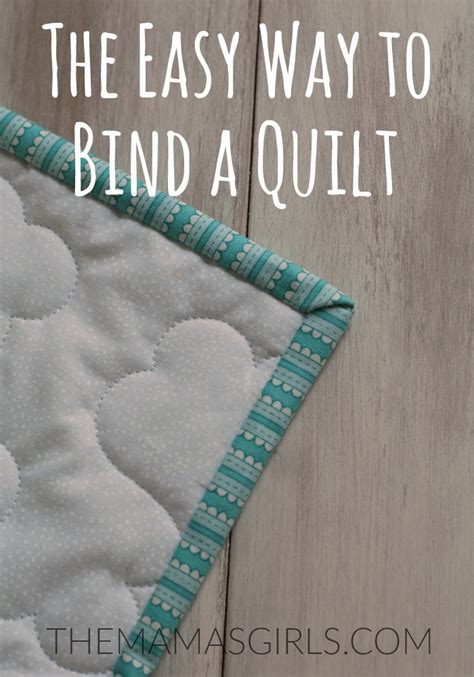
Binding a quilt is the final step in completing a quilt, and it’s a crucial one. The binding, also known as the edging, is the strip of fabric that surrounds the quilt, covering the raw edges of the quilt top, batting, and backing. It not only adds a decorative touch to the quilt but also protects the edges from wear and tear. In this comprehensive guide, we’ll walk you through the step-by-step process of binding a quilt, including preparation, sewing, and finishing techniques.
Preparation is Key
Before you start binding your quilt, make sure you have the following:
- Binding Fabric: Choose a fabric that complements the colors and theme of your quilt. You’ll need enough fabric to cover the perimeter of your quilt, plus a little extra for corners and seams. A general rule of thumb is to have at least 10-15% extra fabric for a standard-sized quilt.
- Binding Width: Decide on the width of your binding. The standard width is 2.5 inches, but you can choose any width you like, depending on the look you want to achieve.
- Seam Allowance: Use a 1⁄4-inch seam allowance for binding, unless you’re using a walking foot or a specialized binding foot, which may require a slightly larger seam allowance.
- Thread: Choose a thread that matches the color of your binding fabric.
Cutting the Binding Strips
To cut the binding strips, follow these steps:
- Cut Fabric into Strips: Cut the binding fabric into strips of the desired width. You can use a rotary cutter and mat to make this process easier and more accurate.
- Cut Strips to Length: Cut the strips to the length you need, leaving a little extra for overlap and seam allowance.
Sewing the Binding
Now it’s time to sew the binding to the quilt. Here’s how:
- Prepare the Quilt: Make sure the quilt is pressed and smooth, with no wrinkles or creases.
- Attach the Binding: Start by attaching the binding to the edge of the quilt, using a 1⁄4-inch seam allowance. Begin at the center of one side and work your way outwards, sewing the binding in place with a straight stitch.
- Miter the Corners: When you reach a corner, miter the binding by folding it at a 45-degree angle and sewing in place. This will create a neat and tidy corner.
- Overlap the Seams: When you reach the end of a strip, overlap the seams by about 1⁄4 inch and sew in place.
Finishing the Binding
The final step is to finish the binding by hand or by machine.
- Hand-Stitching: If you prefer a more traditional look, you can hand-stitch the binding in place using a whipstitch or a blind stitch.
- Machine-Stitching: Alternatively, you can machine-stitch the binding in place using a blind hem stitch or a straight stitch.
Tips and Variations
Here are some tips and variations to keep in mind:
- Use a Walking Foot: A walking foot can help you sew the binding in place more smoothly and evenly.
- Use a Binding Foot: A binding foot can help you attach the binding to the quilt with ease and accuracy.
- Add a Flange: A flange is a decorative strip of fabric that you can add to the binding for extra visual interest.
- Use Contrasting Thread: Use contrasting thread to create a decorative stitch or to add visual interest to the binding.
Common Mistakes to Avoid
Here are some common mistakes to avoid when binding a quilt:
- Inconsistent Seam Allowance: Make sure to maintain a consistent seam allowance throughout the binding process.
- Uneven Binding: Make sure the binding is even and smooth, with no wrinkles or creases.
- Insufficient Overlap: Make sure to overlap the seams by about 1⁄4 inch to ensure a secure attachment.
Conclusion
Binding a quilt is a rewarding process that requires patience, attention to detail, and practice. By following these steps and tips, you’ll be able to create a beautiful and professional-looking binding that completes your quilt. Remember to take your time, use high-quality materials, and don’t be afraid to experiment with different techniques and designs.
What is the best width for quilt binding?
+The standard width for quilt binding is 2.5 inches, but you can choose any width you like, depending on the look you want to achieve.
How do I miter the corners of my quilt binding?
+To miter the corners of your quilt binding, fold the binding at a 45-degree angle and sew in place. This will create a neat and tidy corner.
Can I use a walking foot to sew my quilt binding?
+In conclusion, binding a quilt is an art that requires patience, practice, and attention to detail. By following these steps and tips, you’ll be able to create a beautiful and professional-looking binding that completes your quilt. Remember to experiment with different techniques and designs, and don’t be afraid to try new things. Happy quilting!