
How Do You Use A Green Screen In Imovie Overview
Frustrated by the endless search for the right information? You're not alone. Many pet owners find themselves seeking a quick, reliable guide to navigate the apoquel dose chart and ensure their furry friends receive the correct dosage. This chart is a crucial tool, offering a simple yet effective way to determine the appropriate treatment for canine allergies. With variations in dosing based on factors like weight and region, having a clear, accessible reference is essential.
Understanding the Apoquel Dose Chart
The apoquel dose chart is a valuable tool for pet owners and veterinary professionals, offering a clear guide to administering the correct dosage of apoquel, a medication used to treat canine allergies. This chart simplifies the process, ensuring your dog receives the right amount based on their weight.
Key Details and Categories
The apoquel dose chart typically presents two main categories: weight ranges and corresponding dosage recommendations. Weight is a critical factor, as it determines the appropriate dose. The chart provides a range of weights, often in kilograms or pounds, with the recommended dosage for each range. This ensures accuracy and safety in medication administration.
Step-by-Step Guide: Reading and Applying the Chart
Follow these steps to accurately use the apoquel dose chart:
- Weigh your dog accurately. Ensure the scale is suitable for your dog's size and provides precise readings.
- Locate your dog's weight on the chart. If their weight falls within a range, choose the dosage for the lower weight in the range. For instance, if your dog weighs 15 kg and the range is 15-20 kg, select the dosage for 15 kg.
- Measure the dosage precisely. Use the appropriate measuring tool, such as a syringe or oral dispenser, to ensure an accurate dose.
- Administer the medication as directed. Follow the instructions for the frequency and timing of doses, typically twice daily for the first two weeks and then once daily thereafter.
Variations and Differences
It's important to note that apoquel dose charts may vary slightly depending on the region and the specific manufacturer's guidelines. Factors like the dog's age, breed, and overall health may also influence dosage, so it's crucial to consult with a veterinarian for personalized advice. Additionally, the chart provides a general guide, and individual cases may require adjustments.
- Key factors influencing dosage:
- Weight of the dog
- Manufacturer's guidelines
- Region-specific standards
- Dog's age and breed
- Overall health condition
Common Dosage Mistakes and How to Avoid Them
To ensure accurate dosing:
- Always refer to the most recent apoquel dose chart provided by your veterinarian or the medication's packaging.
- Avoid rounding up or down when determining the dosage. Stick to the precise weight and corresponding dosage.
- Be mindful of the medication's expiration date and storage instructions to maintain its effectiveness.
- Consult your veterinarian if you have any concerns or questions about the dosage or your dog's response to the medication.
Remember, while the apoquel dose chart is a helpful guide, it's essential to prioritize your dog's health and well-being. Regular communication with your veterinarian is key to ensuring the best care for your canine companion.
Remember that while this chart provides a valuable reference, the exact doses and guidelines may differ slightly depending on various factors. It's always a good idea to consult with a veterinarian for personalized advice and to ensure the best care for your furry friend.
Feel free to bookmark this page for future use, and don't forget to check out our other practical guides for pet owners! We aim to make your life a little easier with these handy resources.
Related: How to Use the Bar Chart Creator?
You're here because you need a bar chart creator tool, and you're right to seek one out. These charts are a handy way to present data visually, and with a good bar chart creator, you can quickly turn your numbers into a clear, easy-to-read graph. Whether it's a simple vertical bar chart or a more complex stacked or grouped design, the right tool will ensure your data is accurately represented.
What is a Bar Chart Creator?
A bar chart creator is a powerful tool that allows you to visualize data in a simple and effective way. It's an essential resource for presenting information clearly, making it easy to compare and analyze different categories or values. With a bar chart, you can quickly grasp trends and patterns, making it a popular choice for data representation.
Key Details: Understanding the Basics
Before diving into the specifics, let's cover some fundamental aspects. A bar chart typically consists of a horizontal axis (x-axis) and a vertical axis (y-axis). The x-axis represents the categories or groups you are comparing, while the y-axis displays the corresponding values or measurements. The bars themselves are usually vertical, with their lengths indicating the magnitude of each value. It's crucial to ensure your chart has clear and accurate axis labels, as these provide context for your data.
Reading and Applying Bar Charts: A Step-by-Step Guide
- Start by identifying the categories or groups you want to compare. These could be different products, time periods, or any other relevant factors.
- Next, gather the corresponding data points for each category. Ensure your data is reliable and consistent, as this is key to accurate analysis.
- Create your bar chart by plotting the categories on the x-axis and their respective values on the y-axis. The bars should be evenly spaced and of appropriate width to ensure clarity.
- Consider using color coding to enhance the visual appeal and make specific categories stand out. However, be mindful of color blindness and use a limited color palette for better accessibility.
- Add axis labels and a title to provide context. Ensure the labels are descriptive and easy to understand.
- Interpret the chart by comparing the heights of the bars. Longer bars indicate higher values, while shorter bars represent lower values. Look for patterns or trends across categories.
- Use the bar chart to make informed decisions or draw conclusions. For example, you might identify the most popular product or the time period with the highest sales.
Variations and Differences: Understanding Context
Bar chart creators can vary depending on the specific context and industry standards. For instance, some charts may use a different scale or range of values, especially when dealing with large datasets. Additionally, the bar width and spacing can impact the visual representation, so it's essential to follow best practices or guidelines relevant to your field. Always refer to industry-specific standards or consult experts to ensure your bar chart accurately represents your data. While bar chart creator tools provide a standardized approach, it's crucial to adapt and customize them for your unique needs and data.
Hey there, chart enthusiasts! We hope you found this guide helpful in understanding the ins and outs of bar chart creation. Remember, while the basics remain the same, the exact details can vary slightly depending on the context and the tools you're using.
Feel free to explore our other guides to uncover more practical tips and tricks for creating effective visual representations of data. We've got a whole library of resources to help you on your data visualization journey, so dive in and discover more!
Related: Find Your Perfect Puma Size: A Quick Guide
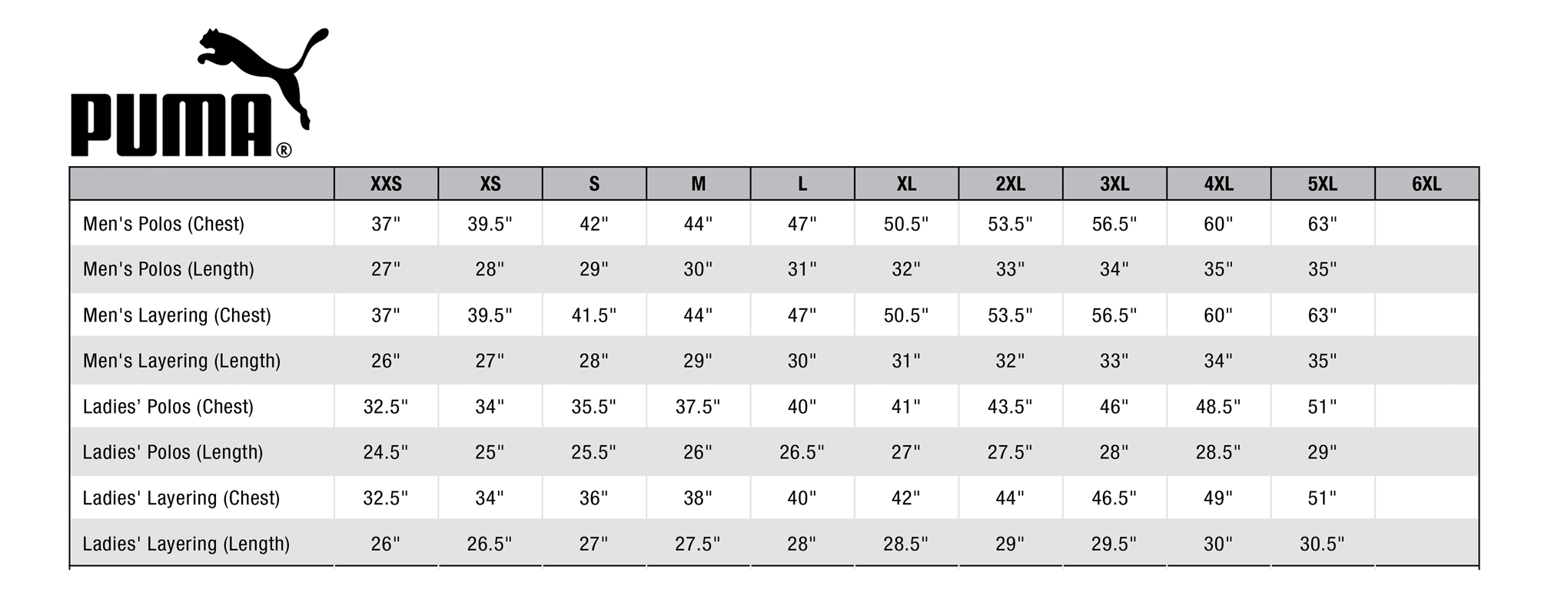
A common pitfall when using a Puma size chart is assuming that one standard size fits all. This is a mistake many of us have made, and it's an easy trap to fall into, especially with the variety of sizing systems out there. The Puma size chart, a simple yet essential tool, offers a reliable guide to ensure you find the perfect fit for your Puma gear. It's a quick reference, but one that can make a big difference in your comfort and confidence.
Understanding the Puma Size Chart: Your Guide to Perfect Fit
The Puma size chart is a valuable tool for anyone looking to purchase Puma footwear or apparel. It provides a clear and concise guide to help you find your ideal size, ensuring a comfortable and well-fitted product. This chart is designed to offer a standardized sizing system, making it easier for customers to navigate Puma's range.
Comparing Size Standards: International vs. US
Puma size charts typically follow two main standards: the international or metric system and the US sizing system. These charts provide conversions between the two, ensuring a seamless shopping experience for customers worldwide. The international system uses centimeters (cm) for length measurements, while the US system relies on numerical sizes.
Step-by-Step Guide to Using the Puma Size Chart
To accurately use the Puma size chart, follow these simple steps:
Identify the type of product you wish to purchase. Puma's size charts cater to various items, including shoes, clothing, and accessories.
Locate the specific size chart for your chosen product. Puma provides separate charts for men's, women's, and kids' sizes, ensuring an accurate fit for all.
Measure your body or feet, depending on the product. For shoes, measure your foot length accurately, ensuring you stand up straight and measure both feet, as sizes may vary slightly.
Refer to the size chart and find your measurement. The chart will provide a range of sizes with corresponding measurements. Choose the size that aligns with your measurement, ensuring a comfortable fit.
Consider any additional fit preferences. Puma's size charts offer guidance on whether a particular style runs small, large, or true to size. This information helps you make an informed decision.
Common Misreadings and How to Avoid Them
While the Puma size chart is straightforward, a few common misreadings can occur:
Shoe size variations: Shoe sizes can vary slightly between brands, so always refer to Puma's specific chart. Don't assume your usual size will fit perfectly.
Clothing size differences: Clothing sizes can be influenced by various factors, such as style, fabric, and fit preferences. Puma's size guide offers helpful tips to ensure an accurate fit.
Kids' sizes: Children's growth can be rapid, so regular measurements are essential. Puma's kids' size chart provides age and height ranges to help you choose the right size.
Remember, while the Puma size chart is a valuable tool, it's always a good idea to double-check specific product details and customer reviews for any unique sizing considerations.
While every effort has been made to ensure the accuracy of this guide, it's important to note that exact details can differ slightly depending on the specific product or brand you're dealing with. Puma's size charts are a great starting point, but always double-check with the manufacturer's guidelines for the most precise fit.
Remember, this is a handy reference, so feel free to bookmark this page for future use. It's a quick and easy way to ensure you're getting the right size, and it's always good to have these practical guides on hand. For more helpful tips and tricks, be sure to explore our other guides too!