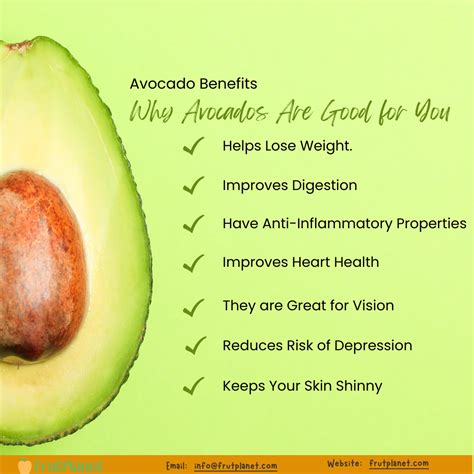
Avocados have become a staple in many diets around the world, and for good reason. These creamy, green fruits (yes, they’re a fruit!) are packed with an impressive array of nutrients, offering a multitude of health benefits that have made them a favorite among health enthusiasts and culinary experts alike. But just how good is avocado, really? Let’s dive into the details and explore the remarkable advantages of incorporating avocados into your diet.
Nutritional Powerhouse
Avocados are an excellent source of essential vitamins, minerals, and fatty acids. One medium-sized avocado provides:
- 10 grams of healthy fats, primarily monounsaturated fats, which can help lower cholesterol levels and reduce the risk of heart disease
- 10 grams of fiber, supporting healthy digestion, satiety, and blood sugar control
- A rich source of various vitamins, including vitamin C, vitamin E, and vitamin K, as well as minerals like potassium, magnesium, and manganese
- Antioxidants like polyphenols and carotenoids, which help protect against oxidative stress and inflammation
Health Benefits
The unique combination of nutrients in avocados has been linked to numerous health benefits, including:
- Heart Health: The monounsaturated fats, fiber, and potassium in avocados can help lower cholesterol levels, reduce blood pressure, and minimize the risk of cardiovascular disease.
- Weight Management: Avocados are high in fiber and healthy fats, making them a satisfying and filling addition to meals, which can aid in weight loss and maintenance.
- Cancer Prevention: The antioxidants and phytochemicals in avocados have been shown to have anti-cancer properties, particularly in reducing the risk of breast, prostate, and colon cancers.
- Improved Digestion: Avocados contain prebiotic fiber, which feeds the good bacteria in the gut, promoting a healthy gut microbiome and supporting immune function.
- Anti-Inflammatory Effects: The various polyphenols and carotenoids in avocados have anti-inflammatory properties, which may help alleviate symptoms of conditions like arthritis, diabetes, and asthma.
Culinary Versatility
Avocados are an incredibly versatile ingredient, lending themselves to a wide range of culinary applications:
- Guacamole: Mash ripe avocados with lime juice, salt, and spices for a delicious dip or sauce.
- Salads: Slice or dice avocados and add them to green salads, grain salads, or fruit salads for a creamy, nutritious boost.
- Smoothies: Blend avocados with your favorite fruits, yogurt, and milk for a creamy, filling smoothie.
- Sandwiches: Spread mashed avocado on whole-grain bread, add some sliced meats, cheese, and veggies, and enjoy a satisfying, healthy sandwich.
- Baked Goods: Yes, you can even bake with avocados! Use them as a substitute for butter or oil in cakes, muffins, and bread recipes.
Growing and Sustainability
As the global demand for avocados continues to rise, concerns about the environmental impact of large-scale avocado farming have grown. However, many avocado farmers are adopting sustainable practices, such as:
- Organic farming: Using natural methods to control pests and diseases, reducing the use of synthetic fertilizers and pesticides.
- Water conservation: Implementing efficient irrigation systems and using drought-resistant varieties to minimize water waste.
- Biodiversity: Planting diverse crops and maintaining ecosystem balance to support local wildlife and pollinators.
FAQs
Are avocados high in calories?
+While avocados are relatively high in calories, with a medium-sized fruit containing around 322 calories, the majority of these calories come from healthy fats and fiber, making them a nutrient-dense and satisfying addition to a balanced diet.
How do I choose the perfect avocado?
+Choose avocados that are heavy for their size, with a slight give when pressed. Avoid avocados with soft spots or bruises, and opt for those with a slight neck or stem, as these tend to be sweeter and creamier.
Can I grow my own avocado tree at home?
+Yes, you can grow your own avocado tree at home! Simply plant a seed from a ripe avocado in a well-draining potting mix, water regularly, and provide plenty of sunlight. Keep in mind that it may take 3-5 years for the tree to mature and produce fruit.
In conclusion, avocados are a nutritional powerhouse, offering a wealth of health benefits, culinary versatility, and sustainability. Whether you’re a health enthusiast, a foodie, or an environmentally conscious consumer, avocados are an excellent addition to a balanced diet and lifestyle. So go ahead, indulge in the creamy goodness of avocados, and reap the rewards of this incredible fruit!