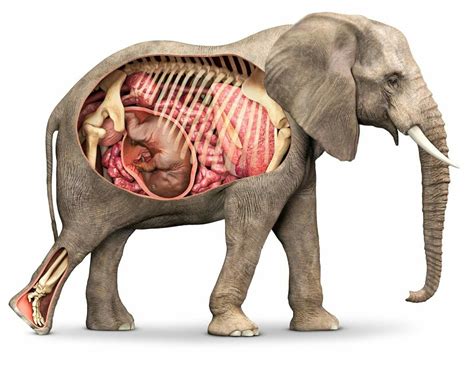
The fascinating world of elephants is filled with intriguing facts, and one of the most remarkable aspects of these majestic creatures is their reproductive cycle. Elephant pregnancy, also known as gestation, is a lengthy and complex process that is essential to the survival and success of these incredible animals.
To understand the timeline of elephant pregnancy, it’s crucial to delve into the different stages and phases that an expectant elephant mother goes through. The entire process, from conception to birth, can be divided into several key periods, each characterized by distinct physical and behavioral changes in the female elephant.
Firstly, it’s essential to note that elephant pregnancy is the longest of any land animal, with a gestation period of almost two years. This prolonged gestation allows the developing calf to grow and mature fully, ensuring that it is well-equipped to survive in its environment from the moment of birth. The average gestation period for an African elephant is approximately 640-660 days, while for an Asian elephant, it is around 620-640 days.
During the early stages of pregnancy, the female elephant may not exhibit any noticeable signs of gestation. However, as the pregnancy advances, she will begin to display various physical and behavioral changes. One of the primary indicators of pregnancy in elephants is a significant increase in weight, which can be as much as 1-2 kilograms per day during the later stages of gestation. This rapid weight gain is essential for the developing calf, as it requires a substantial amount of nutrients and energy to grow and mature.
As the pregnancy progresses, the female elephant’s abdomen will begin to expand, and she may start to display changes in her behavior, such as reduced activity levels and a more sedentary lifestyle. This is a critical period for the expectant mother, as she needs to conserve energy and focus on nurturing her growing calf.
In addition to the physical changes, elephant pregnancy is also characterized by a range of hormonal fluctuations. The levels of certain hormones, such as progesterone and estrogen, will increase significantly during pregnancy, playing a crucial role in the development and growth of the calf. These hormonal changes also help to prepare the female elephant’s body for the birthing process, which can be a challenging and complex event.
The birth of an elephant calf is a remarkable and highly anticipated event, both in the wild and in controlled environments, such as zoos and sanctuaries. The process of labor and delivery can be lengthy, often lasting several hours, and requires careful monitoring and assistance to ensure a safe and successful outcome.
After the birth, the new mother will devote herself to caring for her calf, providing it with essential nutrients, protection, and guidance. The bond between an elephant mother and her calf is incredibly strong, and it plays a vital role in the calf’s development and survival.
In terms of the timeline, here is a general outline of the different stages of elephant pregnancy:
- Month 1-3: Conception and early embryonic development
- Month 4-6: Embryo implantation and placental development
- Month 7-12: Fetal growth and development
- Month 13-18: Rapid fetal growth and preparation for birth
- Month 19-22: Final preparations for birth and post-natal care
It’s essential to note that this is a general timeline, and the exact duration of elephant pregnancy can vary depending on several factors, including the species, age, and health of the female elephant.
In conclusion, elephant pregnancy is a complex, fascinating, and highly specialized process that is essential to the survival and success of these incredible creatures. By understanding the different stages and phases of gestation, we can gain a deeper appreciation for the remarkable biology and behavior of elephants, and work towards their conservation and protection.
How long is the gestation period for an African elephant?
+The gestation period for an African elephant is approximately 640-660 days, or almost 22 months.
What are the primary indicators of pregnancy in elephants?
+The primary indicators of pregnancy in elephants include a significant increase in weight, expansion of the abdomen, and changes in behavior, such as reduced activity levels and a more sedentary lifestyle.
How long does the birth process typically last for an elephant?
+The birth process for an elephant can be lengthy, often lasting several hours, and requires careful monitoring and assistance to ensure a safe and successful outcome.
What is the bond like between an elephant mother and her calf?
+The bond between an elephant mother and her calf is incredibly strong, and it plays a vital role in the calf's development and survival. The mother will devote herself to caring for her calf, providing it with essential nutrients, protection, and guidance.
How can we contribute to the conservation and protection of elephants?
+We can contribute to the conservation and protection of elephants by supporting reputable organizations, spreading awareness about the importance of conservation, and making eco-friendly choices in our daily lives. Additionally, we can support policies and initiatives that prioritize the protection of elephant habitats and the prevention of poaching and human-wildlife conflict.
In the realm of elephant biology, there is still much to be discovered, and ongoing research is essential for improving our understanding of these magnificent creatures. By continuing to explore and learn about elephant pregnancy and reproduction, we can gain valuable insights into the complex social structures, behaviors, and habitats of these incredible animals, and work towards their long-term conservation and protection.
The plight of elephants in the modern world is a pressing concern, with habitat loss, poaching, and human-wildlife conflict posing significant threats to their survival. It is essential that we take immediate action to address these issues, through a combination of conservation efforts, policy changes, and community engagement. By working together, we can help ensure the long-term survival of elephants and preserve the beauty and diversity of our natural world.
As we reflect on the remarkable journey of elephant pregnancy, we are reminded of the awe-inspiring complexity and beauty of the natural world. The dedication and care that an elephant mother shows to her calf is a testament to the enduring power of maternal love and the importance of family bonds in the animal kingdom. By embracing our responsibility to protect and conserve these incredible creatures, we can help ensure that future generations can continue to marvel at the majesty and wonder of elephants.