






How To Write A Montage In A Script Overview
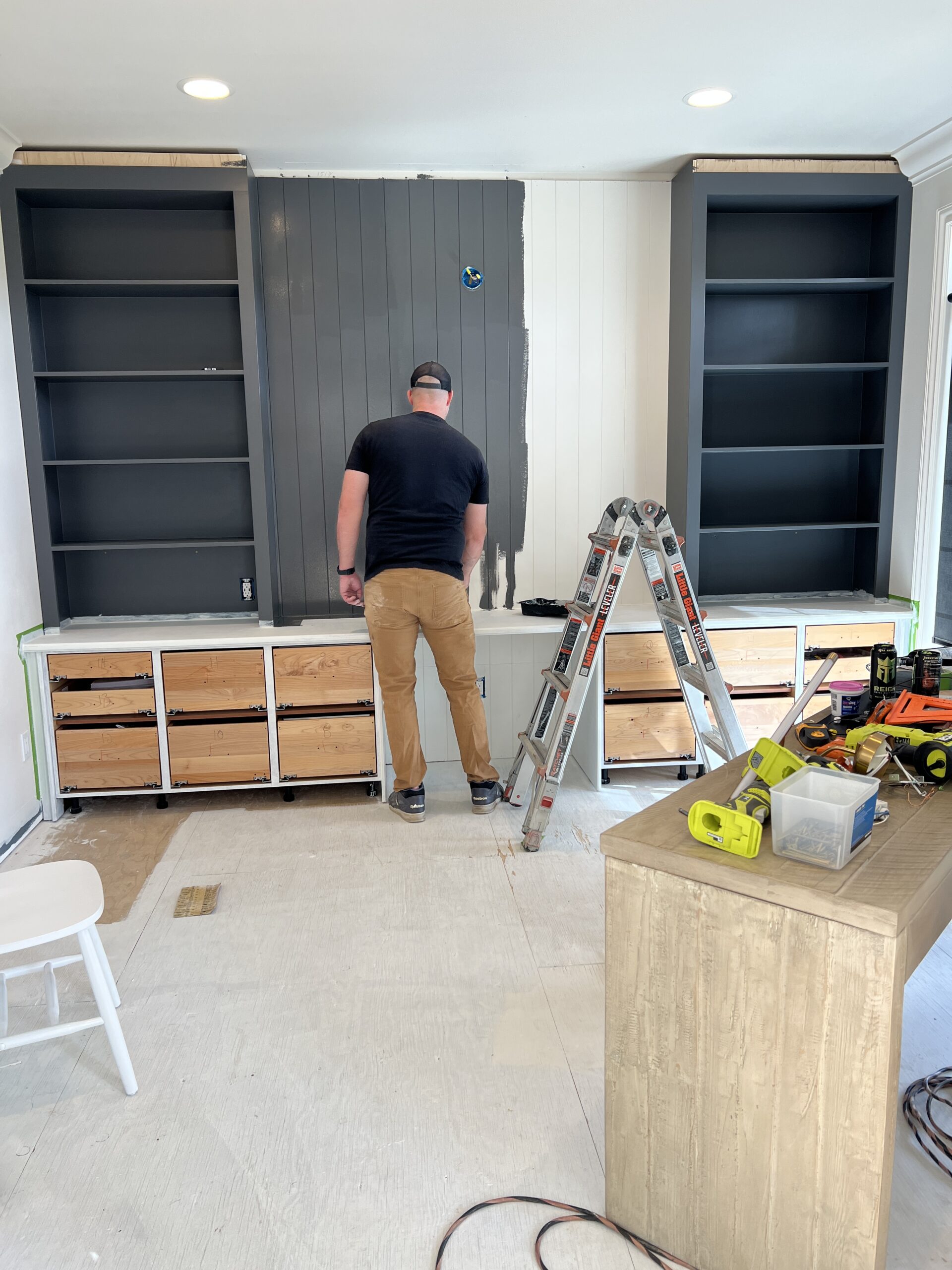
I'm getting ready to tackle a how to remodel painting project and it's a bit daunting. I mean, where do I even start? I've never done this before and I want to make sure I do it right. So, I've been doing some research and I've learned a few things that I think might help others in a similar situation.
Understanding the Process
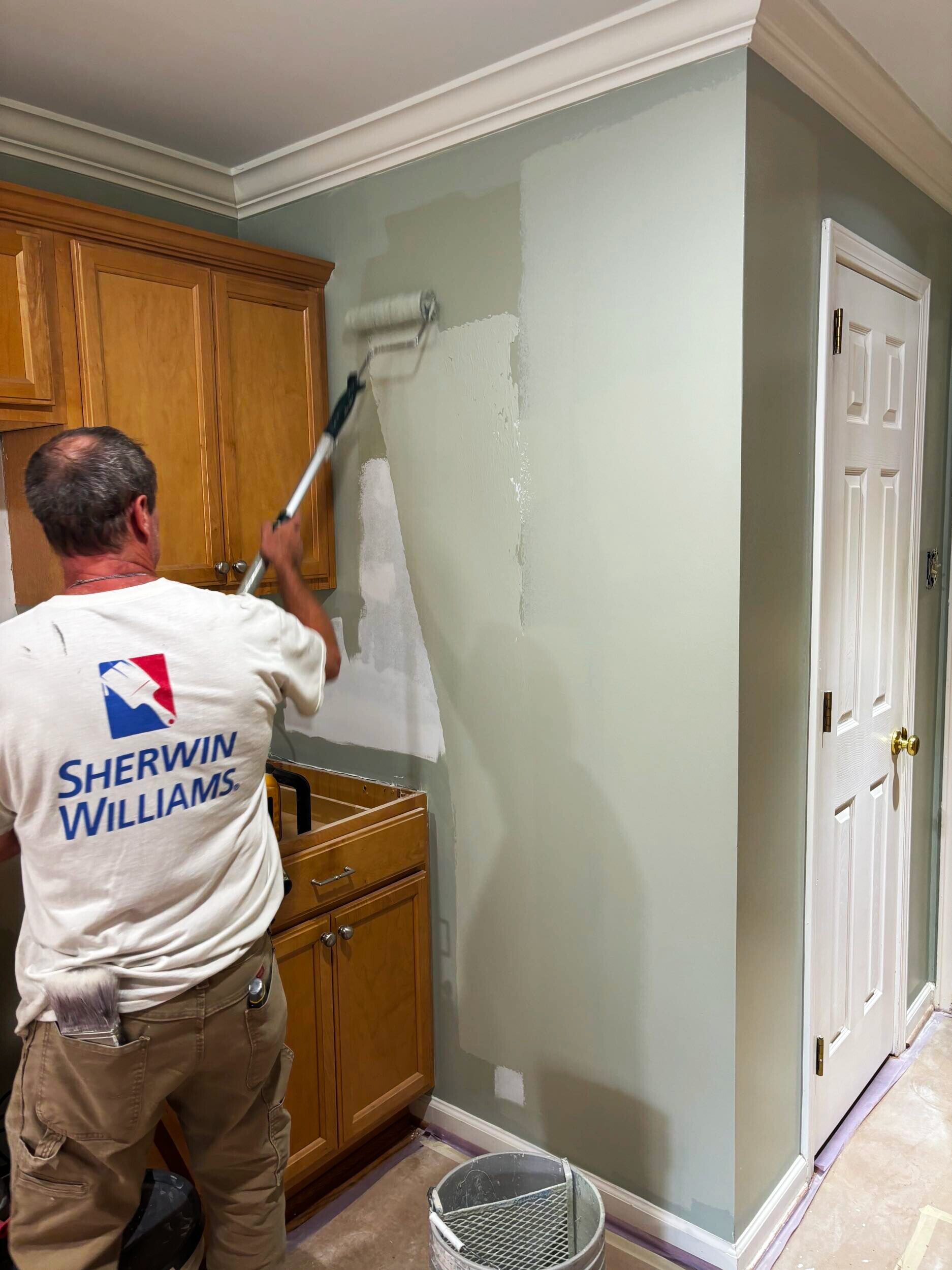
How to remodel painting is a specific type of home remodeling project that involves updating the look and feel of a room or space through a fresh coat of paint. It's a great way to transform a space without a major renovation, and it can be a fun and creative process. But, it's important to know what you're getting into and how to navigate the world of painting contractors and costs.
The first step is to assess the scope of your project. Consider the size of the space, the number of rooms, and the type of paint you want to use. This will impact the overall cost and the time it takes to complete the job. You'll also need to decide if you want to tackle the project yourself or hire a professional.
Hiring a Contractor
If you decide to hire a contractor, there are a few things to keep in mind. First, get multiple quotes. Compare prices, but also consider the quality of the work and the reputation of the company. Check online reviews and ask for references. A good contractor will be transparent about their process and pricing.
When comparing quotes, look for a detailed breakdown of the costs. This should include labor, materials, and any additional services like preparation work or special finishes. Make sure the quotes are for the same scope of work so you can make an apples-to-apples comparison.
Company Names and Reputation
The construction and remodeling industry is full of companies with unique names. A good company name should be memorable, easy to spell and pronounce, and reflect the nature of the business. It's also important to check the availability of the name and secure the relevant domain and local business registrations.
Some example names could be:
- Brushstroke Builders
- Colorful Creations
- Fresh Coat Pros
- Paint Perfect Pros
- Wall Wizards
- The Paint Pros
Construction Jobs and Salaries
The construction industry offers a range of jobs, from general contractors to estimators and project managers. Salaries can vary depending on experience, location, and the size of the company. It's a diverse industry with opportunities for growth and specialization. Many construction companies post job openings on their websites, and there are also dedicated construction job boards online.
Industry Tools and Data
Tools like RSMeans provide valuable data for the construction industry. They offer cost databases and escalation tools that help contractors and estimators calculate and manage project costs. This data is essential for accurate quotes and project planning. It ensures that costs are estimated correctly and that projects are profitable.
Large vs. Small Companies
The construction industry is diverse, with both large and small companies. Large companies often have more resources, allowing them to take on bigger projects and offer a wider range of services. They may also have more specialized staff. Small companies, on the other hand, can offer a more personalized service and may be more flexible in their approach.
Final Thoughts
How to remodel painting is a great way to update your home, and with the right approach, it can be a smooth and satisfying process. Remember to do your research, get multiple quotes, and choose a contractor who suits your needs and budget. It's a fun project that can really transform a space, so enjoy the process and the results!
Related: How to use the cat chonk chart?
A common misconception about the cat chonk chart is that it's solely about judging a cat's appearance; however, this visual tool serves a much more practical purpose. The cat chonk chart, or feline weight chart, is an essential reference for cat owners, providing a clear guide to assess a cat's body condition and overall health. It offers a simple yet effective way to understand and monitor your cat's weight, ensuring they maintain an ideal and healthy size.
Understanding the Cat Chonk Chart
The cat chonk chart is a valuable tool for cat owners and veterinary professionals to assess a cat's body condition and determine if they are at a healthy weight. It provides a visual representation of different body types and helps identify if a cat falls within the ideal weight range. This chart is a simple yet effective way to monitor a cat's health and make informed decisions about their diet and lifestyle.
Key Details and Categories
The cat chonk chart typically consists of a reference grid or a series of images depicting cats with varying body conditions. It often includes categories such as "Underweight," "Ideal Weight," "Overweight," and "Obese." These categories are further divided into sub-ranges, providing a more detailed assessment. The chart may also feature additional information, such as breed-specific considerations and guidelines for different life stages. It is essential to note that the chart's accuracy depends on the standard used; some charts follow international guidelines, while others may be region-specific.
Interpreting Results: A Step-by-Step Guide
To use the cat chonk chart accurately, follow these steps:
- Familiarize yourself with the chart's layout and categories. Understand the visual representations and their corresponding weight ranges.
- Assess your cat's body condition by feeling their ribcage, spine, and hips. These areas should have a slight covering of fat but not be overly padded.
- Compare your cat's body condition to the images or descriptions on the chart. Look for similarities in terms of body shape, muscle definition, and overall appearance.
- Determine which category your cat falls into. If your cat's body condition aligns with the "Ideal Weight" category, they are likely at a healthy weight. If they are on the border or slightly above, it may indicate a need for weight management.
- Consult with a veterinarian if you have concerns or need further guidance. They can provide personalized advice and help you create a plan to maintain or improve your cat's health.
Variations and Differences Across Standards
It is important to note that cat body condition score charts may vary depending on the standard or region. Different organizations and veterinary associations may have slightly different criteria and weight ranges. Additionally, breed-specific considerations and individual factors can influence the interpretation of the chart. For instance, certain breeds may have naturally larger or smaller frames, affecting their ideal weight range. Always refer to reputable sources and consult professionals to ensure you are using the most appropriate chart for your cat's needs. While the cat chonk chart provides a helpful framework, it is essential to consider each cat's unique characteristics and consult experts for accurate weight management.
While the chart provides a clear and concise guide, it's important to remember that the specifics may differ slightly based on individual circumstances. Each cat is unique, and their health and weight journey is a personal one. So, keep an eye on your furry friend's progress and adjust as needed.
If you're keen to explore more practical guides like this, feel free to browse our other resources. We've got a range of topics covered, so you're sure to find something useful. Happy reading and here's to healthy, happy cats!
Related: How to Read a Cake Serving Chart?
Many people often assume that a cake serving chart is a rigid, one-size-fits-all guide, but in reality, it is a flexible tool with some room for adjustment. While it provides a helpful framework, the chart's values can vary depending on factors like the cake's density and the desired portion size.
Understanding and utilizing a cake serving chart effectively ensures you have the right quantities for any occasion, be it a wedding or a simple celebration. It's a simple yet powerful tool to ensure your cake serves the perfect number of people.
The Cake Serving Chart: A Guide to Portion Sizes
The cake serving chart is a valuable tool for anyone planning a special event, from weddings to birthday parties, to ensure they have the right amount of cake for their guests. This chart provides a practical guide to estimating portion sizes, helping you avoid the common pitfall of having too much or too little cake.
Key Details and Units
The cake serving chart typically displays two main categories: the size of the cake and the number of servings it provides. Cake sizes are often measured in inches or centimeters, with standard round cakes ranging from 6 to 14 inches in diameter. Each cake size is then assigned a serving range, indicating the approximate number of portions it can yield. These serving sizes are usually given in whole numbers, such as slices per person, with some charts also providing fractional amounts for more precise estimates.
Reading the Chart: Step-by-Step Guide
To use the cake serving chart effectively, follow these simple steps:
Identify the size of your cake. Measure the diameter of your cake, ensuring it aligns with the standard sizes provided on the chart.
Locate the corresponding serving range. The chart will indicate the approximate number of servings for the cake size you've chosen. For instance, a 10-inch cake may serve 18-24 slices, depending on the desired portion size.
Adjust for your needs. Consider the appetite of your guests and the other food items served. If you expect larger portions or a more substantial meal, err on the side of fewer servings per person. Conversely, for a lighter meal or a larger crowd, you may need to increase the serving size.
Plan for leftovers. It's always a good idea to have a little extra, especially for a wedding cake or a special occasion. Aim for a slightly higher serving estimate to ensure everyone gets a taste and there's some cake left for photos and memories.
Common Variations and Differences
While the cake serving chart provides a useful guideline, it's important to note that serving sizes can vary based on several factors:
Cake type: Different cake styles, such as layer cakes, sheet cakes, or tiered cakes, may have varying densities and serving recommendations.
Guest preferences: Consider the age range and cultural backgrounds of your guests, as these can influence portion sizes and preferences.
Event style: A casual gathering may allow for larger servings, while a formal event might require more delicate portions.
Additional food: If you're serving a full meal, adjust the cake servings accordingly to avoid overwhelming your guests.
Avoiding Common Mistakes
To ensure accurate portion estimates, avoid these common pitfalls:
Overlooking the cake's height: The height of a cake can impact its volume and, consequently, the number of servings. Ensure you consider both diameter and height when estimating portions.
Ignoring guest diversity: Every crowd is unique. Consider the appetite and preferences of your guests, especially if you have a wide age range or cultural mix.
Forgetting about leftovers: Always plan for some extra cake, especially for special occasions. It's better to have a little left over than to run out unexpectedly.
Relying solely on the chart: While the cake serving chart is a great starting point, it's essential to use it as a guide and adjust portions based on your specific needs and preferences.
By understanding the cake serving chart and its applications, you can confidently plan your cake servings, ensuring a delightful and memorable experience for your guests.
Well, I hope that cake serving chart has left you feeling prepared and confident for your next baking adventure. Remember, when it comes to these guides, it's always a good idea to cross-reference and ensure you're using the right measurements for your specific needs.
Feel free to explore our other practical guides; we've got a whole host of resources to ensure your baking and entertaining endeavors are a success. Happy baking, and don't forget to adapt and adjust as needed!