

Hrv Chart By Age Sheet Overview
A common mistake people make when using a gauge size chart is assuming all charts are the same. But, it's important to remember that these charts can vary depending on the context and the specific system being used.
So, whether you're dealing with needle gauge charts or pipe gauge charts, understanding the variations and reading the right chart accurately is key. While the values and formats may differ, the gauge size chart remains a reliable tool, offering a quick and easy reference for your projects.
Understanding the Gauge Size Chart
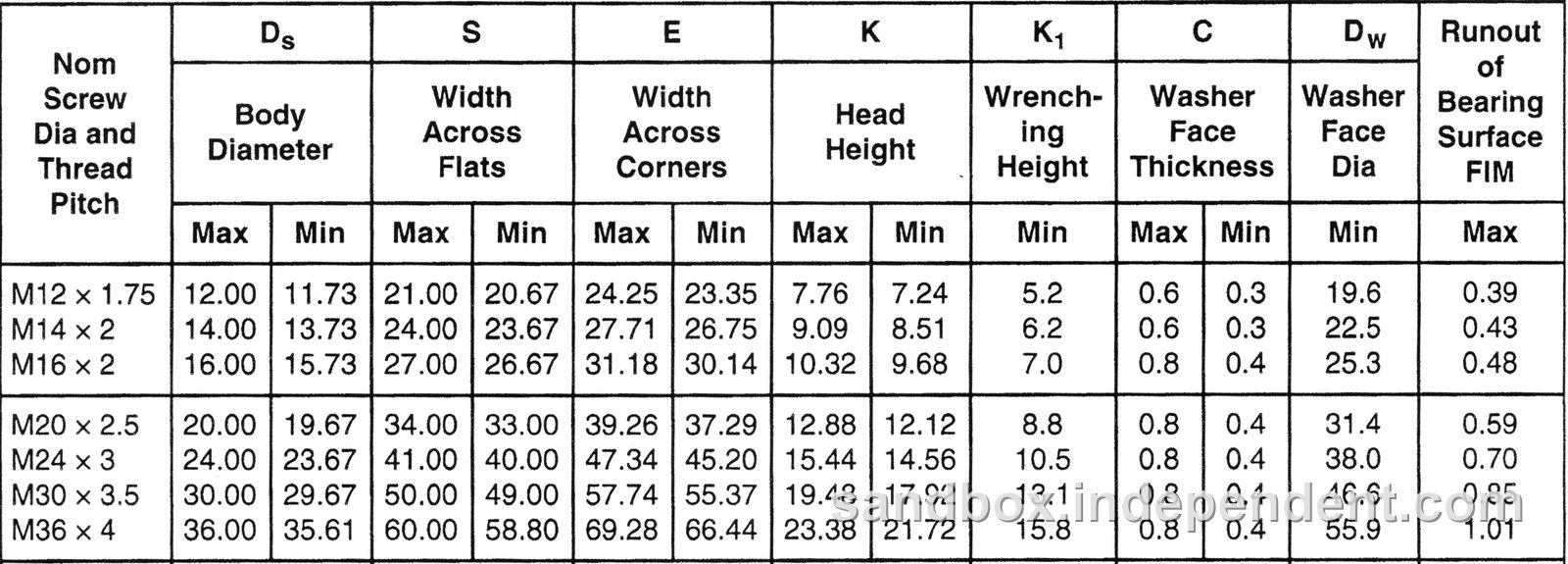
The gauge size chart is your practical guide to understanding the different sizes and measurements used for various objects and materials. It's like a roadmap that helps you navigate the world of gauges and ensures you choose the right size for your needs. This chart provides a standardized way to compare and select the appropriate gauge, whether you're dealing with needles, wires, jewelry, or pipes.
Comparing Gauge Standards and Formats
Gauge sizes can vary depending on the standard being used. There are different systems, such as the standard gauge system and metric gauge measurements, which have their own scales and ranges. For example, the needle gauge chart may use a different scale compared to the wire gauge sizes. It's essential to know which standard applies to your specific application to ensure accurate readings.
Reading the Table: A Step-by-Step Guide
When using a gauge size chart, follow these steps:
Identify the Type: Determine what you need the gauge for, such as needles, wires, or pipes. Each type may have a slightly different chart or scale.
Choose the Standard: Select the appropriate standard for your region or industry. Common standards include the US system and international metric measurements.
Locate the Size: Find the size you require on the chart. The chart will typically have a column or row dedicated to the gauge sizes, with corresponding measurements.
Convert if Needed: If your chart uses a different standard than your application, you may need to convert the size. For instance, converting between jewelry gauge sizes and metric gauge measurements might be necessary.
Common Misreadings and How to Avoid Them
Misinterpreting a gauge size chart can lead to mistakes. Here are some tips to avoid common pitfalls:
Always double-check the standard being used. Different industries or regions may have unique specifications.
Pay attention to the units. Gauge charts may use various units, such as inches or millimeters, so ensure you're reading the correct column or row.
Be aware of tolerances. Some gauges have specific tolerances, and the chart might not cover every possible variation. Check the exact specifications if needed.
Avoid assuming. Don't make assumptions about gauge sizes, especially when dealing with specialized applications. Always refer to the chart for accurate information.
Remember, the gauge size chart is a valuable tool, but it's essential to use it correctly to ensure precision and avoid errors.
Hey there! We've covered a lot of ground with this gauge size chart, giving you the lowdown on the different options and how to use them effectively. Remember, the exact details might shift a bit depending on your specific needs and the standards you're working with.
Don't stress, though; we've got you covered with a range of other guides and resources to explore. Why not check out some of our other practical posts and discover more handy tips and tricks? It's a great way to stay informed and ensure you're always using the right tools for the job. Happy reading, and keep those projects on track!
Related: Understand Your Hair Level Chart Easily
You're probably here because you need a quick solution, right? Well, if you're looking for a simple guide to understanding hair length, the hair level chart is a handy tool. It's like having a secret code to deciphering those tricky hair measurements. This chart, a simple yet effective reference, can help you determine your hair's growth and length accurately. From there, you can explore various hair growth charts, length guides, and even styling tips tailored to your hair's level.
Understanding the Hair Level Chart: A Quick Overview
The hair level chart is a useful tool for anyone interested in hair care and styling. It provides a visual representation of hair length, offering a standardized way to measure and communicate hair length. This chart is especially handy for professionals in the hair industry, ensuring consistency in haircuts and styles.
Comparing Hair Level Chart Standards and Formats
There are a few different standards and formats for hair level charts. The most common one is based on the hair growth chart, which typically uses a numerical scale. This scale ranges from 1 to 10, with each number representing a specific hair length. For example, level 1 might indicate very short hair, while level 10 represents extremely long hair.
Another format uses descriptive terms, such as "short," "medium," and "long," to categorize hair lengths. This method is often used in everyday conversations and provides a more general idea of hair length. However, it lacks the precision of numerical scales.
Measuring Hair Accurately: A Step-by-Step Guide
To use the hair level chart accurately, follow these simple steps:
- Start by determining your current hair length. You can do this by measuring your hair from the scalp to the tip.
- Compare your measurement to the chart. Look for the closest match on the numerical scale or find the descriptive term that best describes your hair length.
- If you're using a numerical scale, you might find your hair length falls between two levels. In such cases, you can estimate or round up to the nearest level.
- Once you've identified your hair level, you can communicate it to your hairstylist or use it as a reference for styling and product choices.
Common Misconceptions and Pitfalls to Avoid
While the hair level chart is a practical tool, there are a few things to keep in mind:
- Hair length can vary depending on factors like hair type, texture, and individual growth rates. So, while the chart provides a standard, your personal hair characteristics may influence the accuracy of the measurement.
- The chart might not cover all hair types and styles. For instance, some hairstyles, like dreadlocks or extensions, may require additional considerations.
- It's essential to measure your hair accurately. Ensure you measure from the scalp and consider the natural fall of your hair.
- Remember, the chart is a guide, and individual preferences may vary. Feel free to adjust the level based on your desired style and comfort.
By understanding these factors, you can use the hair level chart effectively and make informed decisions about your hair care and styling.
Well, there you have it! A handy hair level chart can be a great tool to ensure you're getting the right products and services for your hair type. It's always a good idea to refer to these charts and guides, but remember, every head of hair is unique, so make sure to consider your specific needs and goals.
Feel free to explore our other guides and resources; we've got plenty of practical tips and tricks to help you navigate the world of hair care and styling. Happy hair adventures!
Related: Understand Deer Age Charts: A Simple Guide
Many outdoor enthusiasts and hunters may assume that estimating a deer's age is an innate skill, but it's actually a precise art that requires a deer age chart as your trusted companion. While it may seem simple, misreading these charts can lead to inaccurate assessments.
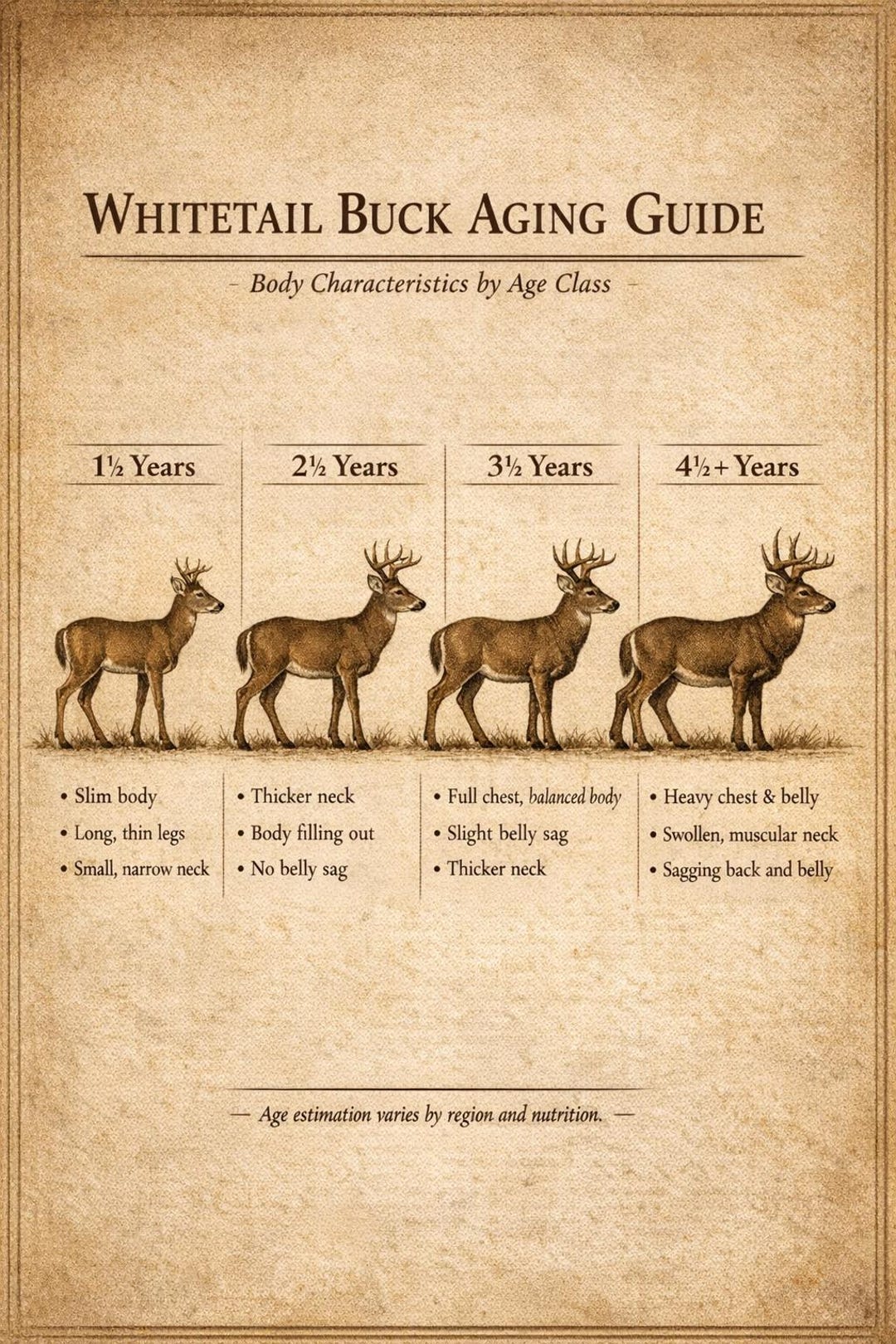
The deer age chart, a vital tool for whitetail deer aging, relies on tooth wear and other visual cues. These charts provide a standardized way to estimate a deer's age, but it's important to note that variations exist, often depending on the region and specific deer species.
A Comprehensive Guide to the Deer Age Chart
The deer age chart is an invaluable tool for hunters, wildlife enthusiasts, and researchers, providing an accurate estimate of a deer's age. This chart, often referred to as a tooth wear chart, is a visual representation of the relationship between a deer's teeth and its age. It serves as a practical guide to help determine the age of a deer based on the condition of its teeth.
Comparing Chart Formats and Standards
There are several versions of the deer age chart available, and they can vary slightly depending on the region and the specific deer species being considered. Some charts are designed for whitetail deer aging, while others cater to different deer varieties. It's essential to use the appropriate chart for your region and the deer species you encounter. These charts typically provide a clear and easy-to-read visual representation, often with color-coded categories or a simple diagram.
Step-by-Step Guide to Accurate Deer Age Estimation
Using the deer age chart is a straightforward process, but accuracy is key. Here's a simple guide:
Examine the Deer's Teeth: Focus on the lower jaw, specifically the incisor teeth. These teeth are a reliable indicator of age.
Assess Tooth Wear: Look for signs of wear and erosion. The more worn the teeth, the older the deer.
Consult the Chart: Refer to the deer age chart and match the tooth wear pattern with the corresponding age category. The chart will often provide a range of ages, so select the most appropriate age based on your observation.
Consider Other Factors: While tooth wear is a primary indicator, other factors can influence the accuracy. These include the deer's overall health, diet, and environmental conditions. For instance, a deer with a poor diet may exhibit faster tooth wear.
Practice and Experience: Like any skill, estimating deer age improves with practice. Study various deer teeth patterns and compare them to the chart to refine your skills.
Common Misreadings and How to Avoid Them
While the deer age chart is a reliable tool, there are a few potential pitfalls to avoid:
Deer Aging by Teeth Variations: Different deer species and even individual deer can exhibit variations in tooth wear patterns. Always double-check the specific chart for your region and species.
Environmental Factors: Extreme environmental conditions, such as a harsh winter, can affect tooth wear. Consider these factors when estimating age.
Antler Size Chart: While antler size can indicate a deer's maturity, it's not a reliable indicator of age. Focus on the teeth for accurate age estimation.
Individual Differences: Deer, like all animals, are unique. Some may exhibit faster or slower tooth wear, so always refer to the chart as a guide, but trust your observations and experience.
By following these steps and being mindful of potential variations, you can accurately estimate a deer's age using the deer age chart, contributing to your understanding of deer populations and their behavior.
Remember, while this guide provides a solid framework, the specifics might shift a bit based on your unique circumstances. Every deer and every situation is a little different, so it's important to adapt and stay curious.
We've got a whole library of practical guides and resources here, so feel free to explore and discover more. You might just find the perfect tool to enhance your outdoor adventures and make the most of your time in nature. Happy trails!